Pitching Warranty Direct vs MotorEasy is the wrong place to start if you have just bought a £35,000 used Range Rover, because the real question is what any aftermarket policy pays out before the exclusions bite. We have read the cover documents for all three big UK names, Warranty Direct, MotorEasy and ALA, and weighed them against a manufacturer Approved Used plan. Our view: two of them are genuinely useful on premium metal, one is for cheaper cars, and on a high-risk JLR or Porsche the maker’s own warranty often still wins.
What real owners say (CDE data)
CDE cross-referenced the public Trustpilot profiles of all three providers and the published cover documents on warrantydirect.co.uk, motoreasy.com and ala.co.uk, checked 3 June 2026, alongside Which?’s used-warranty analysis.
- Most-praised aspects: garage-direct claim payment (no upfront bill), fast authorisation on covered parts, and recovery cover bundled in. MotorEasy holds 4.6 on Trustpilot from 17,377 reviews; ALA sits at 4.9 from roughly 22,000.
- Most-criticised aspects: betterment deductions on worn parts, capped labour rates that fall short of a main-dealer hourly charge, and claims declined where a fault was flagged by a warning light but driven on.
- Reliability signal: on premium 4x4s the spend is real. CDE’s own coverage of the Land Rover Discovery flagged it as one of 2026’s most claim-heavy used cars per Warrantywise data, which is exactly why cover wording matters on JLR.
Why aftermarket warranty wording matters more on a premium used car
A failed air suspension compressor or a worn timing chain on a JLR product can run past £2,000 with parts and main-dealer labour. That is the whole reason an aftermarket policy exists, and also why the small print decides whether it is worth the money. Which? has warned that many used-car warranties carry “terms, conditions and caveats designed to limit when the provider has to pay out”, and that average repair costs on ordinary cars can be lower than the premium charged. On a Range Rover, an Audi SQ7 or a Porsche Cayenne the maths flips: repair bills are high enough that cover can pay for itself, but only if labour rates, claim limits and betterment are set sensibly. If you want the full list of what cover routinely skips, our guide to used car warranty exclusions in 2026 walks through the clauses that catch premium owners out.
Warranty Direct vs MotorEasy: how each policy actually pays out
This is the heart of the decision. Warranty Direct sells two tiers, Silver and Gold, with Gold the one premium owners want: mechanical and electrical failure cover, parts and labour, multimedia cover, MOT test insurance and 24/7 recovery with home start. Its wear-and-tear contribution applies up to 70,000 miles on the Gold product only, and cover can run to 120,000 miles or 12 years, whichever comes first, against a claim limit you choose at the outset. MotorEasy structures cover as Plan A, B and C (plus cheaper Lite versions), tiered by vehicle age, and explicitly covers parts, labour and diagnostic costs, with failures found during MOT and servicing included. Both settle direct with your chosen garage, so you are not fronting a four-figure bill and waiting for a refund. The practical split: MotorEasy’s diagnostics inclusion is useful on electronics-heavy German and JLR cars, while Warranty Direct’s Gold wear contribution suits a higher-mileage example.
Where ALA sits, and the premium-brand exclusion that catches JLR owners
ALA offers Silver, Gold and Platinum, and Platinum is the only one of the three big providers to state wear-and-tear cover outright, described as its most popular level. ALA also advertises no excess on claims, no pre-inspection, FSCS-backed underwriting and bundled roadside recovery. The catch for our readers is the eligibility wording: ALA excludes certain luxury and specialty marques outright, and crucially caps Land Rover and Range Rover cover at vehicles under 8 years old with under 80,000 miles. That single line rules out exactly the cheap, high-mileage Range Rover Sport that most needs cover. So while ALA’s Platinum reads as the most generous on paper, a 2016 Range Rover at 90,000 miles cannot buy it. For German and Japanese premium cars within the age and mileage window, ALA Platinum is a strong pick.
Claim limits, labour rates and betterment: the three clauses that decide value
Ignore the headline tier names and read three numbers. First, the claim limit: aftermarket policies cap a single claim and sometimes the annual total, so a £4,000 gearbox on a low claim limit leaves you topping up the difference. Pick a limit that matches a worst-case JLR or BMW bill, not the cheapest band. Second, the labour rate: providers reimburse at a set hourly rate that can sit below a JLR or Porsche main-dealer charge, so an independent specialist is often the smarter place to claim. Third, betterment: where a repair fits a part better than the worn one it replaces, you may be asked to contribute, which bites hardest on timing chains, clutches and suspension. None of the three publishes full labour-rate tables online, so confirm the figure in writing before you buy. The same discipline applies to a manufacturer plan: our breakdown of the BMW, Audi and Mercedes approved used warranty shows how main-dealer schemes handle the same three levers.
Indicative cost bands and what cover compares with
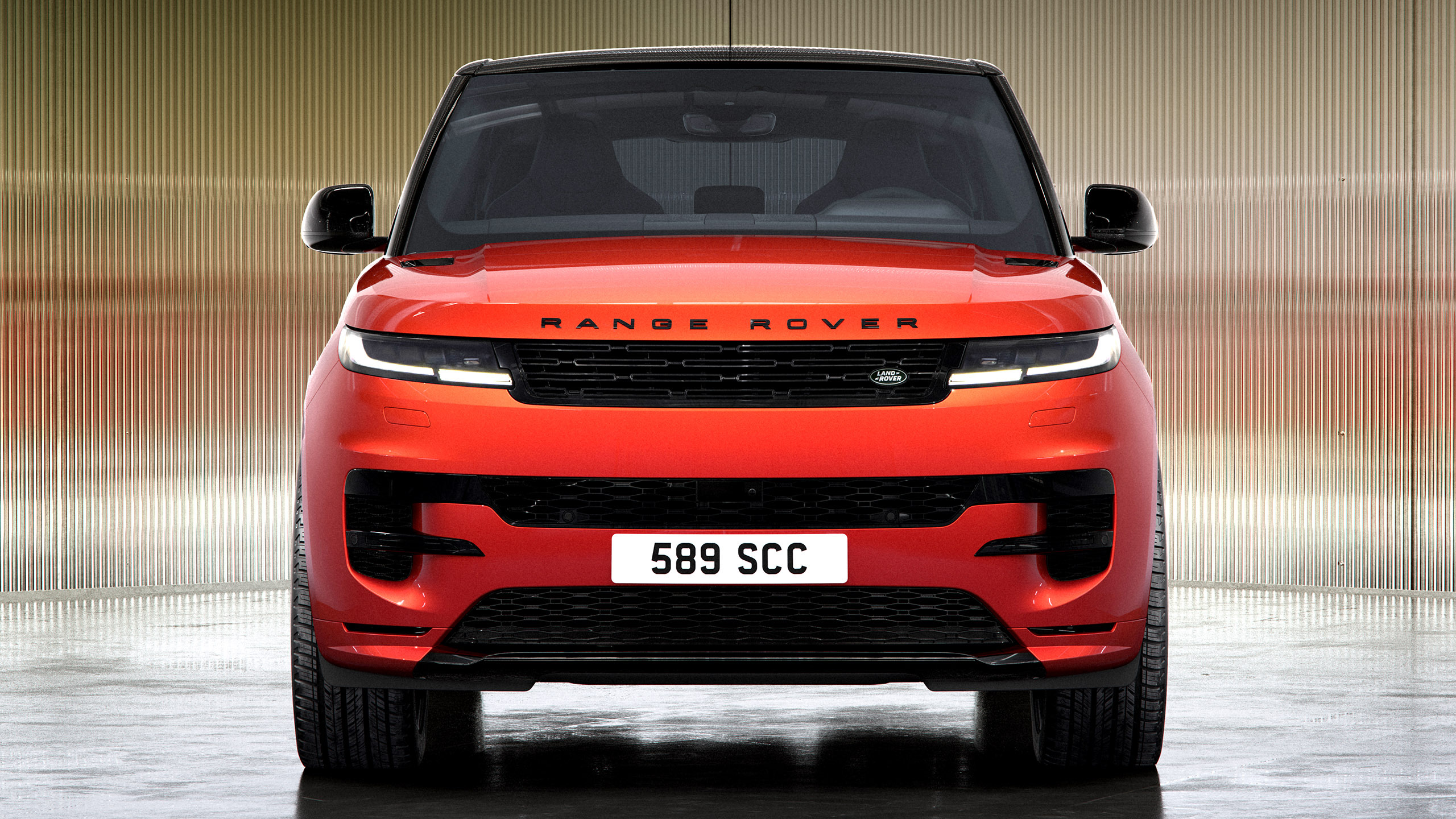
We will not quote a single price because every quote turns on the car, mileage, claim limit and excess, and all three providers price individually. As an indicative guide, aftermarket cover on a premium used SUV tends to land in low-to-mid hundreds of pounds a year for a modest claim limit, rising toward four figures annually for a high-mileage Range Rover on a top tier with a high limit. Which? makes the comparison worth running: it suggests setting aside the roughly £300 to £400 a year a policy costs and self-insuring if your car is cheap to fix. That logic fails on premium metal, where one air-suspension or turbo failure dwarfs a year of premiums, which is why the cover decision is sharper on a JLR or Porsche than on a supermini. On a newer model still inside its factory term, such as a current Land Rover Defender L663, an aftermarket policy only matters once that cover lapses. The table below pins down what each provider actually states.
| Cover point | Warranty Direct | MotorEasy | ALA |
|---|---|---|---|
| Tiers | Silver, Gold | Plan A / B / C (+ Lite) | Silver, Gold, Platinum |
| Wear and tear | Gold, up to 70,000 miles | Wear items excluded | Covered on Platinum |
| Diagnostics | Within parts and labour | Stated: parts, labour, diagnostics | Within covered components |
| Claims paid | Direct to garage | Direct to chosen garage | Direct, no excess advertised |
| Premium-brand limit | To 120,000 mi / 12 yr | By plan age band | JLR under 8 yr / 80,000 mi |
When manufacturer Approved Used beats all three
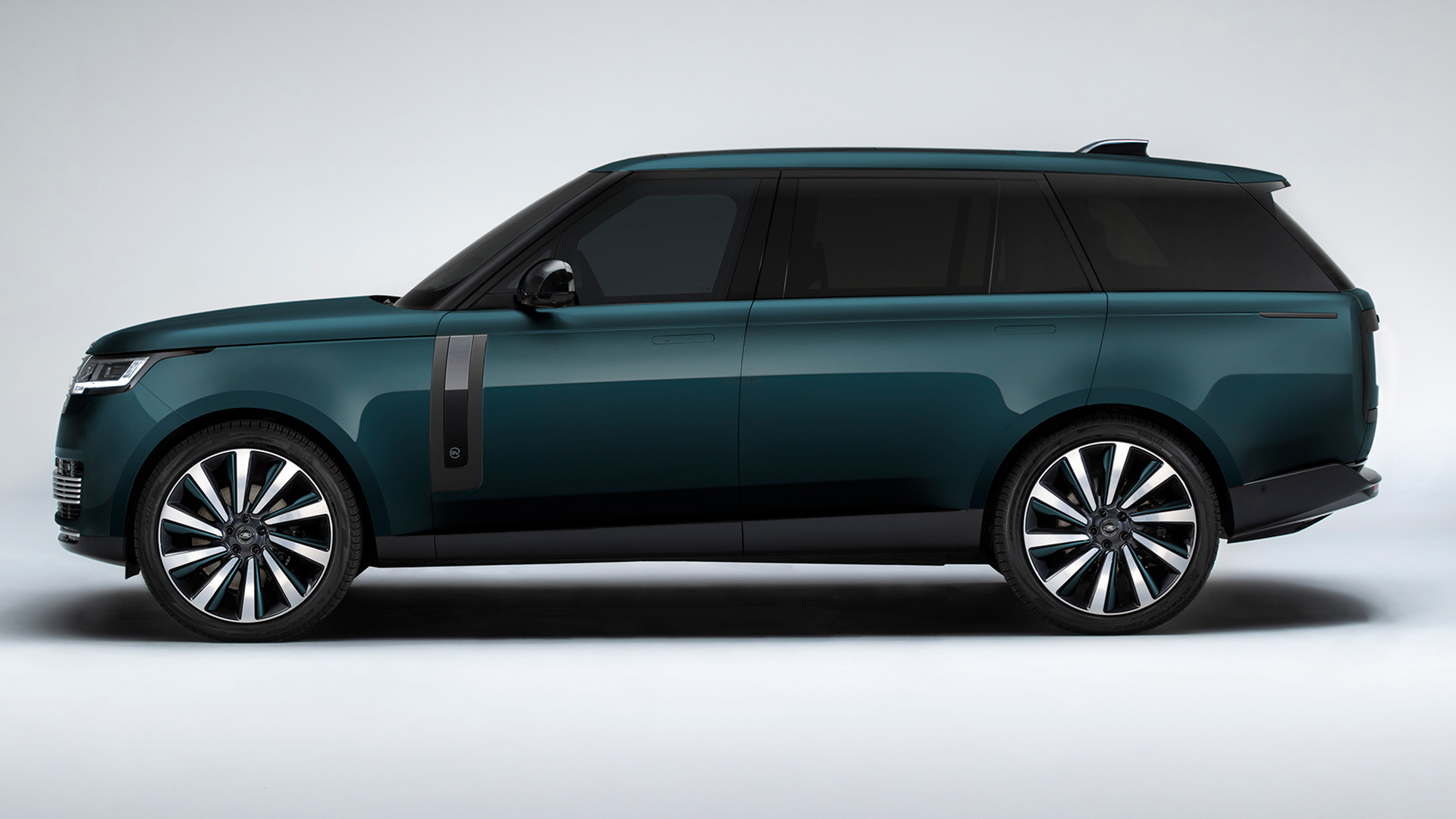
A maker’s Approved Used warranty buys things an aftermarket policy structurally cannot: genuine parts fitted by a franchised dealer, the main-dealer labour rate built in rather than capped, and no argument about betterment or independent-garage rates. On the highest-risk cars, a JLR air-suspension Range Rover, a Porsche with a known bore-score history, an Audi or BMW with complex electronics, that matters. The trade-off is cost and the requirement to service within the network. Our view is that Approved Used wins when the car is young enough to qualify, the repair risk is high, and you would otherwise be claiming at a dealer anyway. For the JLR-specific case, the long-form Warranty Direct, MotorEasy and ALA comparison for a used Range Rover or Discovery runs the same logic on Land Rover’s own plan, and Porsche owners should weigh the Porsche Approved warranty against MotorEasy before deciding.
The exclusions that bite hardest on JLR, BMW, Audi and Porsche
Premium cars fail in expensive, specific ways, and that is where aftermarket wording earns or loses its keep. Air suspension on a Range Rover, the high-pressure fuel system on a turbo petrol, infotainment and driver-assistance modules, and adaptive dampers are the components most likely to sit in a grey area between “mechanical and electrical failure” and “wear”. A policy that excludes wear items, as MotorEasy’s standard wording does for consumables, will not help with a part the insurer deems worn rather than failed. Consequential damage and pre-existing faults are common decline reasons, and a fault flagged by a warning light then driven on can invalidate a claim. None of this is unique to one provider; it is the category. The defensive move is to buy a car with full history, keep your own service evidence, and read the exclusions list before, not after, a failure. The same risk profile is why Range Rover insurance costs run high: the repair bills behind warranty claims also drive the premiums.
GAP, EV cover and the warranties an aftermarket policy will not replace
A mechanical warranty is not the only protection a premium buyer weighs, and confusing the products costs money. It does not cover a total-loss shortfall after a write-off; that is GAP, and the post-FCA-review picture is set out in our look at GAP insurance on a £60,000 Range Rover. It also rarely steps into the high-voltage battery and drive components on an electric car, where the manufacturer’s own long battery warranty does the heavy lifting; the split between maker, aftermarket and GAP cover on an EV is mapped in our guide to EV warranty cover decoded for 2026. Match the product to the actual risk rather than buying overlapping cover.
A note on scope: this is general consumer guidance, not personalised financial, tax or insurance advice. The figures here are illustrative and depend on your salary, tax band, employer scheme and personal circumstances. Check the current HMRC, FCA and MoneyHelper guidance and speak to a regulated adviser before you commit.
On the Warranty Direct vs MotorEasy question, both are credible on premium metal: MotorEasy’s explicit diagnostics cover and garage-direct settlement suit electronics-heavy German and JLR cars, while Warranty Direct’s Gold wear contribution to 70,000 miles fits a higher-mileage example. ALA Platinum is arguably the most generous wording of the three, but its under-8-year, under-80,000-mile cap on Land Rover and Range Rover rules out the very cars that most need it, so ALA is our pick for in-window German and Japanese premium, not for an older JLR. Across all three, the decision rests on the claim limit, the reimbursed labour rate and the betterment clause, never the tier name. We would buy aftermarket cover on a high-mileage premium SUV where the maker’s warranty has lapsed, confirm the labour rate in writing, and price up the cover at a sensible claim limit. Where the car still qualifies for manufacturer Approved Used and the repair risk is high, that remains the stronger buy. What would change our view: a clear, published labour-rate table and an uncapped premium-brand limit from any aftermarket provider.
Is Warranty Direct or MotorEasy better for a used Range Rover?
Does ALA cover a high-mileage Range Rover?
What is betterment on a car warranty claim?
When does manufacturer Approved Used beat an aftermarket warranty?
Does an aftermarket warranty cover wear and tear on a premium car?
How much does aftermarket warranty cover cost on a premium used car?
How to check cover before you commit
Before you price up the cover on any of the three, run these checks so you buy on terms rather than on a headline tier:
- Read the full cover document on warrantydirect.co.uk, motoreasy.com or ala.co.uk and note the claim limit, single-claim cap and any annual cap.
- Get the reimbursed labour rate in writing and compare it with a JLR, Porsche, Audi or BMW main-dealer hourly charge.
- Find the betterment and wear-and-tear clauses and confirm how air suspension, turbos and infotainment modules are treated.
- Confirm the age and mileage eligibility for your exact car, especially the Land Rover and Range Rover limits on ALA.
- Check the provider on the FCA Financial Services Register and read the Which? guidance on used-car warranties on when self-insuring is cheaper.
- If the car still qualifies, get an Approved Used comparison from the franchised dealer and weigh it like for like.
- Run a history and finance check, and keep your own service evidence to defend any future claim.
Buyer action
Where to check next
Use this as the final check before paying a deposit, signing finance paperwork or relying on a headline monthly figure.