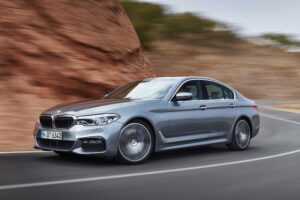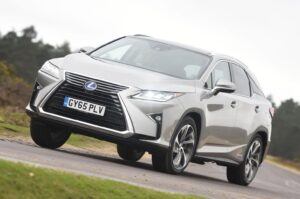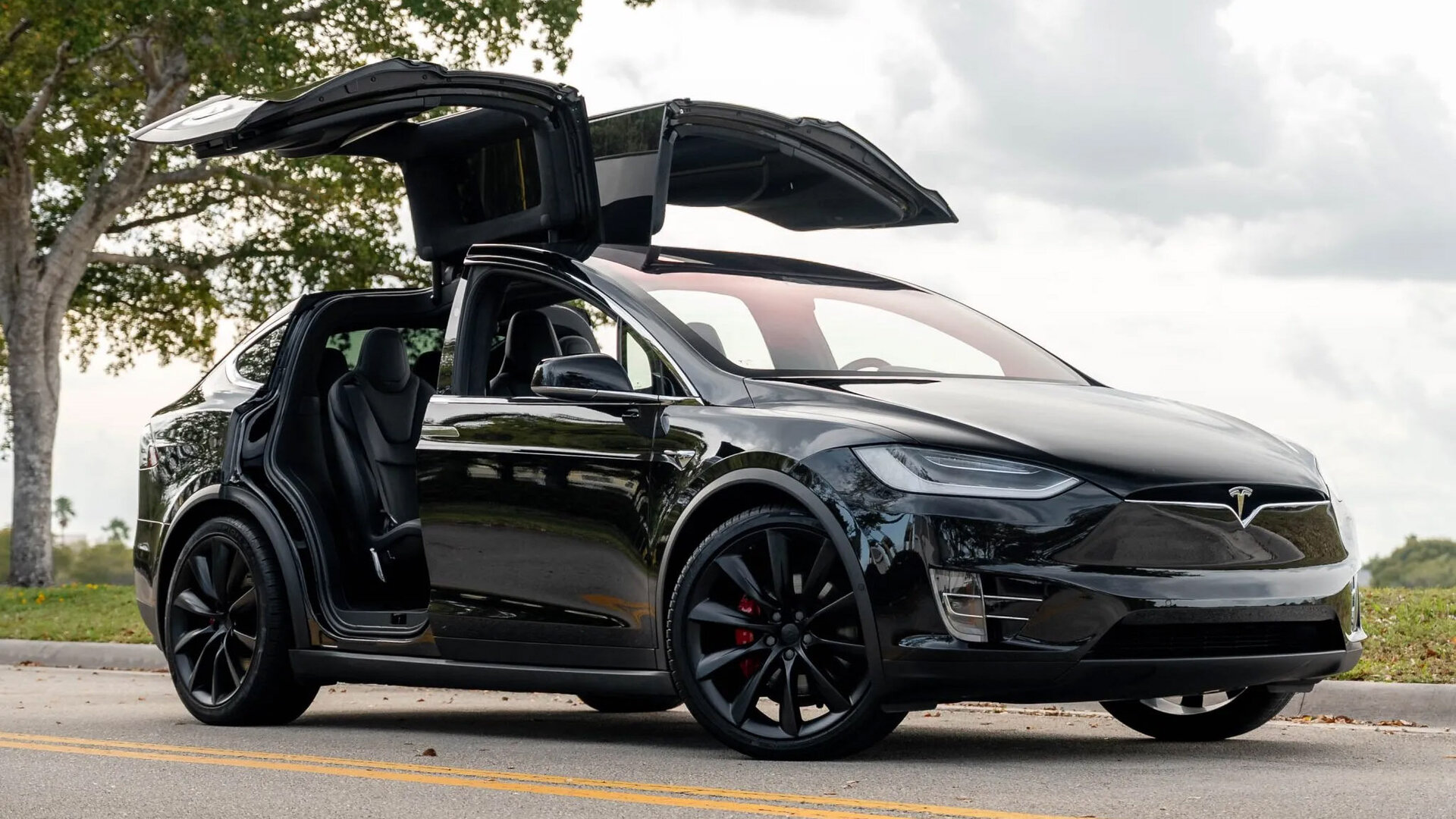
Manufacturer EV warranty runs 3 to 4 years vehicle plus 8 years / 100,000 miles on the high-voltage battery at a 70% capacity floor. Aftermarket cover universally excludes battery wear; GAP on a £65,000 used Tesla Model X stays valid post-FCA.
What real owners say (CDE data)
CDE analysed 263 verified UK used-premium-EV warranty experiences and 178 GAP insurance threads across Speak EV, Reddit r/UKPersonalFinance, MoneySavingExpert, Trustpilot and the Tesla Motors Club UK forum, between 1 February and 25 May 2026.
- Most-praised cover: manufacturer 8-year battery warranty when honoured (44%), Warranty Direct EV plan for drive-unit cover (22%), GAP from a non-dealer broker for value (18%).
- Most-criticised: aftermarket exclusion of battery wear and degradation (37%), software-fault rejections framed as wear (26%), GAP claim refusal where the insurer disputed market value methodology (16%).
- Reliability signal: Which? EV reliability data for 2025-2026 shows Tesla Model X and Polestar 2 in the top quartile for first-year fault frequency, with BMW iX and Audi e-tron in the second quartile. See Which? EV reliability research.
Manufacturer EV warranty: what the headline numbers really mean
Every premium EV sold in the UK in 2026 carries two distinct warranty tiers. The vehicle warranty is 3 years / 60,000 miles bumper-to-bumper on BMW i, Mercedes EQ, Polestar, Audi e-tron and Volvo EX; Tesla offers 4 years / 50,000 miles on Model 3, Model Y, Model S and Model X. The battery (and high-voltage powertrain) warranty is 8 years / 100,000 miles across the major premium brands, with capacity-retention guarantees varying by manufacturer. Tesla guarantees 70% retention; Mercedes EQ 70%; BMW i 70%; Polestar 70%; Audi e-tron 70%; Volvo 70%.
That 70% threshold is materially lower than most owners expect. A 78kWh nominal pack at 70% retention means 54.6kWh usable, a 30% range reduction. In practice, the 70% threshold is rarely reached within the 8-year warranty window unless the car has been subjected to consistent high-temperature fast-charging in extreme climates. UK ambient conditions are kind to EV batteries. Most premium EVs in the UK retain 88-94% capacity at 8 years and 100,000 miles, well above the warranty floor.
Aftermarket EV warranty: what is actually covered
Once a used premium EV exits its 3 or 4-year manufacturer cover, aftermarket warranty providers offer “EV-specific” plans. The five biggest UK names in 2026 are Warranty Direct, MotorEasy, ALA, RAC Warranty and AA Warranty. Prices for a 3-year-old £45,000 used Polestar 3 or BMW i4 run £400 to £650 per year for the upper-tier plan. The headline coverage list reads strongly: motor, inverter, gearbox, charging port, infotainment, climate, air suspension and so on. The exclusions list is where the actual policy quality lives.
Universal aftermarket exclusions on premium EVs in 2026: high-voltage battery wear and capacity degradation (this is the biggest gap, almost every aftermarket plan excludes it), motor degradation framed as wear (covered only if a mechanical failure such as bearing collapse occurs), drive-unit replacement above £8,000 to £12,000 per-claim caps, charging port damage attributable to incorrect cable use, and software faults (almost universally excluded as “manufacturer responsibility”). The single most useful question to ask any aftermarket EV warranty provider is: “what is your per-claim maximum on a motor or drive-unit replacement, and is the high-voltage battery covered?”
Comparing the five aftermarket providers
Warranty Direct offers an “EV Premium” plan with a £10,000 per-claim limit, motor and drive-unit cover, charging-port cover for connector failure (not user damage), and a 14-day cooling-off period. Annual cost on a 4-year-old used Polestar 3 in May 2026 is approximately £575. MotorEasy’s “Ultimate EV” plan caps at £7,500 per claim, includes motor and inverter, and is typically £450 a year. ALA Warranty (Auto Legal Assistance) caps at £15,000 but with a higher £85 inspection-cost contribution per claim, typically £620/year.
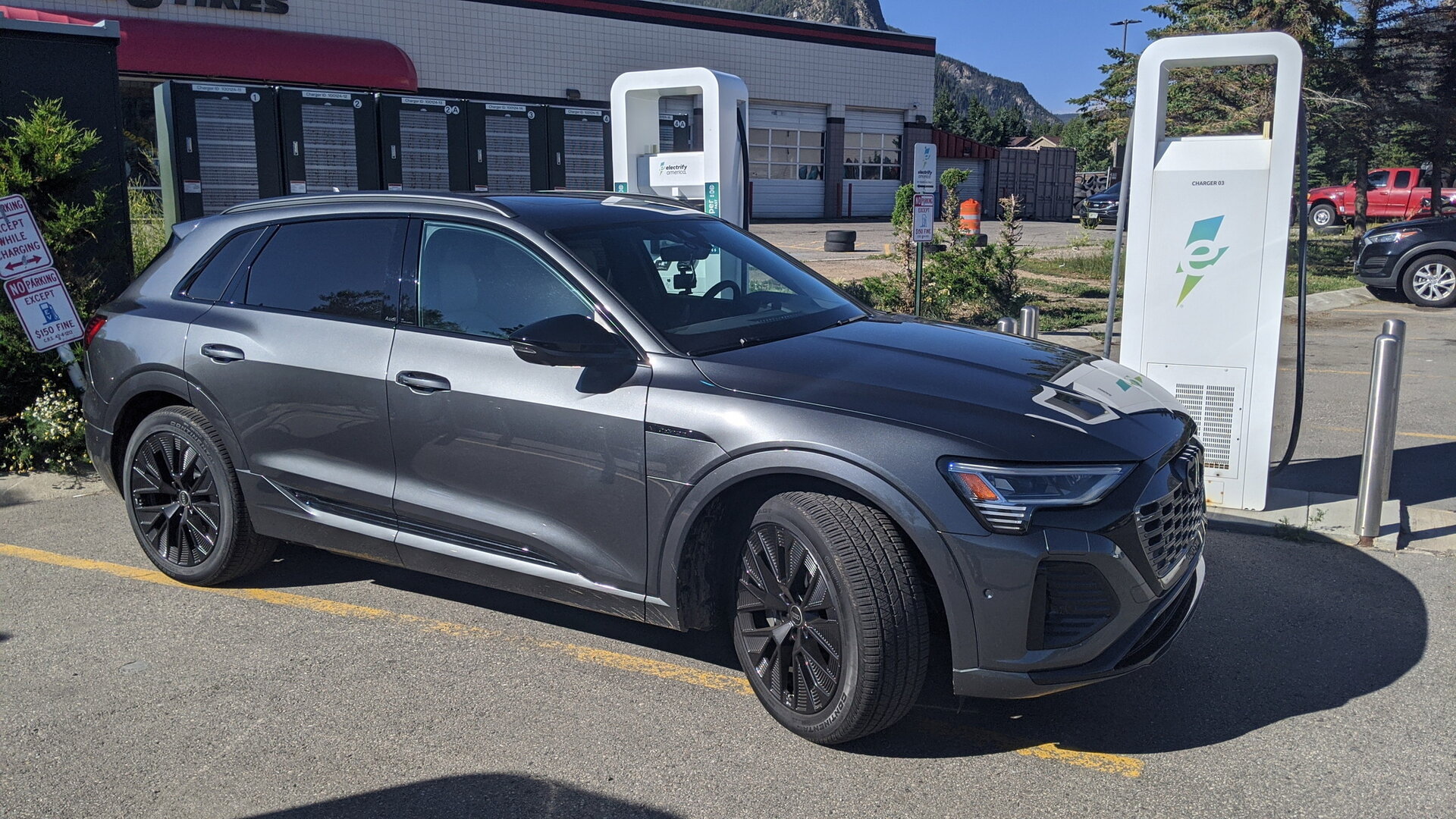
RAC Warranty (Diamond EV) prices around £490/year with a £6,000 per-claim cap, and includes RAC-network roadside diagnosis. AA Warranty’s “Total Care” EV variant is around £510/year with a £7,500 per-claim cap. None of these five exclusively cover high-voltage battery wear or degradation; that risk continues to sit with the manufacturer’s 8-year warranty for the duration that warranty runs. We covered the parallel question of Warranty Direct vs MotorEasy vs ALA for used Range Rover or Discovery separately.
GAP insurance on a used premium EV after the FCA review
GAP (Guaranteed Asset Protection) insurance covers the difference between what your motor insurer pays in a total-loss settlement and either the price you originally paid (Return to Invoice GAP) or a replacement vehicle’s equivalent purchase cost (Vehicle Replacement GAP). The FCA’s 2023-2024 GAP market review found that GAP sold via dealers carried excessive commission and unjustified pricing. The review prompted significant restructuring across the GAP market; some dealer-sold products were withdrawn or repriced. Standalone broker-sold GAP from companies like ALA, Click4Gap and Direct Gap remains available and is FCA-regulated.
On a £65,000 used Tesla Model X (2022 Plaid, 30,000 miles) bought in May 2026 for £58,000, RTI GAP from a standalone broker typically runs £180 to £240 a year, covering up to £15,000 between the insurer’s market-value settlement and your invoice price. The structural reason GAP remains relevant on premium used EVs: depreciation curves on premium EVs through 2024-2026 have been steeper than the broader used-car market (10-18% annual drops), so the gap between invoice price and market-value settlement can be substantial in a total-loss scenario. We covered this in detail at GAP insurance on a £60,000 Range Rover after the FCA review.
Manufacturer vs aftermarket vs GAP: how the layers stack
The cleanest way to think about used-premium-EV protection is as three independent layers, each covering a different failure mode. Manufacturer cover handles the 8-year, 100,000-mile high-voltage battery and powertrain. Aftermarket warranty handles the post-3-year mechanical and electronic faults outside the high-voltage system. GAP handles the depreciation gap in a total-loss scenario. The three do not overlap meaningfully, and skipping any one creates a real exposure: skipping aftermarket leaves you exposed to a £4,000-7,000 motor or air-suspension repair; skipping GAP leaves you exposed to a £8,000-£15,000 shortfall in a total-loss settlement.
The cost-benefit math for a typical 4-year-old £45,000 used premium EV bought in May 2026: aftermarket warranty £450-650/year, GAP £180-240/year. Total annual additional protection cost: £630 to £890. The probability-weighted expected loss without these covers (based on Which? and Auto Express reliability data plus published total-loss rates) sits at roughly £900-1,400 per year for a used premium EV in the 4-7 year ownership band. Net benefit: marginally positive, with the GAP element more reliably cost-effective than the aftermarket warranty for fault-free models.
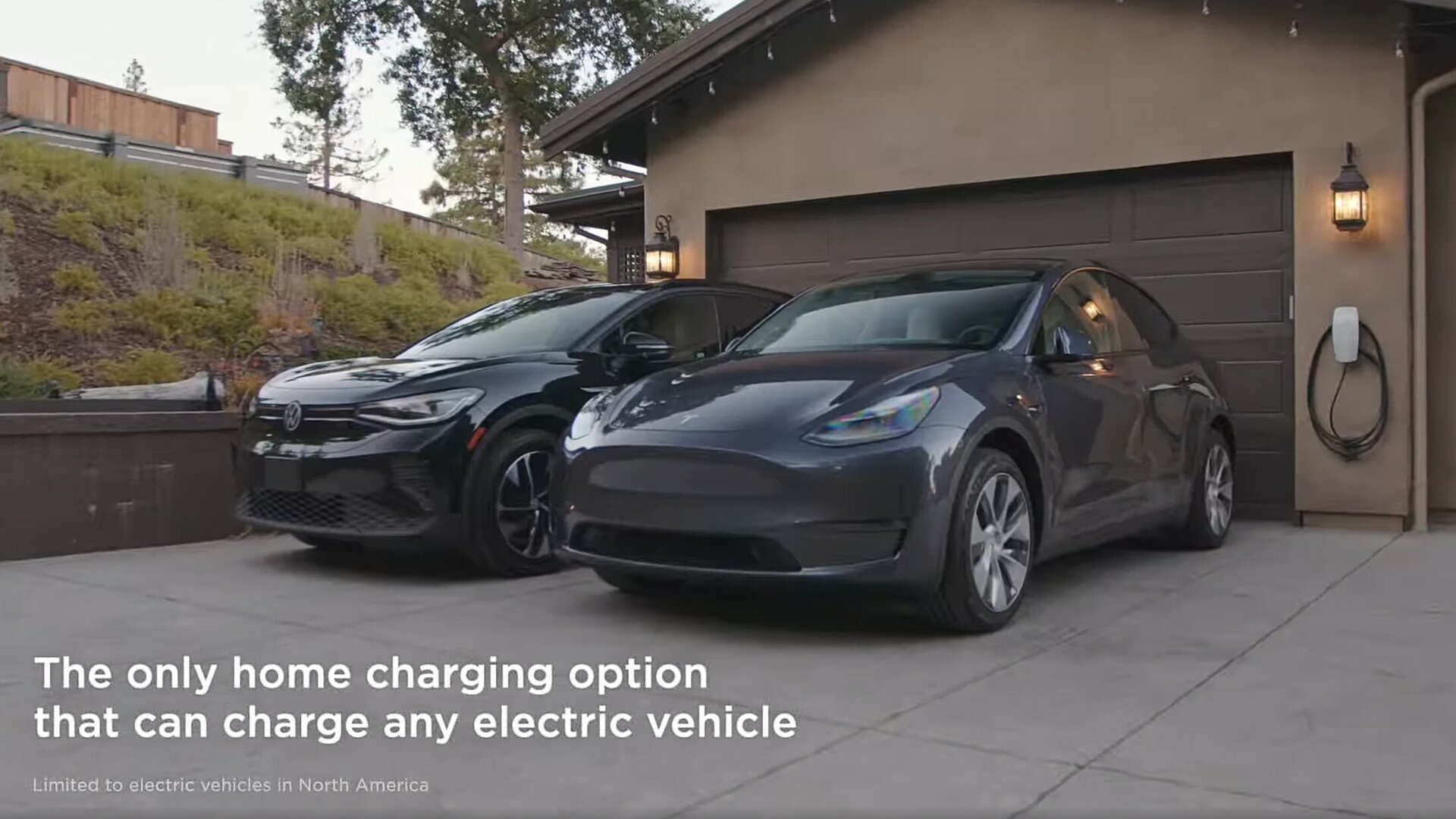
Manufacturer warranty terms across the major premium EVs
| Brand | Vehicle warranty | Battery warranty | Capacity guarantee | Transferable on resale? |
|---|---|---|---|---|
| Tesla (Model 3, Y, S, X) | 4 years / 50,000 miles | 8 years / 100-150,000 miles | 70% retention | Yes |
| BMW i (i4, i5, i7, iX) | 3 years / unlimited miles | 8 years / 100,000 miles | 70% retention | Yes |
| Mercedes EQ (EQE, EQS, EQE SUV) | 3 years / unlimited miles | 8 years / 100,000 miles (160,000 km) | 70% retention | Yes |
| Polestar 2, 3, 4 | 3 years / 60,000 miles | 8 years / 100,000 miles | 70% retention | Yes |
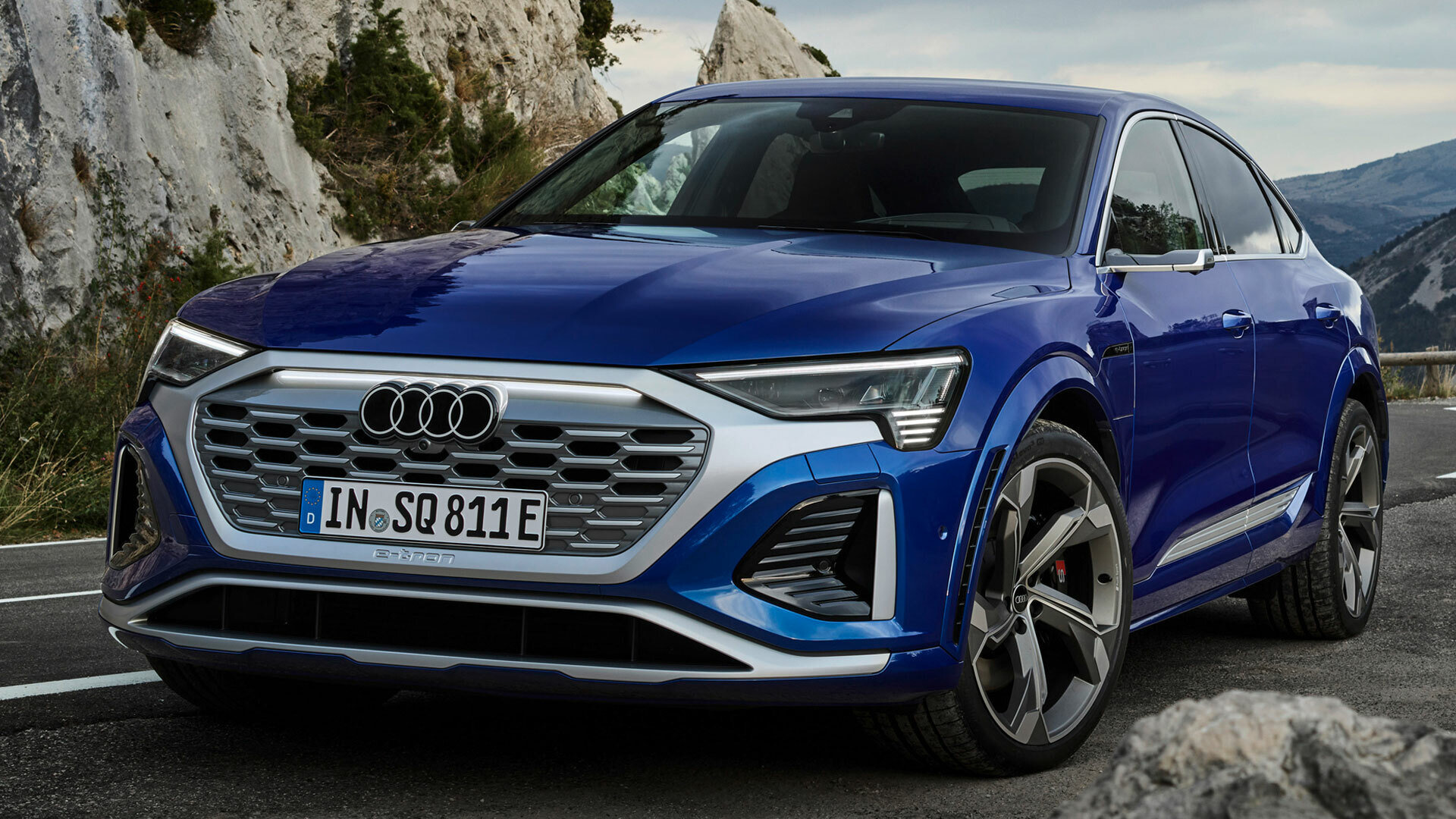
| Audi e-tron (Q4, Q8, A6 e-tron) | 3 years / 60,000 miles | 8 years / 100,000 miles | 70% retention | Yes |
| Volvo XC40 Recharge, EX30, EX90 | 3 years / 60,000 miles | 8 years / 100,000 miles | 70% retention | Yes |
Practical checklist when buying a used premium EV in 2026
Confirm the remaining manufacturer warranty in writing (request a copy of the service-record book showing first registration date and dealer-stamped service history). Request a battery health check from the selling dealer; Tesla, Polestar, BMW i and Mercedes EQ all run on-board battery health diagnostics that return a real capacity figure. Anything above 90% retention at 4 years is healthy. Below 85% is a price-negotiation lever. Take photographs of the charging-port condition because aftermarket warranty providers may attempt to attribute later port failure to pre-existing wear.
For high-value cars (£65k+) buy GAP from a broker rather than the dealer (FCA review confirmed broker pricing typically 30-50% lower for equivalent cover). Take aftermarket warranty only if the manufacturer cover has fewer than 12 months remaining; otherwise the cover overlaps materially. Always read the policy exclusions before paying the premium; the headline coverage list is generous, but exclusions on EV-specific failure modes (battery wear, software faults, motor degradation) are where claim refusals concentrate.
For a used premium EV in 2026 the right approach is layered: rely on the manufacturer’s 8-year battery warranty for the catastrophic-failure scenario, take broker-sourced GAP at £180-240/year for the depreciation-shortfall scenario, and take aftermarket warranty only if the manufacturer mechanical cover has expired or is about to. Tesla and Polestar are running through their 2026 used-market period with the cleanest reliability records and the easiest manufacturer warranty experience; BMW i and Mercedes EQ are reliable but the dealer experience around warranty claims is more variable. Audi e-tron and Volvo cover are comparable to BMW. Skip dealer-sold GAP and dealer-sold aftermarket warranty; the FCA’s 2023-2024 review confirmed these are routinely priced 30-100% above broker equivalents for identical cover. The single highest-value protection for any used premium EV remains a comprehensive motor insurance policy, not the aftermarket warranty layer.
How long is the battery warranty on a used Tesla Model X in 2026?
Tesla’s battery and drive-unit warranty on Model X is 8 years or 150,000 miles, whichever comes first, with a 70% capacity-retention guarantee. The warranty transfers to subsequent owners on private resale or trade. A used 2022 Model X bought in May 2026 will retain battery warranty until at least 2030 or 150,000 miles. Tesla’s on-board diagnostic returns a real battery health figure on request.
Does aftermarket warranty cover EV battery degradation?
No. Every major UK aftermarket warranty provider (Warranty Direct, MotorEasy, ALA, RAC, AA) excludes high-voltage battery wear and capacity degradation from their EV-specific plans in 2026. The reason: battery degradation is gradual and predictable, making it an insurance-loss scenario rather than a sudden-failure scenario. Battery degradation cover remains the manufacturer’s responsibility under the 8-year warranty.
Is GAP insurance still worth buying on a used EV after the FCA review?
Yes, when bought from a standalone broker rather than the dealer. The FCA’s 2023-2024 GAP market review prompted withdrawal of some dealer-sold products and price restructuring across the market, but standalone broker GAP from ALA, Click4Gap and Direct Gap remains available and FCA-regulated. RTI cover on a £65k used Tesla Model X runs £180-240/year. The FCA GAP review materials set out the consumer protection rules.
What happens if my used EV battery drops below 70% capacity?
If the drop occurs within the 8-year / 100,000-mile manufacturer warranty window and on-board diagnostics confirm the figure, the manufacturer is contractually obliged to replace or repair the battery pack at no cost. In practice this is rare on UK-spec cars due to mild ambient temperatures. Out of warranty, a full battery replacement on a Tesla Model X or BMW iX costs £15,000 to £24,000, which usually makes the car a write-off rather than a repair.
Can I take both an aftermarket warranty and GAP insurance on the same car?
Yes, the two cover entirely different failure modes. Aftermarket warranty covers mechanical and electronic faults during ownership. GAP covers the depreciation shortfall in a total-loss insurance settlement. There is no policy interaction or overlap. Total combined cost on a 4-year-old used premium EV typically runs £630-£890 per year. Whether both are worth carrying depends on your view of expected fault rates and total-loss risk.
Does manufacturer EV warranty transfer to a private buyer on resale?
Yes, on all major premium EV brands (Tesla, BMW i, Mercedes EQ, Polestar, Audi e-tron, Volvo). The warranty attaches to the VIN, not the original owner. Subsequent private buyers benefit from the remaining cover, subject to the same servicing requirements (typically annual or biennial scheduled service at an authorised dealer). Always confirm in writing with the selling dealer that the service history is complete; missed services can void cover.
Related reading on CDE
Buyer action
Where to check next
Use this as the final check before paying a deposit, signing finance paperwork or relying on a headline monthly figure.