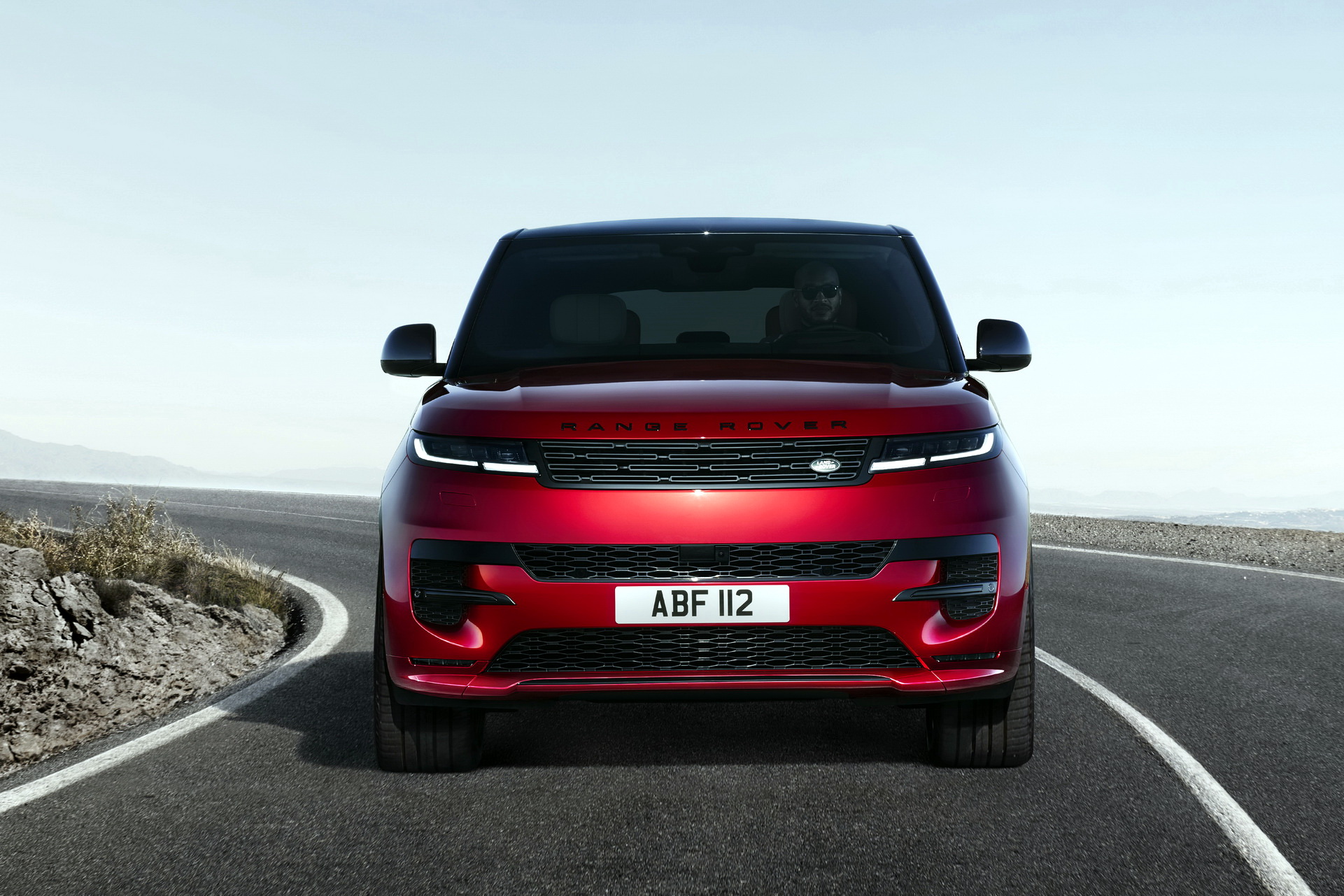
Key cover is the small print most premium-car owners skip until a lost or stolen fob lands them a four-figure bill. Replacing a coded key on a Range Rover, Porsche or BMW with comfort access can run from around £300 to well past £1,000 once you add the dealer key, transponder coding and the labour to recode the locks. This guide explains exactly what standalone key insurance pays for, whether your existing motor or home policy already covers it, and who should actually buy the add-on.
What real owners say (CDE data)
For this piece CDE read through owner discussion on the Range Rovers and PistonHeads forums, the lost-keys and theft threads on r/CarsUK and r/UKPersonalFinance, and the published consumer guidance from Carwow, Which? and MoneyHelper, alongside the wording on standalone key-insurance products. We did not run a survey, so we quote no owner percentages; the themes below are qualitative.
- Most-praised aspects: claims that did not touch the no-claims discount; same-day mobile auto-locksmith attendance; cover that paid the dealer coding bill, not just the blank key.
- Most-criticised aspects: per-claim limits that fell short of a genuine premium-fob bill; “reasonable care” wording used to reject claims where keys were left on view; the crime-reference requirement after a theft.
- Reliability signal: the recurring pattern in owner posts is not the key itself failing but the replacement cost shock, premium keyless fobs sit at the top of the published £300 to £1,000-plus replacement range that Carwow and the comparison sites quote.
Why a premium key costs so much to replace
A modern premium key is not a cut piece of metal; it is a coded transponder paired to the car’s immobiliser and, on keyless cars, to a rolling-code radio handshake. Carwow’s lost-car-keys guidance puts a typical replacement at “something in the region of a £300 ballpark, though you may be able to pay less, or may need to pay much more”, and on a Range Rover, Porsche or a BMW with the Display Key that “much more” is the normal outcome. The bill stacks up in layers: the OEM blank itself, the dealer or auto-locksmith labour to cut and code it, the diagnostic time to pair it to the immobiliser, and on some models a recode of every other key so an old, possibly cloned fob can no longer start the car.
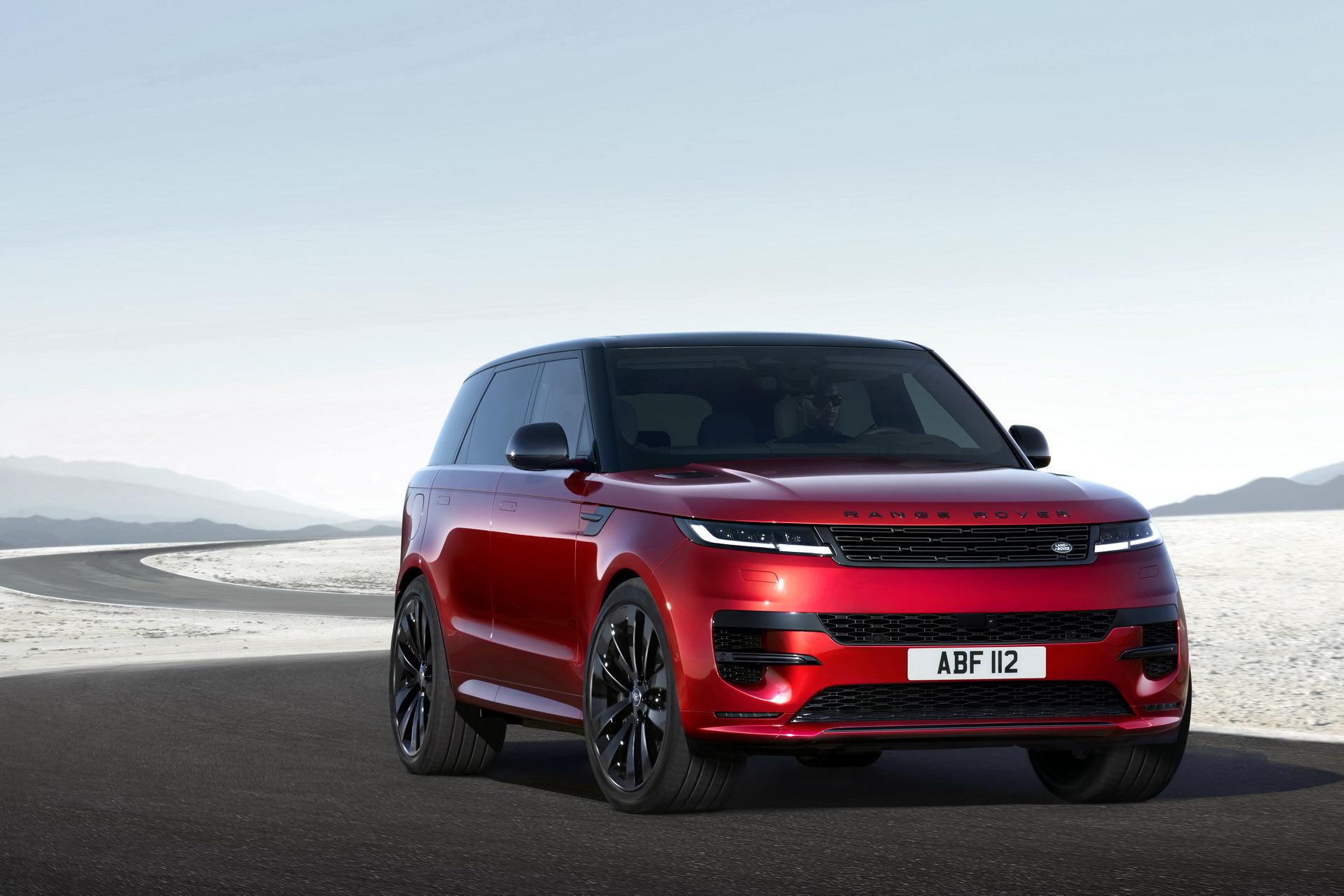
That layered process is why the same lost fob that costs £80 on a ten-year-old hatchback can cost ten times more on a £60,000 SUV. It is also why a key loss often arrives alongside the wider running-cost surprises we cover in our breakdown of Range Rover insurance costs in 2026: high-value, high-tech cars are simply more expensive to put right after anything goes wrong.
What replacing a lost or stolen fob actually involves
Walk through the sequence and the four-figure totals stop looking like a rip-off. First, you order an OEM key; a dealer route can take days or weeks, an auto-locksmith is usually faster but still needs the right blank and software. Second, the key is cut to the car’s pattern. Third, it is coded to the immobiliser using manufacturer-grade equipment. Fourth, on a theft (rather than a simple loss), the prudent move is to recode or replace the locks and re-key the whole set so the missing fob is dead. Add a tow or transport home if the car is stranded without a working key, and the day is gone as well as the money.
If the keys were stolen, you will also need a crime reference number from the police before most insurers pay out, and you should treat the theft as a security event for the whole car, not just the key. Owners who have been through a relay attack often pair a new fob with a Faraday pouch and a steering lock; the same defensive thinking that drives buyers towards high-value car insurance over £50,000 with approved repairers applies to keys too.
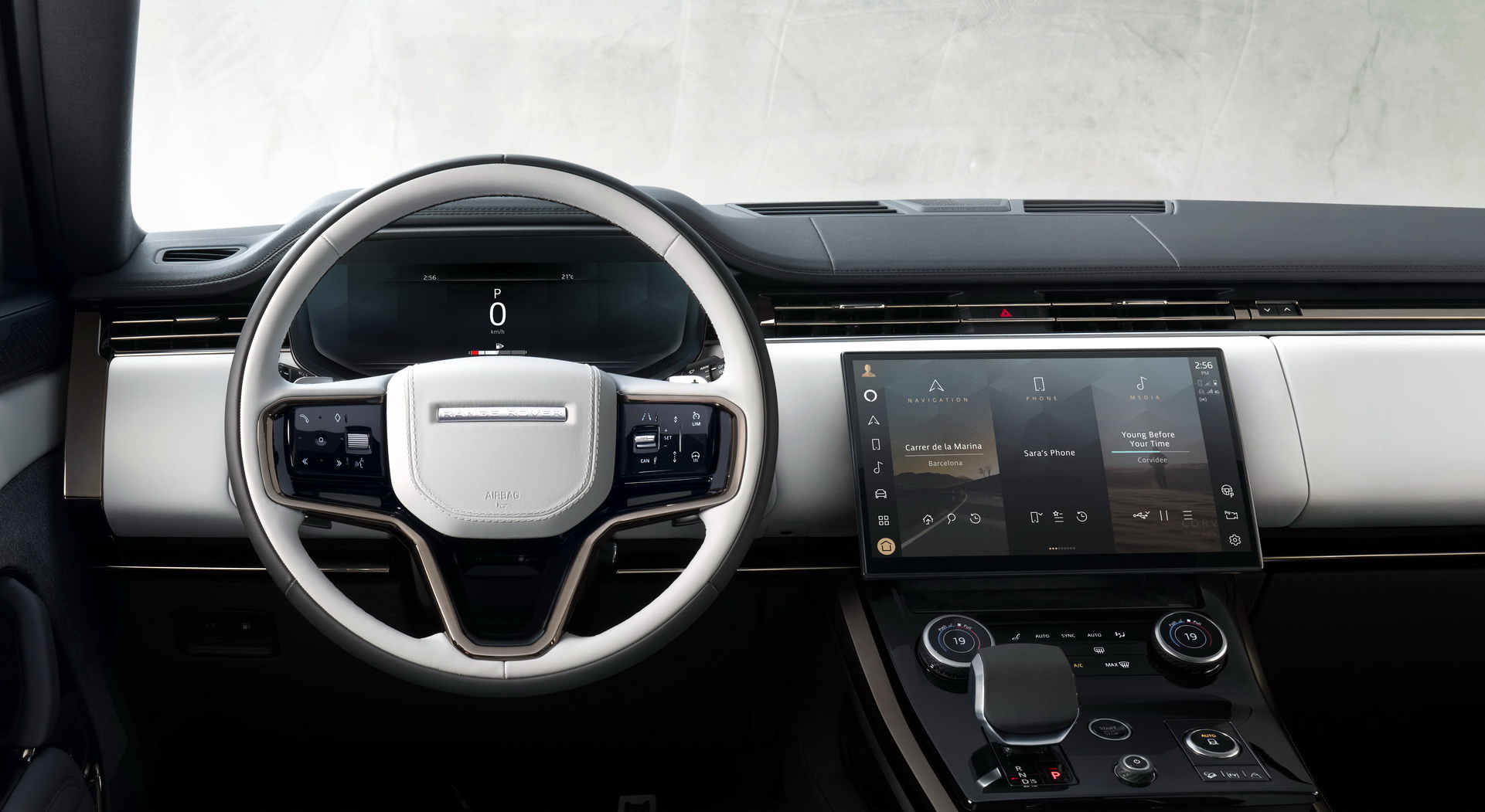
What standalone key cover pays for
Standalone key insurance, or a key add-on bolted to your motor policy, is built to absorb exactly that bill. the Which? guide to car-insurance add-ons describes it plainly: “Key insurance helps to pay for a replacement if your keys go missing. The cover provided will also pay for replacement locks. Some providers will also offer 24-hour assistance.” In practice a good policy reimburses the replacement key, the locksmith or manufacturer fee, lock repair or reprogramming, and the cost of fixing immobilisers and alarms disturbed in the process. Better products add an onward-travel or transport-home benefit, and some include a limited car-hire allowance while you wait for the coded key. Crucially, claiming on a dedicated key policy does not touch your no-claims discount, the headline reason owners use it instead of their main cover.
Does your motor or home policy already cover keys?
Before you pay for anything, check what you hold. Many comprehensive motor policies already include a degree of key cover, and a fair number of home contents policies extend to lost keys too. The catch with claiming on your main motor policy is the one Which? flags: “While you may be able to claim through your main policy, doing so could affect your no-claims discount.” On a premium car where one year of protected no-claims is worth more than the whole key bill, that trade-off matters. the MoneyHelper guide to car insurance sets the right discipline here, read what is already included and avoid paying twice for the same protection. Owners weighing this alongside other extras such as GAP insurance on a premium SUV should treat key cover the same way: useful only if it is not duplicating cover you already own.
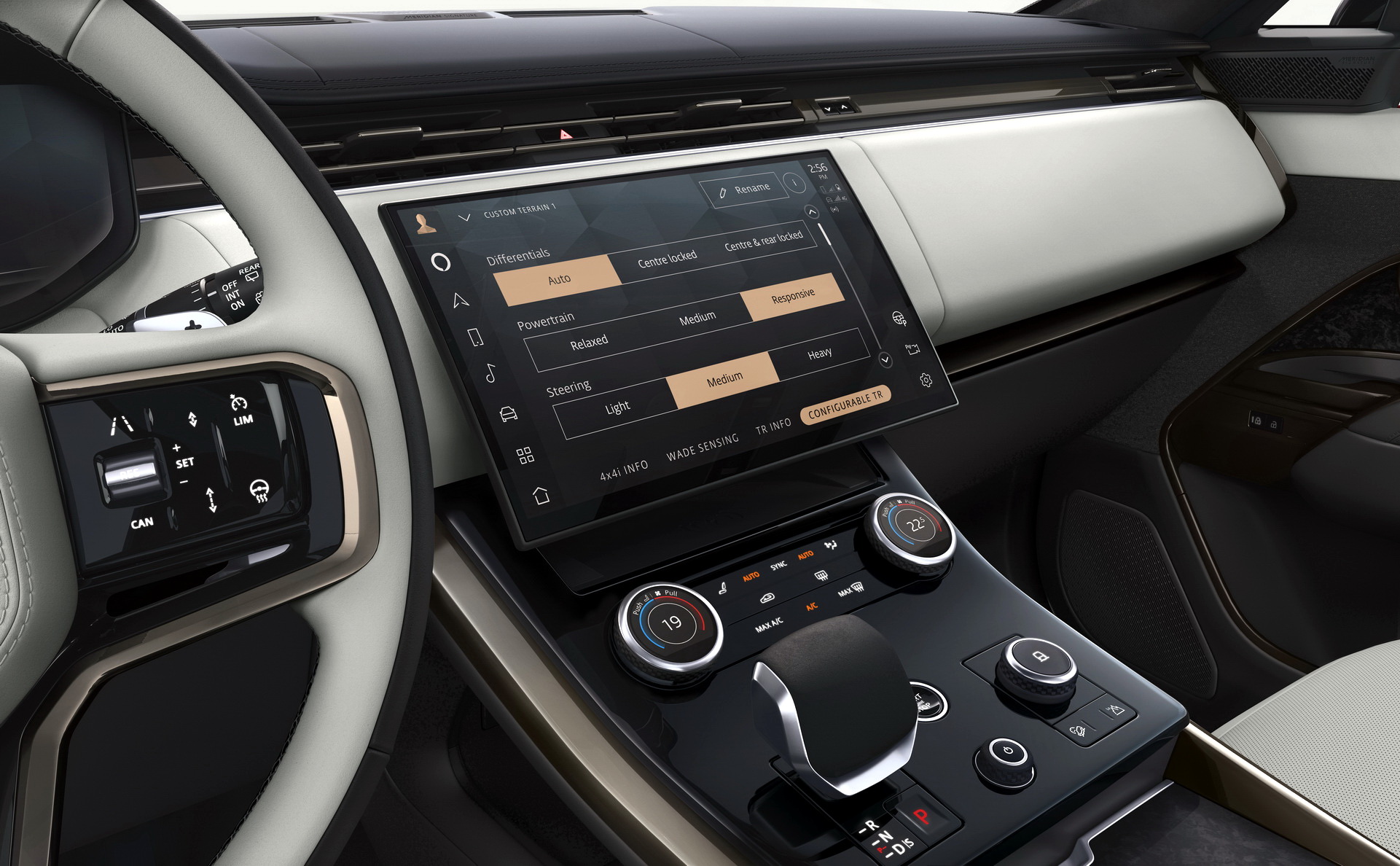
Typical premiums, claim limits and the catches
The cover is cheap relative to the risk it covers. UK key products typically cost around £10 to £35 a year, or roughly £20 to £30 as a motor-policy add-on. The limits are the part that decides whether it is worth it on a premium car. Which? puts typical cover limits at £100 to £2,500, and the comparison sites quote per-claim caps that often land around £1,500, usually with one or two claims a year permitted. Read the limit against a real premium-fob bill: a cap that comfortably covers a hatchback can fall short once dealer coding and a full lock recode are in the mix. Then there are the exclusions. “Reasonable care” wording lets an insurer decline a claim where keys were left on view or in the car. Theft claims need a crime reference number. Wear and tear is excluded. None of these are unusual, but on a four-figure exposure they are worth reading before, not after, you lose the key.
What you pay versus the typical premium-fob bill
| What key cover typically includes | Indicative cost without cover | Already covered elsewhere? |
|---|---|---|
| Replacement OEM key / fob | From ~£300, premium keyless often £600 to £1,000-plus | Sometimes on comprehensive motor or home contents |
| Cutting, transponder coding to immobiliser | Included in the above; dealer labour is the bulk of it | Only if your policy pays the full coded-key bill, not a blank |
| Lock repair, reprogramming or replacement after theft | £100s on top, model dependent | Which? notes key cover pays for replacement locks |
| Locksmith / manufacturer attendance fee | Call-out plus labour | Rarely separate on a standard policy |
| Transport home / limited car hire | Tow plus hire day rate | Possibly via breakdown cover, check the wording |
| Annual cost of the cover itself | ~£10 to £35 standalone; ~£20 to £30 add-on | n/a |
That table is the whole decision in one view: the bill is real and skewed high on premium cars, the cover is cheap, and the only question is whether you already hold it. The same logic that makes owners shop specialist breakdown cover for a premium used car rather than a budget policy applies: on an expensive car, the cheap protection that prevents a four-figure shock usually earns its place.
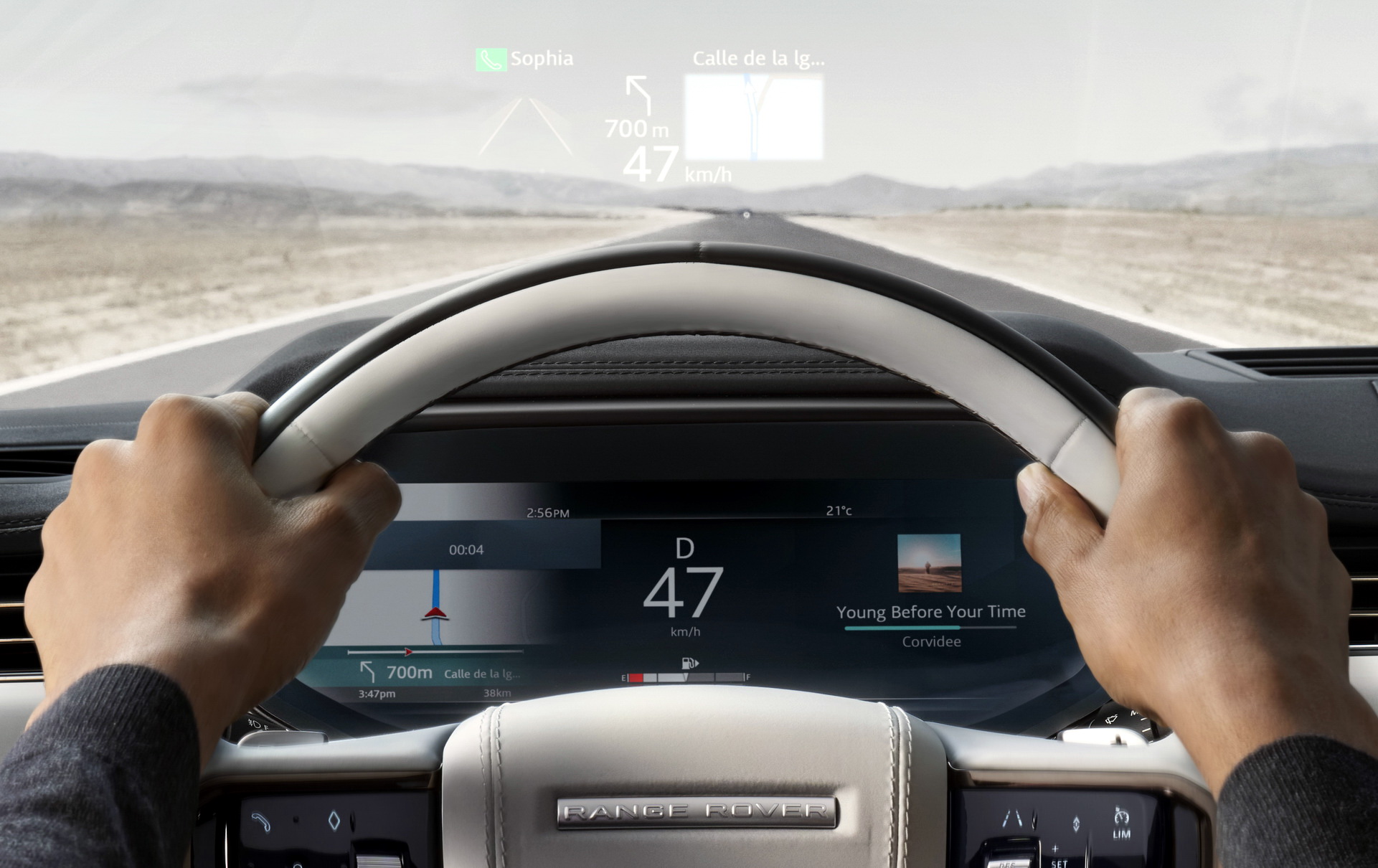
Who should buy it, and who can skip it
Buy it if your car has a keyless or display fob, you would feel a £600 to £1,000 bill, and your existing motor or home policy either excludes keys or only pays at the cost of your no-claims discount. Skip it if you already hold proper key cover on another policy, or if your car is older and cheaper to re-key. The honest test is whether the per-claim limit actually covers your specific fob: a £1,000 cap on a £400 hatchback key is generous, the same cap on a Range Rover key with a full lock recode can leave you short. Owners cross-shopping protection products often line key cover up next to aftermarket warranty; our look at Warranty Direct vs MotorEasy vs ALA cover applies the same read-the-limits-and-exclusions discipline.
How key loss fits the wider cost of premium ownership
A lost key is a small event with a premium-sized price tag, and it rarely arrives alone. The same buyer who is budgeting for higher insurance, agreed-value cover and a warranty is exactly the buyer for whom a four-figure key bill stings most. If you are still choosing a car, our guide to the best year Range Rover Sport L494 to buy used and the wider debate around agreed value versus market value cover both make the same point this one does: on a premium car, the cheap protections that cap a nasty surprise are usually the ones worth holding. For the full set of insurance angles, our car insurance section covers the add-ons that matter and the ones you can drop.
Our view on key cover for a premium car: buy it if your fob is keyless and your existing policies do not already cover keys, because the maths is lopsided in the owner’s favour. You are spending roughly £10 to £35 a year to cap a bill that starts near £300 and runs past £1,000 once dealer coding and a lock recode are added, and a dedicated policy does it without touching your no-claims discount. The one thing that flips the recommendation is duplication: if your comprehensive motor cover or home contents already pays for lost keys at a sensible limit, a separate add-on is money wasted. So the rule is simple. Read your current policy wording first, check the per-claim limit against a real quote for your exact key, and only then add cover. The boring paperwork, the limit that actually matches your fob and the no-claims protection are what make key cover worth it on a premium car, not the lowest headline price.
How much does it cost to replace a lost key on a premium car?
Is key cover worth it, or should I just claim on my car insurance?
What does standalone key cover actually pay for?
What are the common exclusions and claim limits?
Does my home insurance cover lost car keys?
Will claiming for a lost key affect my no-claims discount?
Buyer action
Where to check next
Use this as the final check before paying a deposit, signing finance paperwork or relying on a headline monthly figure.