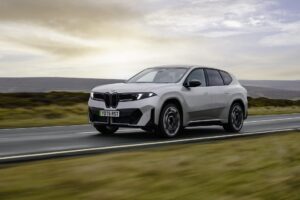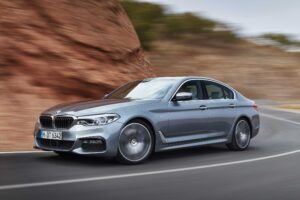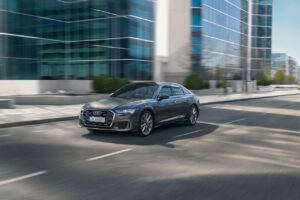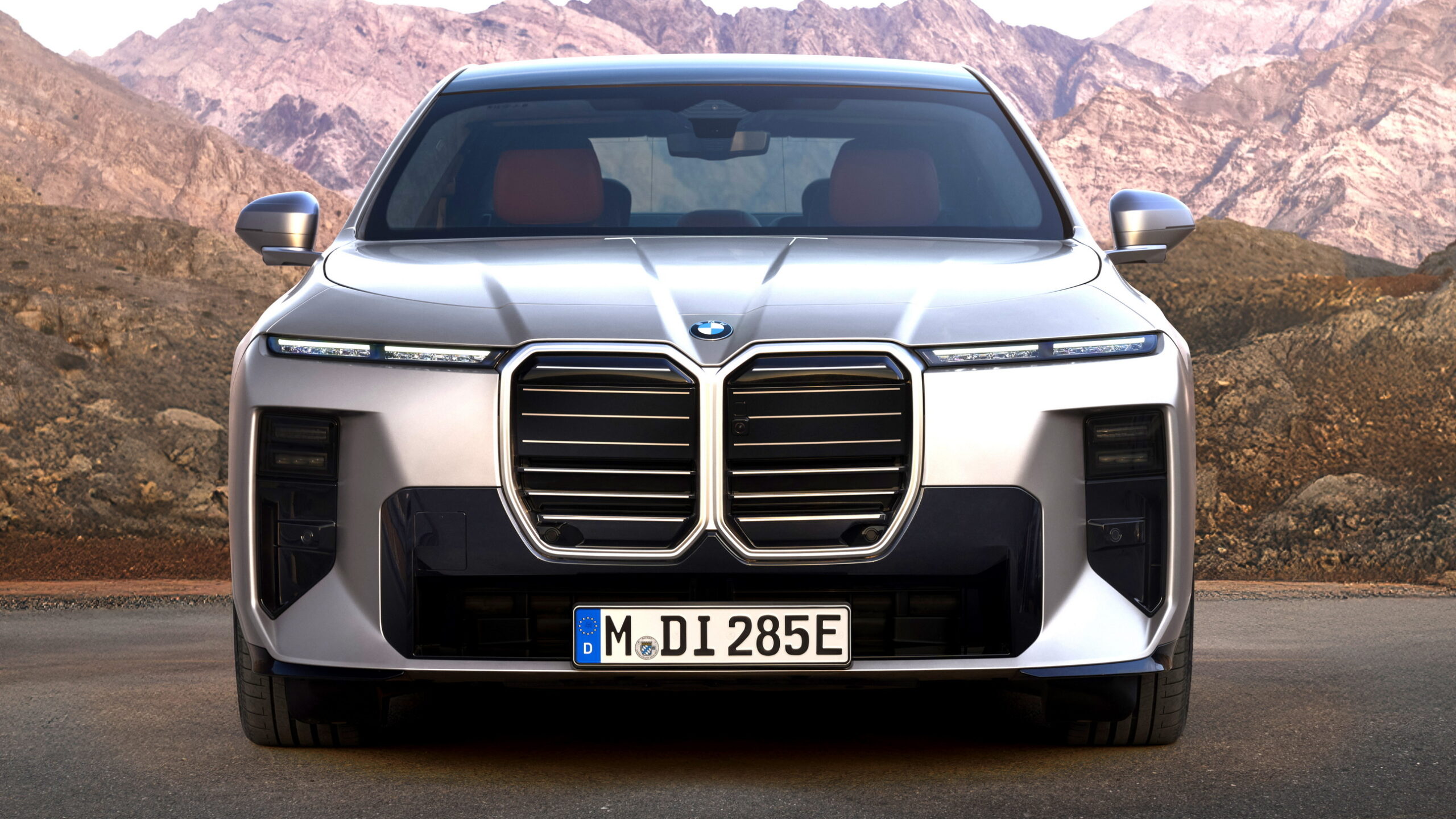
ADAS recalibration is the line on a premium windscreen bill that surprises owners most, because the glass is only half the job. On a modern BMW, Mercedes or Audi, the forward camera behind the screen feeds autonomous emergency braking, lane-keep assist and adaptive cruise, and it has to be aligned again before any of that works safely. Our view: budget for the calibration, not just the glass, and check whether your insurer’s glass cover pays for it before you book.
What real owners say (CDE data)
- Most-praised: insurer-approved fitters that complete glass plus calibration in one visit, transparent quotes that itemise the recalibration separately, and same-day static rigs at premium-brand specialists.
- Most-criticised: surprise calibration charges added after the glass quote, cars handed back with a warning light still lit, and dynamic calibration cancelled because of poor road markings or weather.
- Reliability signal: National Windscreens states that roughly 75% of camera-equipped cars need a workshop (static) calibration, and Thatcham Research’s requirements insist a competent technician produce an auditable calibration record. A car driven without that step can leave assistance systems misreading the road.
Why the camera behind your screen makes the bill bigger
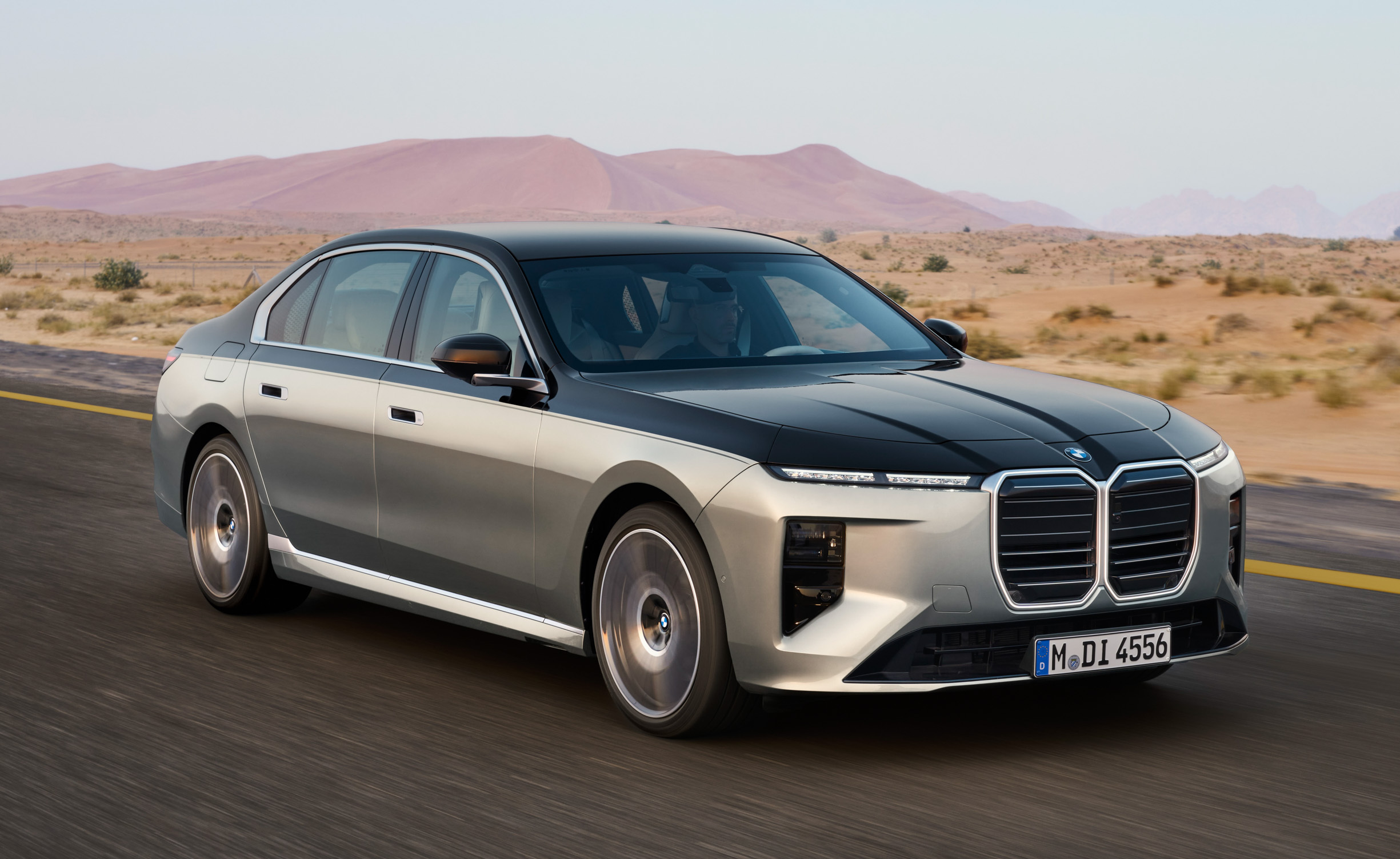
The reason a premium windscreen costs more than a decade-old equivalent is the cluster of sensors clipped to it. The forward-facing camera, and on some cars a rain or infrared module, sits in a bracket bonded to the glass, looking through a precisely defined optical zone. That single camera commonly drives the ADAS features DVSA now flags for UK drivers: autonomous emergency braking, lane-keep assist, adaptive cruise and traffic-sign recognition. When the glass comes out, the camera comes with it, and even a movement of a millimetre or two changes where the system thinks the road is. The glass providers are blunt about this: a camera that is fractionally off can brake late, nudge the wheel at the wrong moment, or read the wrong speed limit. That is why the screen on a 5 Series or an E-Class is not a like-for-like swap with a 2010 car, and why the workshop time is longer.
Static versus dynamic: what the workshop actually does
There are two calibration methods, and many premium cars need both. Static calibration happens in the workshop with the car stationary and a target board or pattern rig set at exact distances and heights in front of the camera; the technician plugs in a diagnostic tool and the camera learns its reference points. Dynamic calibration is a road drive at a set speed over a set distance, in decent weather and on well-marked roads, so the system can settle against real lane lines and signs. Autoglass describes recalibration as realigning the cameras and sensors so the driver-assist systems work as intended, and notes that the job sometimes requires driving the vehicle to finish. National Windscreens, which works to the Thatcham Insurance Industry Requirements, puts roughly 75% of camera cars in the static (workshop) bracket. In practice, a glass replacement plus recalibration on a premium car runs to around two hours, not the 40 minutes a simple screen swap used to take.
What ADAS recalibration actually costs in 2026
Here is the part the glass quote often hides. Auto Windscreens publishes its prices openly: a basic windscreen replacement starts at £199, a chip repair is £75, and ADAS calibration is listed at £175 on top (autowindscreens.co.uk, checked June 2026). That £175 is a useful anchor, but premium cars sit higher: the screen itself is dearer to source, some need both static and dynamic passes, and main-dealer or specialist labour is not cheap. The realistic range we would budget on a German or British luxury car is roughly £100 to £350 or more for the calibration alone, before the glass. The total tells the story: myWindscreen’s 2026 data puts the average replacement from the big national chains at about £659, ranging from £307 to £915 (mywindscreen.co.uk). On a complex premium screen with calibration, four figures is entirely normal.
| Item | Indicative 2026 cost | Source |
|---|---|---|
| Chip repair (no glass swap) | From £75 | Auto Windscreens published prices |
| Basic windscreen replacement | From £199 | Auto Windscreens published prices |
| ADAS calibration (added) | £175 listed; £100 to £350+ on premium | Auto Windscreens; CDE provider review |
| Replacement at national chains (average) | £659 (range £307 to £915) | myWindscreen 2026 data |
Does your insurance glass cover pay for it?
This is the question worth answering before you book. Most comprehensive policies include windscreen cover, and where calibration is a necessary part of a covered replacement, insurers generally treat it as part of the claim, provided you use an approved repairer. The catch is the glass excess: on a replacement that typically sits around £75 to £125, against a smaller £10 to £25 excess for a repair. So if your premium screen costs £750 all in and your glass excess is £115, you pay the excess and the insurer covers the rest, calibration included, but only if the fitter is on the approved network and can do both jobs. Go off-network and you risk paying the whole bill yourself. Our view: read your policy’s glass section, confirm calibration is not excluded, and check whether a glass claim affects your no-claims discount (on many policies it does not, but the renewal can still move). If you are weighing cover broadly, our guide to premium car insurance add-ons worth paying for covers where glass cover sits among the extras.
It is not only the windscreen that triggers it
Owners assume calibration is a glass-only event, but several other jobs can demand it. A four-wheel alignment, suspension or steering work, a bumper or grille repair where a front radar lives, towing-eye knocks, or anything that disturbs the camera bracket can all put the system out. Thatcham Research’s Insurance Industry Requirements, released in 2020 as the UK passed 4.5 million ADAS-equipped vehicles, require repairers to identify whether realignment and calibration are needed for a given job and to record the result (Thatcham Research). That is why a body shop quote on a premium car should itemise calibration where the work touches a sensor. If you run an EV on a scheme, the same logic feeds into the wider ownership picture we set out in our look at the hidden running costs of a salary sacrifice EV, where calibration sits alongside tyres and charging as a cost people forget.
How premium calibration sits next to your other running costs
A one-off recalibration charge feels steep in isolation, but it belongs in the same mental column as the other premium-ownership lines that bite hard and rarely. A set of staggered performance tyres can run to several hundred pounds a corner, as we set out in our breakdown of premium performance car tyre costs, and a main-dealer service is a different number again to an independent’s, which we compare in our piece on premium servicing at a main dealer versus an independent specialist. Insurance is the other heavy line: repair complexity is exactly why premium EV insurance quotes have climbed, since calibrated cameras and radar push up the cost of putting a damaged car right. Seen that way, a £200 to £350 calibration once every few years is a manageable part of the deal, as long as nobody skips it.
Where to check before you book the glass
A few minutes of checks save the nasty surprise on collection day. Work through these before you commit:
- Confirm your car has a windscreen camera (most premium models from the late 2010s do) and ask the fitter whether it needs static, dynamic or both.
- Ask for the calibration to be itemised on the quote, not bundled into a vague “fitting” figure.
- Read your insurer’s glass section: is calibration covered, what is the glass excess, and do you have to use the approved network.
- Check the repairer follows the Thatcham Insurance Industry Requirements and provides a calibration record you can keep.
- For an approved-used premium car still in warranty, ask the manufacturer dealer whether off-network glass work affects the warranty on assistance systems.
- If you want the regulatory backdrop, the DVSA position on assistance systems is summarised in our explainer on DVSA ADAS standards for UK drivers, and broader cover questions are in our car insurance section.
ADAS recalibration is not an optional upsell; it is the part that makes the safety kit on a premium car work after the glass is replaced, and skipping it is a genuine risk rather than a saving. Our view is simple: treat the calibration as part of the true cost of the screen, budget £100 to £350 or more for it on a German or British luxury car, and use an insurer-approved fitter who can do glass and calibration in one visit so nothing is left half done. The strongest position is an itemised quote, a Thatcham-compliant calibration record handed back, and a clear answer from your insurer on the glass excess before any work starts. Pay the excess, let the cover carry the rest, and do not let anyone hand the car back with a warning light still on. Boring paperwork and a working camera beat a cheap quote every time.