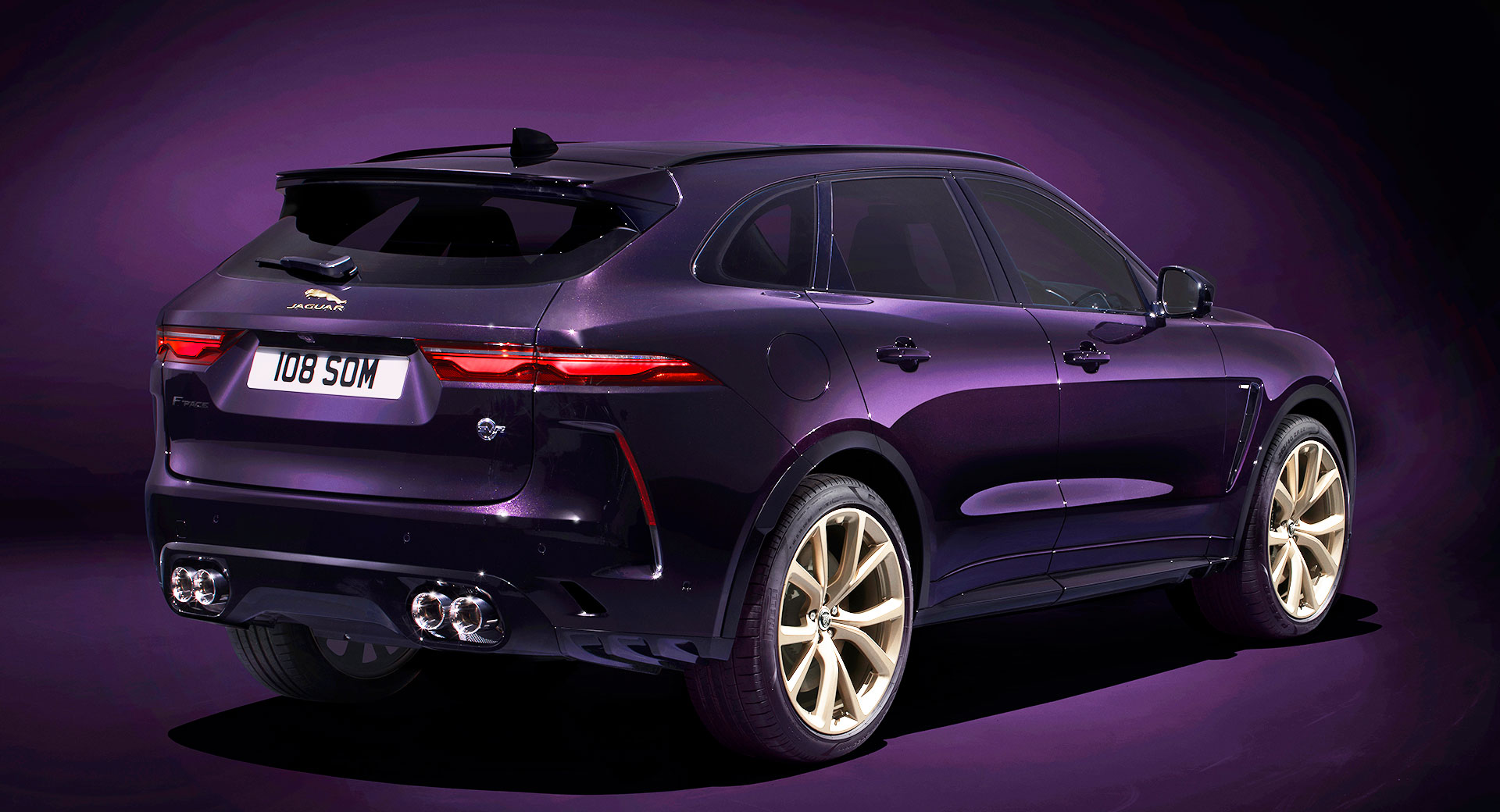
Your insurance excess on a premium car is the slice of any claim you pay before the insurer pays the rest, and on a £45,000 Jaguar or Mercedes that figure can quietly climb past £750 once a higher compulsory band stacks on top of the voluntary amount you chose to cut the premium. This guide separates the two, shows the maths on a real worked example, and gives our view on where a premium owner should actually set the dial in 2026.
What real owners say (CDE data)
CDE reviewed the Financial Ombudsman Service’s published complaint themes on motor claims alongside MoneyHelper and Association of British Insurers guidance, plus owner discussion on PistonHeads, in June 2026. We did not survey owners or invent a count; the patterns below are the recurring ones across those public sources.
- Most useful lever: owners repeatedly report that raising voluntary excess shaves the premium, with the biggest savings on higher-risk, higher-value cars where the insurer already loads the base rate.
- Most common regret: setting a voluntary excess so high it cannot realistically be paid after an at-fault prang, then finding small claims are not worth making at all.
- Recurring dispute signal: the Financial Ombudsman Service’s published decisions show claimants challenging how a total excess was applied, and disputes over glass and non-approved repairer excesses, rather than the existence of excess itself.
What insurance excess actually means on a premium policy
Excess is the first chunk of a claim you fund yourself; the insurer covers the rest. It splits into two parts that add together. MoneyHelper sets it out plainly: compulsory excess is fixed by the insurer and cannot be changed, while voluntary excess is the amount you choose to add on top. Both apply to the same claim, so the total you pay before any payout is compulsory plus voluntary. On a premium car this matters more than on a runabout, because the underlying repair bill is larger and the insurer’s loadings are steeper. According to the Association of British Insurers, the average comprehensive premium held at £560 in the first quarter of 2026, but that headline hides how much excess design shifts the real cost of owning a complex Jaguar, Mercedes or Audi.
Compulsory excess: the part your insurer sets and you cannot move
Compulsory excess is decided by the underwriter and reflects the risk they see in the car, the driver and the claim type. As Confused.com explains, young or inexperienced drivers usually carry a higher compulsory excess, and high-value or high-performance cars attract more again because parts and labour cost more to put right. Add a young or named driver to a Mercedes-AMG and the compulsory figure on that driver can jump. Specific compulsory excesses also attach to certain claim types: windscreen and glass damage carries its own excess, and using a non-approved repairer rather than the insurer’s approved network can trigger a higher excess or reduce what is paid. You do not get to negotiate any of this down; it is the floor of what you will pay on a claim. The only way to lower it is to change the risk picture, for example by being a more experienced sole driver, fitting an approved tracker, or choosing a less heavily loaded model.
Voluntary excess: the lever you pull to cut the premium
Voluntary excess is the amount you volunteer to add on top of the compulsory figure, and it is the one genuine dial you control at quote stage. The trade is simple: a higher voluntary excess signals to the insurer that you will absorb more of any claim, so the premium falls, but you pay that larger sum if you ever claim. MoneyHelper is blunt that increasing it reduces what you pay up front while increasing what you pay when something goes wrong. The mistake premium owners make is treating it purely as a discount slider. Set voluntary excess at a level you could write a cheque for the morning after an at-fault collision, not a number that looks good on the quote screen. If the figure is unaffordable in practice, you have effectively reduced your own cover, because you will hesitate to claim and may pay for repairs yourself anyway. Our view is that voluntary excess earns its keep only when the saving is real and the sum is one you can comfortably cover.
CDE worked example: a £750 total excess on a £45,000 car
Here is the maths we calculated to show how the two parts stack, using illustrative figures a premium owner would recognise. Take a £45,000 premium saloon with a £400 compulsory excess set by the insurer. Add a £350 voluntary excess you chose to bring the premium down. Make an at-fault claim and you pay £400 plus £350, a total of £750, before the insurer covers the rest of the repair. The premium trade-off runs the other way: dropping the voluntary part to £0 might lift your annual premium by, say, £60 to £90 on a policy of this size, while pushing it to £750 voluntary could shave a similar amount off but leave you facing £1,150 on the next claim. The figures below are illustrative assumptions, not a quote, but the structure is exactly how every UK comprehensive policy applies excess.
| Component | Amount | Who sets it |
|---|---|---|
| Compulsory excess | £400 | Insurer (fixed) |
| Voluntary excess | £350 | You (chosen at quote) |
| Total payable on an at-fault claim | £750 | Compulsory + voluntary |
| Windscreen/glass excess | Separate, often lower | Insurer (policy-specific) |
Why premium cars carry steeper excess loadings
The reason a premium car attracts a heavier excess sits in the claims data. The ABI reported that the average accidental damage claim rose to £3,699 in the first quarter of 2026, up 8% on the previous quarter, driven by pricier parts and the growing complexity of modern cars. A Jaguar F-Pace or Mercedes E-Class packs adaptive headlights, driver-assistance sensors and aluminium body panels, so a knock that would cost £900 on a hatchback can run into several thousand pounds. Insurers manage that exposure partly by setting a higher compulsory excess on these models, which is why a high-value policy can read very differently from a mainstream one. This is the same dynamic we cover in our look at how premium car insurance groups are explained, where the group rating already flags the repair cost the insurer expects. The practical lesson: on a premium car, never assume the excess matches what you paid on a previous, cheaper vehicle.
The specific excesses that catch premium owners out
Beyond the headline figure, premium policies hide several extra excesses worth reading for. Glass and windscreen claims usually carry their own excess, often lower than the main one, but it still applies and a heated, camera-equipped premium windscreen is expensive to replace. Adding a young or named driver can attach a separate, higher excess to claims involving that driver. Using a repairer outside the insurer’s approved network can mean a larger excess or a reduced payout, which matters if you insist on a marque specialist for your Jaguar or Mercedes. Confused.com notes these claim-specific excesses sit alongside the compulsory and voluntary figures rather than replacing them. We would always check the policy wording for the approved-repairer clause before signing, because a clean dealer-network repair is part of what protects a premium car’s value. If you want a marque specialist, confirm the excess penalty in writing first.
How excess interacts with your no-claims discount and add-ons
Excess and no-claims discount are separate levers that work together. Paying your excess does not protect your no-claims bonus; an at-fault claim still costs you the bonus unless you have bought protection, which is why our guide to no-claims discount protection on a premium car is worth reading alongside this one. Some owners reduce their effective excess through extras, and our breakdown of which premium car insurance add-ons are worth it covers excess-protection cover that refunds the amount after a successful claim. On a high-value car you should also weigh how excess sits against the basis of valuation, which we set out in agreed value versus market value cover. The point is that the excess number is one piece of a bigger structure; for cars above the £50,000 mark, our high-value car insurance guide walks through approved repairers and what to declare so the excess does not become the least of your worries.
Setting the dial: what a premium owner should choose in 2026
Pulling the levers together, the sensible approach on a premium car is to treat the compulsory excess as a fixed cost you cannot move, then set the voluntary part to a figure you could pay without flinching after an at-fault claim. For most premium owners that lands somewhere between £250 and £500 of voluntary excess, not the £750 or £1,000 the quote engine will happily offer for a slightly cheaper premium. Always check what the saving actually is: if dropping from £500 voluntary to £250 only adds £30 a year, the lower excess is the better deal because it keeps small claims viable. Range Rover and similar models are a special case where loadings run high; our piece on Range Rover insurance costs shows how the compulsory excess can dominate. Read every quote’s excess summary, not just the premium, before you commit.

Where to check the numbers before you buy cover
Before you price up cover, verify the figures against neutral sources rather than the comparison screen alone, and read the rest of our car insurance coverage for the wider policy picture. Use these checks:
- Read the MoneyHelper car insurance guide for the official, independent explanation of how excess and the rest of a policy work.
- Check the ABI motor insurance pages for current premium and claims-cost context so you know how repair inflation is moving.
- Confirm how complaints are handled at the Financial Ombudsman Service before you accept a policy, especially the excess and repairer clauses.
- Read each policy’s own excess summary and approved-repairer wording in full, not just the premium, and note the separate glass and young-driver excesses.
- If you run a high-value car, weigh agreed-value cover and declared modifications alongside the excess so the two are set as one decision.
This is general information, not personal financial, tax or legal advice; figures depend on your circumstances and the rates current when you read this. CDE has not independently driven or inspected every individual vehicle referenced. Always confirm current rates with the cited gov.uk, HMRC or FCA source before you commit.
Our view is that the insurance excess on a premium car is a cost to be managed deliberately, not a discount slider to max out. The compulsory part is the insurer’s call and reflects a real repair bill that, per the ABI, now averages £3,699 on an accidental damage claim; you cannot argue it down, so build your budget around it. The voluntary part is yours, and the discipline is to set it at a number you could pay the morning after a crash, typically £250 to £500 on a premium policy, while checking the saving is genuinely worth the extra exposure. We would walk away from any quote where a tempting premium hides a £1,000 voluntary excess you would never actually claim against, because that is cover in name only. The strongest position is the boring one: a modest, affordable voluntary excess, a clear understanding of the glass and approved-repairer clauses, and no-claims protection bought separately. Read the excess summary on every quote before the price.