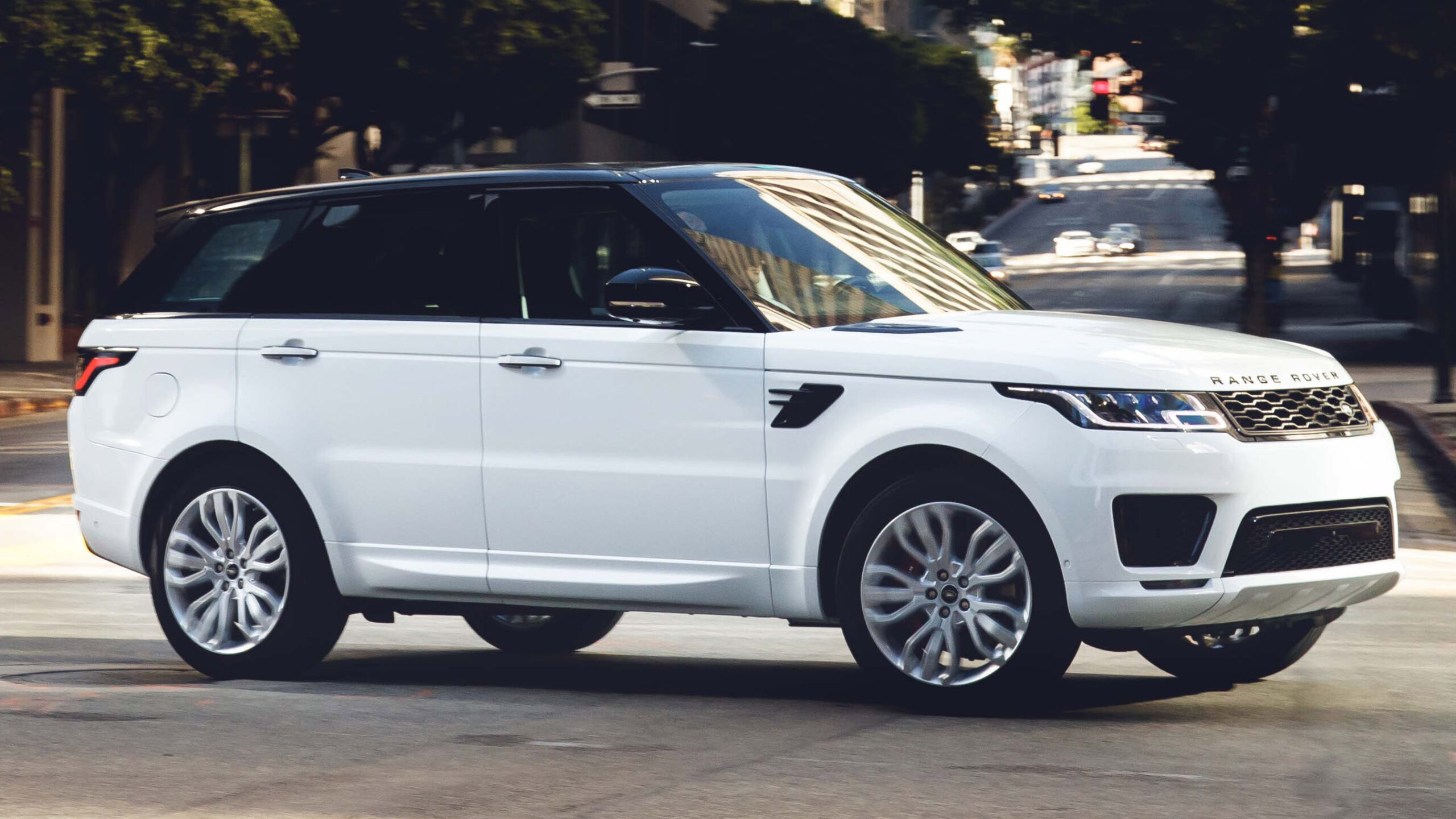
A Thatcham S5 tracker has quietly become the price of entry for insuring a premium SUV in 2026, and on a Range Rover or Range Rover Sport it is now more often a policy condition than a discount. Keyless relay theft has made these cars the most targeted vehicles on UK driveways, insurers have responded by mandating driver-recognition tracking, and the gap between a quotable premium and a flat refusal can come down to one approved device. Here is what the S5 standard actually does, why it matters for a theft-target car, and exactly what we would fit and check before you commit to cover.
What real owners say (CDE data)
- Most-praised aspects: the relief of finally securing cover after fitting an approved device, the speed of S5 control-room alerts, and the recovery record owners cite when a car does move without the tag.
- Most-criticised aspects: the cost and faff of professional installation, subscription fees that run for the life of the car, and London or metro postcodes where some insurers still decline regardless of security.
- Theft signal: owners of pre-update cars report relay and Body Control Module attacks; JLR says more than 70,000 older vehicles have now received the security update that closes the BCM method.
What a Thatcham S5 tracker is, and how S7 differs
Thatcham Research runs the vehicle-security category system UK insurers rely on, and S5 and S7 are its two modern tracking standards. The defining feature of S5 is Automatic Driver Recognition (ADR): the driver carries a small tag or phone credential, and if the car is moved without that ID present, a 24/7 control room is alerted automatically and recovery begins. S7 is the lighter standard, a self-monitored or app-based tracker without ADR, so any driver can move the car without triggering an alert. For a high-value theft target, that difference is the whole point. As approved provider Tracker explains in its Thatcham guide, S5 detects a theft as it begins rather than reporting it after the fact, which is why insurers of premium metal ask for it by name.
Why keyless theft made premium SUVs the prime target
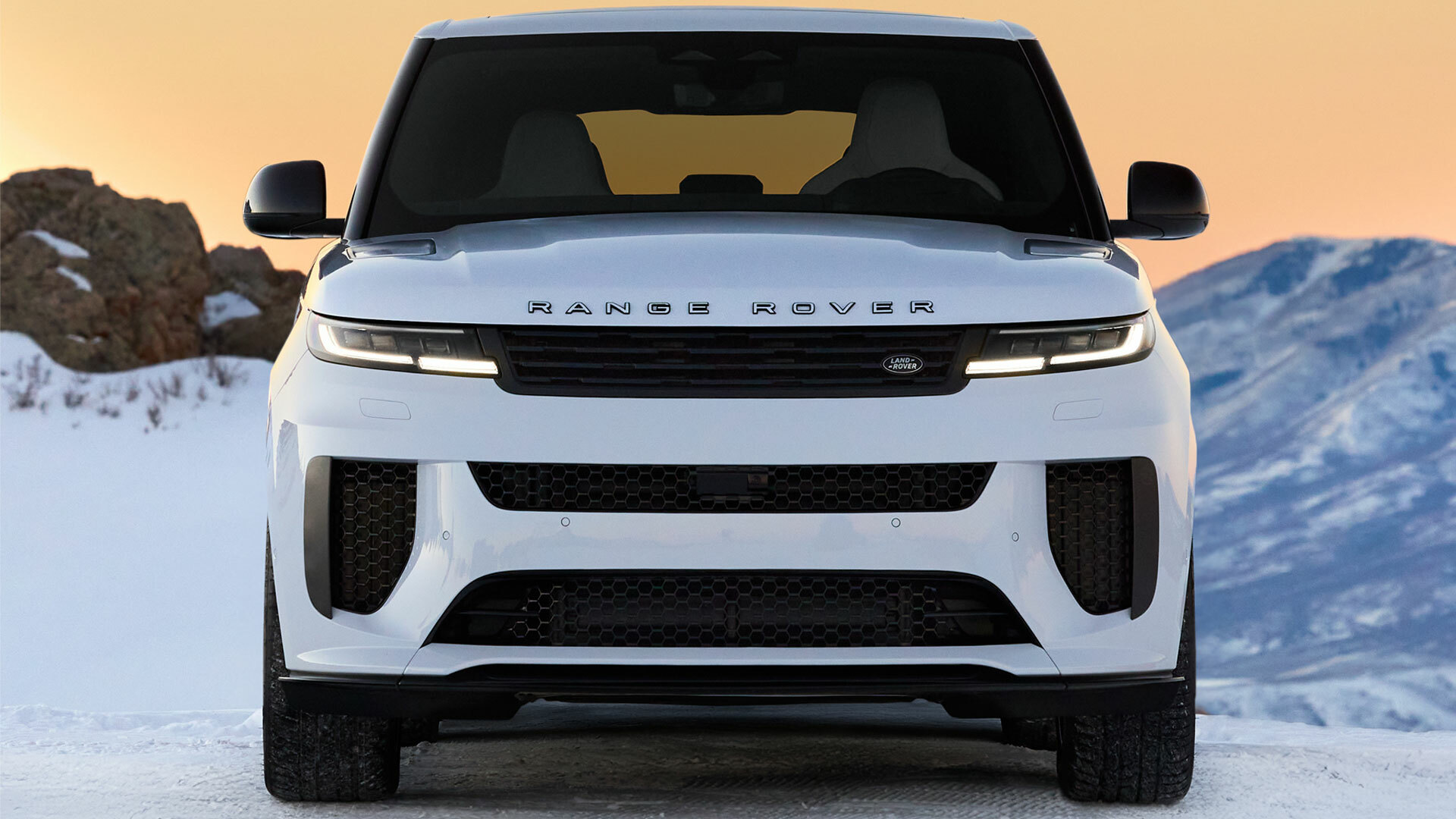
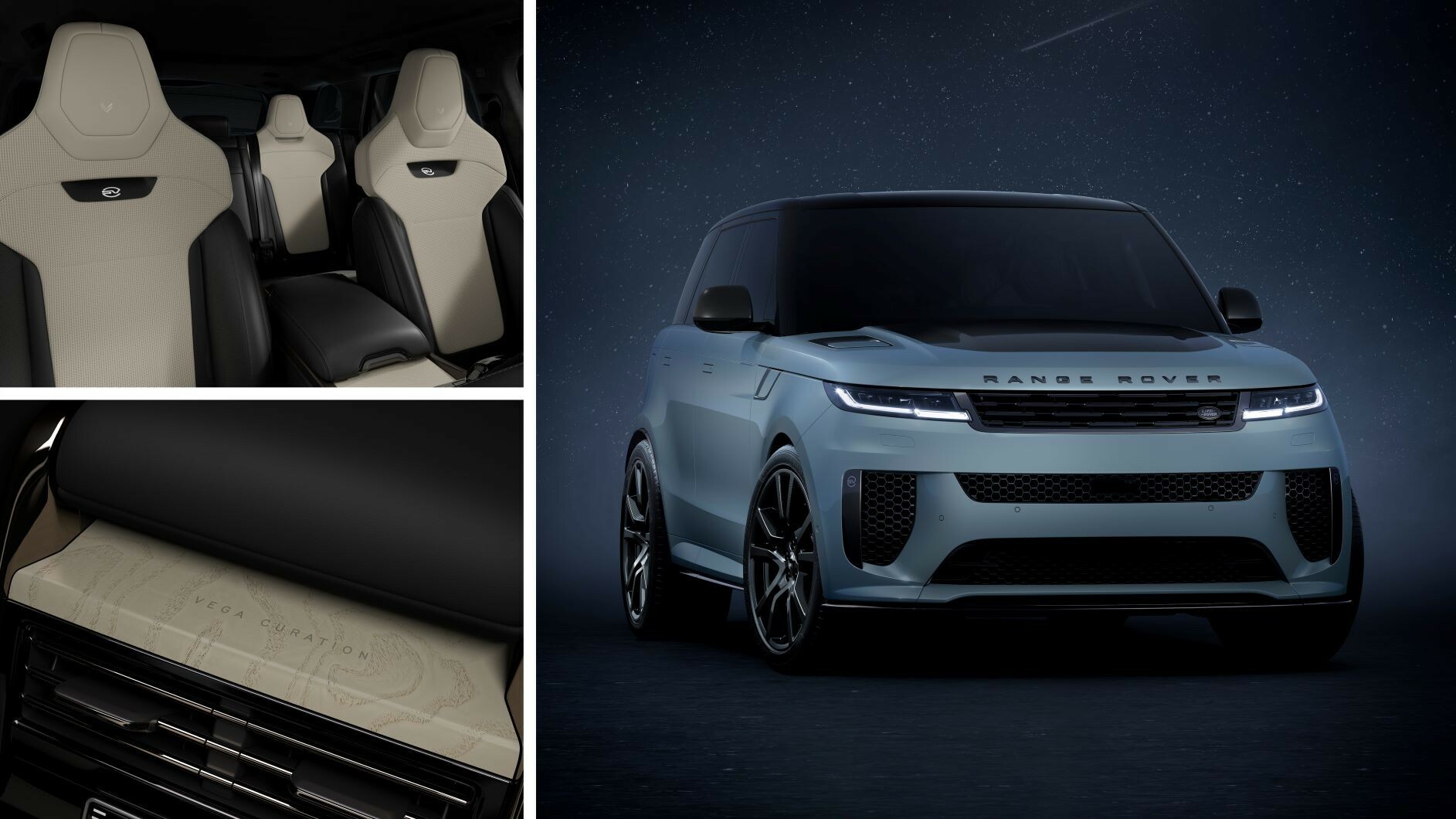
Keyless relay theft is the dominant vector on cars like these. Thieves use a pair of radio relays to capture and extend the signal from a key fob sitting inside the house, fooling the car into unlocking and starting in under a minute, with no broken glass and no forced entry. Range Rover and Range Rover Sport models became the headline victims because of their value and a known Body Control Module vulnerability that let criminals start the engine electronically. JLR confirmed it has invested £10 million in vehicle security and rolled the BCM fix out to more than 70,000 older UK vehicles since 2022, including cars out of warranty. The same release notes that of new Range Rovers registered since January 2022, only 9 of 12,200 were stolen, evidence the updates work, but older unpatched cars remain exposed.
What the theft numbers cost the insurance market
The scale of the problem is why premiums on these cars climbed. The Association of British Insurers reported record motor claims of £11.7 billion in 2024, with theft payouts reaching £669 million, up 23% on the £543 million paid in 2022, and the average theft-of-vehicle claim hitting a record £12,600. When a single stolen Range Rover can settle for far more than that average, insurers either load the premium heavily or insist on security that makes recovery likely. A mandated S5 tracker is the lever they pull, because a tracked car that is recovered is a smaller claim, or no claim at all. This is also why some insurers stopped offering standard cover on certain Range Rover models in high-theft postcodes unless specific security criteria are met.
How an approved tracker changes your premium
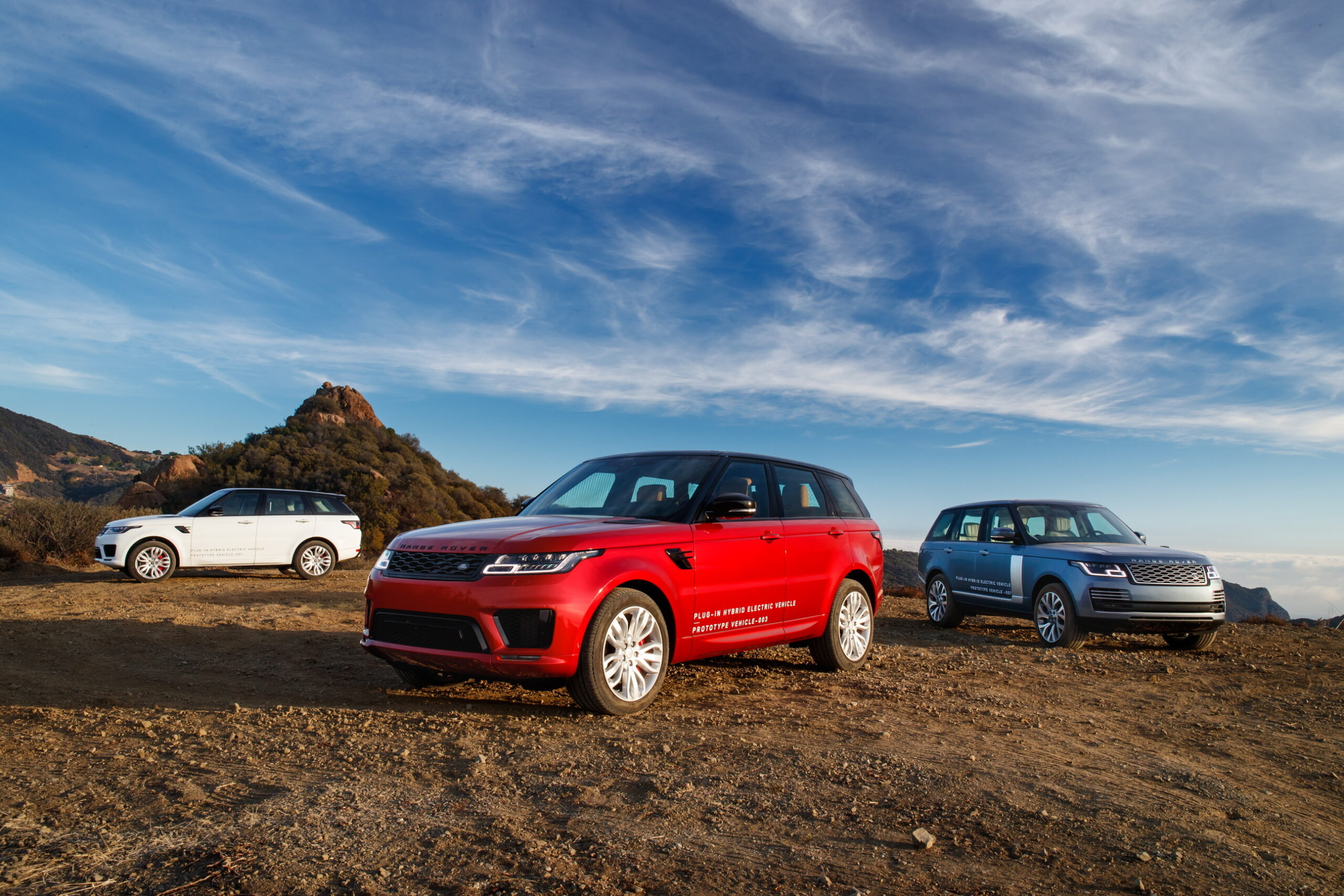
For a car the insurer classes as a theft target, the device is frequently not optional. Many premium policies now carry a condition that an approved S5 device is fitted, professionally installed, and kept on an active subscription, or the theft cover is void. Where it is not mandatory, fitting one can still bring a refusal back to a quotable premium and shave the loading on a car that would otherwise be priced as uninsurable. The flip side is honest cost: professional fitting plus an annual or lifetime subscription is a real outgoing, and the saving only lands if the insurer recognises the specific approved device. We cover the wider picture in our guide to Range Rover insurance costs in 2026, and the rules that bite hardest on expensive cars in our explainer on high-value car insurance over £50,000.
S5 versus S7: the features insurers actually check
Before you buy a device, match it to what your insurer’s policy wording demands. The table below sets out the practical differences. The single line that decides most premium policies is ADR, so confirm the wording before fitting.
| Feature | Thatcham S5 | Thatcham S7 |
|---|---|---|
| Automatic Driver Recognition (ADR) tag | Yes, alerts if moved without tag | No |
| 24/7 control-room monitoring | Yes | Yes |
| Detects theft as it begins | Yes | No, responds after the event |
| Typically mandated on high-value cars | Often a policy condition | Accepted as a baseline only |
| Professional installation required | Yes | Yes |
The defences worth layering alongside a tracker
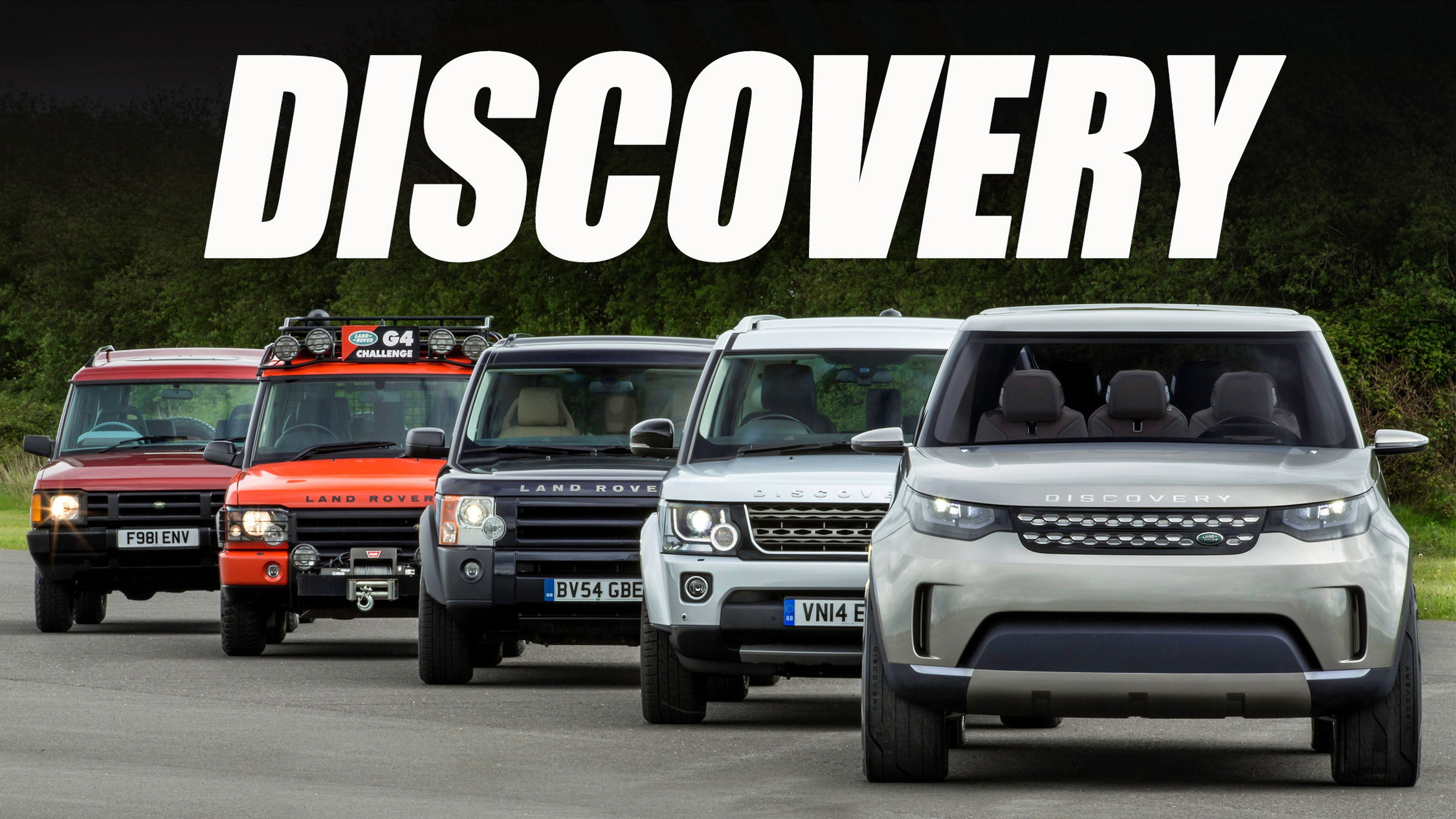
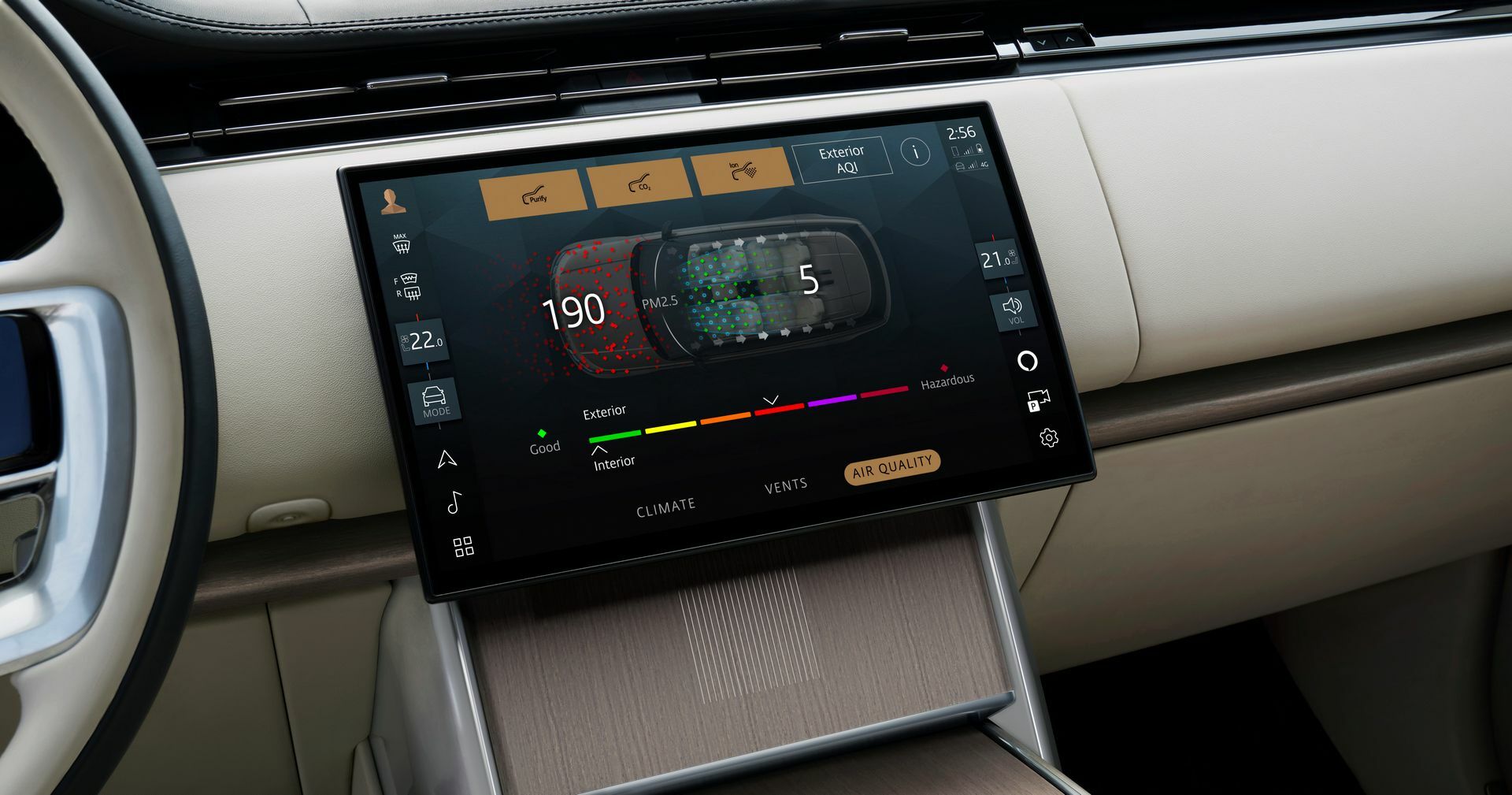
A tracker recovers a car; it does not stop the theft. The sensible approach is layered. Keep fobs in a Faraday pouch or signal-blocking tin to defeat relay attacks, and choose motion-sensing key fobs that go to sleep when still if your car offers them. An OBD port lock blocks the diagnostic-port programming route, a visible steering lock deters opportunists, and a Ghost-type immobiliser adds a PIN sequence before the engine will run. Secure off-street or gated parking remains the strongest single move, and insurers price it. If your Range Rover predates the JLR security update, booking that free update is the first call, not the last. For owners weighing whether to keep an older, higher-risk car at all, our look at Land Rover Discovery reliability and the running-cost reality in the Range Rover Sport L494 buyer’s guide are worth reading before renewal.
What to confirm with your insurer before you commit
Treat the policy wording as the spec sheet. Before you put down a deposit on cover, work through these checks so the device you fit is the device the insurer credits.
- Read the policy’s theft condition in full and confirm whether an S5 device is mandatory or merely rewarded; check the premium insurance add-ons that are worth paying for while you are in the wording.
- Ask the insurer to name the approved S5 trackers they accept, in writing, before you buy one.
- Confirm the device must be professionally installed and the subscription kept active for cover to stand.
- Check your Range Rover’s eligibility for the JLR security update with a franchised dealer using the gov.uk vehicle history and VIN.
- Verify any agreed-value terms and approved-repairer rules, then compare them against our agreed value versus market value guide and the wider car insurance section.
- If a claim is mishandled, the Financial Ombudsman Service is the free escalation route.
Our view: if you are buying a Range Rover or any premium theft target, treat a Thatcham S5 tracker as part of the purchase price, not an afterthought. On these cars the ADR tag is the feature insurers price around, and fitting an approved device before you arrange cover is what turns a refusal or a punitive loading into a workable premium. We would get the insurer to name the exact approved devices in writing first, book the JLR security update if the car is old enough to need it, and layer a Faraday pouch and secure parking on top. The risk that flips our recommendation is a metro postcode where cover is declined regardless: there, no tracker fixes the answer, and the honest move is to budget for a specialist insurer or reconsider the car. Boring, fully documented security beats a clever gadget every time.
Is a Thatcham S5 tracker a legal requirement?
What is the difference between an S5 and an S7 tracker?
Will fitting an approved tracker lower my premium?
Why are Range Rovers such a keyless theft target?
Do I still need a Faraday pouch if I have a tracker?
Can an insurer refuse to cover my Range Rover entirely?
Buyer action
Where to check next
Use this as the final check before paying a deposit, signing finance paperwork or relying on a headline monthly figure.