UPDATED · News · 17 Jun 2026 · Michael Harrison
VED for electric cars stopped being a non-issue on 1 April 2025, the day EVs lost their road-tax exemption, and from this April the rules tilt again in a way that quietly punishes the dearer models. The numbers come straight from the government’s own vehicle tax rate tables on gov.uk, confirmed by the RAC’s road-tax guide, and they are not complicated once you strip out the noise. What I want to do here is cut through it to the figures that actually land on your bill, separate what a private buyer pays from what a company-car driver feels, and flag the one threshold that turns a £200 charge into a £640 one.
What you need to know
- EVs lost their VED exemption on 1 April 2025: every electric car now pays road tax.
- New EVs registered from 1 April 2025: £10 in the first year, then the standard £200 a year from year two.
- The expensive-car supplement adds £440 a year for five years on cars with a list price over £50,000 (EVs) or £40,000 (petrol and diesel).
- A premium EV over £50,000 therefore pays around £640 a year in years two to six. Figures: gov.uk, checked 17 June 2026.
What actually changed on 1 April 2025
For years the pitch on an electric car included a freebie: no road tax. That ended. As the RAC puts it plainly, free road tax for EVs was abolished on 1 April 2025, and there is now no VED exemption for electric drivers. The justification is simple enough; with EVs heading for a third of new sales, the Treasury was not going to keep waving them through the tax gate forever. What matters for you is that the exemption is gone for everyone, including cars bought before the change, and the only question now is which band you fall into. The good news, such as it is, is that for most EVs the sums are still modest compared with a thirsty petrol equivalent.
What VED for electric cars costs a private buyer
Take a new electric car registered today. In its first year it pays a £10 showroom rate, the lowest first-year figure on the table, because zero emissions still buys you something. From the second year it joins the standard rate that almost every car pays, currently £200 a year. So a sensibly priced EV, a Volvo EX30, a base Tesla, a BYD, costs you a tenner up front and £200 a year thereafter, full stop. That is genuinely cheap motoring tax, and it is why I still tell people not to let the “EVs are taxed now” headlines spook them off a reasonably priced electric car. If you are weighing the wider bills, the road-tax line is the smallest of them; the insurance renewal on an EV will move your monthly figure far more than VED ever will.
The £50,000 line that catches premium EVs
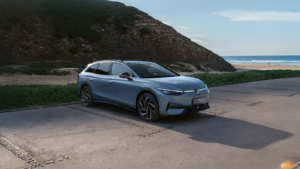
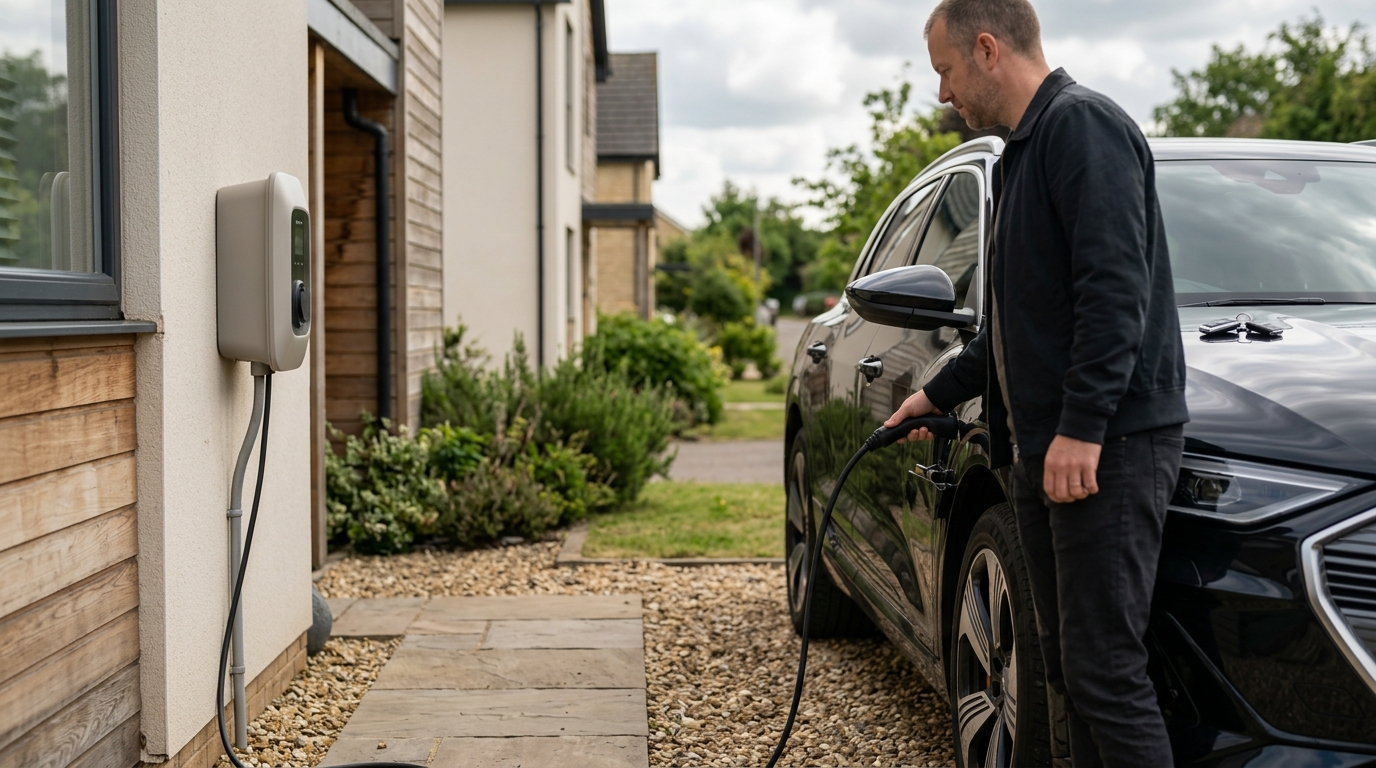
Here is the catch, and it is the part the brochures gloss over. On top of the standard rate sits the expensive-car supplement, an extra £440 a year that applies for five years from the second time the car is taxed. It bites on any car whose list price is over the threshold, and the threshold is where electric buyers need to pay attention. For petrol and diesel it stays at £40,000. For EVs, the government raised it to £50,000, a change set out in the November 2025 Budget and reflected in the current gov.uk rates. That sounds generous until you look at what premium electric cars actually cost. An Audi e-tron in its larger forms sails past £60,000; the A6 e-tron pictured here starts in the low £60,000s; a Polestar 4 on a salary-sacrifice scheme opens at £55,750. Every one of them is over the line. Add a few options and a mid-spec car you did not think of as a luxury purchase tips over £50,000 on its list price, which is the figure DVLA uses, not what you haggled the dealer down to.

The arithmetic is blunt. A dear EV pays the £200 standard rate plus the £440 supplement, so roughly £640 a year in years two through six, then drops back to £200. Over those five supplement years that is £2,200 of extra tax on top of the standard charge. By contrast a Volvo EX30 priced from the low £30,000s, or a Tesla Model Y kept under the threshold, never sees the supplement at all. When two cars sit either side of £50,000, the cheaper one can be £2,000-plus better off on road tax alone across the period you are likely to own it. That is a real number, and it is one of the few places where buying down a trim level genuinely saves money rather than just feeling virtuous.
Why company-car drivers feel this differently
This is where the company-car and private pictures split, and most explainers blur the two. If you buy or finance an EV in your own name, you pay VED directly to DVLA every year; the supplement lands on your renewal and you feel every pound of it. If you run the same car through a lease or a salary-sacrifice scheme, you usually do not pay VED separately at all. The leasing company is the registered keeper, it pays the tax, and it recovers the cost inside your monthly rental. The supplement does not disappear; it is baked into the figure your employer quotes, spread across the term. So a company-car driver should not assume road tax is “free” on a sal-sac car, but they also should not lose sleep over the £640 line, because it is already inside the price they agreed. The bigger lever for a salaried driver remains the benefit-in-kind rate, not VED, which is why the salary-sacrifice maths on an executive EV still stacks up even on a car well over £50,000.
What I would not do is treat the supplement as a reason to dismiss a premium EV out of hand. On a private purchase it matters, on a sal-sac car it is largely absorbed, and either way it is dwarfed by depreciation, which is the real cost of a £60,000 electric saloon. The three-year depreciation on a used Audi e-tron GT tells you where the money actually goes, and it is not the tax disc.
The bits that trip people up
Two things catch people out. First, the supplement is keyed to the manufacturer’s list price including factory options, not the discounted price you paid, so check the published list price before you assume you are under £50,000. Second, the supplement runs from the second time the car is taxed and lasts five years, so a used premium EV bought at three years old may still have supplement years left to run, and that liability passes to you as the new keeper. If you are buying used, the safe move is to look the exact car up on the gov.uk vehicle tax tables by its registration date and list price rather than trusting a dealer’s summary. For the policy detail behind all this, the House of Commons Library keeps a readable briefing on VED that sets out how the bands were changed and why.

The number I would actually watch before signing
If it were my money, I would do one calculation before signing for any electric car near the £50,000 mark. I would find the official list price, options included, and check whether it clears the threshold, because the difference between £49,900 and £50,100 is £2,200 of road tax over five years for the sake of a couple of hundred pounds of trim. On a private purchase that is worth engineering around: drop an option pack, or pick the trim that keeps you under the line, and you keep the supplement off your renewal entirely. On a salary-sacrifice or lease deal I would worry about it far less, because it is already inside the monthly figure and the running-cost picture is dominated by other things. VED for electric cars is no longer free, but for a sensibly priced EV it is still small change; it is only the badge-conscious end of the market, the cars over £50,000, where the road-tax line is worth designing your order around. Look it up, do the sum once, and you will never be surprised by a £640 renewal.
Updated 17 June 2026. Tax figures are taken from gov.uk’s vehicle tax rate tables and were checked on the date of writing; always confirm the rate for your exact car and registration date on gov.uk before you buy.
Buyer action
Where to check next
Use this as the final check before paying a deposit, signing finance paperwork or relying on a headline monthly figure.