News · 21 Jun 2026 · Michael Harrison
The short version
- Kia’s live UK pricing now opens the EV3 at £31,555 for the Air, £37,955 for the GT-Line and £43,055 for the GT-Line S, each with the £1,500 Electric Car Grant already deducted (kia.com/uk, checked 21 June 2026).
- Two batteries: a 58.3kWh Standard Range (Air only, around 267 miles WLTP) and an 81.4kWh Long Range rated up to 375 miles. One 150kW (201bhp) front motor across the range.
- As a fully electric company car it sits in the 4% benefit-in-kind band for 2026/27, rising to 5%, 7% and 9% by 2029/30 (HMRC, 30 October 2024).
- On a roughly £39,500 list price, a 40% taxpayer faces about £53 a month in company-car tax. A comparable petrol SUV in the 30%-plus bands costs several times that.
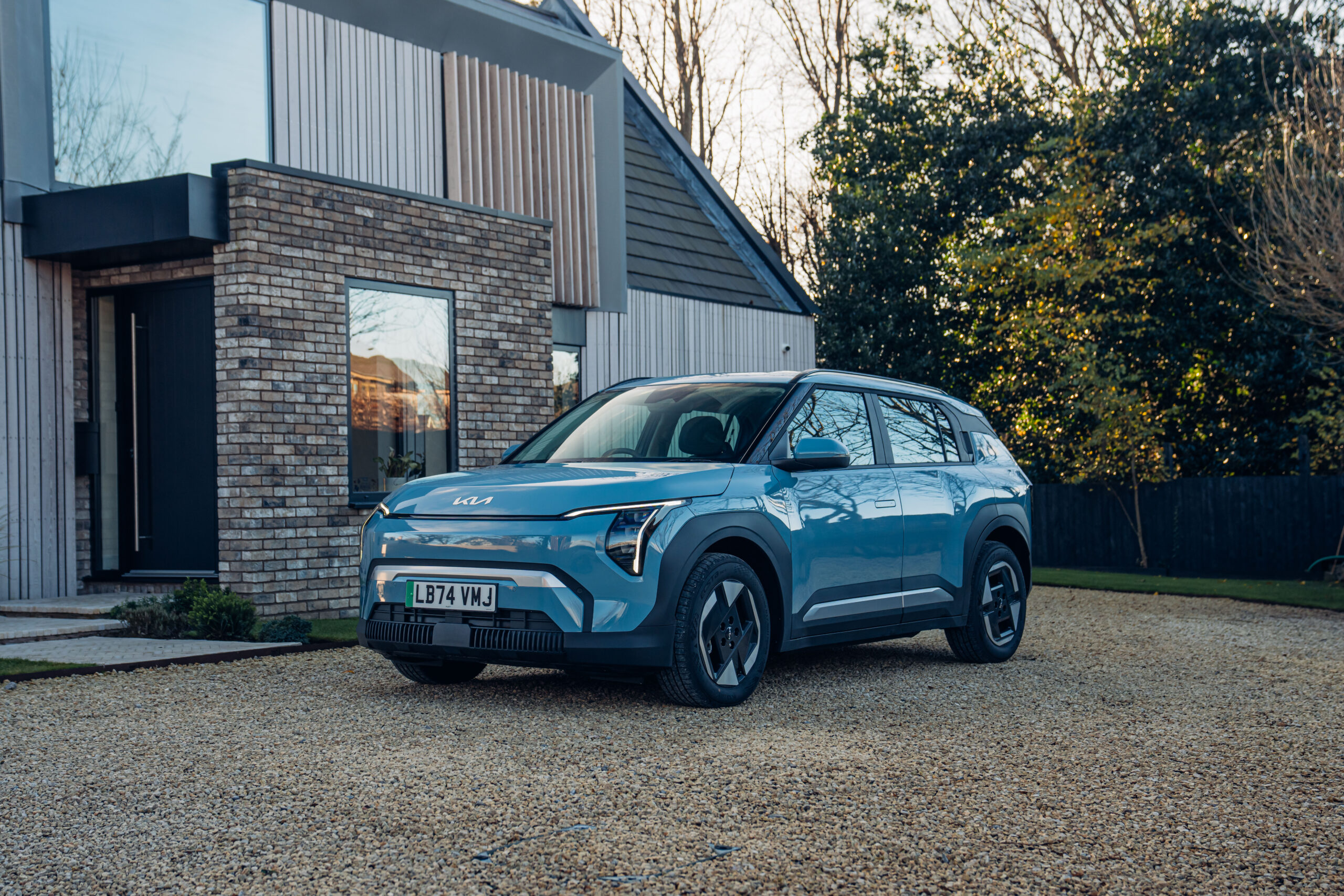
The Kia EV3 salary sacrifice case sharpened this month, and it is the price that did it. Kia’s live UK configurator now starts the EV3 at £31,555 with the £1,500 Electric Car Grant baked in (kia.com/uk, checked 21 June 2026), which drops a 375-mile electric SUV into a band of company-car tax a petrol rival simply cannot reach. Strip away the showroom noise and one number carries the whole story: 4%. That is the slice of the car’s value an EV company-car driver is taxed on this year, and it is why the EV3 has quietly become one of the most sensible things a basic or higher-rate taxpayer can put through a workplace scheme.
What Kia actually charges in June 2026
Forget the launch figures that still float around older reviews. The relevant prices are the ones on Kia’s own UK configurator today, and they already reflect the government’s Electric Car Grant of £1,500 on selected derivatives. Here is the range as it stands.
| Trim | Battery | OTR price (incl. £1,500 grant) | WLTP range | Power / drive |
|---|---|---|---|---|
| EV3 Air (Standard Range) | 58.3kWh | £31,555 | around 267 miles | 150kW (201bhp), FWD |
| EV3 Air (Long Range) | 81.4kWh | from c. £34,555 | up to 375 miles | 150kW (201bhp), FWD |
| EV3 GT-Line (Long Range) | 81.4kWh | £37,955 | around 347 miles | 150kW (201bhp), FWD |
| EV3 GT-Line S (Long Range) | 81.4kWh | £43,055 | around 347 miles | 150kW (201bhp), FWD |
The detail that matters for a company-car driver is the spread. The Air Long Range, in the mid-£34,000s, gives you the full 375-mile battery without the styling tax of the GT-Line trims. The GT-Line and GT-Line S add kit and 19-inch wheels but shave real range and lift the list price, which feeds straight into the figure HMRC taxes you on. For a scheme car, the cheaper, longer-legged Air is usually the cleverer pick, and it undercuts most of what Kia’s German rivals charge for an equivalent electric SUV.
Why 4% rewrites the company-car maths
Company-car tax works on a simple sum: the car’s P11D value (broadly its list price), multiplied by an “appropriate percentage” set by the car’s emissions, multiplied by your marginal income-tax rate. For a zero-emission EV in 2026/27 that percentage is 4%, the figure HMRC legislated back in October 2024 and has since confirmed will climb gently to 5% in 2027/28, 7% in 2028/29 and 9% in 2029/30. You can read the bands in full in our guide to the 2026/27 company-car tax bands for electric and PHEV cars.

Put the EV3 through that sum. A GT-Line carries a list price of roughly £39,500 once you add the £1,500 the grant takes off the sticker. Four per cent of that is £1,580 of taxable benefit for the year. A basic-rate taxpayer hands over 20% of that, about £316 a year or £26 a month. A higher-rate taxpayer pays 40%, around £632 a year or £53 a month. The entry Air, on a list nearer £33,000, drops a 40% taxpayer’s bill to about £44 a month. These are illustrations, not quotes, and your scheme’s exact lease rate sits on top, but the benefit-in-kind charge is the part most people get wrong, and on an EV it is genuinely small.
At 4% benefit-in-kind, the annual company-car tax on a £39,500 electric SUV is roughly what a petrol equivalent costs a higher-rate driver in a single quarter.
That is the contrast that sells the EV3 to a fleet or a salary-sacrifice scheme. Salary sacrifice lets you give up gross pay to fund the car, so you save income tax and National Insurance on the amount sacrificed, then pay only that modest benefit-in-kind charge. The same logic underpins the rest of Kia’s electric line: see our numbers on the Kia EV6 on salary sacrifice and the seven-seat Kia EV9 company-car case. The EV3 simply brings the entry point down, which is where most scheme drivers actually shop.

Where it sits against the Scenic, Elroq and Puma Gen-E
The EV3 is not alone in the cut-price-electric-SUV aisle. Renault’s Scenic E-Tech, the Skoda Elroq and Ford’s Puma Gen-E are all chasing the same buyer, and on a scheme the deciding factors are list price, real range and how soon you can take delivery. The EV3’s 375-mile Long Range battery is the headline weapon here; few rivals at the money match it, and range is the figure that decides whether you can live with one charger. If you want the cheapest premium-feel option on payroll, the Volvo EX30 on salary sacrifice is the obvious cross-shop, though its recall history and smaller boot count against it for a family.
What none of the rivals can dodge is the same tax glide path. Every EV on this list enjoys the 4% band today and faces the same rise to 9% by the end of the decade. That is an argument for ordering sooner rather than later if you are weighing it up, because a four-year scheme started now spends most of its life on the lower rates. The one thing I would not do is chase a slightly bigger badge and a much bigger list price for the sake of it, since every extra thousand on the P11D quietly raises the bill for the whole term.

Kia EV3 salary sacrifice: the catches before you sign
Three. First, the £1,500 grant applies to selected derivatives, not automatically to every trim and option mix, so confirm it is on the exact car you configure. Second, the quoted WLTP range is a best case; a GT-Line on 19-inch wheels in a British winter will see meaningfully less, which matters if you have no home charger. Third, salary sacrifice has its own small print on what happens if you leave, go on long-term sick or hit the National Minimum Wage floor, and the running costs of charging and tyres do not vanish. We set those out in our piece on the hidden costs of a salary-sacrifice EV, and it is worth ten minutes before you commit four years.
The number that settles it
I keep coming back to that £53 a month. For a higher-rate taxpayer, that is the tax on a brand-new, 375-mile electric SUV, taken at source, with no deposit and no depreciation risk sitting on your shoulders. A petrol small SUV through the same scheme, taxed in the 30%-plus bands, costs you several times that for an objectively worse company car. If your employer runs a scheme and the EV3 fits your drive, the maths is not close. My only steer is to look hard at the Air Long Range before you reach for the GT-Line badge: you keep the full battery, you save on the list price, and you spend a little less every month of the contract for it. If you are still torn between a scheme and a personal deal, our breakdown of salary sacrifice versus a car allowance is the next thing to read.
Buyer action
Where to check next
Use this as the final check before paying a deposit, signing finance paperwork or relying on a headline monthly figure.