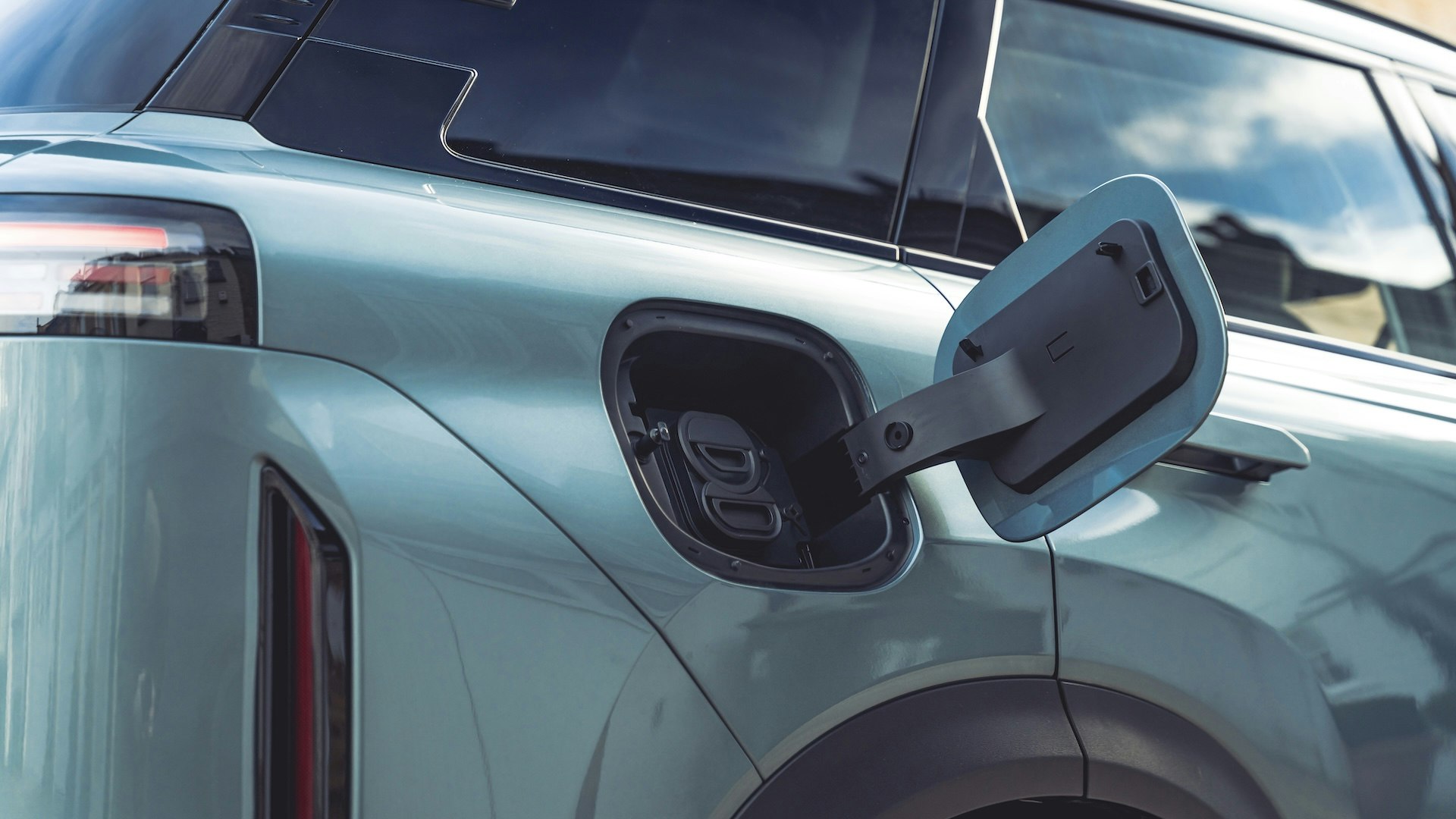
0% APR deal on Omoda 5 and Jaecoo 7 ends 30 June. Explore the risks and residual-value gamble before signing.
Zero per cent over four years on a brand barely two years old in Britain is not a discount — it’s a bet, and the question worth asking before 30 June is who’s actually holding the risk. That’s the deadline Carwow has detailed on Omoda and Jaecoo’s 0% APR PCP offer: every order has to be placed and accepted by 30 June 2026, across petrol, hybrid and electric variants. The headline rates are genuinely striking. The thing nobody selling you the car wants to dwell on is what these badges will be worth in 2030.
So let me do the unglamorous part of the job and work out where the 0% really helps — and where the low entry price is quietly handing you a gamble you might not have signed up for.
What’s actually on the table before the deadline (0% APR)
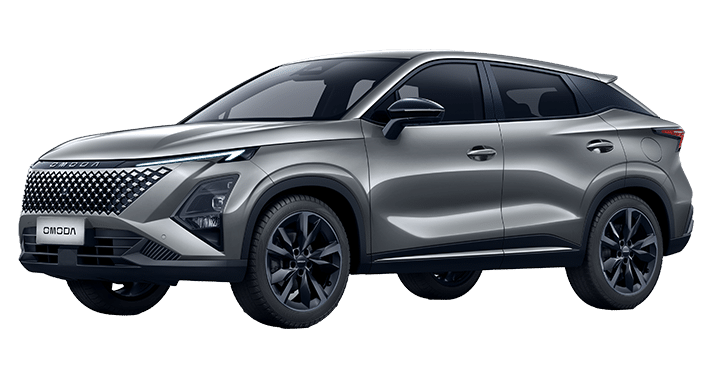
Start with the numbers, because they’re the reason these cars are suddenly on so many shortlists. The Omoda 5 petrol — a 1.6-litre turbo in Knight and Noble trim — opens at £24,040 on the road in the 0% PCP offer. Step up to the all-electric Omoda E5, with its 61kWh battery in the same Knight and Noble specs, and you’re looking at £33,065 OTR.
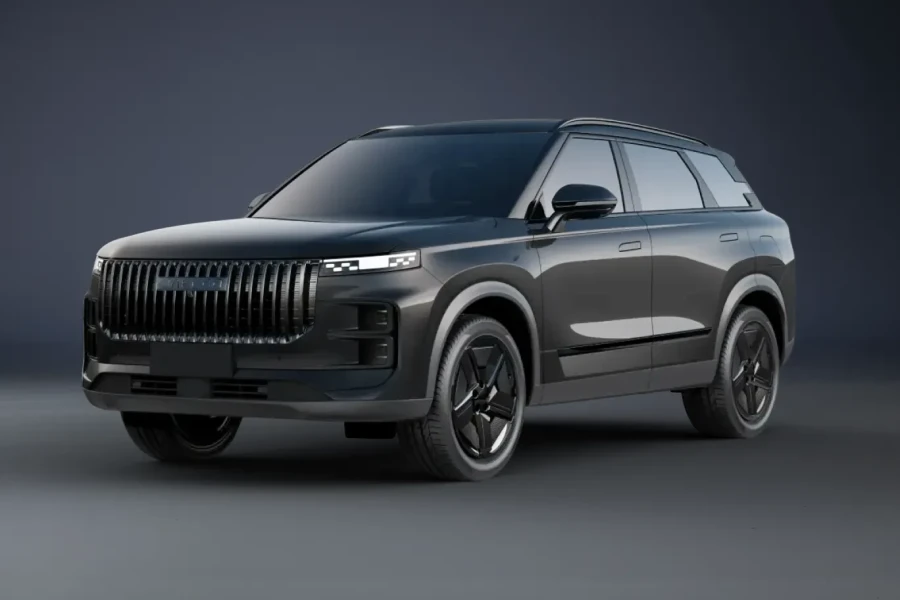
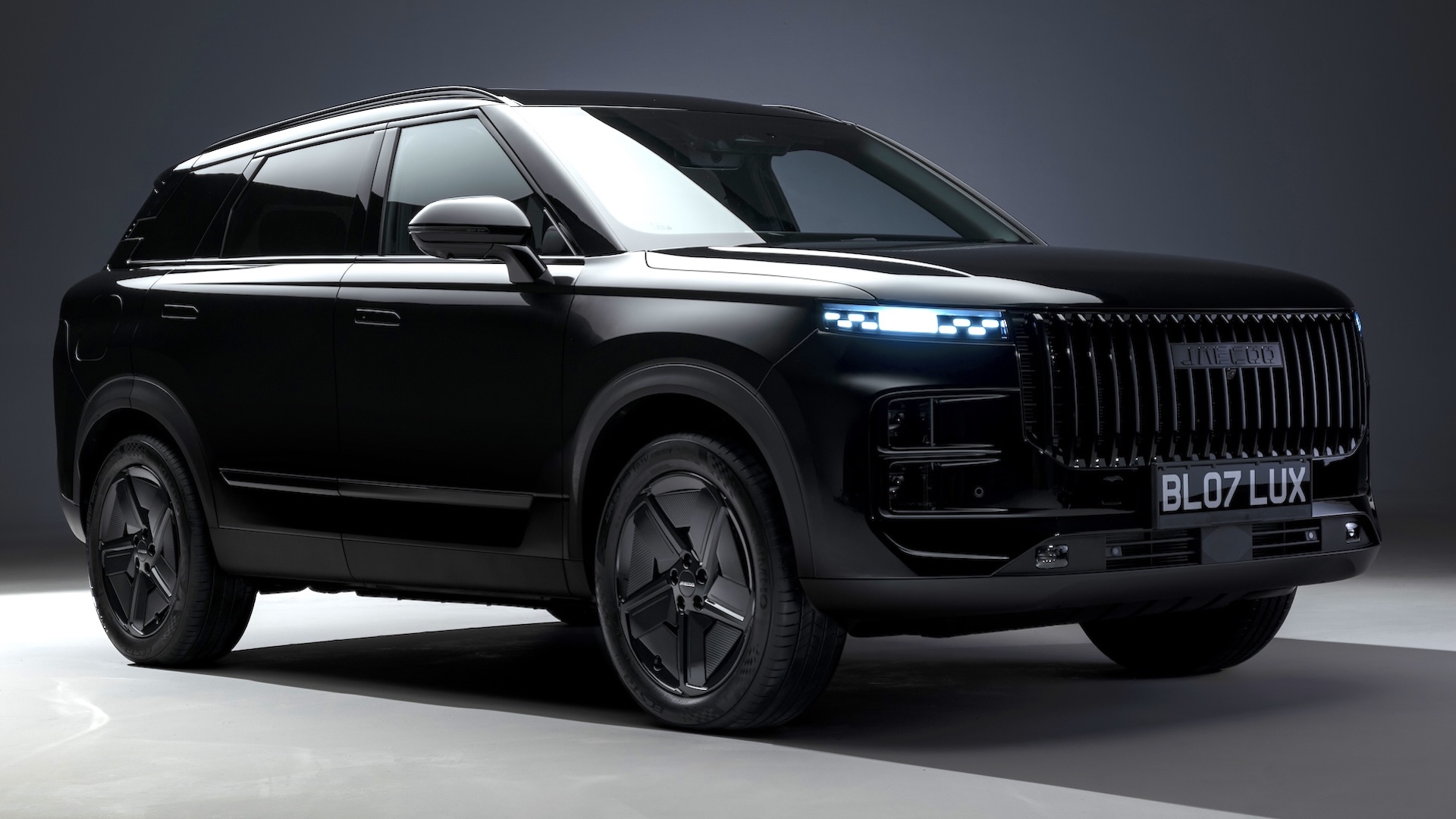
The Jaecoo 7 is the more interesting machine. The SHS-P plug-in hybrid pairs a 1.5-litre turbo petrol engine with an 18.4kWh battery for a claimed 56 miles of electric-only running, and starts at £35,170. The plusher Black Luxury sits at £36,505 OTR. On a representative PCP, Sandown’s Jaecoo dealer listing quotes the J7 PHEV Luxury at £369 a month and the Black Luxury at £379, both at 0% APR and both tied to that same 30 June 2026 cut-off.
| Variant (0% APR PCP) | On-the-road price | Representative monthly | The deciding factor for your money |
|---|---|---|---|
| Omoda 5 1.6T petrol (Knight/Noble) | £24,040 | Not quoted in the offer | Lowest way in, but 0% saves you the least in cash terms |
| Omoda E5 61kWh (Knight/Noble) | £33,065 | Not quoted in the offer | An unproven badge stacked on a volatile used-EV curve |
| Jaecoo 7 SHS-P PHEV Luxury | £35,170 | £369 | 56 miles of EV range; on hand-back the residual risk sits with the lender |
| Jaecoo 7 SHS-P Black Luxury | £36,505 | £379 | Plusher trim, same hand-back protection |
| Where I’d sign | Jaecoo 7 PHEV | from £369 | On PCP with a hand-back plan: the deal structure and the car’s job line up |
A near-£37,000 plug-in hybrid with a usable EV range for £379 a month and no interest is a sharp piece of pricing. I’m not going to pretend otherwise. But a monthly figure is only ever half the story on a PCP, and the half they print biggest is the half that matters least to your long-term money.
Where 0% APR genuinely earns its keep
Let’s be precise about what 0% APR does, because the phrase gets thrown around as if it’s free money. On a PCP, you pay a deposit, a run of monthly instalments, and then an optional final payment — the balloon, or guaranteed minimum future value — if you want to keep the car. The APR is the cost of borrowing across the deposit and the monthlies. At 0%, the total amount payable is, in effect, the cash price spread out. You are not subsidising the finance house’s margin through interest.
On a £35,000 car over a typical three-year term, that’s not a rounding error. Against a market where representative PCP rates have lately been sitting north of 7-9% APR, 0% can be worth several thousand pounds over the contract versus the same car financed conventionally. If you were buying one of these anyway, taking the interest-free money rather than paying cash is, on the maths, the disciplined move — your cash can earn more sitting in even a dull savings account than it saves you by clearing a 0% balance early.
That’s the genuine win, and it’s why the 30 June date has teeth. Miss it and you’re not just losing a promotion; you’re potentially swapping 0% for a rate that adds real money to an identical car.
On a PCP, the residual-value gamble isn’t automatically yours — it depends entirely on whether you hand the keys back or keep them. Most buyers never realise they get to choose which side of that bet they’re on.
The residual-value question everyone’s actually worried about
Here’s the part that keeps coming up, and it’s a fair worry: nobody knows what an Omoda 5 or a Jaecoo 7 will be worth in three or four years. These are new names from Chery, with no long UK track record, thin used-market data and a brand reputation still being built. Conventional wisdom says unproven badges depreciate hard. So is the low price a residual-value trap?
This is where the structure of a PCP changes the answer completely — and it’s the bit worth understanding before you sign anything. The guaranteed minimum future value is the finance company’s prediction of the car’s worth at the end of the term. If they’ve set it generously and the car depreciates faster than expected, that shortfall is their problem, not yours, provided you stay within the agreed mileage and hand it back in fair condition. You simply walk away. The residual risk has been transferred off your shoulders and onto the lender’s balance sheet.
Flip it around, though, and the gamble reappears. If you intend to keep the car at the end and pay that balloon, or — worse — you buy one of these outright for cash, then you own the depreciation in full. A steep, unproven resale curve is entirely your exposure. The same car, the same price, two completely different risk profiles depending on one decision: do you plan to give it back?
Petrol, hybrid or electric — which one survives the question best
If you’re financing on PCP and minded to hand back at the end, my instinct sits with the Jaecoo 7 PHEV. The £369-£379 monthlies are doing a lot of work for the money, 56 miles of EV range covers most commutes on cheap home electricity, and the residual risk is the lender’s to carry. It’s the variant where the deal structure and the car’s job actually line up.
The Omoda E5 is harder to call. Electric residuals across the whole market have been volatile, and stacking an unproven brand on top of an unproven used-EV curve is a lot of uncertainty — fine if you’re handing it back, genuinely risky if you’re buying to keep. The £24,040 Omoda 5 petrol is the lowest-commitment way in, but it’s also the one where 0% saves you the least in absolute terms, simply because there’s less to borrow.
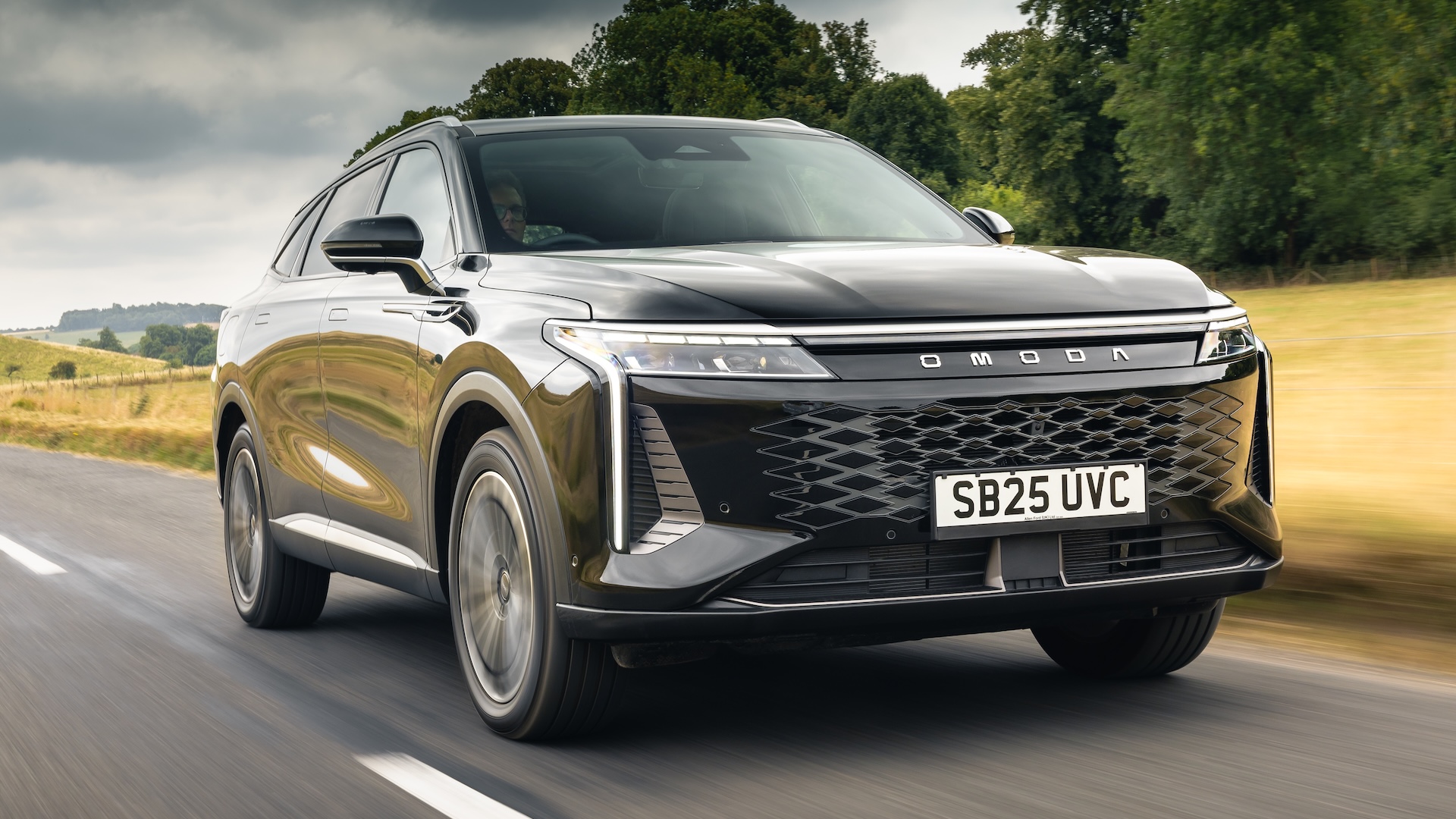
One practical note on the small print: these are manufacturer and dealer representative figures, all subject to status, and the usual PCP conditions on mileage and condition apply. As ever with finance, the deal that looks identical on a forecourt poster can differ once your deposit, term and annual mileage are plugged in, so get the full illustration in writing before the deadline rather than the monthly soundbite.
What would actually get me to sign before the 30th
I’d take this deal in one specific shape: the Jaecoo 7 PHEV, on PCP, with a clear-eyed plan to hand it back at the end of the term and let someone else own the residual question. In that configuration the 0% is real value, the car does a genuinely useful job, and the depreciation risk that everyone’s nervous about simply isn’t yours to carry. The deadline pressure is real, not marketing theatre — the interest-free money does expire on 30 June.
What would stop me cold is the opposite plan. If you’re tempted to pay cash, or you’re the sort who keeps cars for a decade and pays the balloon, then the low list price is exactly the trap it looks like, and I’d want years of used-market evidence these brands hold up before committing my own money to owning one outright. As Listers’ Jaecoo 7 listing makes plain, the offer is built around the monthly, not the keep-forever case — and that’s the tell. Sign for the use of the car, not the ownership of it, and the gamble stops being yours.
Buyer action
Where to check next
Use this as the final check before paying a deposit, signing finance paperwork or relying on a headline monthly figure.