Company car tax 2026 has quietly become the easiest money decision a UK employee can make, because the gap between an electric car and a petrol one has never been wider, and a plug-in hybrid trap is now dated to land in April 2028. From 6 April 2026 the benefit-in-kind rate on a fully electric company car rose to 4%, and I want to show you in hard pounds what that means next to a petrol saloon at five or six times the rate, and why anyone choosing a PHEV today as a long-term tax play is about to get a nasty surprise. The headline is simple: if you can charge, the electric company car is close to a giveaway on tax, and the numbers below are the proof.
How company-car tax actually works
Before the bands, the formula, because most people get taxed on a number they never see. Your company-car tax is the car’s P11D value (roughly its list price including VAT and delivery, minus the first registration fee and first-year road tax) multiplied by an appropriate percentage set by your CO2 emissions, multiplied by your marginal income-tax rate. So a £50,000 car on a 4% band gives a £2,000 taxable benefit, and a 40% taxpayer hands over £800 of that. The appropriate percentage is the lever the Treasury pulls, and it is where electric, hybrid and petrol cars now diverge enormously. Get the percentage wrong in your head and you can misjudge a monthly cost by hundreds of pounds, which is exactly why I always start a salary sacrifice versus car allowance conversation here.
Company car tax 2026: the electric bands from 4% to 9%
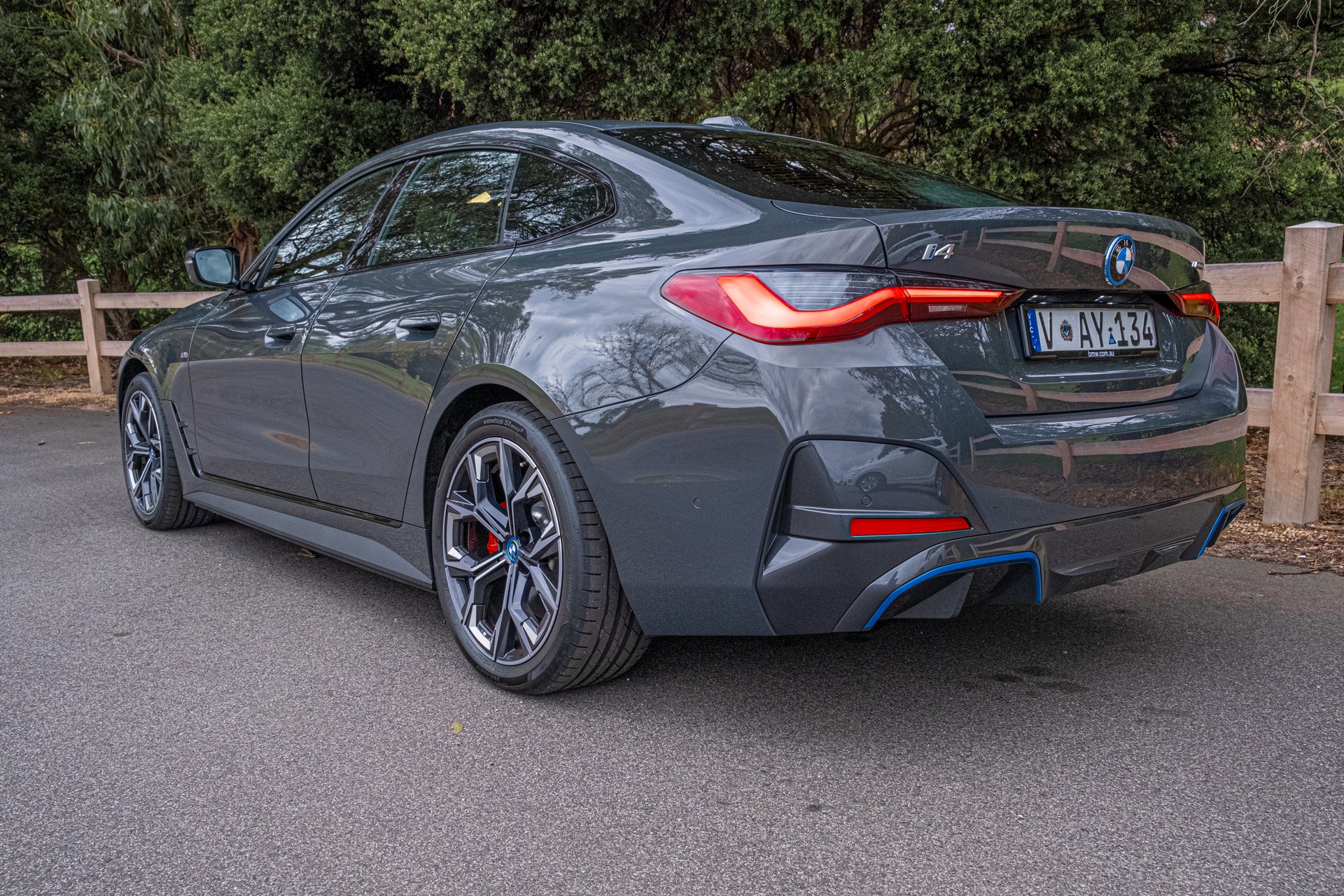
Per HMRC’s Employment Income Manual (EIM24705), the appropriate percentage for a zero-emission car runs 3% in 2025/26, 4% in 2026/27, 5% in 2027/28, 7% in 2028/29 and 9% in 2029/30. Even at the top of that schedule it is a rounding error next to a petrol car. Take a BMW i4 eDrive40, a real-world choice at a list price of about £51,370. At the 4% rate for 2026/27 that is a taxable benefit of roughly £2,055. A basic-rate employee pays 20% of that, about £411 a year or £34 a month; a higher-rate employee pays 40%, around £822 a year or £68 a month. Run the same car forward to the 9% band in 2029/30 and the higher-rate figure roughly doubles to about £154 a month, still trivial. That is the whole reason an electric car works so well through a scheme, and why the BMW i4 on a salary-sacrifice scheme has been one of the cars I point higher-rate taxpayers towards most often.
What that looks like against a petrol company car
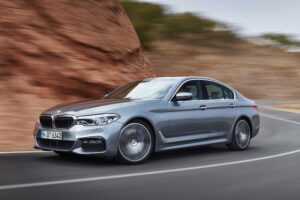
Now the comparison that makes people choke on their coffee. A petrol or diesel company car is taxed on a CO2 scale that climbs to a 37% cap, and a typical petrol executive saloon emitting around 150g/km sits somewhere in the low-to-mid 30s percent. Put a £50,000 petrol saloon at 33% and the taxable benefit is £16,500, on which a 40% taxpayer pays £6,600 a year, about £550 a month. Against the i4’s £68 a month, that is not a rounding difference, it is a different universe: the petrol driver is paying roughly eight times the tax for an equivalent car. I have run these numbers more times than I can count, and people still do not believe an electric company car can cost this little. The only honest reason left to take a petrol company car in 2026 is that you genuinely cannot charge one anywhere, and even then I would look hard at the Tesla Model 3 route first.
The plug-in hybrid trap arriving in April 2028
Here is the one that catches people out, and I want you to see it coming. Plug-in hybrids currently enjoy low benefit-in-kind rates based on their electric range, which has made them a popular middle path. That ends on 6 April 2028. Under the Autumn Budget 2025 changes, confirmed in HMRC’s company-car tax rates for 2028 to 2030, the most efficient PHEVs jump to an 18% appropriate percentage from 2028/29, up from 5% the year before, with the car’s zero-emission mileage dropped as a differentiator entirely. That is a hike of up to 13 percentage points overnight. On a £50,000 PHEV the benefit leaps from around £2,500 to £9,000, so a higher-rate taxpayer who was paying roughly £83 a month would suddenly pay about £300. If you are signing a three or four-year deal in 2026, that increase lands squarely inside your term. I am not saying never take a PHEV, but choose one for how you drive, not as a tax shelter, because the shelter has a demolition date. A car like the Porsche Cayenne E-Hybrid on company-car tax shows how quickly that benefit is narrowing, and the Ford Kuga PHEV’s running-cost maths tells the same story lower down the market.
Who each band actually suits
So who should pick what? If you can charge at home or work, an electric company car is the obvious call for almost everyone, basic and higher-rate alike, because 4% rising slowly to 9% is as close to free motoring on tax as the system allows. If you cannot charge reliably, a plug-in hybrid still makes sense for the next couple of years, but only if you are out of it before April 2028 or you accept the 18% band when it lands. A petrol or diesel company car only makes sense now for very high-mileage drivers with no charging access at all, and even then the sums rarely favour it once you add fuel. For most people weighing this up, the question is not electric versus petrol any more, it is which electric car, which is why I spend most of my time on cars like the larger BMW i5 on salary sacrifice rather than defending the combustion option.
Where I would put a company-car driver’s money
If you have charging and a company-car decision in front of you this year, I would take the electric car without hesitation and lock in the 4% rate while it is this low, because the schedule only climbs from here. The BMW i4 example above, £68 a month in tax for a higher-rate taxpayer against £550 for an equivalent petrol saloon, is the kind of gap that does not survive contact with a spreadsheet undefeated. I would actively avoid choosing a plug-in hybrid as a long-term tax play given the 18% cliff in April 2028, and I would only take petrol if charging is genuinely impossible for me. None of this is a personal recommendation or a finance offer, and your own figures depend on your P11D, your tax band and your scheme, so run your exact numbers before you sign. But the direction of travel could not be clearer: on company car tax 2026, electric is not just the green choice, it is by a distance the cheap one.
Buyer action
Where to check next
Use this as the final check before paying a deposit, signing finance paperwork or relying on a headline monthly figure.