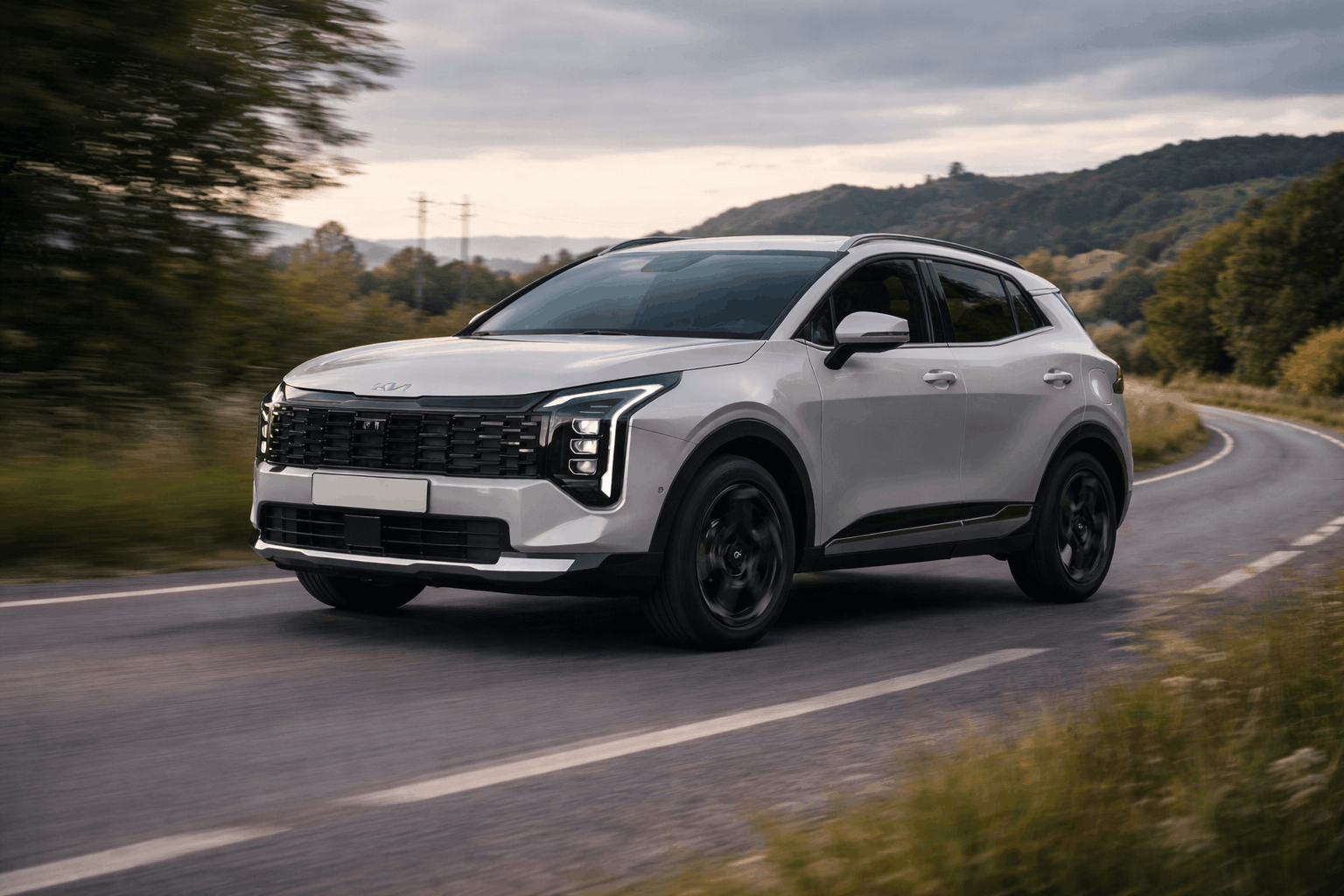
Hidden PCP balloon interest adds £6,600 to a Kia Sportage's cost. Compare HP vs PCP before signing.
Pay a Kia Sportage off on PCP at your local dealer’s headline rate and the real cost of owning it outright lands near £33,600 , on a car that lists from around £27,000. That gap doesn’t appear on the glossy quote, and it’s the figure I’d want circled in red before I signed anything. The numbers I’m working from come straight off Gravells Kia’s published Sportage PCP offer, representative for the 1 April to 30 June 2026 window, alongside Kia UK’s current retail terms.
Here’s the thing nobody on the forecourt is incentivised to spell out: Hire Purchase (HP) and Personal Contract Purchase (PCP) on the same Sportage are not two flavours of the same deal. They’re two different bets, and the one that looks cheaper every month is usually the one that costs you more in interest by the time the car is genuinely yours.
What the dealer quote actually shows you (PCP balloon interest)
Take the live worked example. Gravells lists a new 2026 Sportage on PCP at 5.9% APR representative: a £4,000 deposit, 36 monthly payments of £377.62, and an optional final payment , the balloon , of £16,032.66. That monthly figure is what gets pointed at. It’s comfortably under £380, it sounds manageable, and the deposit is the sort of money a part-exchange covers.
Now run the full sum, which the quote rarely totals for you in one line. Thirty-six payments of £377.62 is £13,594.32. Add the £4,000 deposit and you’re at £17,594.32 over three years , at which point you own nothing. To actually keep the car you then hand over the £16,032.66 balloon, taking the all-in cost of ownership to £33,626.98. That’s the number that matters if your plan is to drive the Sportage into its fifth, sixth, seventh year.
The reason it climbs so high is structural, not a trick. On PCP you’re financing , and paying interest on , almost the entire car for the whole term, including that £16,000-odd you’ve deferred to the very end. The low monthly is low precisely because you’ve parked a huge slug of the value in the balloon. You haven’t avoided that cost. You’ve postponed it, with the meter running.
One caveat before the figures do any more talking: that 5.9% is a representative APR as of June 2026, not a finance offer, and it is subject to status. Your own rate, deposit and monthly payment will depend on your circumstances and the lender’s checks, so treat everything here as worked examples for comparing structures rather than a quote with your name on it.
| On a new Kia Sportage | Hire Purchase (HP) | PCP |
|---|---|---|
| Deposit | £1,500 (Motorly typical) | £4,000 (Gravells example) |
| Monthly payment | £290–£330 over 60 months | £377.62 over 36 months |
| Representative APR | Typical market rate | 5.9% representative |
| Optional final (balloon) payment | None | £16,032.66 |
| Total cost to own | ~£18,900–£21,300 | £33,626.98 |
| Best for | Keepers who’ll own it outright | Buyers who change car every 3 years |
| Where I’d land | Winner if you’re keeping it | Winner only if you hand it back |
The cheap-looking monthly and the expensive-to-own total are the same fact viewed from opposite ends. PCP doesn’t shrink the bill , it reshapes when you face it.
Where HP quietly wins
Hire Purchase does the unglamorous thing: you borrow the lot, pay it down over the term, and at the end you own the car outright with no lump sum lurking. There’s no balloon, so there’s no interest accruing on a balloon. Motorly’s 2026 breakdown of Sportage finance puts typical HP at roughly £290–£330 a month over 60 months on a £1,500 deposit, against typical PCP of around £310–£450 a month over 48 months on a £2,000 deposit.
Stretch the HP example out and the appeal is obvious: at £330 a month for 60 months plus the £1,500 deposit, you’re looking at about £21,300 to own the car free and clear; at the £290 end, closer to £18,900. Those are Motorly’s typical 2026 ranges rather than a penny-exact quote on the identical trim and APR as the Gravells PCP example, so read them as the shape of the deal, not a signature-ready figure , and remember every rate quoted here is representative and subject to status. The direction of travel is not in dispute. Motorly’s own conclusion is the industry consensus: HP is cheaper overall if you keep the car, while PCP buys you a monthly payment that’s perhaps 30–40% lower , at the price of that balloon.
The Kia deposit contribution changes the maths , for some
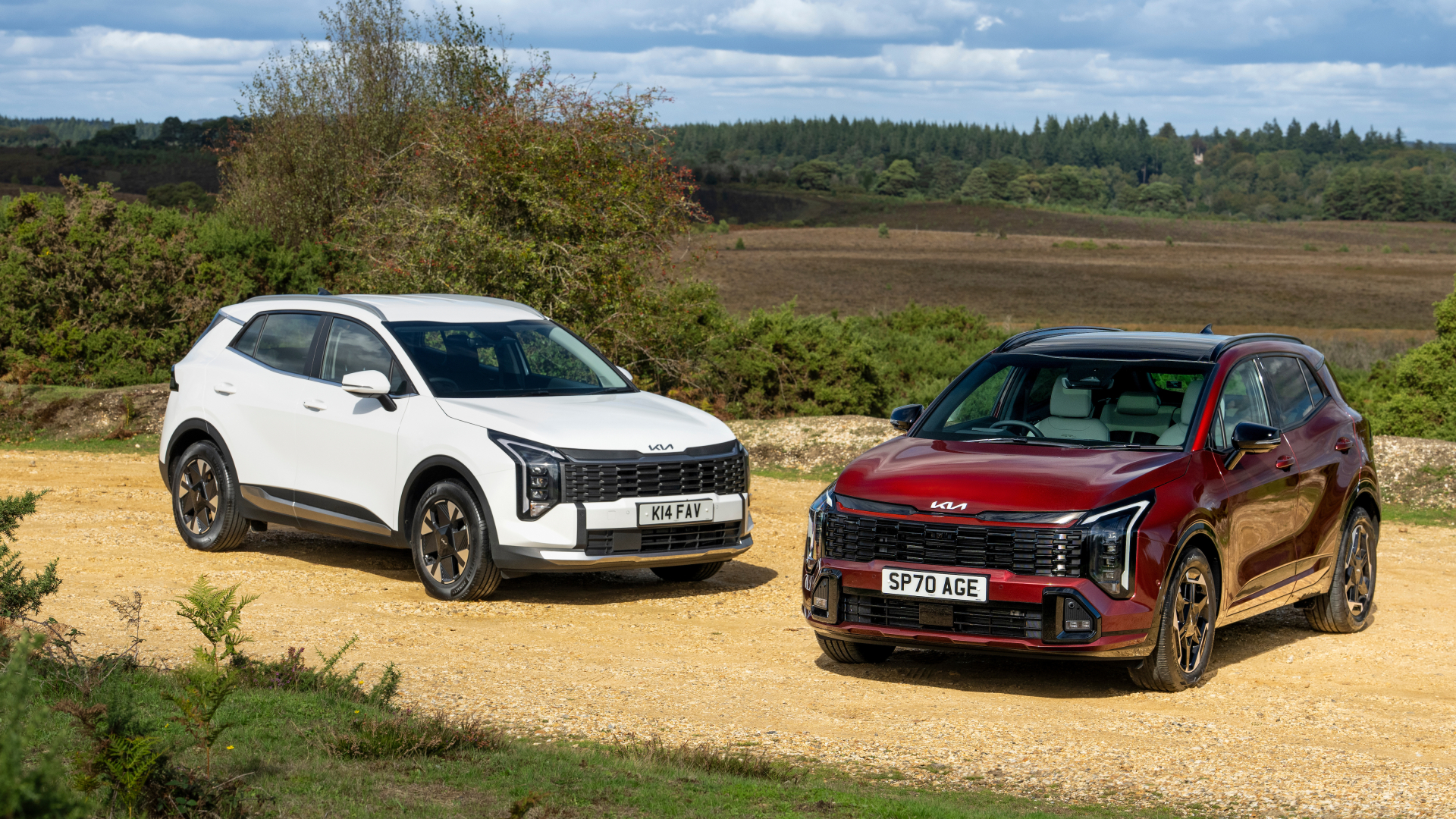
This is where I have to be fair to PCP, because Kia is actively sweetening it right now. For the 1 April to 30 June 2026 period, Kia UK is putting a £1,500 deposit contribution on the new Sportage on PCP (PHEV excluded), and a larger £2,000 contribution on the Sportage Hybrid (again PHEV excluded). That’s Kia’s money knocked off your deposit, and it’s attached to the PCP route, not handed out freely on every finance type.
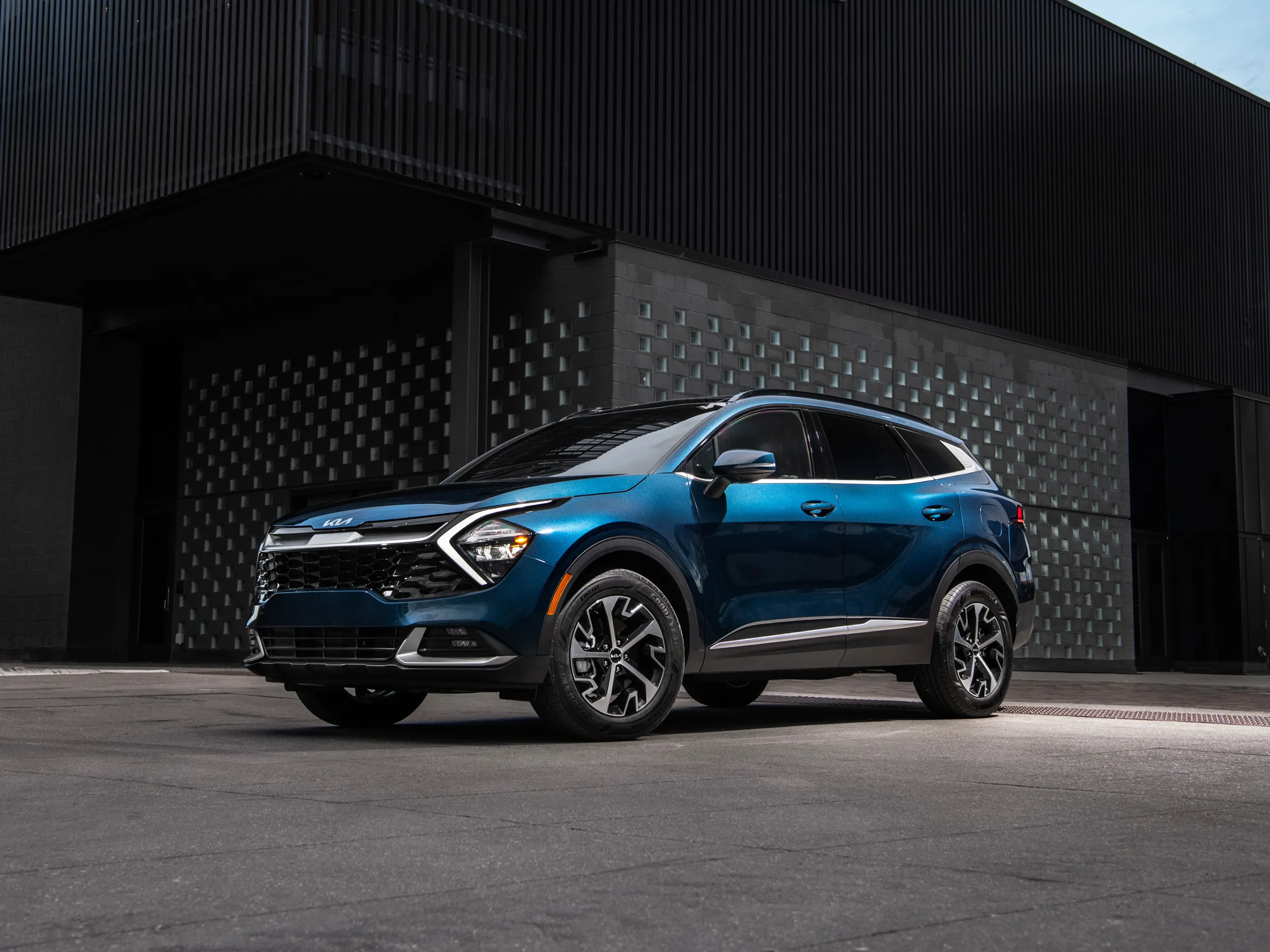
So the honest read is this: if you’re the kind of buyer who changes car every three years anyway, the deposit contribution plus the lower monthly plus the option to simply hand the keys back at the end (mileage and condition permitting) is a genuinely coherent package. You’re effectively renting the newest, most in-warranty years of the Sportage’s life and letting someone else carry the depreciation risk. For that buyer, PCP isn’t the mug’s game it’s sometimes painted as.
Buying used? The arithmetic flips again
It’s worth saying the new-car finance debate isn’t the only door. A 2020–2023 Sportage runs around £15,000 to £25,000 depending on trim and mileage, and the steepest part of the depreciation curve has already been absorbed by the first owner. PCP exists on used cars too, but the balloon logic is the same , and on an older car with a lower guaranteed future value, the case for just financing it on HP and owning it outright gets stronger, not weaker.
What I’d sign, and what would change my mind
If you intend to keep this Sportage , and most people who buy a sensible, well-built family SUV do , I’d take HP every time. You pay a little more each month, you skip the balloon entirely, and the car is unambiguously yours at the end with nothing left to settle or refinance. The total-cost gap between roughly £21,300 to own on HP and getting on for £33,600 to own through the PCP example above is not a rounding error; it’s the price of borrowing against a balloon you were always going to have to clear.
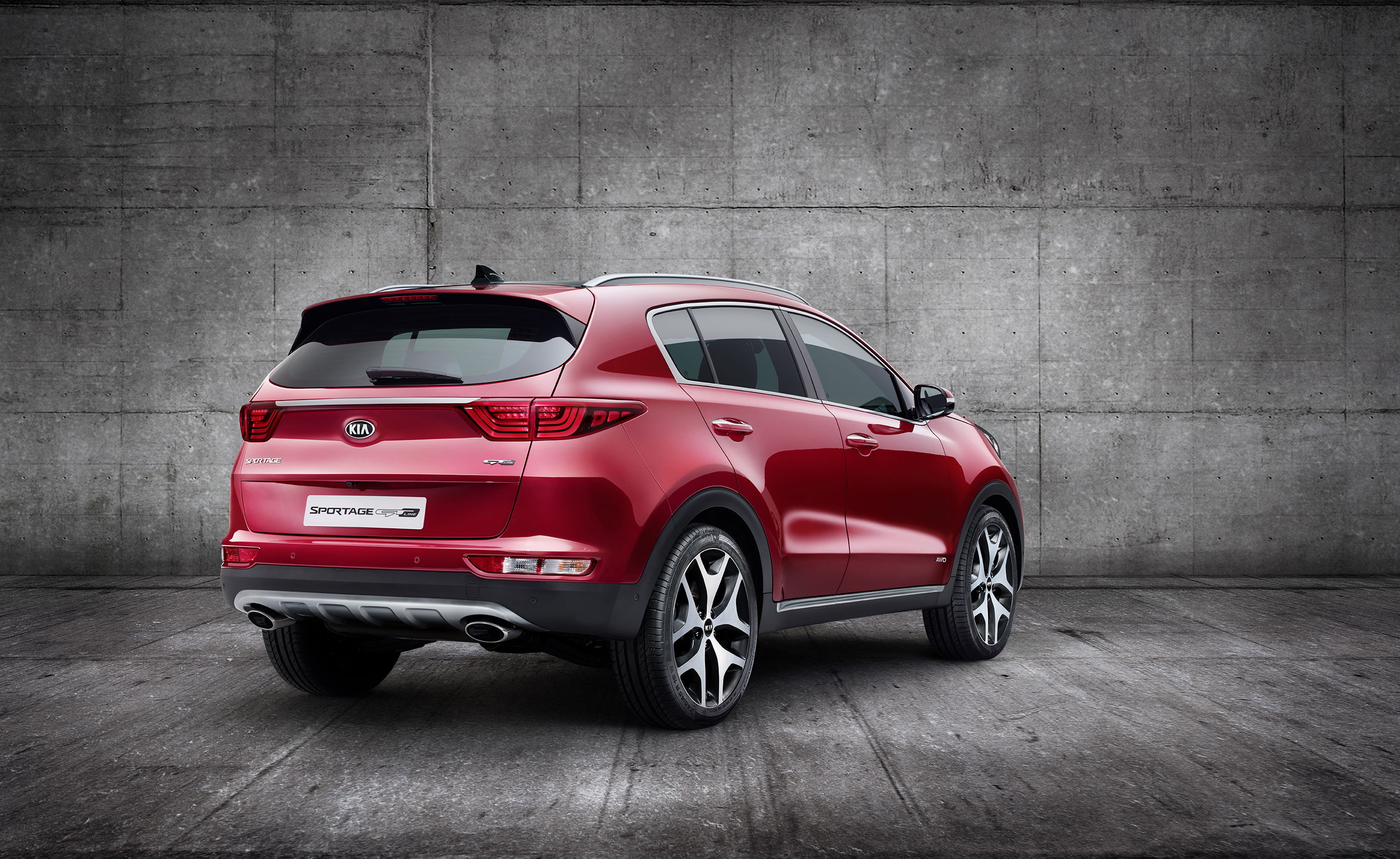
If you genuinely churn cars every three years and never plan to pay a balloon, take the PCP , bank the £1,500 (or £2,000 on the Hybrid) deposit contribution, enjoy the lower monthly, and treat the handback as the whole point. Just go in knowing you’re paying for use, not for ownership.
What would move me from HP to PCP on a keeper? A sub-HP PCP APR with the deposit contribution stacked on top, or a guaranteed future value set low enough that you’d actually build equity by the end of the term rather than facing a £16,000 wall. Until a dealer puts that in writing , and every figure here is representative, subject to status and not a finance offer, so confirm your own numbers before you commit , the rule I’d hold to is simple: if the car is staying, don’t pay interest on money you’ve only deferred. Add up the balloon before you fall for the monthly.
Buyer action
Where to check next
Use this as the final check before paying a deposit, signing finance paperwork or relying on a headline monthly figure.