UPDATED · News · 29 May 2026 · Michael Harrison
Land Rover Defender L663 used buyers are not short of choice in 2026, but the wrong example can turn a clever premium purchase into a monthly leak of cash. Our view is simple: buy the car only when the paperwork, warranty position and running-cost exposure all line up, not because the badge now looks cheap.
Land Rover Defender L663 used verdict first
The Land Rover Defender L663 used decision is not just a model choice. It is a risk-pricing choice. If the car or deal is backed by a clean MOT history, credible service evidence, sensible tyre and brake condition, and a warranty that names the expensive systems plainly, it can make sense. If any of those are vague, we would walk away or price the risk hard.
Our buyer verdict is that a Defender is a brilliant premium 4×4 when the service and warranty trail is complete. The trade-off is that these cars age through electronics, suspension, cooling systems, software updates and dealer labour rates. A cheap screen price is not a cheap ownership cost unless the next two years are visible on paper.
Why the Defender is still tempting
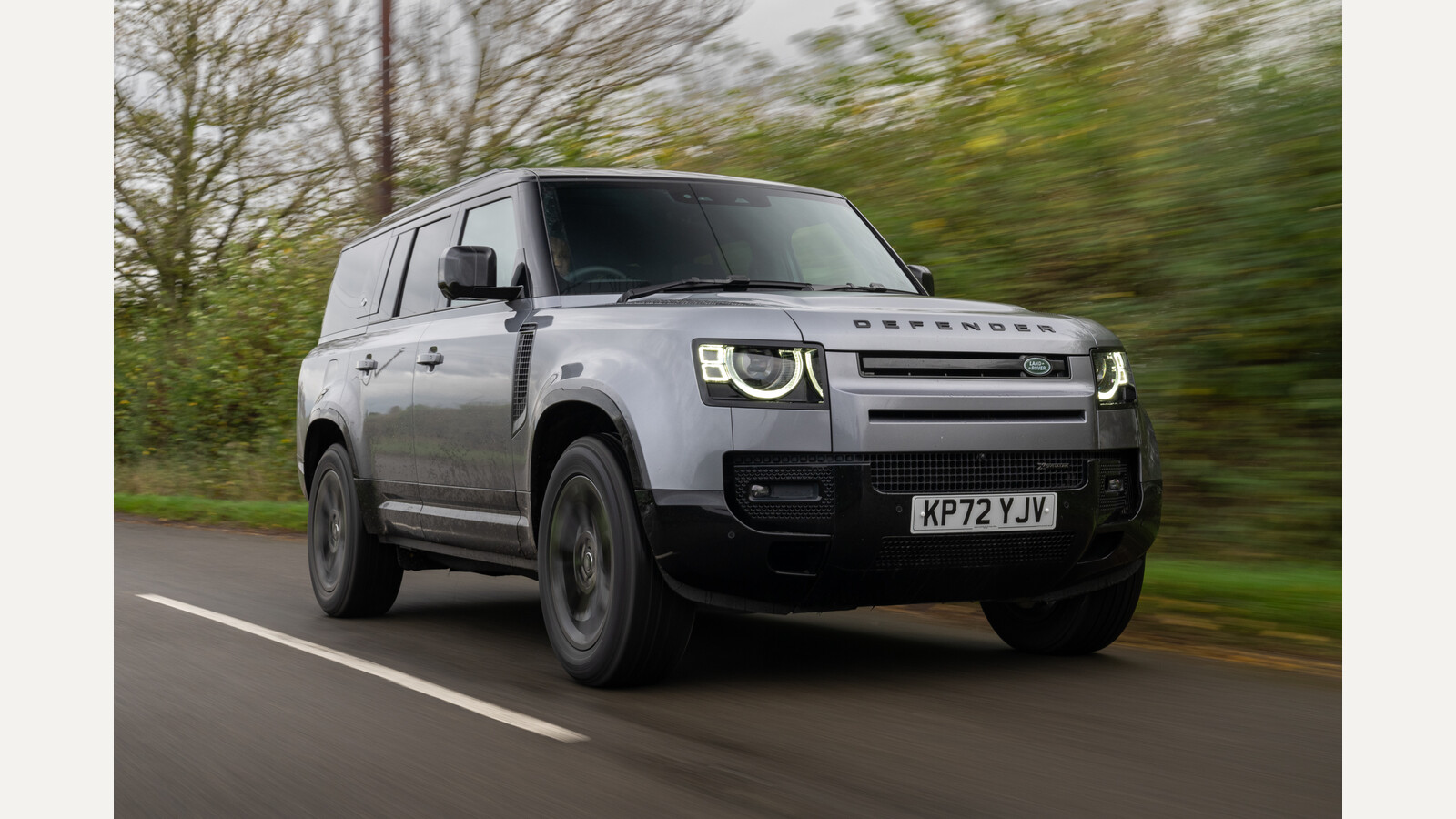
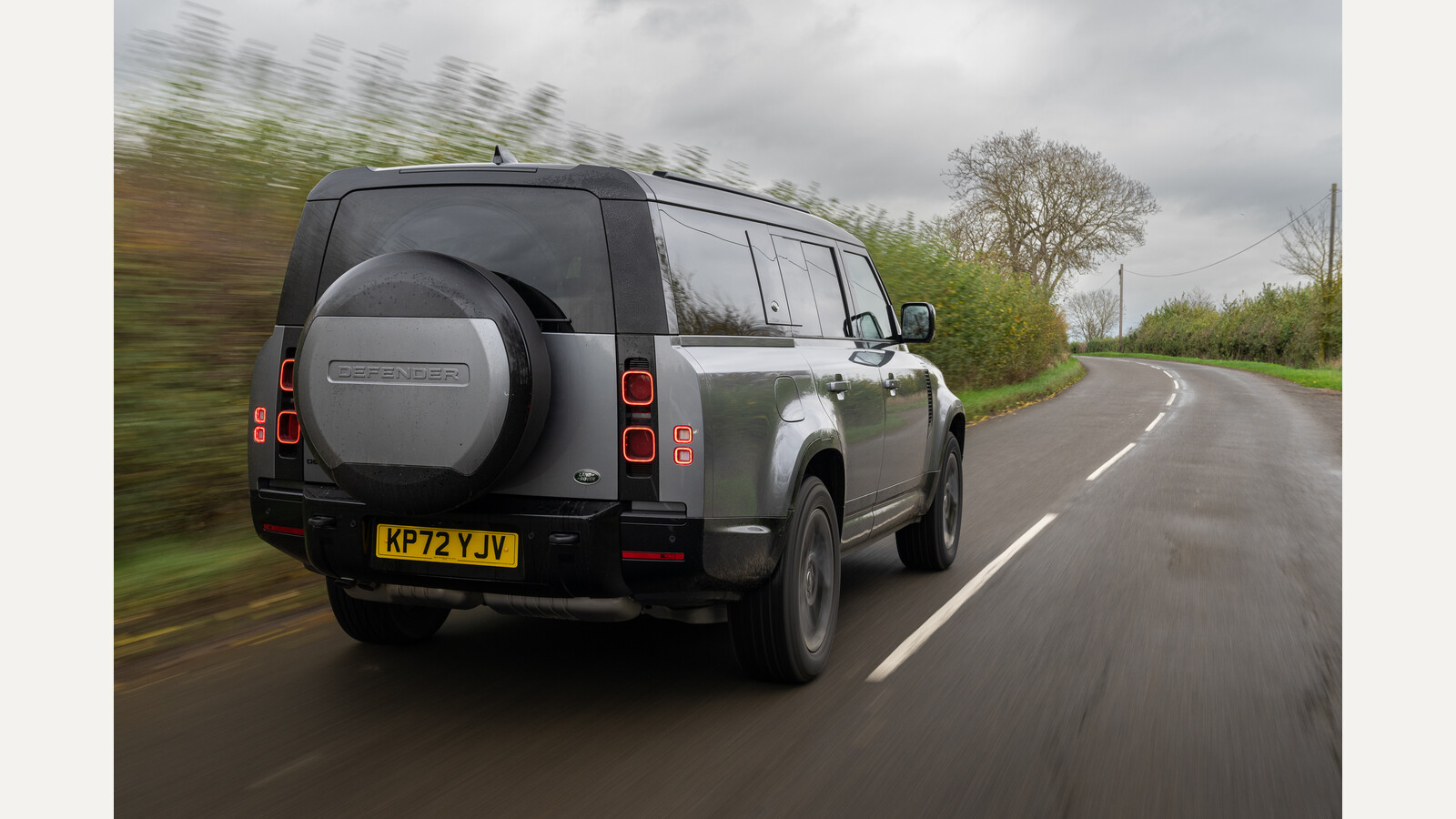
The attraction is obvious: proper all-road ability with a status signal that keeps demand high. That is why this story fits CDE’s premium buyer rather than the budget end of the market. The reader is usually deciding whether to put £30,000 to £80,000 into one car, and whether the image is worth the extra risk over a more ordinary SUV.
The source position is narrower. Land Rover Defender media information supports the model background and official position. GOV.UK vehicle recall check supports the recall and safety-work check. CDE’s job is to turn those facts into a buying decision, not to repeat the brochure.
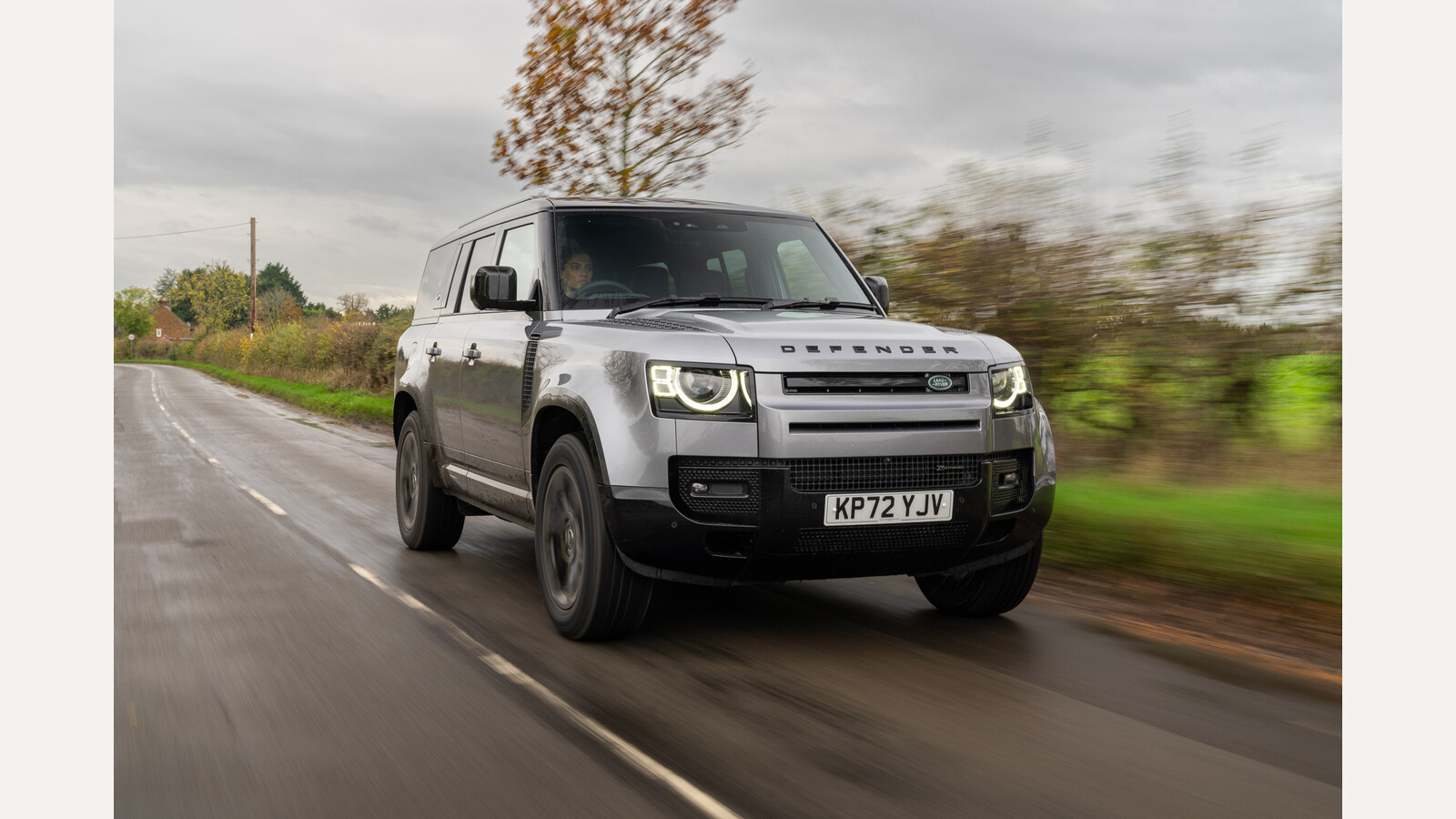
For UK households, the pressure points are predictable: full service history, tyres with matching premium brands, brake condition, MOT advisories, V5C consistency, HPI status, finance settlement, warranty wording and insurance acceptance. A Defender with missing evidence should be treated as a risk, even if the colour and options look right.
Checks before a Defender deposit
Before paying a holding deposit on a Land Rover Defender L663, we would ask for the V5C name and address match, the last two MOT certificates or a GOV.UK MOT history link, a finance-clear confirmation, a service record with dates rather than stamps alone, and written confirmation of what warranty starts on handover. A dealer that delays those basics is telling you something.
- Run the registration through the official MOT history service and read advisories as a pattern, not isolated notes.
- Check open safety work through the manufacturer network or the GOV.UK recall route before collection.
- Ask the seller to confirm finance settlement in writing if the car is currently on PCP or HP.
- Price tyres, brakes and insurance before negotiation; a premium 4×4 can turn a cheap deal into a four-figure first month.
- Make any deposit explicitly refundable until history, finance and warranty documents are supplied.
Finance, tax and warranty risk
The finance question depends on who carries the end-value risk. PCP keeps a guaranteed future value in the agreement, HP moves the buyer toward ownership, PCH is usage without ownership, and salary sacrifice moves cost through payroll with tax treatment attached. For a Defender, the right route is the one that matches holding period and exit risk.
Warranty wording matters as much as headline term. Look for named coverage on air suspension, infotainment, cooling, driver-assistance hardware, panoramic roof drains and any active chassis systems fitted to the car. If the warranty excludes diagnosis time or caps labour below main-dealer rates, the car is less protected than it looks.
Ownership costs that change the answer
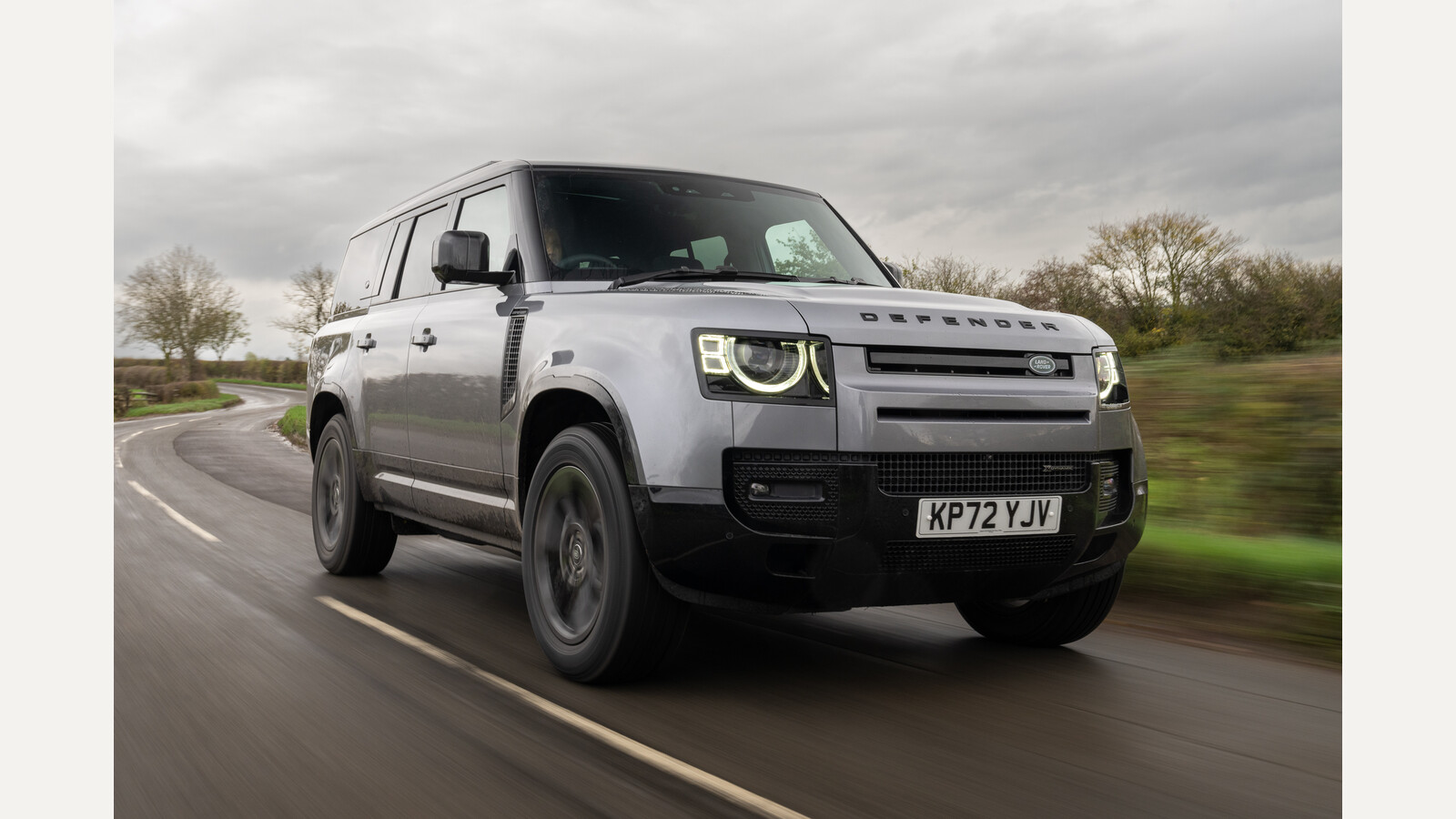
The part many adverts miss is first-year ownership cost. On a Defender, the visible monthly payment is only one line. The buyer also has to allow for premium tyres, wheel alignment, brake wear, insurance excess, tracker requirements, servicing time and the chance that a small warning light becomes a main-dealer diagnostic visit.
Depreciation also needs a calm reading. A falling used price is not automatically a bargain if the next buyer pool is narrowing, if insurance groups have hardened, or if the car relies on a small number of approved repairers. The buyer must understand warranty term, service history and whether the finance route leaves them carrying value risk at the wrong point in the cycle.
Our practical test is whether the Defender would still make sense after a poor first invoice. If one set of tyres, one brake refresh or one warranty refusal would make the deal feel broken, the car is too tight for the household budget. A premium car should be bought with a reserve, not with hope that nothing expensive happens.
Where to buy or check next
- Check the MOT pattern through GOV.UK MOT history, especially tyres, brakes, suspension and emissions advisories.
- Run an open safety-work check through GOV.UK vehicle recall check before collection.
- Use manufacturer approved-used stock first to benchmark warranty wording, then compare independent dealer cars against that standard.
- Compare Auto Trader, PistonHeads and Parkers values, but do not treat the cheapest advert as the market price if history is thin.
- Ask the insurer for the exact excess, approved repairer position and whether modifications, wheels or trackers change cover.
Our view on Land Rover Defender L663 used is direct: do not buy the image without checking software, warranty and evidence. We would pay more for cleaner paperwork and less for big wheels, privacy glass or a showy advert. The strongest buy is the one with boring documents and no mystery. The one to avoid is the glossy advert with missing service evidence, vague warranty promises or a monthly payment that hides the exit cost.
We would not reject a Defender because it is complex. Premium cars are complex by design. We would reject it if the seller cannot prove the important parts of that complexity have been maintained, insured and priced properly. That is the difference between a clever used-premium purchase and a badge-led mistake.
Related reading on CDE
CDE verdict
The Defender L663 can be a strong used premium 4×4, but only when software, service evidence, warranty and first-year running costs are clear. CDE would choose the best-evidenced car, not the cheapest advert.