GAP insurance after the FCA review: when it's worth the premium on a £60k UK premium SUV, when to skip, and where to buy outside the dealer for half the price.
What the FCA actually changed
In February 2024 the FCA paused the sale of GAP (Guaranteed Asset Protection) insurance by manufacturer-tied and dealer-tied providers after finding that customers were paying premiums where often less than 10% of the price was being passed through as claims. The pause forced providers to redesign products under the new Consumer Duty rules and submit revised commission structures to the FCA. By mid-2024 most major UK providers were back in the market with materially reduced commission to dealers and clearer fair-value assessments published in line with the Consumer Duty. The FCA continues to publish updates on motor finance and ancillary product reviews via the FCA website; the GAP-specific pause is documented in FCA press releases from February 2024 onwards.
For a UK premium buyer the practical effect is simple. The headline GAP price at the dealer should now be materially lower than it was in 2023, and the same product should be available from a stand-alone FCA-authorised broker for roughly 40% to 60% less than the dealer-bundled price.
What GAP actually covers on a £60,000 premium SUV
Three GAP product types exist in the current UK market, and they cover materially different scenarios:
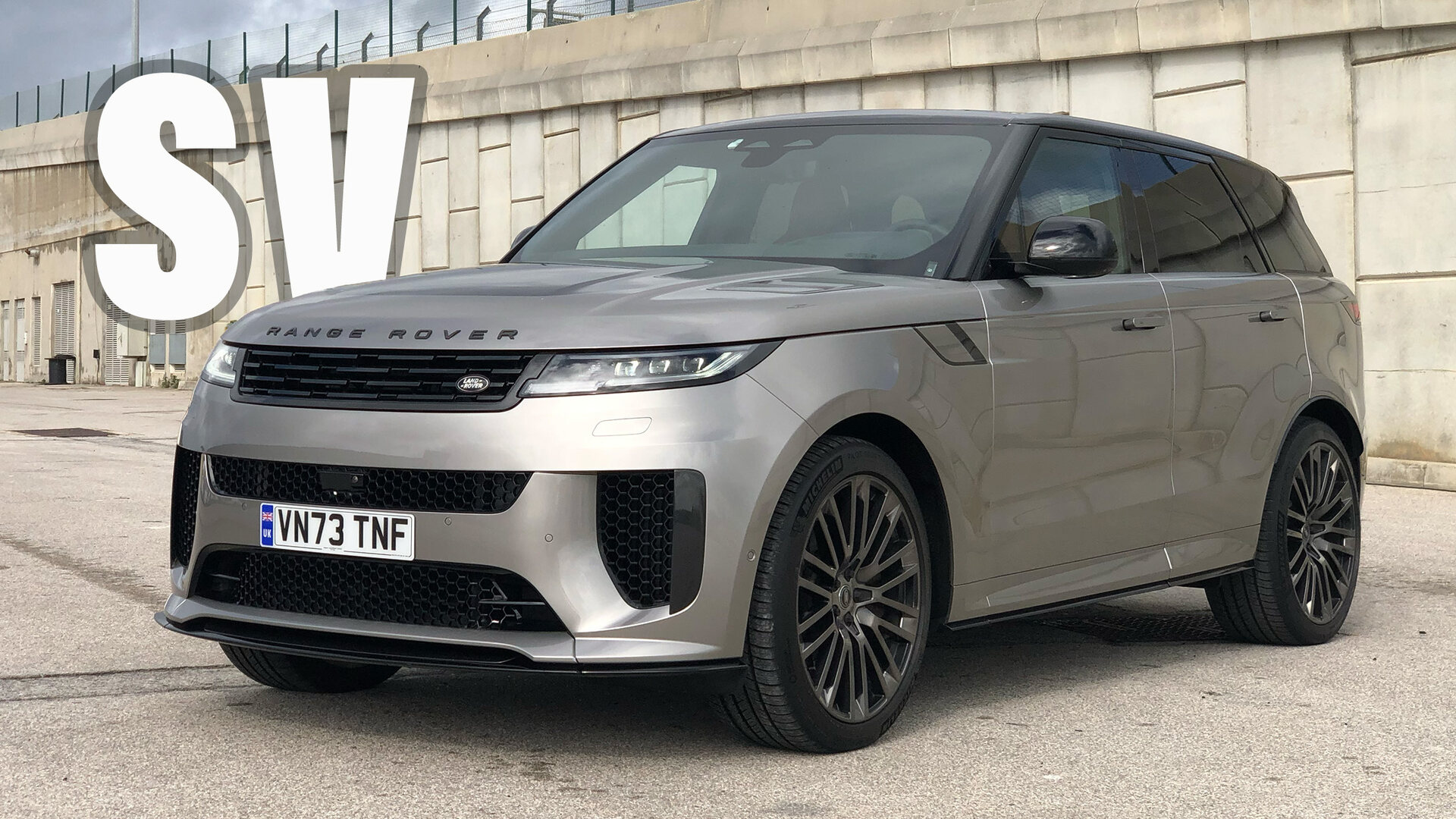
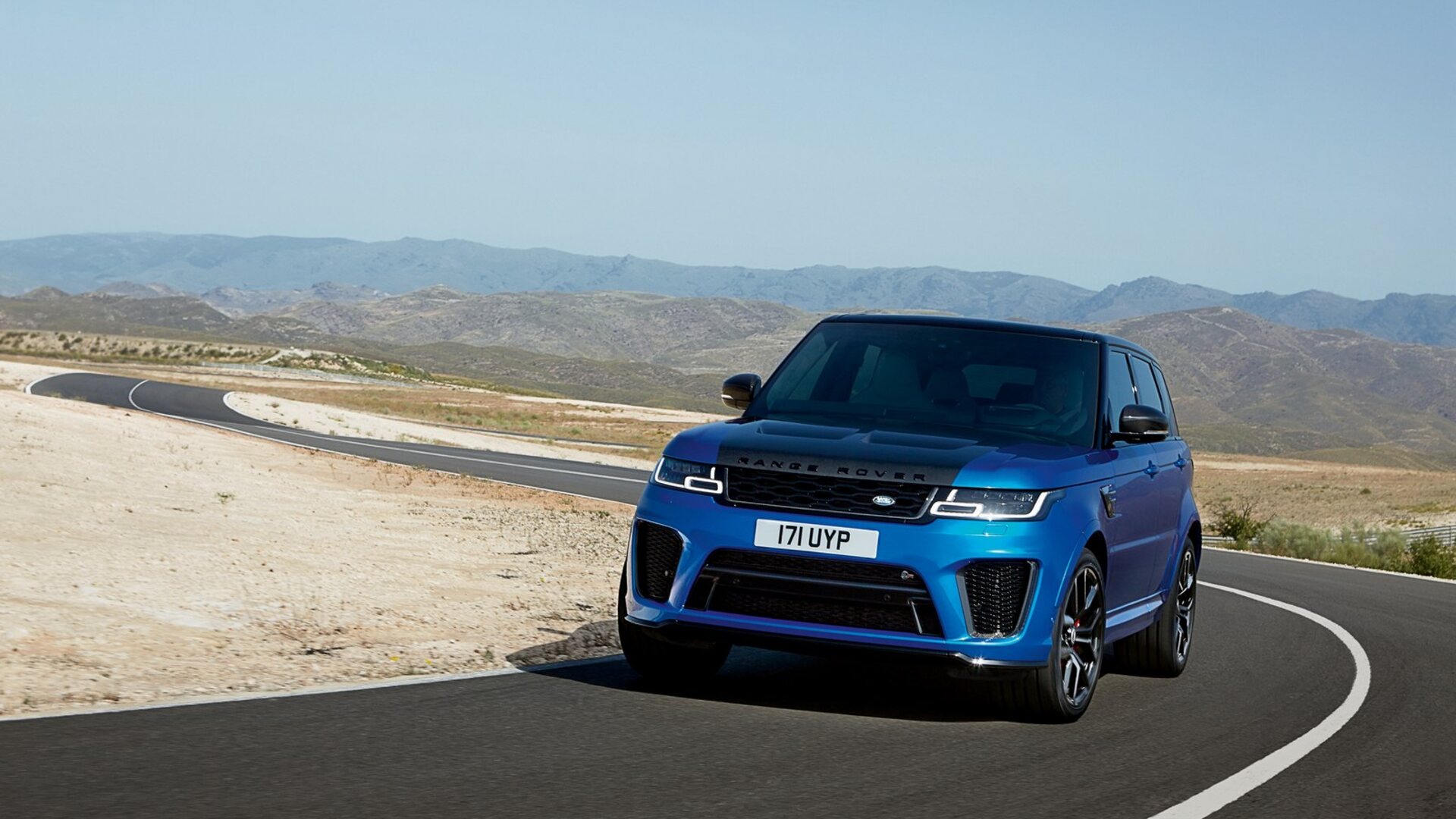
- Return-to-Invoice (RTI): if the car is written off, GAP pays the difference between your motor insurer’s settlement (typically market value at the time of write-off) and the price you originally paid (the invoice price). On a £60,000 Range Rover Sport written off after 18 months at a market value of £42,000, RTI GAP would pay the £18,000 gap to put you back at the invoice price.
- Vehicle Replacement Insurance (VRI): if the car is written off, GAP pays the difference between the motor insurer’s settlement and the cost of a brand-new equivalent vehicle today. On a Range Rover Sport that has gone up in list price by £4,000 since you bought it, VRI is the more useful product; on a vehicle whose list price has fallen, RTI is.
- Finance GAP / Negative Equity GAP: if the car is written off and your motor insurer’s settlement is less than the outstanding finance balance, GAP pays the difference to clear the finance. Useful primarily for PCH and high-mileage PCP buyers; less relevant on a normal Land Rover Approved PCP where the balloon is set conservatively.
Which-type-when: for most premium SUV buyers on a 4-year PCP, RTI is the right product. VRI only beats RTI when manufacturer list prices are rising faster than depreciation, which is a narrow window historically (mostly during 2021 to 2023 used-car price spike).
Indicative UK 2026 pricing: dealer vs stand-alone broker
Indicative GAP quotes for a 3-year RTI policy on a £60,000 Range Rover Sport (PCP, 10,000 miles/year, low-risk postcode), accessed late May 2026:
| Provider type | 3-year RTI premium | Limits / notes |
|---|---|---|
| Premium-brand main-dealer (bundled at delivery) | £700 to £950 | Highest pricing post-FCA review; bundled-with-finance presentation |
| Stand-alone FCA-authorised GAP broker (e.g. ALA, Click4GAP) | £280 to £420 | Same RTI product, materially lower commission load |
| Stand-alone broker premium tier (extended cover, higher claim limit) | £420 to £600 | Higher claim limit (£25,000 to £50,000) suits £60k+ vehicles |
For an indicative £60,000 Range Rover Sport on a 4-year PCP the right play is to take the dealer’s GAP quote at the desk (you have a statutory 14-day cooling-off period), refuse it politely, and then buy the equivalent RTI product from an FCA-authorised stand-alone broker within those 14 days. Cooling-off rights under FCA rules and the Consumer Rights Act mean you do not need to commit to the dealer’s GAP at the point of vehicle delivery. The FCA register lets you confirm any GAP provider is properly authorised before you pay; the Financial Ombudsman Service publishes upheld-complaint decisions on GAP mis-selling that are worth scanning for context.
When GAP is genuinely worth it (and when it is not)
GAP is worth the premium when:
- You are on a 4-year+ PCP with a normal-to-aggressive mileage allowance. Depreciation in years 1 to 2 is steepest on premium SUVs; an early write-off without GAP leaves you cash-down to clear the finance.
- The vehicle is identifiably price-distinctive (rare colour, specific trim, low-volume engine option). Insurer settlement assumes a typical equivalent vehicle; GAP can preserve the price you actually paid for an unusual car.
- You took delivery during a manufacturer order-book pause (when list prices were rising fastest) and you bought near the top of the price curve, meaning depreciation in year 1 will be steeper than average.
GAP is generally NOT worth the premium when:
- You paid cash for the car. In that case the only loss is between insurer settlement and the cost of an equivalent replacement; for many buyers that gap is small enough to self-insure.
- You took a short PCH lease (2 to 3 years). PCH leases include the lessor’s residual-value risk; an early write-off generally triggers the lease’s existing termination/insurance arrangements rather than leaving you exposed.
- You took voluntary termination rights into account. Under the Consumer Credit Act 1974 you can hand the car back once you have paid half the total amount payable; GAP is not the answer to the depreciation problem if VT is the route you would take.
For a UK premium buyer in 2026 taking a 4-year PCP on a £55,000 to £75,000 SUV, a 3-year RTI GAP policy from a stand-alone FCA-authorised broker at £280 to £420 is meaningful protection at a reasonable price. Buy it within the 14-day cooling-off period after delivery, not at the showroom desk where the dealer’s bundled price still runs £700 to £950 even after the FCA pause. If you paid cash or you are on a short PCH, GAP is rarely worth the cover; self-insurance for the depreciation gap is the rational play. Either way, never buy GAP cover under pressure at the closing desk; the FCA pause exists precisely because that is when the consumer detriment was highest. See our piece on how the FCA pause was lifted for the regulatory chronology.