For 15 years the electric car came with a quiet bribe: buy one and the taxman left you alone. That deal ended on 1 April 2025, when EVs first lost their Vehicle Excise Duty exemption. What makes 2026 the year premium buyers need to pay attention is the bill that has grown since: the government’s own VED guidance for the 2026-27 tax year now sets the full rates, and a change slipped into the November 2025 Budget quietly dragged a whole tier of expensive EVs into a supplement they escaped before. The headline numbers look gentle. The one buried underneath them is not, and it is the reason a lot of premium EV buyers are about to get a bill they never budgeted for.
Let me take the whole thing in order, because the confusion I keep hearing conflates three separate charges that hit at three different moments.
| VED charge on a new EV (2026-27) | Amount | When it bites |
|---|---|---|
| First-year rate | £10 | Year one only |
| Standard rate | £200 a year | From year two onward |
| Expensive Car Supplement (list price over £50,000) | +£440 a year (£640 total) | Years two to six |
How the free ride ended (VED for Electric Cars)
The turning point was April 2025, when EVs stopped being exempt from Vehicle Excise Duty and were folded into the standard road-tax system for the first time. Before that, a battery car cost nothing to tax; the exemption was a deliberate carrot to shift the fleet off petrol and diesel. The moment EV registrations started running into the millions, the Treasury’s carrot became a hole in the accounts, and the exemption was always going to close.
So this is not a surprise policy that landed overnight. It has been signposted for years. What has changed for 2026 is simply that the rates are now fully in force and the numbers are real, printed in the DVLA’s V149 rate schedule for April 2026. If you have been driving an EV for a while assuming it was still tax-free, the letter arriving now is entirely legitimate.
What you actually pay from April 2026
Here is the part that sounds almost trivial. Register a new electric car in the 2026-27 tax year and it pays a £10 first-year rate, the lowest band on the table, a token gesture that keeps EVs nominally cheaper to tax in year one than a petrol equivalent. After that, from the second year onward, it moves onto the standard rate of £200 a year, the same flat figure paid by the overwhelming majority of cars on the road.
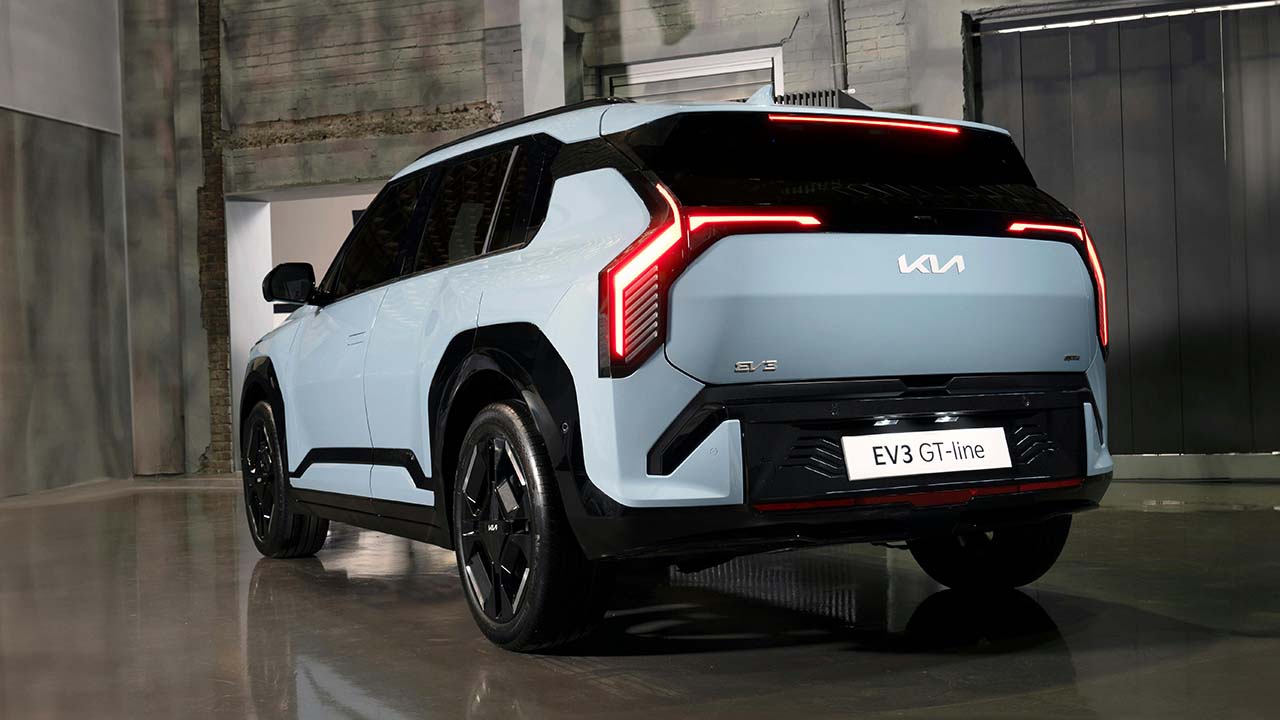
The same structure applies to any EV first registered on or after 1 April 2025: £10 to get going, then £200 annually from year two. Two hundred pounds a year is real money, but it is not the kind of figure that changes anyone’s decision to go electric. If the standard rate were the whole story, I would tell you to shrug, set up a direct debit and forget about it.
It is not the whole story.
The £50,000 line that catches the premium set
This is where I want EV buyers paying attention, because it is the charge that turns a manageable £200 into something that actually stings. From 1 April 2026, an electric car with a list price above £50,000 is caught by the Expensive Car Supplement, an extra £440 a year layered on top of the standard rate. That £50,000 line is itself new: the supplement still bites at £40,000 for petrol and diesel, and only the November 2025 Budget lifted the threshold to £50,000 for electric cars, a small mercy that still leaves most genuinely desirable EVs exposed. Add the two together and the annual bill becomes £640 a year, for years two through six of the car’s life, according to both the government guidance and the RAC’s road-tax breakdown.
Sit with that for a second. Six hundred and forty pounds a year, for five consecutive years, is £3,200 in road tax alone before the car is out of its supplement window. And the trigger is not the price you paid, it is the manufacturer’s list price, before any discount, dealer contribution or trade-in you negotiated. Haggle a £52,000 car down to £48,000 on the forecourt and you still pay the supplement, because the list price is what counts.

The trap isn’t the £200 standard rate everyone talks about. It’s the £50,000 list-price line, and in the premium EV world that line is almost impossible to stay under.
That is the bit that makes me uneasy, because £50,000 is not an exotic number in the electric market. It is roughly the entry point for a great many of the cars people actually want. Look at the premium electric SUVs worth leasing in 2026 and you will struggle to find a compelling one that ducks under the threshold on list price. Step up to something like the BMW i7, the £100k electric limo, and the supplement is a rounding error you will never notice; but for the buyer stretching to a £51,000 family SUV, £640 a year is a genuine line-item they may not have seen coming.
Why the used market suddenly looks smarter
The Expensive Car Supplement is tied to when a car was first registered, and it only runs for years two to six of that car’s life. Buy a two- or three-year-old premium EV and a chunk of that supplement window has already been served by the first owner: you inherit whatever is left, not a fresh six-year clock. That mechanic quietly strengthens the case for the used route, and it is one more reason the best used electric cars for 2026 deserve a proper look rather than a reflexive dash to buy new.
There is also a legitimate route to soften all of this for company-scheme drivers. Benefit-in-kind rates on EVs remain far lower than on petrol and diesel, and a well-structured salary sacrifice arrangement can absorb the VED cost inside a package that still saves money overall. If you are weighing it up, the EVs that maximise the salary-sacrifice saving are where the maths tilts back in the driver’s favour.
Then, in 2028, the meter starts ticking
The flat annual charge is not the end of the road. From April 2028, the government plans to bring in a new pay-per-mile system, eVED, that charges electric cars by distance. As it stands, the rate is set at 3p per mile for fully electric cars and 1.5p per mile for plug-in hybrids, on top of, not instead of, the existing VED structure the BBC has reported alongside the exemption’s end.
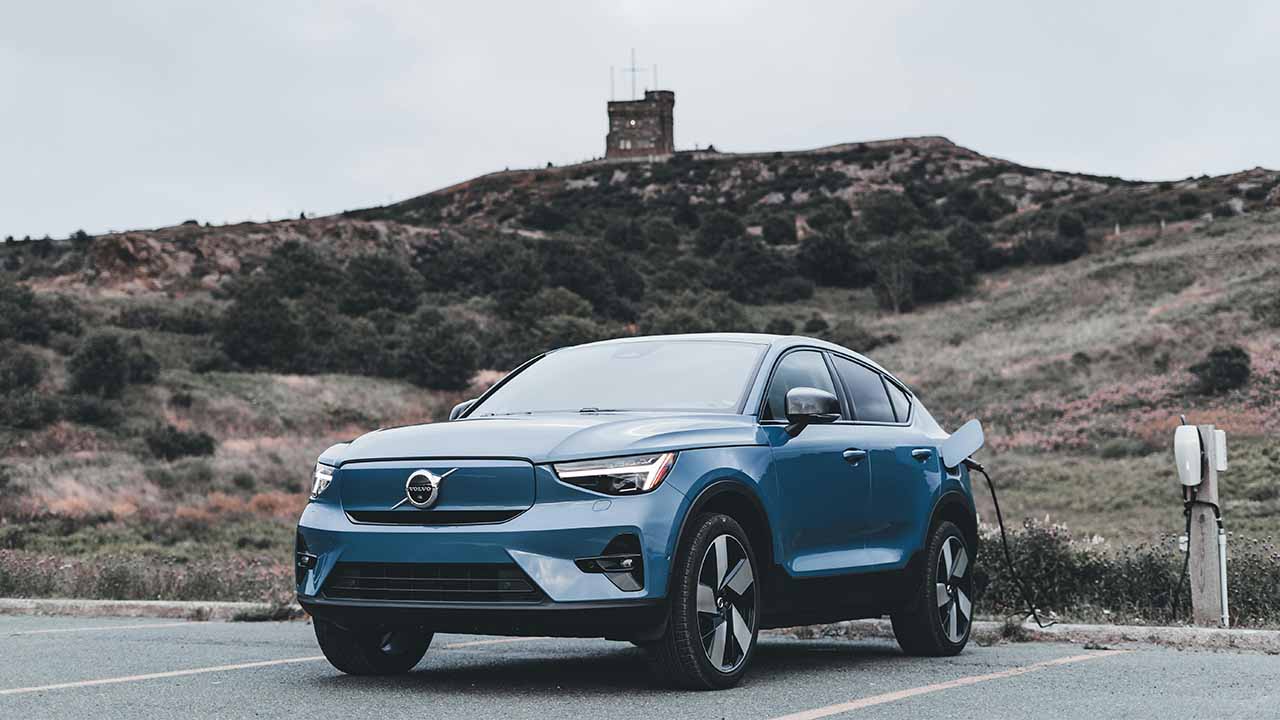
Run the numbers on an average driver. Cover 8,000 miles a year in a full EV at 3p a mile and that is £240 in mileage charges, stacked on top of the £200 standard rate, or the £640 if your car is over the threshold. Suddenly a premium EV that felt cheap to run is looking at close to £900 a year in tax before it turns a wheel on electricity you have also paid for. That is the trajectory buyers should be modelling now, not discovering in two years’ time.
The bill I’d be budgeting for before you sign
My honest read is this. The £10 first-year rate is political theatre, a number designed to let ministers say EVs are still favoured. The £200 standard rate is fair and I have no argument with it. The charge that deserves your full attention is the £50,000 supplement, because it is set at a level that snares the exact cars most people aspire to, and it does so on a list price you cannot negotiate away.
So before you commit to a new premium EV in 2026, do one piece of homework: find the manufacturer’s list price to the pound, and if it sits above £50,000, write £640 a year into your ownership sums for five years, then pencil in the 2028 mileage charge on top. If the car still makes sense after that, buy it with your eyes open. If a slightly less expensive trim drops you under the line, that saving is worth £3,200 over the supplement window, which is a very good reason to be disciplined at the configurator. The road tax on an electric car is no longer a footnote. In 2026 it is a real cost of ownership, and the buyers who model it properly are the ones who won’t be surprised by the letter.
Buyer action
EV and salary-sacrifice checks
Use this as the final check before paying a deposit, signing finance paperwork or relying on a headline monthly figure.