A new electric car that costs £12,240 to buy will still cost you more to run than a smarter one you charged properly, and that, in a single sentence, is the trap I want to steer you out of. The RAC’s 2026 cheapest-EV roundup currently crowns the Dacia Spring as the most affordable “proper” electric car on UK sale, and the headlines have run with the sticker price. The sticker price is the least interesting number in the whole story.
Because “cheapest to buy” and “cheapest to run” are two different leagues, and the cars that win the first rarely win the second by as much as you’d hope. So let me take the 2026 line-up apart properly: what each one actually costs, where the running-cost savings really come from, and which of these I’d genuinely sign for.
The genuinely cheap-to-buy EVs of 2026 (electric cars)
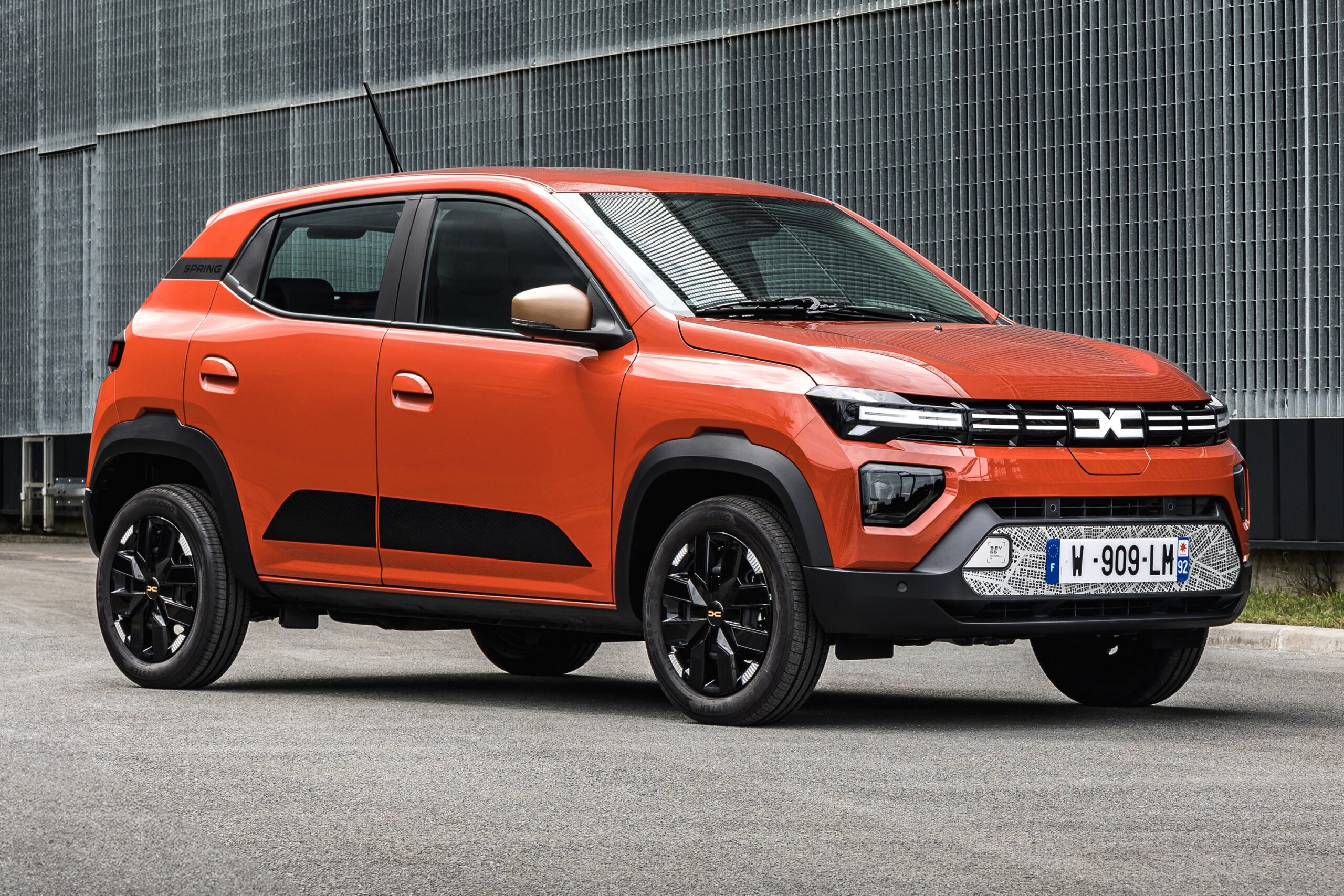
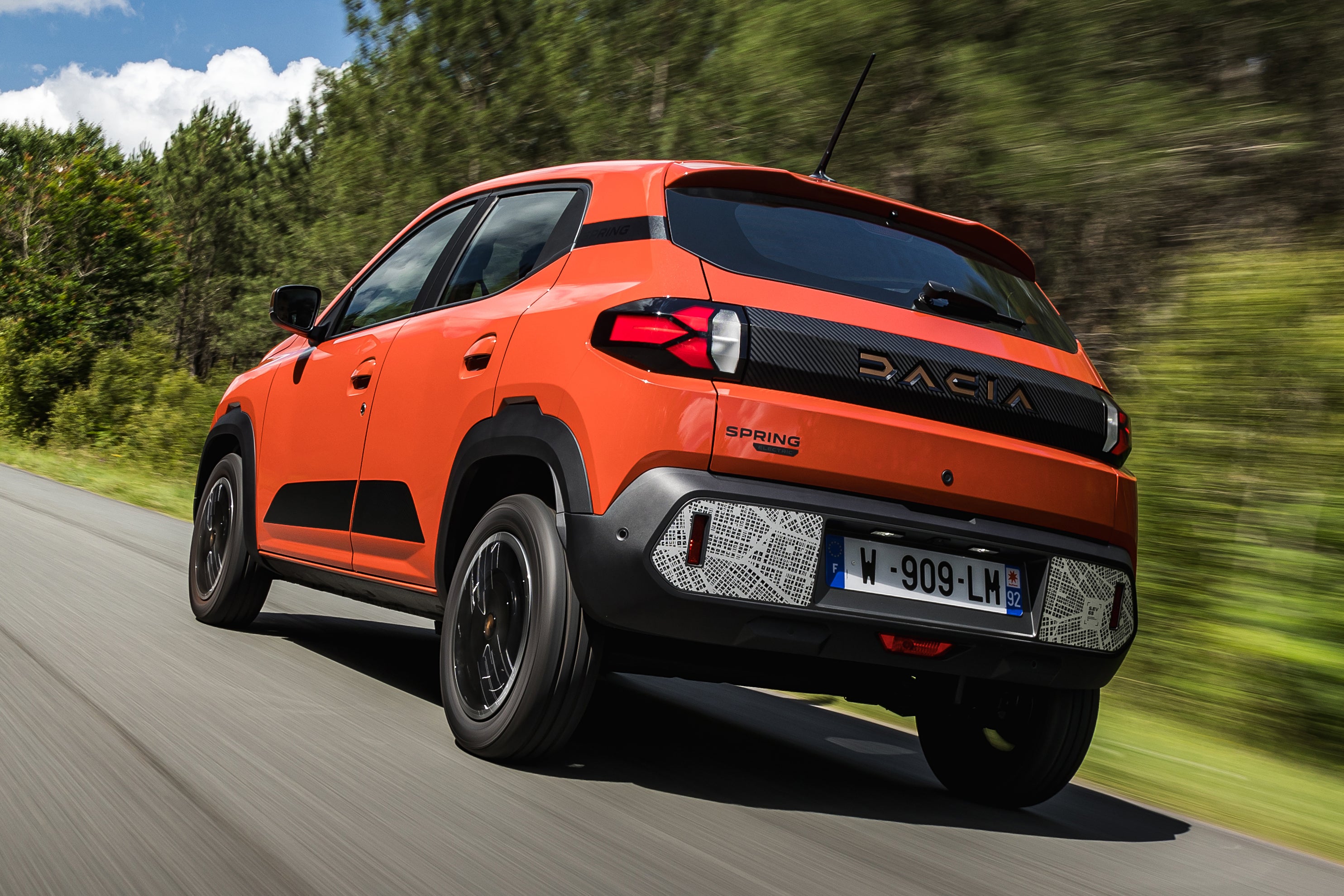
Start with the buy-in, because it sets the trap. The Dacia Spring lists at £15,990, dropping to £12,240 once you apply Dacia’s own £3,750 manufacturer discount, and importantly, that is a manufacturer deal, not the government’s grant. The RAC and heycar’s Dacia Spring review both name it the cheapest new EV you can park on a UK driveway, with a quoted 140-mile WLTP range.
Sitting just above it is the Leapmotor T03, at £15,995 list or £14,495 after a £1,500 manufacturer discount, and it answers the Spring’s biggest weakness with a longer 165-mile range. Like the Spring, it isn’t eligible for the Electric Car Grant either, a detail that quietly reshuffles the whole pecking order, and one I’ll come back to.
Then there’s the outlier everyone loves to point at: the Citroën Ami, £7,695 and the lowest upfront figure here by a country mile. But read the small print. It’s classified as a quadricycle, not a car, with a 46-mile range, a city runabout, not a substitute for a hatchback. Lumping it in with “cheapest electric cars” flatters the category and misleads anyone who needs to do a motorway run.
| Model | Price (after discount) | WLTP range | Max charging | Euro NCAP | Electric Car Grant |
|---|---|---|---|---|---|
| Dacia Spring | £12,240 (from £15,990, £3,750 manufacturer discount) | 140 miles | 40kW | 1 star | Not eligible |
| Leapmotor T03 | £14,495 (from £15,995, £1,500 manufacturer discount) | 165 miles | — | — | Not eligible |
| Citroën Ami | £7,695 | 46 miles (quadricycle, not a car) | — | — | Not eligible |
| Renault 5 E-Tech / Nissan Micra | £1,500 off (grant-eligible tier) | — | — | — | Eligible (up to £3,750) |
Why the price tag is the wrong place to look
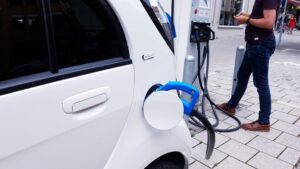
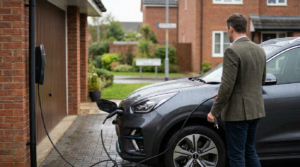
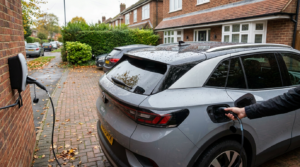
Here’s where it gets interesting, and where most “cheapest EV” lists quietly stop. The single biggest lever on what an electric car costs to run isn’t the badge, it’s how you charge it. Realcost’s running-cost analysis is blunt about it: EVs are cheapest to run when you charge at home, and cheaper still on an off-peak overnight tariff. Lean on public rapid chargers and a chunk of that saving evaporates, because you can pay several times the home-charging rate per kWh at a motorway rapid.
Which means a £12,240 Dacia Spring charged exclusively on public rapids can cost more per mile than a pricier, more efficient EV charged overnight at home. The cheap car doesn’t automatically win the running-cost race. The charging arrangement does.
The cheapest car to buy and the cheapest car to run are not the same vehicle, and the gap between them is decided on your driveway at 2am, not on the forecourt.
That’s the framing I’d urge any buyer to start from. Before you fixate on which model is £1,500 cheaper, work out whether you can install a home wallbox and access an off-peak tariff. If you can, your running costs collapse almost regardless of which of these cars you pick. If you can’t, flat, no driveway, on-street parking only, then the “cheap EV” maths gets a great deal shakier, and a used petrol car may quietly out-economise an electric one on the public network.
Efficiency: the number that actually moves the needle
Once charging is sorted, efficiency is what separates the genuinely cheap-to-run from the merely cheap-to-buy. Measured in miles per kWh, it’s the EV equivalent of mpg, and the Spring is, on paper, the champion of this whole group: real-world reviews put it around 5.0 miles per kWh, which is exceptional and the chief reason it keeps the “cheapest to run” crown rather than just “cheapest to buy”.
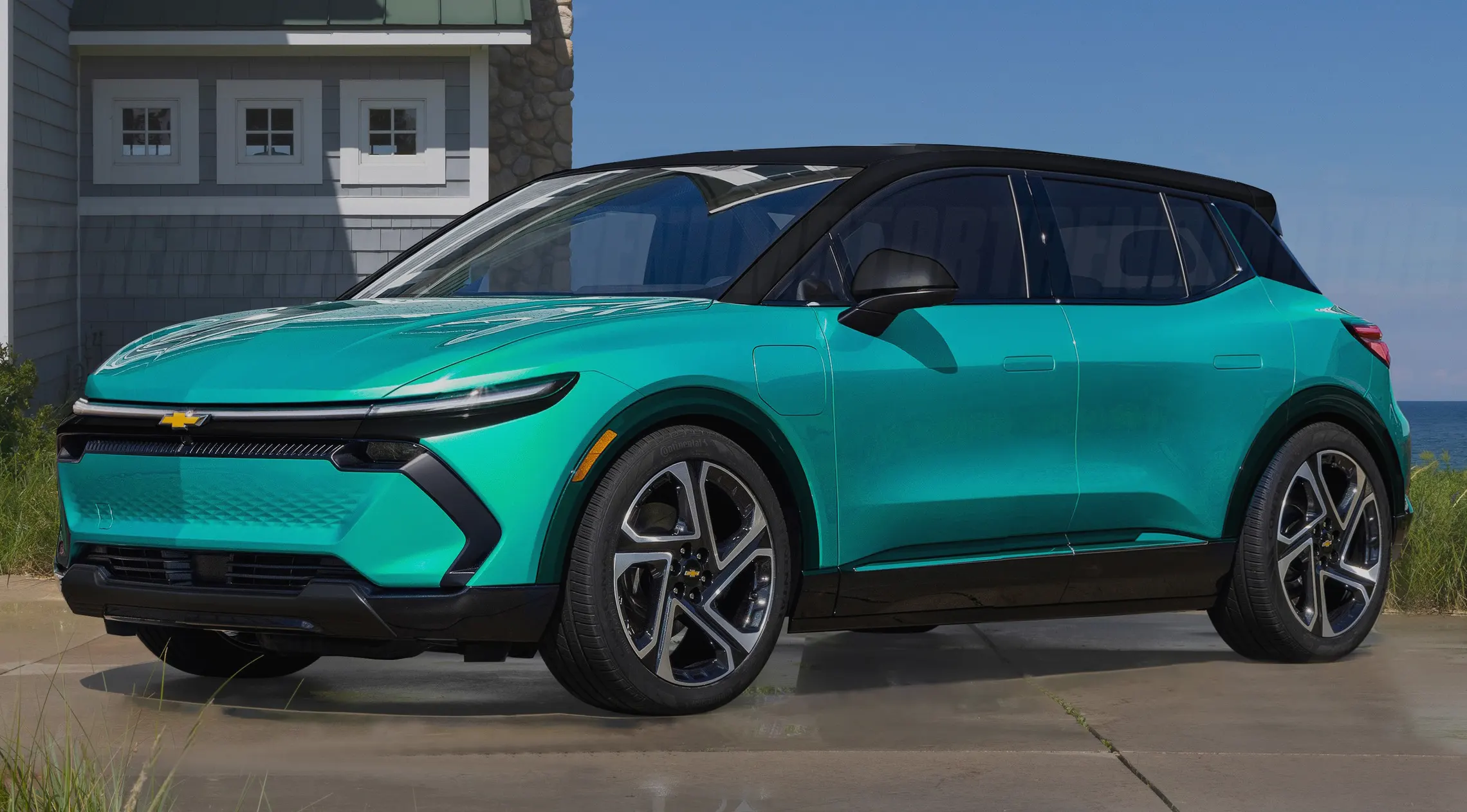
But, and this is the bit that would stop me, that figure comes wrapped in compromises I’m not sure I’d live with. The Spring carries a one-star Euro NCAP safety rating, and it tops out at 40kW charging, which makes the rare long trip a genuinely slow affair. You’re buying that 5.0 mi/kWh efficiency with safety margin and charging speed. For a second car that never leaves town, fine. As your only car with family aboard, that one-star Euro NCAP rating is not a footnote.
The grant nobody’s car here actually gets
Now the plot twist. The government’s Electric Car Grant, introduced in 2025, offers up to £3,750 off new EVs priced at or below £37,000, and neither the Spring nor the Leapmotor T03 qualifies for it. The discounts on those two are manufacturer money, not grant money.
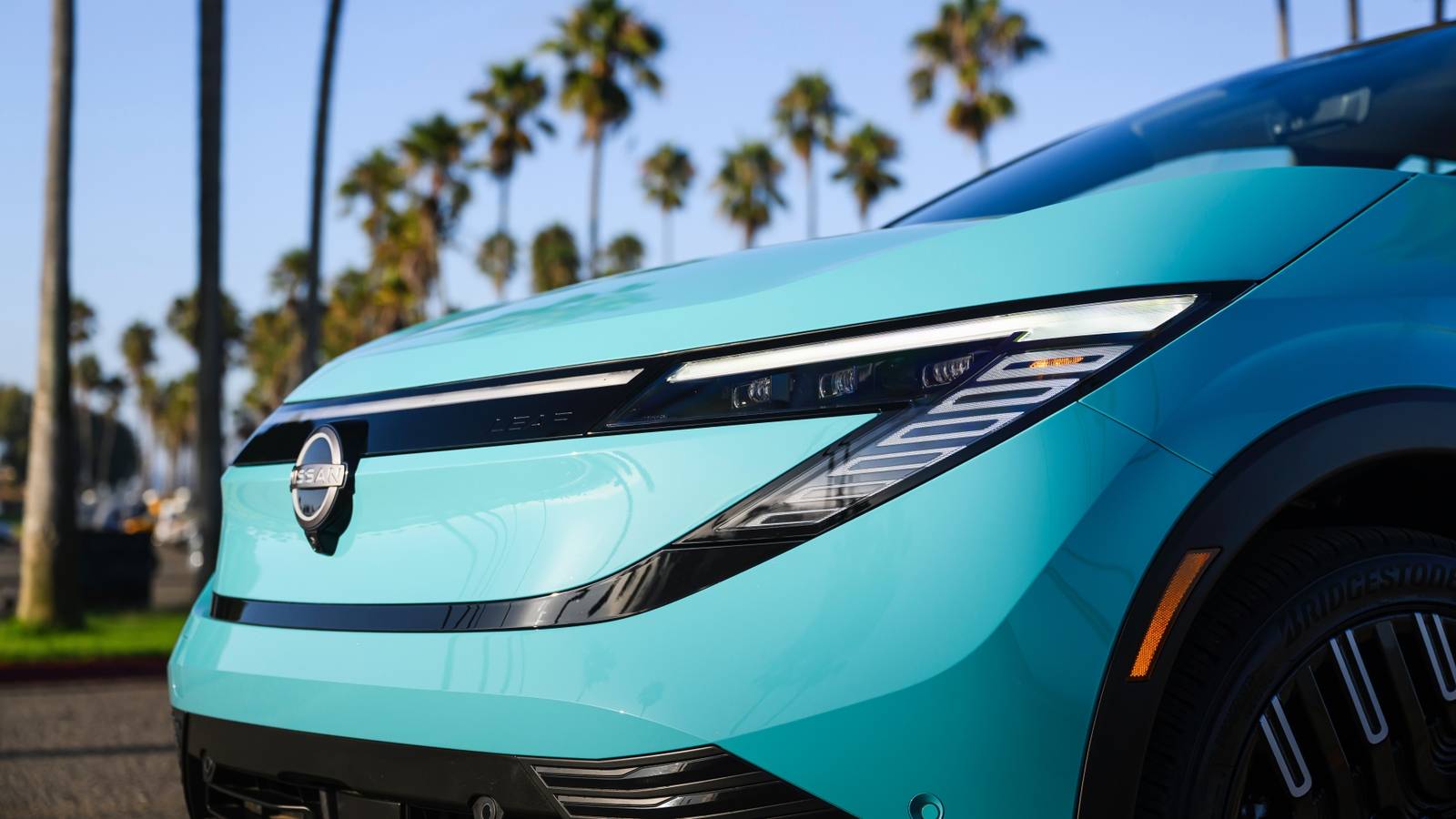
What that does is bunch the field. Once you factor the grant into cars that do qualify, the price gap between the rock-bottom models and the next tier up narrows sharply. The RAC points to the Renault 5 E-Tech and the new Nissan Micra, each currently carrying £1,500 off, as examples of grant-eligible models. Suddenly a better-built, better-equipped, properly crash-tested EV isn’t the luxury it looked like against a £12,240 Spring, because the grant has done the heavy lifting on the price difference for you. The “save £3,750 on the cheapest car” story falls apart the moment you realise the cheapest car can’t claim the grant at all.
Who each of these is genuinely right for
Let me be specific, because fence-sitting helps no one. The Citroën Ami is right for one buyer only: the city dweller who wants a weatherproof, parkable alternative to an e-bike and never, ever needs to leave the ring road. Treat it as a car and you’ll resent it; treat it as a covered scooter and it’s charming.
The Leapmotor T03 is the one I’d nudge most buyers towards over the Spring. That extra 25 miles of range and the slightly higher price buy you usability, and as i’s drive of the most affordable EVs makes clear, real-world liveability is what separates a cheap EV you keep from one you quietly come to dread.
The Spring earns its crown on the spreadsheet, cheapest to buy, most efficient to run, and loses points everywhere a spreadsheet doesn’t reach. If your charging is sorted and the car genuinely never carries precious cargo at speed, it’s an unbeatable per-mile proposition. I just wouldn’t pretend the one-star rating isn’t part of the deal.
The version of cheap I’d actually buy
If the whole point is low running costs, I wouldn’t chase the lowest sticker. I’d fix the charging first, home wallbox, off-peak overnight tariff, because that’s the decision that does most of the saving, on any of these cars. Then I’d let the Electric Car Grant pull a grant-eligible model, a Renault 5 or a Nissan Micra, down close enough to Spring money that the gap stops mattering, and take the safer, faster-charging, longer-legged car for the difference.
The Spring is the cheapest electric car to run in 2026, and I don’t dispute the numbers for a second. I just think “cheapest to run” is the wrong finish line if you had to cross a one-star safety rating and a 40kW charger to get there. Sort your driveway, use the grant the cheap cars can’t, and “affordable” stops meaning “compromised”. That’s the trade I’d make, and the only thing that would change my mind is having no driveway at all, in which case I’d think hard about whether an EV is the cheap option for me yet.
Buyer action
EV and salary-sacrifice checks
Use this as the final check before paying a deposit, signing finance paperwork or relying on a headline monthly figure.