The received wisdom that an electric car will always sting you harder on insurance is finally starting to crack — but not evenly, and not for everyone. The latest 2026 UK EV insurance figures still show the average electric car costing more to cover than its petrol or diesel equivalent this year. What has changed is the size of that penalty, and the fact that a handful of models have quietly stopped paying it altogether.
I spend most of my week reading published premium data rather than horsepower figures, and the 2026 numbers are the most interesting they have been in years. The headline gap between electric and combustion cover has narrowed from more than 25% at its 2024 peak to somewhere between 10% and 25% now, depending on the car. That range is doing a lot of work, and where your chosen EV lands inside it is the whole story.
The premium gap, in real numbers (EV insurance costs)
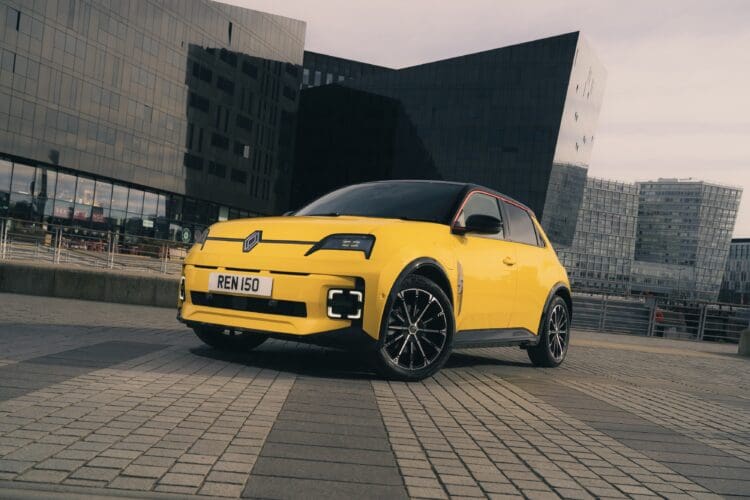
Averages flatten the picture, so start with the extremes. The 2026 breakdown of the cheapest and priciest EVs to cover puts the cheapest mainstream electric car — the Renault 5 — at around £417 a year to insure. At the other end, a Jaguar I-Pace runs to roughly £921. That is not a rounding error; it is more than double, on two cars wearing the same “EV” badge.
These are representative annual premiums rather than a quote you will personally be offered — your age, postcode, mileage and claims history still move the needle far more than the powertrain does. But they show why “EVs cost more to insure” has become a lazy generalisation. A small, cheap-to-repair hatchback and a two-tonne luxury SUV were never going to be underwritten the same way, whether they burn petrol or run on electrons.
| Electric model | Representative annual premium | Why it lands there |
|---|---|---|
| Renault 5 | ~£417 | Low value, cheap to repair; rivals petrol superminis |
| Tesla Model Y Long Range | ~£895 | High value and performance; repair network insurers find unpredictable |
| Jaguar I-Pace | ~£921 | Luxury-SUV value and panels; also trips the £40k car tax supplement |
Why the electrons cost more to underwrite
The structural reasons the gap exists at all are worth understanding, because they explain which cars stay expensive. Thatcham Research, the body insurers lean on for repair and safety data, keeps flagging the same pressure points: EV bodywork and battery repairs demand IMI-certified technicians, of which there are still too few, and cars sit off the road longer waiting for parts. Courtesy-car and storage costs stack up while they wait, and every one of those idle days feeds back into the premium you are quoted.
The battery is the real swing factor. Even minor structural damage near a pack can push an insurer straight to a write-off rather than risk a repair they cannot fully certify. When a single component can total an otherwise driveable car, the sum an underwriter has to reserve against a claim climbs fast — and that lands in your premium. It is the same logic that makes modified cars awkward to insure: the harder a car is to value and repair predictably, the more the insurer charges to take the bet.
When a scuffed battery pack can write off an otherwise perfect car, you are not paying to insure the vehicle — you are paying to insure the one component nobody wants to gamble on repairing.
The reassuring part for buyers is that this maths is model-specific, not a blanket electric tax. As repair networks widen and more technicians qualify, the cars built from common, easily sourced panels are the first to see their premiums fall back towards petrol parity. The exotic-to-fix cars stay dear; the ordinary ones stop being penalised. That split is exactly what the 2026 numbers are starting to show.
The £40k trap that has nothing to do with your insurer
Here is the cost that catches EV buyers out, and it never appears on a comparison site’s premium quote. Since April 2025, electric cars are no longer exempt from the Expensive Car Supplement — the so-called luxury car tax. Any new EV with a list price above £40,000 attracts an extra charge of roughly £440 a year on top of standard road tax, as set out in the Government’s vehicle tax rate tables, payable for several years from the car’s second licence onwards.

It is a running cost, not an insurance premium, but it belongs in the same mental column when you are comparing the true annual bill of one EV against another. A Jaguar I-Pace sails well past that £40k threshold and pays it; a Tesla Model Y Standard Range, priced to duck under the line where possible, can avoid it. Over the years it applies, that supplement can add well over a thousand pounds to the cost of ownership before you have insured or charged the thing. If you are shopping the premium electric SUV bracket, assume the supplement applies and budget for it — the aspirational cars are precisely the ones it targets.
The EVs actually beating petrol
Now the part where the trend genuinely bucks. The Renault 5 at £417 does not just undercut other EVs — it rivals, and in some trims beats, equivalent petrol superminis on premium. The Vauxhall Corsa Electric sits in the same bracket, coming in under its own combustion sibling; it shares so much of its structure and parts with the petrol Corsa that body shops already know how to fix it, and that familiarity is worth real money on a premium. That is the milestone the market has been waiting a decade for: an electric car that costs less to insure than the petrol version of the same nameplate.
What these cars share is unglamorous and exactly the point. Modest performance, widely available parts, repair procedures the trade has now seen thousands of times, and values low enough that a write-off is not a catastrophe for the insurer. The moment an EV stops being exotic to fix, its premium falls into line. That is the actuarial reality catching up with the technology — and it only flows in one direction from here.
The ones still charging a premium for the badge
At the top of the range, the penalty is alive and well. The Tesla Model Y Long Range costs around £895 a year to insure, and the Jaguar I-Pace tops the chart at £921, per the 2026 breakdown of the cheapest and priciest EVs to cover. High values, expensive panels, potent performance and — in Tesla’s case — a repair network insurers still find unpredictable all feed into those figures. If you have your heart set on a genuinely luxurious EV, the insurance line is going to look like a luxury too, and no amount of narrowing average will spare you.
This is the same calculus that shapes covering any high-value car, electric or not. When I look at how the market prices a six-figure electric limousine or the way agreed-value cover works on prized classics, the throughline is identical: rarity, replacement cost and repair complexity set the price, and the fuel in the tank — or the lack of one — is almost incidental.
What I’d actually tell a buyer this year
The blanket claim that EVs are dearer to insure is now wrong often enough to be worth challenging at the quote stage. In 2026 the fuel type has become one of the weaker predictors of your premium; the car’s value, its repairability and whether it trips the £40k supplement matter far more. Buy a Renault 5 or a Corsa Electric and you may well pay less than you would for the petrol car you traded in. Choose an I-Pace or a Long Range Model Y and you are paying a premium for the premium — knowingly, and with your eyes open.
So run the insurance quote and the road-tax sum before you fall for the car, not after, and treat both as part of the same annual bill. On the current numbers, the electric penalty is no longer a fact of ownership — it is a choice you make one model at a time, and increasingly you can choose your way out of it entirely.
Buyer action
Where to check next
Use this as the final check before paying a deposit, signing finance paperwork or relying on a headline monthly figure.