About this article: Car Deal Expert is an independent publisher, not a lender, credit broker or insurance intermediary. We do not arrange finance or insurance, we hold no commercial relationship with the providers mentioned, and nothing here is financial advice. Figures are illustrative and change — always confirm against the provider's own written quote. If you have a complaint about a finance or insurance provider, the Financial Ombudsman Service is free to use.
Here is the number that ought to reframe how you think about insuring a cherished old car: £154.59. That is the average UK classic car insurance premium for 2026, Insurance Premium Tax included, according to Heritage Insurance’s 2026 classic car report, drawn from its single-vehicle customer data. Put that beside what a modern daily driver costs to insure and the gap looks almost indecent. It is not luck, and it is not insurers going soft. Classic cover is built on two foundations ordinary motor policies simply do not have, agreed value and limited mileage, and if you do not understand both you can buy the wrong policy at the right price and never find out until the worst possible day.
So let me walk through what those two terms actually mean in 2026, where the traps sit, and exactly how I would set a policy up if the car in my garage were something I cared about keeping.
Agreed value: the clause that does the heavy lifting (classic car insurance)
On a standard motor policy, a total loss is settled at “market value”, whatever the insurer reckons your car was worth the moment before it was written off. For a depreciating runabout, fine. For an appreciating or carefully restored classic, that is a quiet disaster in waiting, because the insurer’s idea of market value and yours can be thousands of pounds apart, and the burden of arguing falls on you at exactly the wrong moment.
Agreed value flips that. As Hagerty describes it, agreed value is the defining feature of classic car insurance: the total-loss settlement figure is fixed at the start of the policy, by mutual agreement between you and the insurer, usually supported by photographs and sometimes a professional valuation. If the car is written off, that is the sum you are paid. No haggling over comparable listings, no “we found one cheaper on a forecourt in Doncaster.”
Agreed value is the whole reason classic cover exists. Without it you are simply buying a cheap policy on an old car, and discovering, at the only moment it matters, that “cheap” and “adequate” were never the same thing.
Image: Car Dealer Magazine
The distinction I want you to hold onto is between a true agreed value and a “guaranteed” or “agreed” figure that is really just an estimate the insurer can revisit. GoCompare’s guide to guaranteed and agreed value policies is worth reading slowly, because the wording is the whole game. Get the valuation documented properly at inception, keep your evidence current, and revisit the figure as values move. Classics do not sit still, and a number agreed three years ago can quietly fall behind what the car is now worth.
If the insurer tries to lowball you
Here is where I get fierce, because this is the part owners forget. A documented agreed value is your strongest defence, but it is not the end of your rights. If an insurer disputes a write-off settlement, drags its feet, or tries to settle below the figure you agreed, you do not simply have to accept it. Put your complaint to the insurer in writing first, quote the agreed-value endorsement on your schedule, and give them eight weeks. If they still will not budge, escalate, free of charge, to the Financial Ombudsman Service. That is the letter I would send, and the threat of it alone tends to concentrate an underwriter’s mind. The agreed value is the contract; the Ombudsman is the backstop that makes the contract mean something.
Limited mileage: the trade you make for the price
The flip side of that low premium is that you are not buying unlimited freedom. Specialist classic policies almost always cap how far you can drive in a year, and according to Kael Tripton’s 2026 vintage car insurance guide, the typical annual limits sit between 1,000 and 7,500 miles.
That band is wider than people assume, and the choice within it is where I see owners make avoidable mistakes. Pick 1,000 miles to shave the premium, then take the car on a couple of summer rallies and a few sunny Sunday runs, and you can sail past the cap without noticing. The risk is not a fine, it is that a mileage breach can complicate or undermine a claim, which defeats the entire point of insuring the thing carefully in the first place. My rule is blunt: estimate your real annual mileage honestly, then choose the next band up. The difference in premium between, say, 1,500 and 3,000 miles is usually small change against the protection it buys, and on a base of £154.59 it is rarely the line that breaks the budget.
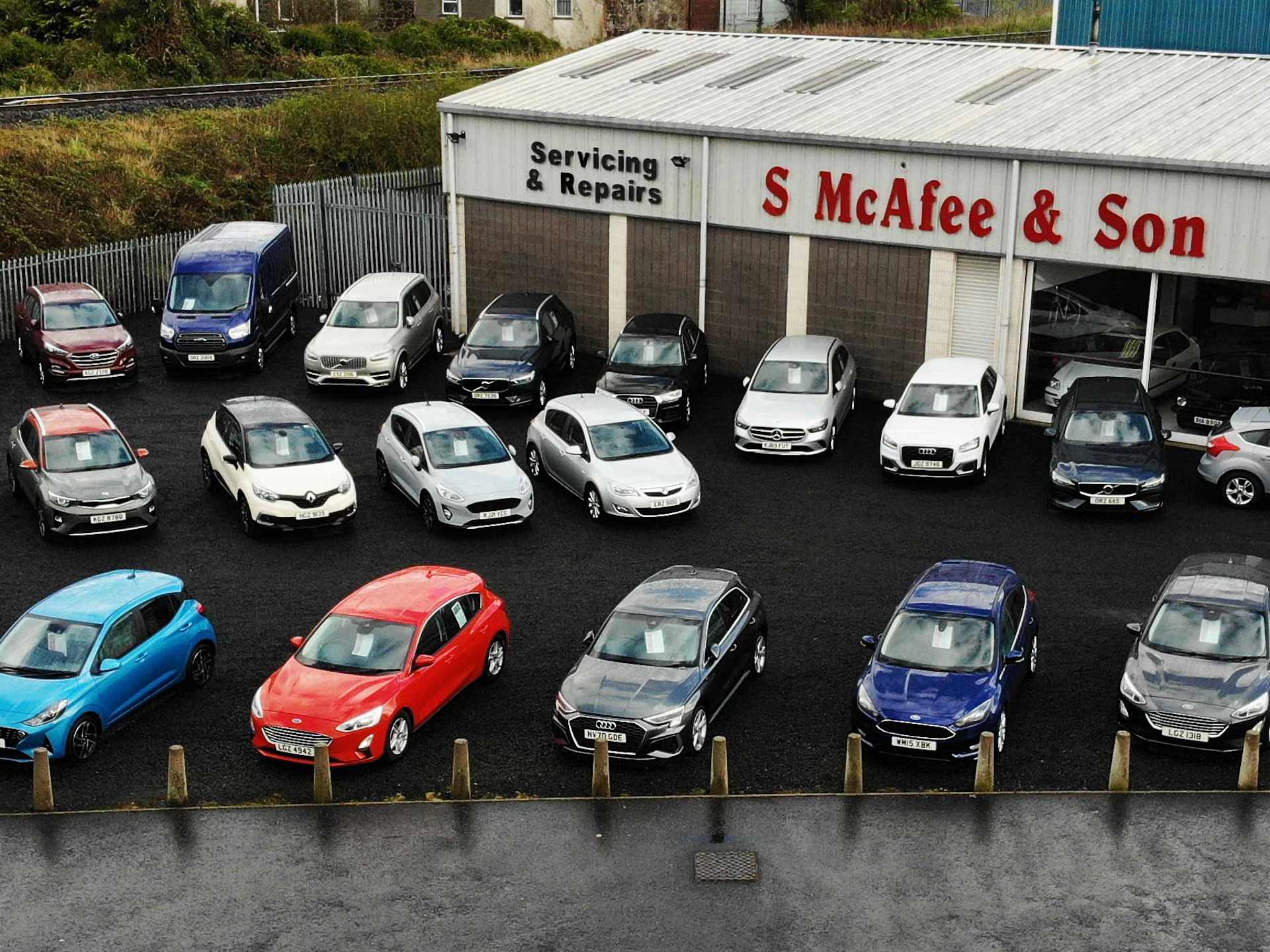
Image: www.smcafeeandson.com
What actually counts as a classic in 2026
This is murkier than it should be, because “classic” means different things to an insurer and to the taxman. On the underwriting side, insurers generally start treating a car as a potential classic somewhere between 10 and 25 years old. There is no single switch, and eligibility leans heavily on the car’s condition, rarity and how it is used rather than age alone.
HMRC, by contrast, draws a sharper line. As GoCompare notes, for tax purposes a classic is defined as a car over 15 years old and worth more than £15,000. That threshold matters mostly for company-car and benefit-in-kind situations rather than your private weekend coupé, but it is a useful sanity check: if your car clears 15 years and £15,000, you are unambiguously in classic territory and should not be limping along on a mainstream policy that settles at market value.
A healthy market, and what that means for you
It is easy to assume specialist cover is a niche backwater, but the figures say otherwise. The UK classic car insurance market is worth £835.9 million in 2026, with 76 businesses active in the sector, again per Heritage’s 2026 report. For an owner, that depth of competition is genuinely good news: 76 providers means you are not at the mercy of a single underwriter’s appetite, and it is worth approaching specialists directly rather than feeding your pride and joy through a mainstream comparison funnel that does not understand agreed value in the first place.
That said, a competitive market is not a static one. Heritage itself has flagged the pressures that could push classic premiums up, so I would not treat this year’s £154.59 average as a permanent fixture. Lock in your valuation and your terms while the climate is favourable rather than assuming next year looks the same.
Where the two clauses meet, and the mistake I see most
The single biggest error is treating agreed value and limited mileage as separate boxes to tick. They are not. They are two halves of the same bargain. The low premium exists because you accept a mileage cap; the cap is bearable because the car is, by definition, not your daily transport; and the agreed value is what makes the whole arrangement worth having, because it protects the capital tied up in a car you are deliberately driving sparingly. Break one assumption, drive too far or skip the proper valuation, and the structure stops protecting you.
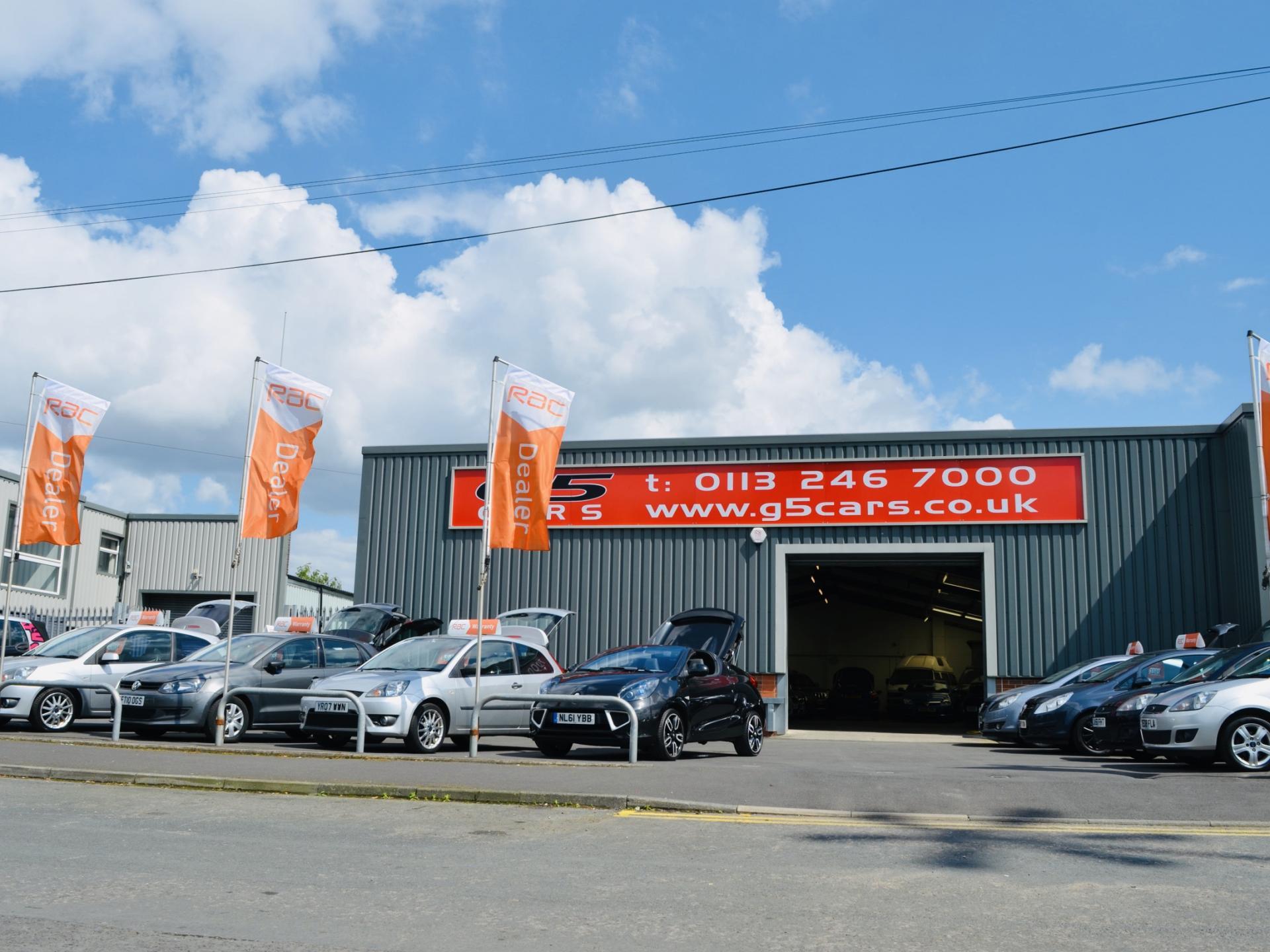
Image: www.g5cars.co.uk
So who is this actually for? If you own a car worth materially more than a mainstream insurer would pay out, drive it for pleasure rather than the commute, and can live inside a sensible mileage band, specialist classic cover with a documented agreed value is not just the cheaper option, it is the only one that genuinely does the job. If, on the other hand, you are using an older car as everyday transport and racking up real miles, do not be seduced by the headline premium; you will breach the cap and you do not need agreed value badly enough to justify the constraints.
What I would do before I signed anything
If the car were mine, I would do three unglamorous things before paying a penny. First, get the agreed value documented properly at inception, with photographs and, for anything genuinely valuable, an independent valuation, then diarise a review as values move. Second, work out my honest annual mileage and buy the band above it, not below. Third, take the conversation straight to a specialist rather than a price-comparison default, because the cheapest quote that settles at market value is not cheap at all, it is just a smaller bill for the wrong product. Agreed value and limited mileage are not jargon to skim past. They are the entire reason classic cover works, and the few minutes it takes to get them right is the best-spent quarter-hour in the whole exercise.
Figures and definitions cited reflect 2026 sources at the time of writing; classic insurance terms and valuations vary by insurer and individual circumstances, so confirm cover details directly with your provider before relying on them.
Buyer action
Where to check next
Use this as the final check before paying a deposit, signing finance paperwork or relying on a headline monthly figure.
We use cookies to make this site work, measure how it is used, and (with your consent) personalise advertising. Strictly necessary cookies always run. Analytics and advertising cookies run only if you accept. See our Cookie Policy and Privacy Policy.
Car Deal Expert is a trading name of Greyline Technologies Limited. Registered in England & Wales, company no. 16673047. Registered office: 71-75 Shelton Street, London WC2H 9JQ.