Car Deal ExpertIndependent UK car-buying guidance: premium used cars, finance, salary-sacrifice EVs, insurance, recalls and consumer protection since 2008.
The real cost of running a Range Rover in 2026, including £5,690 first-year road tax and soaring fuel bills.
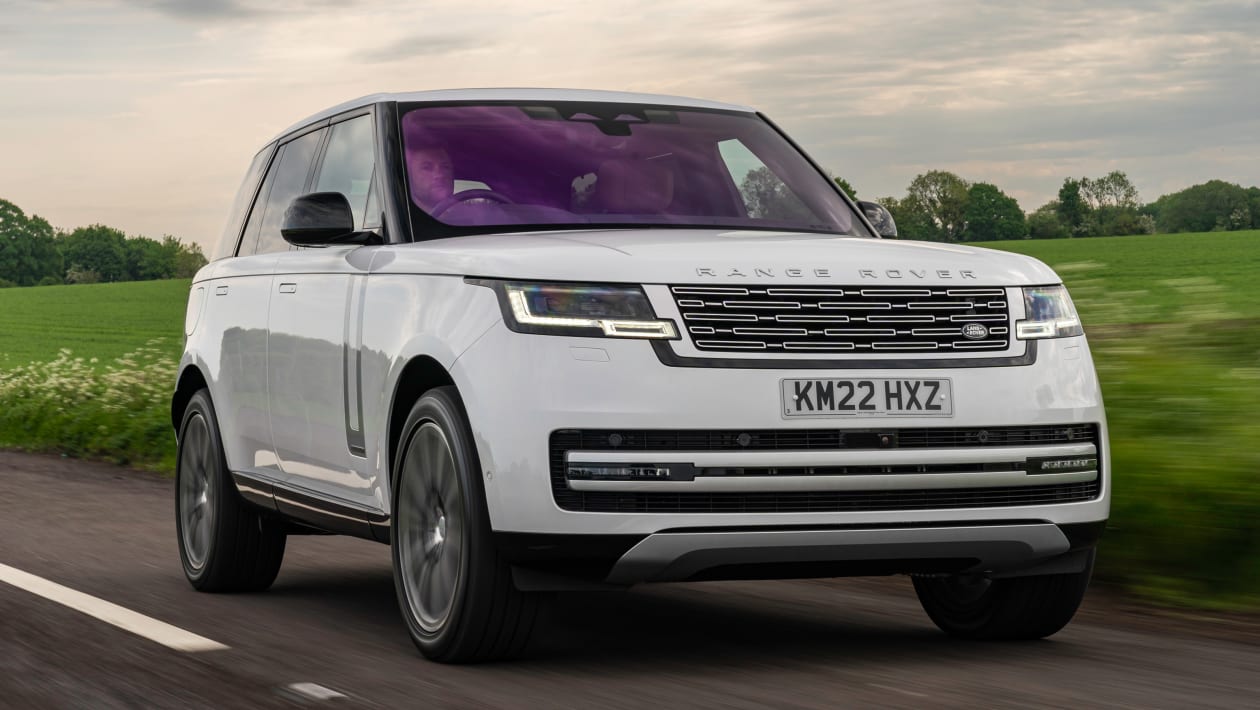
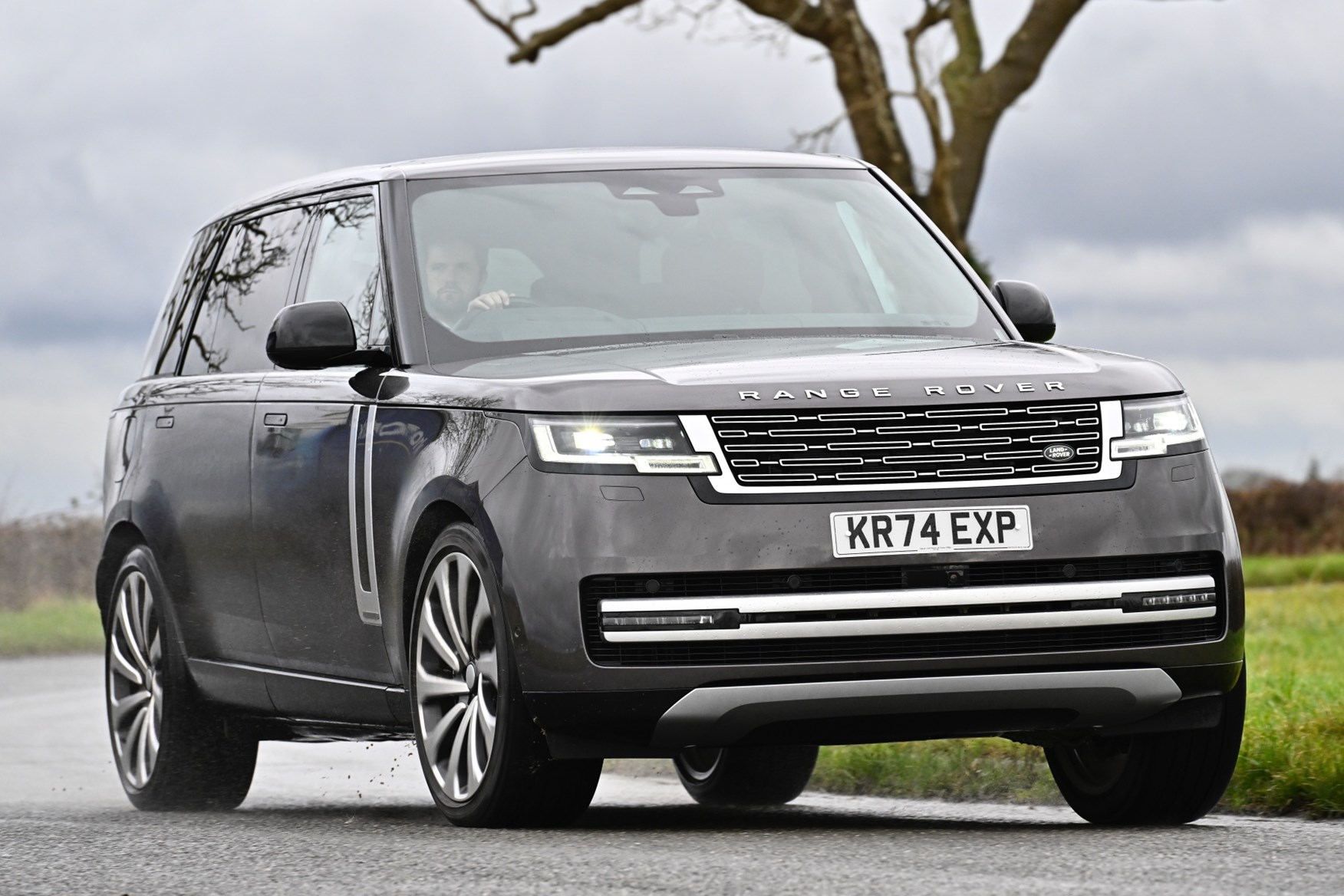
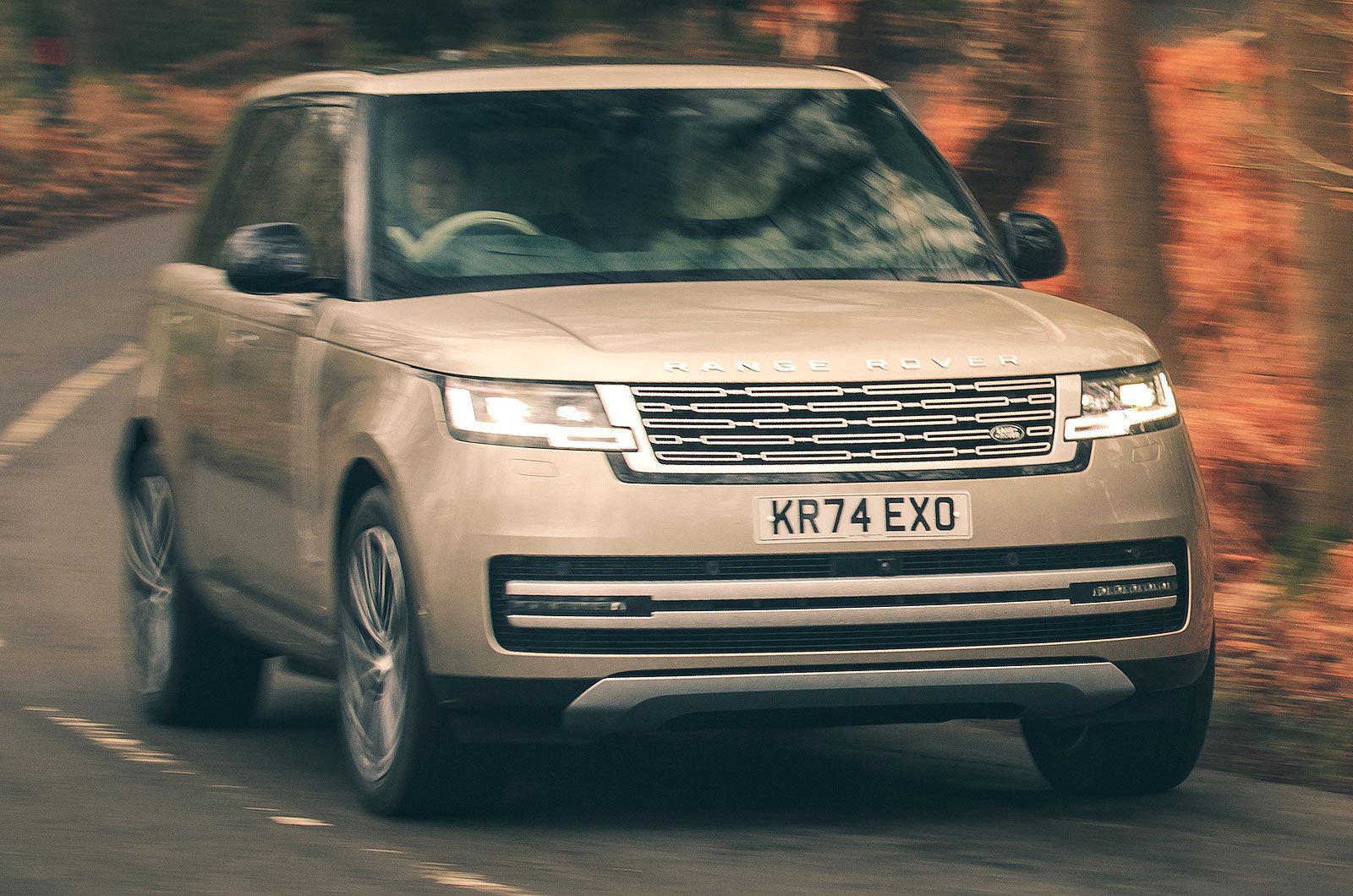
The sticker price is the cheap part. A new Range Rover opens at £107,530 on the road for the entry SE D300, yet the bill that quietly does the damage is the one that lands every year after , and on the worst-specified cars it starts with a £5,690 first-year road tax hit before you’ve turned a wheel. Those figures come from Parkers’ 2026 Range Rover running-costs review, and they reframe the whole question. This isn’t a car you buy. It’s a car you fund.
I want to be straight about what owning one actually costs in 2026, because the showroom conversation almost never is. The trim ladder runs a very long way , from that £107,530 SE diesel up to the long-wheelbase SV P615 petrol flagship at £192,600 OTR, with What Car? and Sytner listing SV money climbing to £237,420 once you reach the very top. But the headline OTR number is a single moment. The running costs are the relationship, and they’re the part I’d make you sit down for before you sign anything.
The fuel bill is where the badge bites (running a Range Rover)
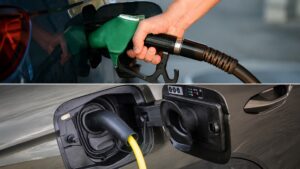
Here’s the figure that should govern your choice of engine. The D300 diesel returns 36.8mpg on the WLTP cycle; the P530 petrol manages just 24.3mpg. On a 2.5-tonne luxury SUV those numbers aren’t a rounding error , over a year they’re the difference between a fuel habit you can defend and one you’ll resent.
And the official lab figure flatters everyone. A real-world owner breakdown logged by Parkers assumes a more honest 28mpg, which over 20,000 miles at £1.40 a litre works out at £4,500 in fuel alone. That’s before tax, before tyres, before a single service. Buy the petrol and drive it like it’s asking to be driven, and you can watch that number rise without much effort.
Run the official figures out to the same 20,000 miles and the gap between the two engines is stark. At £1.40 a litre , roughly £6.36 a gallon , the 36.8mpg diesel swallows about £3,460 of fuel a year; the 24.3mpg petrol burns through closer to £5,240. That’s a swing of nearly £1,800 a year on the WLTP numbers alone, and the real-world delta is usually wider, because the heavier-footed cars rarely see their lab figure. Over a typical three-year ownership that’s more than five thousand pounds of difference , decided entirely by which engine badge you tick on order day.
This isn’t a car you buy outright and forget. The diesel-versus-petrol decision isn’t about character , it’s about which fuel bill you’re willing to wake up to for the next three years.
The plug-in hybrid maths only works if you plug in
On paper the plug-in hybrids look like an escape hatch. The P460e claims 386mpg WLTP with a 74-mile electric range, and the P550e quotes 366.8mpg. Those WLTP economy numbers are gloriously unreal , they exist only because the test starts with a full battery and a short distance. The honest reading is the electric range: 74 miles. If your daily run sits inside that and you have a home charger, the PHEV is genuinely the most economical Range Rover to feed and the cleanest to tax.
Let the battery sit flat and you’re hauling its weight around on petrol , at which point you’ve bought a heavier, costlier car to get worse economy than the diesel. The PHEVs start from £118,030 OTR in short-wheelbase form and £140,000 for the long-wheelbase, per Sytner and Carbuyer. That premium over the diesel only pays you back if you live the charging discipline. No charger, no case.
Road tax: the cost nobody quotes you
VED is where a Range Rover stops being a normal car, and it’s the line I’d put in bold on any quote a dealer hands you. Under the bands the Treasury sets and the DVLA collects, the high-CO₂ petrols and diesels carry a first-year tax charge of £5,690 , a sum most people associate with a deposit, not a tax disc. After that the annual bill settles at £640: the £200 standard rate plus the £440 expensive-car supplement that bites because the list price sails past £40,000 (it sails past it three times over).
That supplement runs for several years, not once, and it’s the bit owners forget to budget for. The same Parkers owner report logged £877.50 of VED across an 18-month snapshot of ownership , a recurring line on a car you’ve already paid six figures for. Note the figures shift across sources, too , What Car? and Sytner pitch the range entry slightly higher at £112,760 for the SE D300, with SV models opening at £164,150. Whichever number you take, the tax structure punishes the petrols hardest, which is one more nudge toward the diesel or the plug-in.
The real three-year number
Pull it together and the picture sharpens. That same real-world account from Parkers totted up £13,192 in total running costs over 20,000 miles , fuel, tax, servicing, the lot , and crucially, that figure excludes the purchase price entirely. Read that again. Thirteen grand to run, on top of whatever you paid to park it on your drive.
That’s the line I’d want every buyer to sit with before signing. The £107,530 is the entry fee. The £13,192 is the membership. And depreciation , the cost any six-figure SUV carries , sits on top of both. A Range Rover doesn’t ask for one big cheque. It asks for a steady drip you have to be comfortable with for as long as you keep it.
If I were writing the cheque
I wouldn’t touch the P530 petrol unless economy is genuinely irrelevant to you , at 24.3mpg and the top VED band, it’s the most expensive way into the range to run, and the only reason to choose it is the engine note. For almost everyone, the D300 diesel is the grown-up answer: 36.8mpg, the gentler tax profile, and the lowest entry price into the line-up at £107,530.
The plug-in P460e earns its premium only on one condition , a home charger and a commute under 74 miles. Meet that and it’s the most cost-effective Range Rover to live with by a clear margin. Miss it, and you’ve spent more to gain nothing. What would change my mind on the diesel? A confirmed driveway charger and short daily miles. Without those two things, the case for spending up is just optimism. Buy the engine your usage actually rewards, budget the thirteen grand a year that nobody mentions in the showroom, and the Range Rover stops being a financial ambush and becomes what it should be: a luxury you chose with your eyes open.
How we researched this guide
Every pick here is shortlisted from hands-on testing and time spent living with the hardware by the CDE desk, then sanity-checked against current UK pricing, manufacturer specs and real-world performance before it makes the cut. We never rank for commission — affiliate links don't change the order.
Buyer action
Where to check next
Use this as the final check before paying a deposit, signing finance paperwork or relying on a headline monthly figure.
We use cookies to make this site work, measure how it is used, and (with your consent) personalise advertising. Strictly necessary cookies always run. Analytics and advertising cookies run only if you accept. See our Cookie Policy and Privacy Policy.
Car Deal Expert — independent UK automotive publisher since 2008.