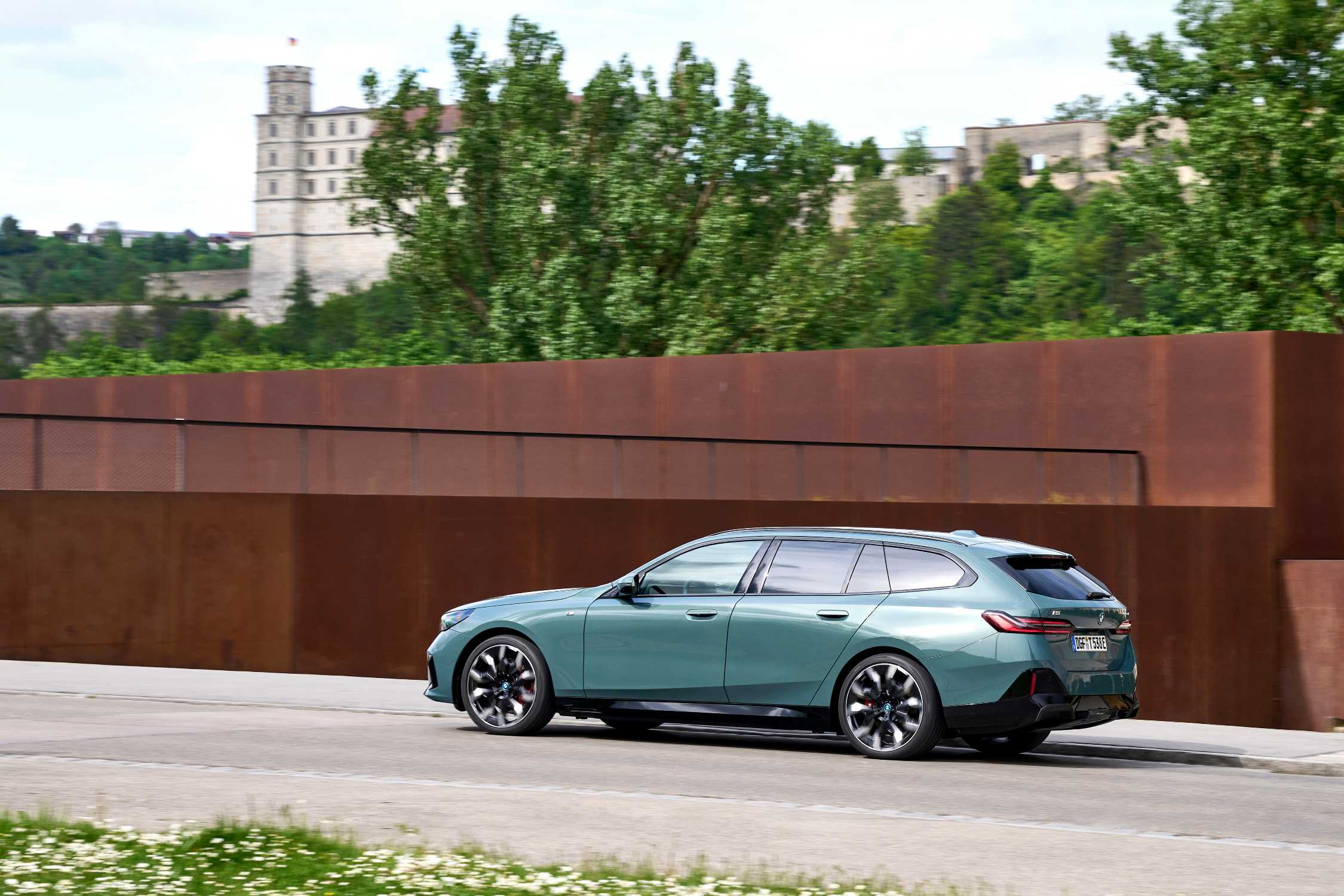
BMW i5 Touring salary sacrifice: the executive estate
Key facts
- The BMW i5 Touring is the electric version of the 5 Series estate: eDrive40 Touring from £69,945, M60 xDrive Touring from £99,995 (BMW UK, checked 21 June 2026).
- As a zero-emission company car it sits in the 4% benefit-in-kind band for 2026/27; a like-for-like petrol estate sits near the 37% cap.
- That single gap, 4% against 37%, is the entire salary-sacrifice case. On a higher-rate taxpayer it is the difference between roughly £93 and £740 a month in tax.
- 81.2kWh usable battery, around 360 miles WLTP on the eDrive40. The depreciation risk stays with the leasing provider, not you.
The BMW i5 Touring salary sacrifice question is really a question about one number, and it is not the price. It is 37. That is the benefit-in-kind percentage a petrol 5 Series Touring would carry as a company car in 2026/27, against 4% for this electric one (gov.uk company-car tax tables, October 2024). Put the same executive estate on a workplace scheme in two forms, one combustion and one electric, and the taxman charges you nine times more for the privilege of the petrol. I have spent enough time picking apart finance and ownership costs to be wary of anything a lease broker calls a bargain, so I went looking for where the i5 Touring case falls down. It mostly does not, but the caveats are worth knowing before you sacrifice four years of gross pay.
What the i5 Touring actually is
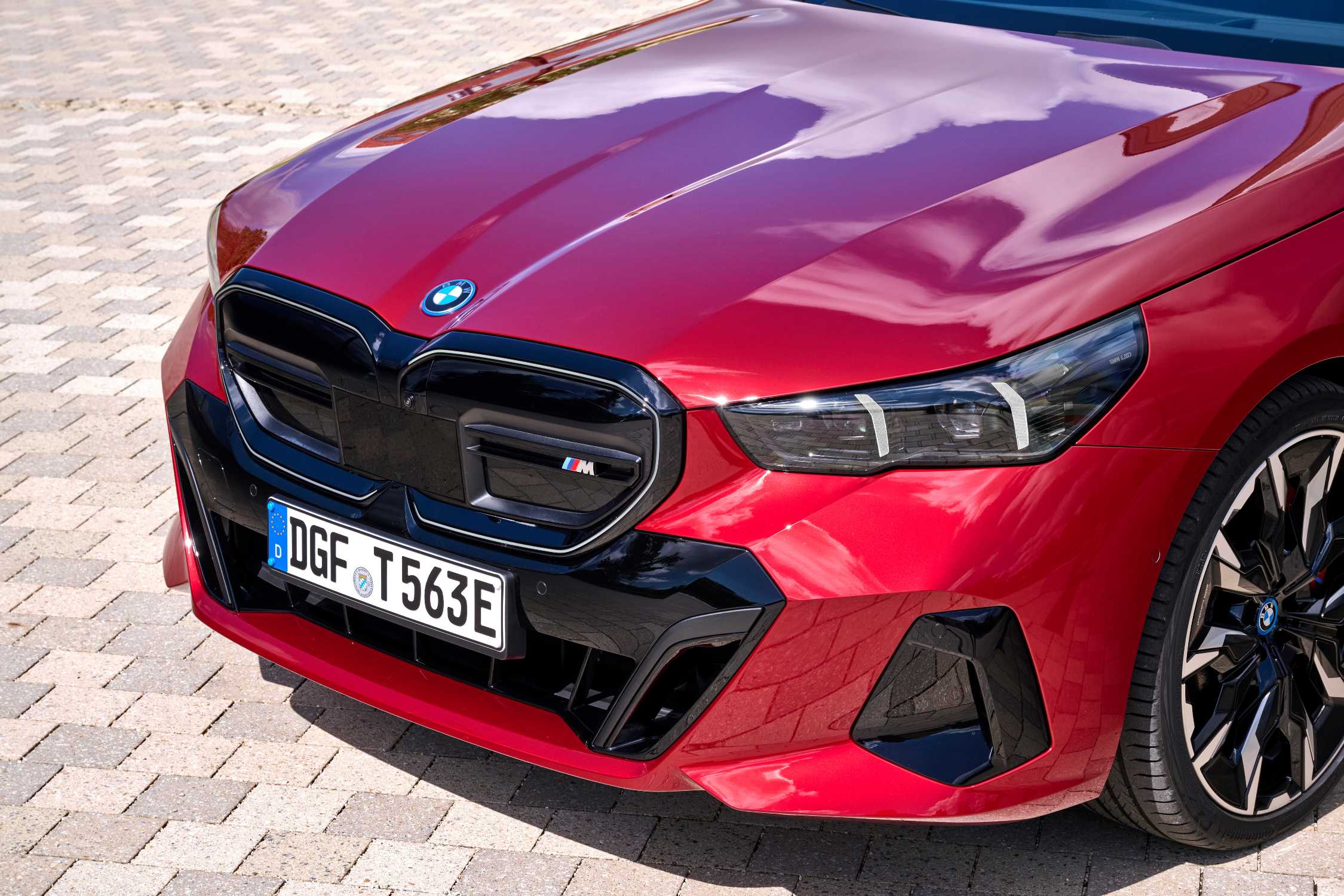
This is the full 5 Series estate, not a crossover pretending to be one. You get the long roof, the proper load bay and the same cabin as the saloon, with an 81.2kWh usable battery underneath. The eDrive40 Touring is rear-wheel drive, 335bhp, and good for around 360 miles WLTP; the M60 xDrive Touring adds all-wheel drive and serious pace but trims the range to the low 320s and lifts the price by thirty thousand pounds. For a company-car driver the eDrive40 is the sensible half of the range, and it is the one I would put on a scheme. The M60 is a lovely thing, but you pay for it twice, once on the list price and again on the benefit-in-kind that list price drives.
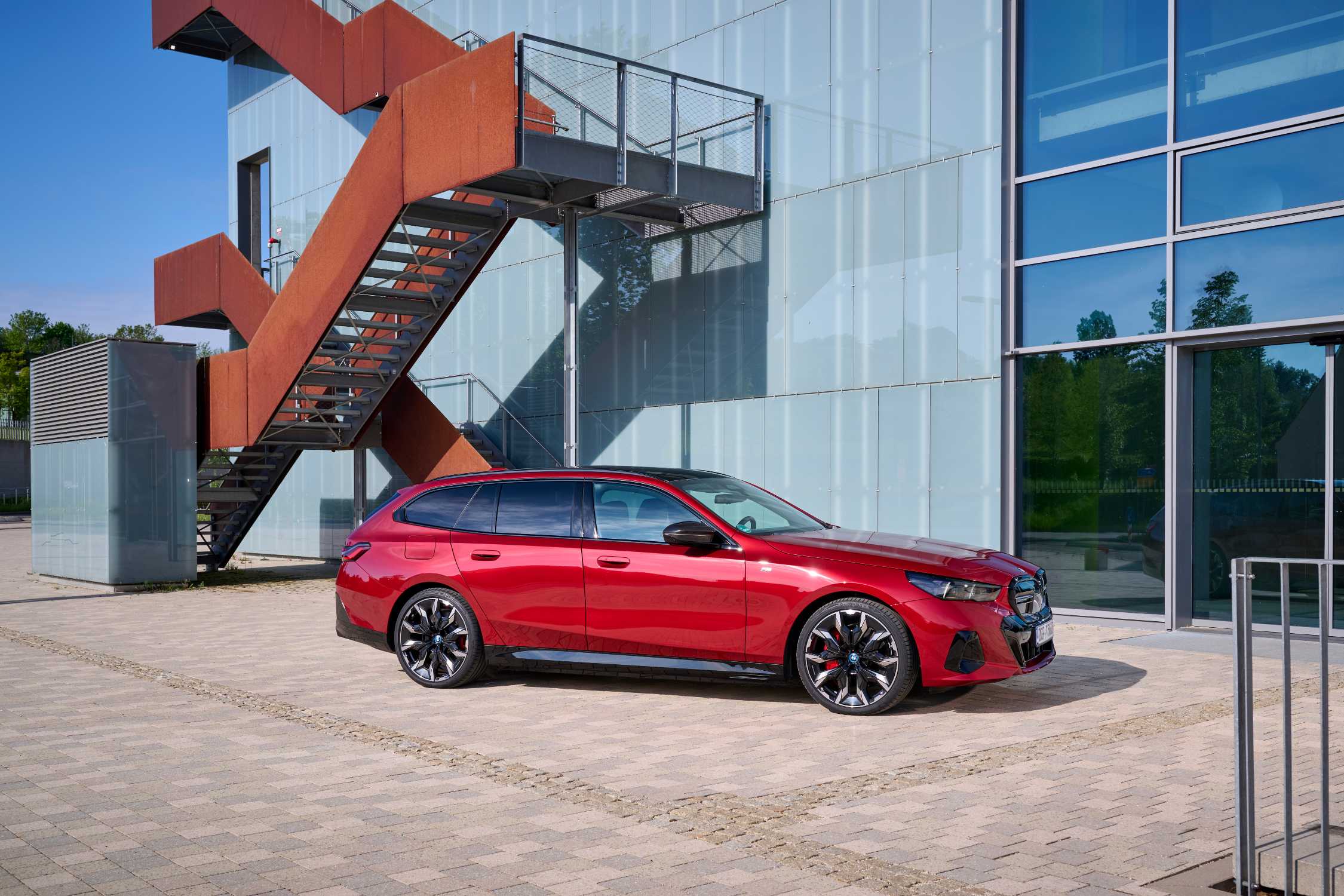
The BMW i5 Touring salary sacrifice maths
Salary sacrifice works by giving up gross pay to fund the lease, so you avoid income tax and National Insurance on the money sacrificed, then pay benefit-in-kind on the car. For an EV that benefit-in-kind charge is the car’s P11D value multiplied by 4%, multiplied by your marginal tax rate. On the eDrive40 Touring, with a P11D close to its list price, 4% comes to roughly £2,800 of taxable benefit. A 40% taxpayer pays about £1,120 of that a year, near enough £93 a month. The table below sets the two i5 variants against a like-for-like petrol executive estate to show where the saving comes from.
| Company car (2026/27) | i5 eDrive40 Touring | i5 M60 xDrive Touring | Petrol exec estate (illustrative) |
|---|---|---|---|
| OTR / list price | £69,945 | £99,995 | around £60,000 |
| BiK band | 4% | 4% | 37% (near the cap) |
| Taxable benefit a year | around £2,800 | around £4,000 | around £22,200 |
| Tax for a 40% payer | about £1,120 (£93/mo) | about £1,600 (£133/mo) | about £8,880 (£740/mo) |
| Range / economy | around 360 miles | around 321 miles | around 35mpg |
| Who it suits | Most scheme drivers | Performance, deep pockets | Almost nobody on a scheme |
The taxman charges a higher-rate driver about £93 a month for the electric estate and roughly £740 for the petrol one. That gap is the whole argument.
Those petrol figures are deliberately illustrative, but they are not far off reality for a £60,000 combustion estate sitting near the 37% cap. The point stands at any sensible set of inputs: the electric i5 Touring is taxed as a company car at a fraction of its petrol twin. This is the same mechanism that makes the saloon work, which we costed in our look at the BMW i5 on salary sacrifice, and it is why an executive estate that would be madness to buy outright can make complete sense on a scheme.
How it stacks up against the Audi and Mercedes estates
The i5 Touring is not the only electric load-lugger an executive can sacrifice for. The Audi A6 Avant e-tron is the obvious cross-shop and shares the same 4% band; the Mercedes E-Class Estate, in its mild-hybrid petrol and diesel forms, does not, which immediately puts it on the wrong side of the tax line for a scheme. If you want the EV estate with the longest legs and the most familiar badge, the i5 and the A6 Avant e-tron are the two to weigh, and the decision comes down to range, boot shape and how your scheme prices each. The Mercedes EQE on salary sacrifice is the saloon-shaped alternative if you can live without the tailgate.
Practically, the Touring’s long load bay and split-folding rear seats are the whole reason to pick it over the saloon, and they survive the switch to electric intact: the battery sits under the floor, not in the boot, so you lose almost nothing in carrying capacity to the i5 saloon while gaining the tailgate.
Where the i5 Touring case is weaker than the brochure
Three honest caveats. First, the 4% band does not stay at 4%: it becomes 5% in 2027/28, 7% in 2028/29 and 9% in 2029/30, so a four-year scheme starting now spends its final year paying more than double the tax of its first, though even 9% on an EV stays cheap. Second, the depreciation that wrecks a privately bought executive EV sits with the leasing provider on a scheme, which is the quiet upside, but the flip side is that early-exit terms can be brutal if you leave your job; read the scheme’s small print, not the salesperson’s summary. Third, this is a big, heavy estate on big wheels, so real-world range and tyre bills are real considerations, and the running costs do not vanish just because the tax is low. We laid those out in our piece on the hidden costs of a salary-sacrifice EV.
Who I would actually put in one
The i5 eDrive40 Touring is the company car I would steer a higher-rate taxpayer towards if they genuinely need an estate, can charge at or near home, and have a stable enough job that a four-year commitment does not frighten them. At roughly £93 a month in tax for a £70,000 car, it is one of the most rational uses of salary sacrifice I can point to right now. The M60 is harder to justify on a scheme; the tax is still low, but you are sacrificing a great deal more gross pay to fund a £100,000 lease, and the eDrive40 does the job the estate exists to do. If you are still deciding whether a scheme beats taking the cash, our breakdown of salary sacrifice versus a car allowance is the sum to run first.
Final verdict
BMW i5 Touring salary sacrifice: 4% BiK against 37% petrol, eDrive40 from £69,945, and how it compares with the Audi and Mercedes estates.
How we compare
Buyer action
Where to check next
Use this as the final check before paying a deposit, signing finance paperwork or relying on a headline monthly figure.