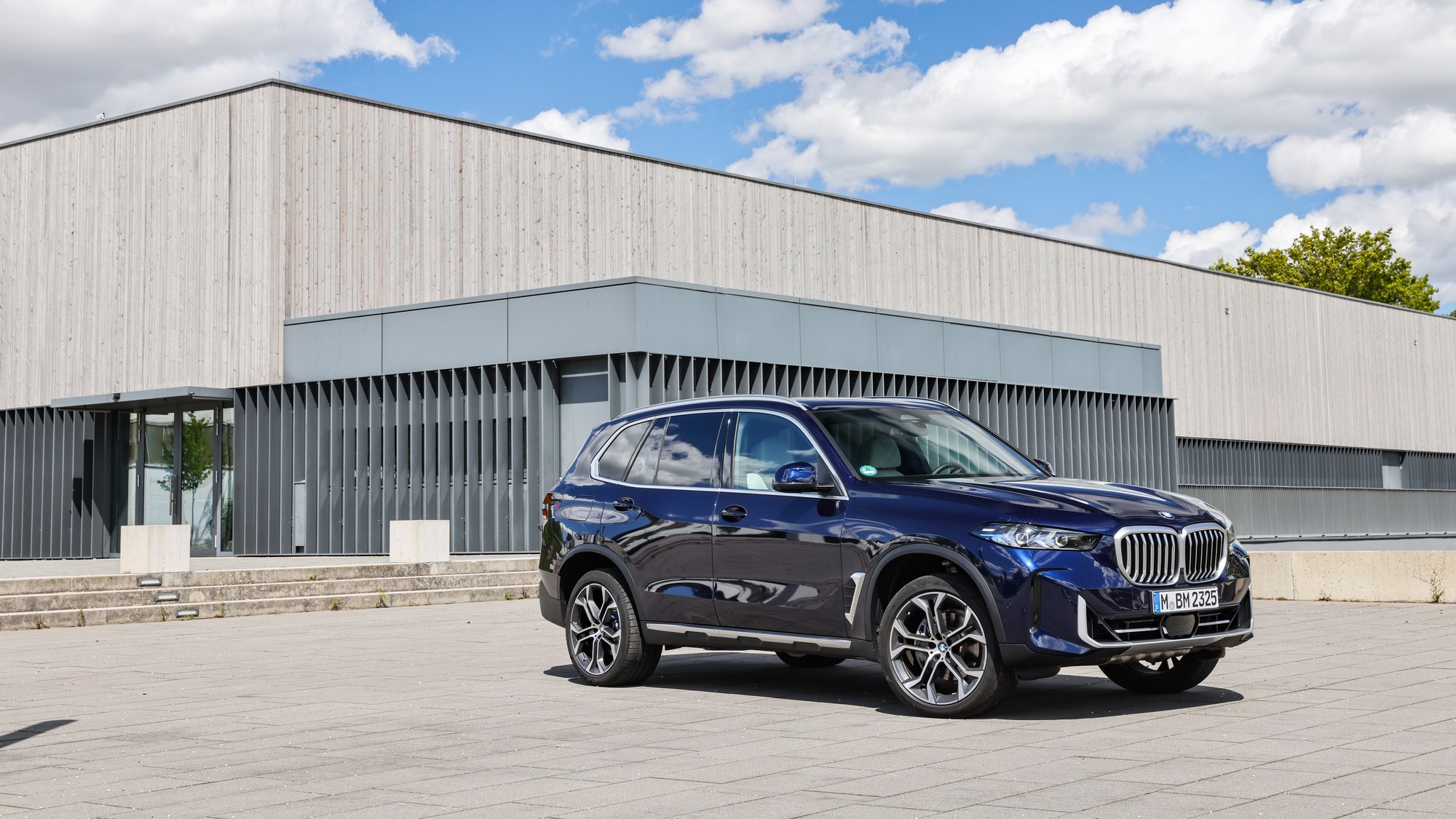
As of June 2026 the BMW X5 xDrive40d lists at around £85,000 on the road (Carwow), and it is the car I keep coming back to when someone with that kind of budget asks me for a big premium SUV that will not punish them every month. It is a 3.0-litre straight-six diesel in a world sprinting towards electric, and that is precisely why it still makes sense: the finance is keener than the badge suggests, the depreciation curve is well understood, and the engine is the best all-rounder BMW has ever put in this car. Today’s deal is the 40d, and whether it is a smart buy comes down to numbers most showrooms would rather you skimmed past.
Deal of the Day: the numbers that matter
- From around £85,000 OTR for the xDrive40d MHT M Sport (Carwow), a 3.0-litre straight-six diesel mild-hybrid with 340bhp and 0 to 62mph in 5.5 seconds.
- BMW Select (PCP) has recently been advertised on the X5 from around 4.9% APR representative over 48 months; on a typical four-year deal a 40d sits comfortably over £1,000 a month.
- Around 37 to 39mpg on the WLTP combined cycle (Parkers), insurance groups 43 to 50, and the £40,000-plus VED supplement to factor in.
- As a diesel it carries a high company-car tax charge, so this is a private or cash buy, not a salary-sacrifice play.
What the BMW X5 xDrive40d costs, and the engine that earns it
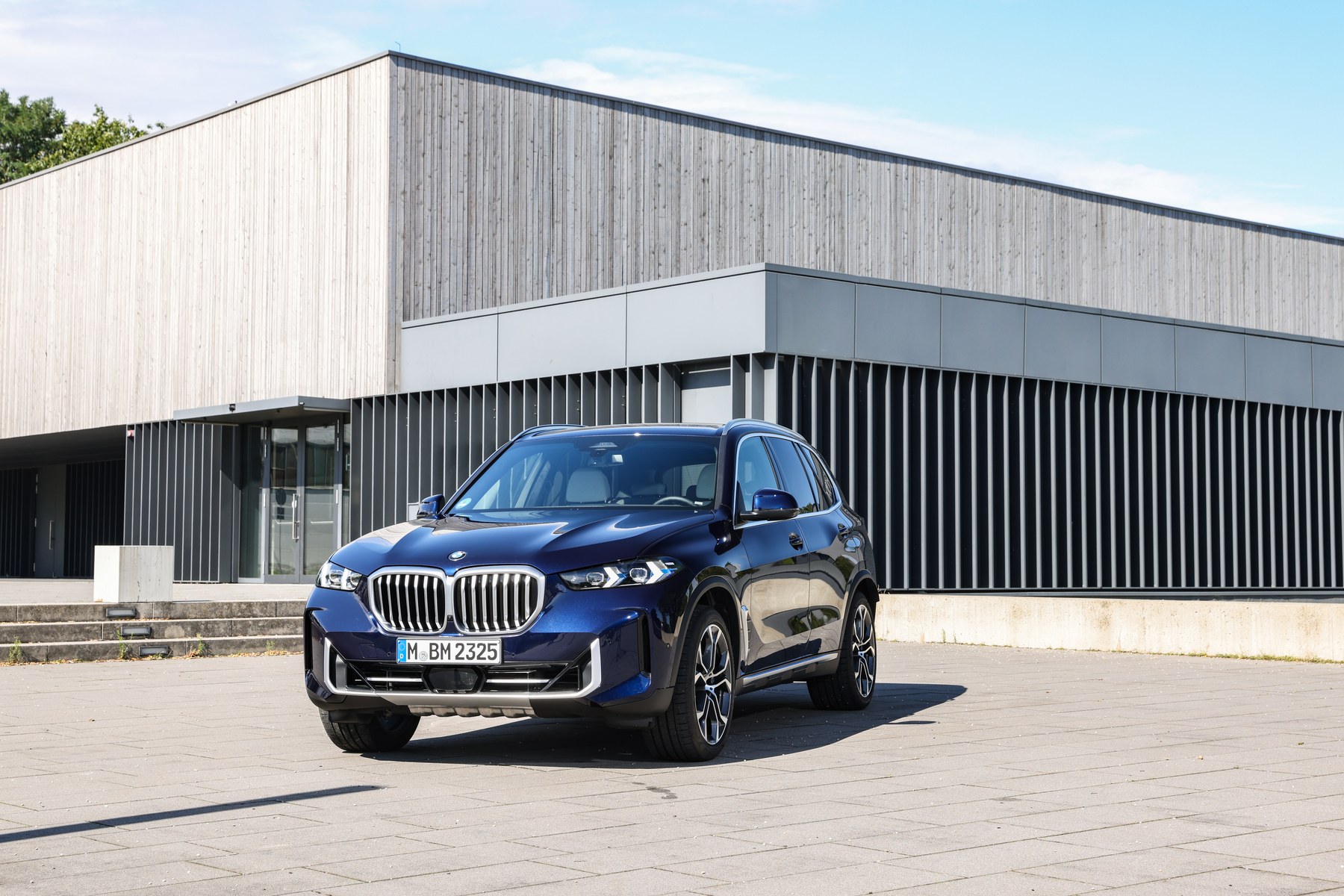
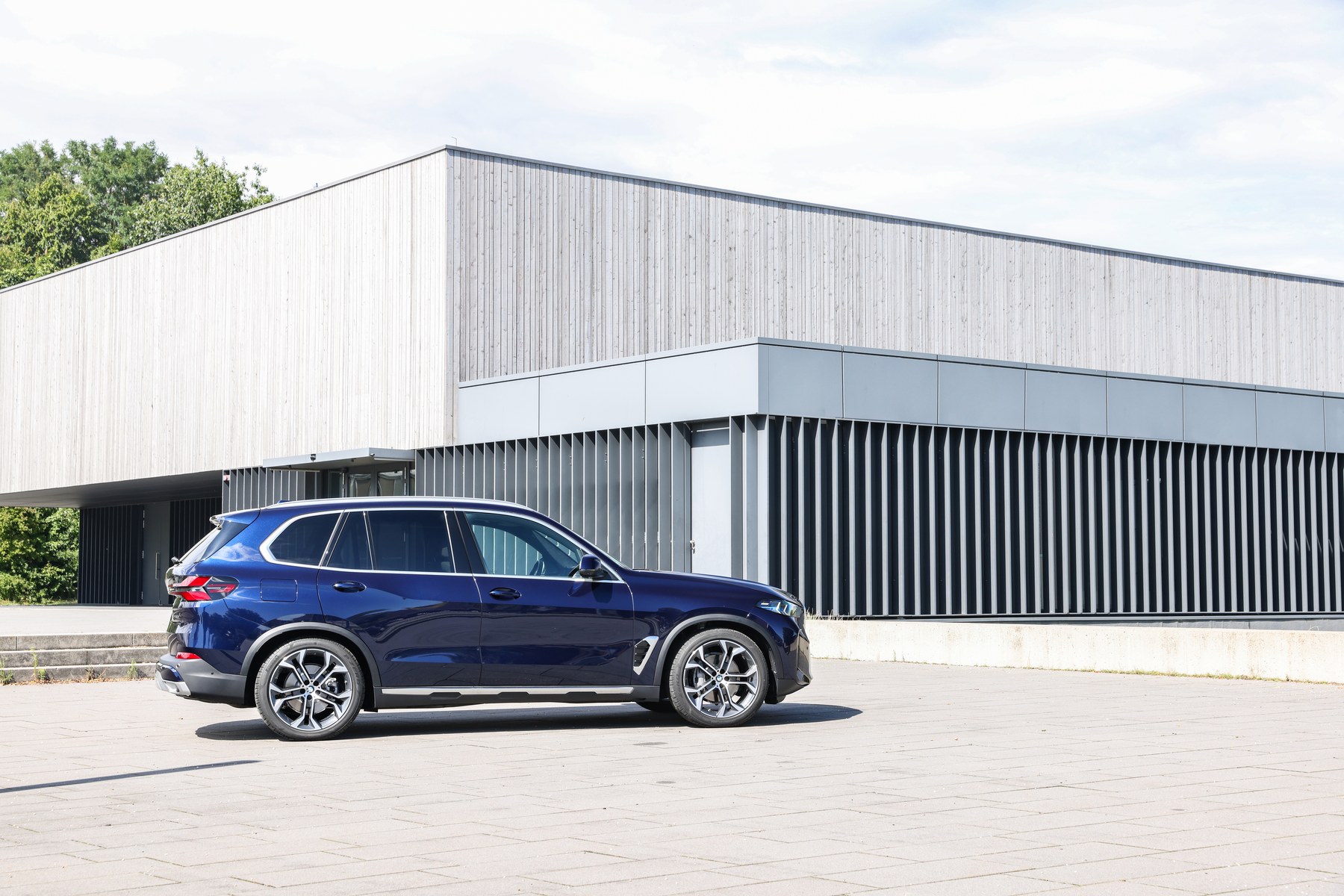
The entry point is around £85,000 on the road for the xDrive40d MHT M Sport (Carwow’s current pricing), and the range runs up past £100,000 once you reach the M60i and the loaded TechPro cars. Ignore the top of that range. The 40d is the one that does the job: a 3.0-litre straight-six diesel with mild-hybrid assistance, 340bhp, and a 0 to 62mph time of 5.5 seconds that no diesel SUV has any business posting. It is smooth, it is quiet, and it will cover 500 motorway miles between fills without complaint. For a high-mileage driver that combination is worth more than any amount of electric novelty.
If you want the same car for less money and you can live with a slightly older example, the smarter buy may be a used one: the BMW X5 G05 used buyer’s guide sets out which year and engine to chase and what to avoid. But for a new-car buyer who wants the warranty and the latest cabin, the 40d is where I would start the conversation.
The PCP maths: 4.9% APR and where the money actually goes
Here is where the X5 quietly beats its image. BMW Select, the brand’s PCP product, has, as of June 2026, been advertised on the X5 from around 4.9% APR representative over a 48-month term by BMW retailers. That is a sharp rate for an £85,000 car, and it is the single biggest reason the monthly is more palatable than the sticker suggests. Manufacturer rates rotate regularly, so treat 4.9% as the starting point to confirm and negotiate from rather than a fixed promise. On a typical four-year deal at 6,000 miles a year a well-specced 40d sits comfortably over £1,000 a month once the optional final payment is set, and a base M Sport comes in lower as the options come off.
The lever that decides your monthly is the optional final payment, the guaranteed future value the lender sets at the end. A higher final payment shrinks the monthly but leaves a big lump to clear or refinance later; a bigger deposit does the opposite. None of those numbers are a finance offer, and any rate you are quoted is representative and subject to status. The mistake I see most often is a buyer fixating on the monthly while ignoring a final payment that quietly balloons; the GMFV is where a PCP rewards or punishes you. If you are weighing the structure itself, the trade-offs are the same ones set out in the breakdown of PCP versus HP on a premium car and PCH versus PCP on a £70,000 SUV.
A sub-5% representative APR on an £85,000 diesel is the kind of rate that makes the monthly look reasonable and the optional final payment look terrifying. Read the GMFV before you sign, not after.
The running costs that never show up in the monthly
The PCP is only half the bill. On the WLTP combined cycle the 40d returns roughly 37 to 39mpg (Parkers), which is genuinely good for a two-tonne SUV but a long way from EV money at the pump. Insurance is premium-SUV territory: the X5 spans groups 43 to 50, and the 40d sits near the top of that band, so budget accordingly rather than assuming the quote. And because the car costs more than £40,000 new, it falls into the expensive-car VED supplement for years two to six, which adds several hundred pounds a year to the road tax on top of the standard rate.
None of that is a dealbreaker, but it is the difference between the car you think you are buying and the one that lands in your bank statement. Insurance and the VED supplement together can add the better part of £2,000 a year to a 40d, and that belongs in your sums before the deposit, not after the keys.
Why I would not run this one through a company
Be honest about what a diesel does to your tax. A zero-emission company car is taxed at just 4% benefit-in-kind in 2026/27 under HMRC’s company-car tax rules, which is what makes an electric SUV so cheap through payroll. A diesel X5 sits near the top of the CO2-based scale, so running it as a company car is an expensive way to drive. If the car is going through a business, the maths almost always points at an electric alternative instead, and the gap is laid out in the guide to the 2026/27 company car tax and BiK bands. The plug-in X5 xDrive50e narrows that gap, much as the Porsche Cayenne E-Hybrid’s company-car case shows, but the straight diesel is a private buyer’s car. Buy it with your own money, for your own reasons.
The alternatives that should make you pause
Two cars deserve a test drive before you commit. The first is the Genesis GV80, which undercuts the X5 on price and shames it on standard kit and warranty, and which most buyers never cross-shop simply because of the badge. The second is depreciation itself: premium diesel SUVs have shed value quickly, so a one-to-two-year-old approved-used 40d can save you a five-figure sum over new, the same lesson the used Audi Q7’s three-year depreciation teaches in the rival camp. If the new-car warranty and the latest cabin matter to you, buy new; if value matters more, the used 40d is the smarter spend.
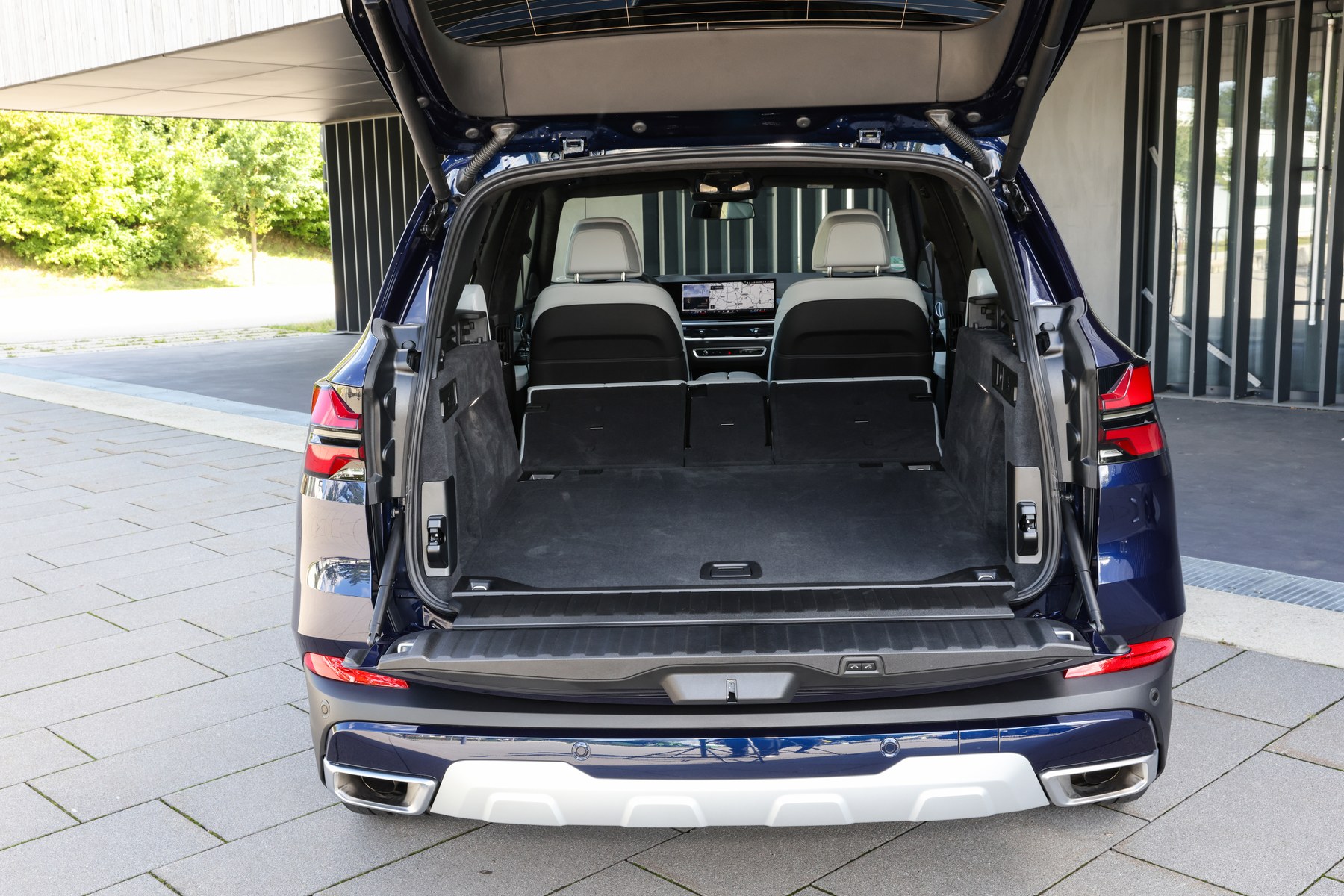
Before you sign anything, run the checks that protect the money. Get the exact OTR and the optional final payment in writing, not just the monthly, and confirm the 4.9% representative APR applies to your status. Price an insurance quote on the specific 40d registration before you commit, given those mid-to-high insurance groups, and budget the expensive-car VED supplement for years two to six. If theft cover worries you on a premium target, the rundown of Thatcham S5 trackers and premium-car insurance is worth ten minutes. And compare the new PCP against a used 40d on the same monthly before you decide new is worth it.
Who should sign, and my score
The BMW X5 xDrive40d is the right call for a higher-mileage private buyer who wants one car to do everything: tow, carry a family, cross the country, and feel special doing it, without the charging admin of an electric SUV. On BMW Select at 4.9% representative it is more affordable to finance than the badge implies, provided you go in with your eyes open about insurance, the VED supplement and the optional final payment. Walk away if the car is going through a business, if your mileage is low enough that an EV’s running-cost savings would win, or if a fully-loaded example pushes you past £1,000 a month for kit you will not use. Spec it sensibly, negotiate from that 4.9%, and the 40d is one of the most rational big-SUV buys on sale.
My score: 8/10. A brilliant all-rounder with sharp finance, marked down only for running costs that demand a clear head and a diesel powertrain that makes no sense as a company car.
Buyer action
Where to check next
Use this as the final check before paying a deposit, signing finance paperwork or relying on a headline monthly figure.