Car Deal ExpertIndependent UK car-buying guidance: premium used cars, finance, salary-sacrifice EVs, insurance, recalls and consumer protection since 2008.
FCA motor finance redress payments are now likely to slip into 2027, the regulator has told MPs, after four legal challenges were lodged against its compensation scheme. The headline numbers still hold (around £7.5 billion of redress across roughly 12.1 million agreements) but the timeline has moved, and the dates being shared online are being misread. Here is what actually changed this week, and what a UK car finance customer should do about it.
FCA motor finance redress: what changed on 10 June 2026
Speaking to the Treasury Committee, the Financial Conduct Authority confirmed that the legal challenges to its scheme will add delay and cost, and that if the scheme proceeds, payments are not expected before 2027. That is a material shift from the original plan, which had the first consumers contacted through 2026. The scheme has not been scrapped; it is paused while the courts deal with the challenges, and the FCA does not expect the case to be heard before October 2026. For anyone who financed a premium saloon like a BMW 5 Series or Audi A6 on PCP or hire purchase between 2007 and 2024, the takeaway is simple: you may be owed money, but you will wait longer for it.
The challenges were lodged by Volkswagen Financial Services, Mercedes-Benz Financial Services, Crédit Agricole Auto Finance and the consumer group Consumer Voice. The regulator has said it will defend the scheme as lawful and as the best way to resolve the issue, but it has been candid about the consequence. As Motor Trader reported on 10 June 2026, the FCA’s deputy chief executive told the committee the delay was now baked in. If you have been following our coverage of the FCA motor finance redress legal challenge, this is the moment that uncertainty turned into a firm 2027 expectation.
The 30 September date is not when you get paid
This is the single most misunderstood part of the scheme. The 30 September 2026 date doing the rounds is not a consumer payday and never was; it is a lender milestone. The redress scheme is split into two by the date your agreement was taken out, and each has its own implementation and confirmation steps. The table below sets out both, drawn directly from the FCA’s policy statement. Read your own agreement date against it before you assume which timeline applies, because mixing the two up is how people end up disappointed.
Image: Audi UK
Step
Scheme 1
Scheme 2
Agreement dates covered
6 Apr 2007 to 31 Mar 2014
1 Apr 2014 to 1 Nov 2024
Implementation period ends
31 Aug 2026
30 Jun 2026
Lenders confirm redress by (approx)
30 Nov 2026
30 Sep 2026
Status after 10 June 2026
Paused by legal challenge
Paused by legal challenge
Source: FCA Policy Statement PS26/3, published 30 March 2026. Dates are lender confirmation milestones, not consumer payment dates, and are subject to the current legal challenges.
So 30 September 2026 is when Scheme 2 lenders are meant to confirm whether and how much is owed; Scheme 1 lenders work to a 30 November 2026 date. Neither is the day money lands in your account, and with the timeline paused, even those confirmation steps are not running as first scheduled. Do not plan your finances around being paid in autumn 2026. The caution in our explainer on who qualifies for the FCA motor finance redress scheme applies even more strongly now the dates have moved.
What the £7.5 billion really means for you
The figures from the final policy statement are firmer than the consultation numbers that circulated last year, and they are different, so it is worth being precise. The FCA’s confirmed scheme covers around 12.1 million agreements and is expected to deliver about £7.5 billion of redress, at an average of roughly £830 per agreement. That average is the part most likely to mislead. An average is not an entitlement: plenty of agreements will pay out less than £830, some will pay nothing because the unfair-relationship test is not met, and a smaller number will be worth more. Treat £830 as a scheme-wide average, not a cheque you are owed.
It all flows from the Supreme Court’s 1 August 2025 judgment in the linked Johnson, Wrench and Hopcraft appeals, which addressed undisclosed and discretionary commission arrangements on motor finance. If your agreement included a commission you were not told about, that is the unfairness the scheme aims to remedy. Whether a premium PCP or HP deal qualifies turns on your paperwork, which is why our guide to what your June 2026 lender letter actually means is the right next read if a letter has landed.
We’ve listened to feedback to make sure the scheme is fair for consumers and proportionate for firms. It will put £7.5 billion back into people’s pockets.
FCA motor finance redress: do not pay a claims company
With a delay confirmed, expect a fresh wave of adverts from claims-management companies promising to chase your money. You do not need them, and using one is likely to cost you. The FCA has been blunt: there is no need to use a claims management company or law firm, and if you do, you could lose over 30% of any money you get. The scheme is designed so your own lender contacts you directly. Martin Lewis sets out the same message in his official reaction below, recorded when the scheme was confirmed in March, which remains the clearest plain-English summary of who is in scope.
If you are weighing up your finance position more broadly while you wait, it is worth understanding the wider picture: rising used values have changed the equity maths, and our piece on negative equity on a premium PCP in 2026 explains where you might stand if you are mid-agreement. Anyone considering ending a deal early should read up on voluntary termination rights under the Consumer Credit Act before acting, because redress and your live contract are two separate things.
The FCA motor finance redress scheme is still happening; what has changed is the clock. A 2027 payout expectation is frustrating, but it is honest, and a delayed scheme that survives a court challenge is worth more than a rushed one that gets struck down. Our view: do nothing expensive and nothing hasty. Keep your old finance paperwork and any commission documents safe, watch for a letter from your actual lender rather than a third party, and ignore anyone charging a percentage to do what your lender must do for free. The £830 average is a useful gauge of scale, not a promise to you personally. If you took out premium car finance between 2007 and 2024, you are likely in scope; the right move now is patience plus good record-keeping, not a claims company.
Read the FCA’s consumer guidance on the scheme and the warning about claims firms before responding to any advert.
Use MoneyHelper for free, impartial guidance on car finance complaints and redress.
Wait to be contacted by your own lender; do not pay anyone a percentage to make a claim on your behalf.
Keep your finance agreement, settlement letters and any commission disclosure documents in one place ready to check.
If you have an open complaint and feel it has stalled, you can escalate to the Financial Ombudsman Service rather than a paid claims company.
Is the FCA motor finance redress scheme cancelled?
No. The scheme set out in PS26/3 still stands and the FCA says it will defend it as lawful. What changed on 10 June 2026 is timing: legal challenges from several lenders and a consumer group mean payments are now not expected before 2027 rather than during 2026.
Will I definitely get £830 from car finance redress?
No. The roughly £830 figure is a scheme-wide average across about 12.1 million agreements totalling £7.5 billion. Some agreements pay less, some pay nothing because no unfair relationship is found, and a few pay more. Treat it as an indication of scale, not a personal entitlement.
What is the 30 September 2026 deadline?
It is a lender milestone, not a consumer payday. Under Scheme 2 (agreements from 1 April 2014 to 1 November 2024), lenders are due to confirm whether redress is owed by around 30 September 2026. Scheme 1 lenders work to roughly 30 November 2026. Both are paused by the current legal challenges.
Do I need a claims company to get car finance compensation?
No. The FCA has said there is no need to use a claims management company or law firm, and that doing so could cost you over 30% of any money you receive. Your lender is required to contact eligible customers directly under the scheme, so you can claim for free.
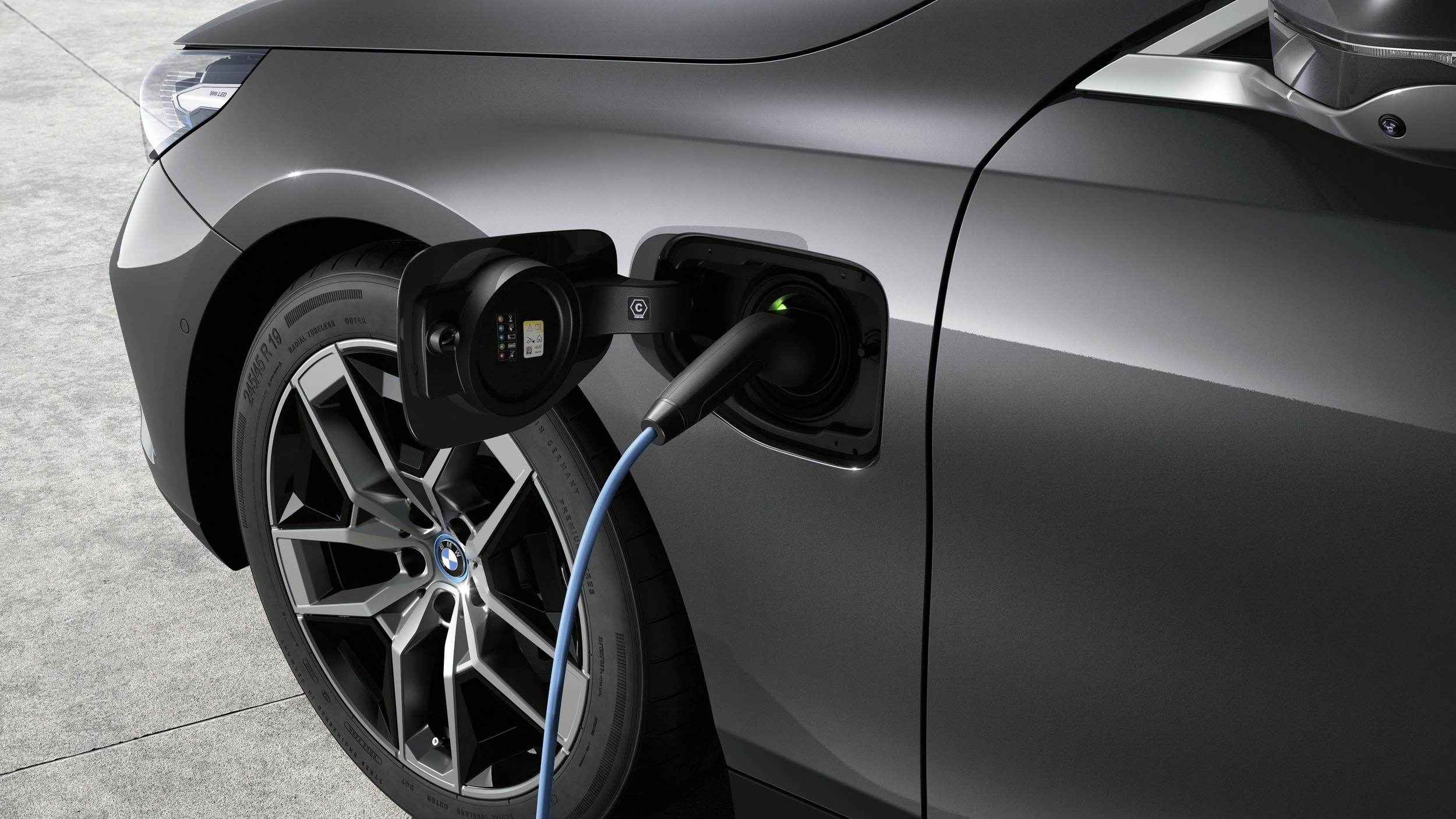
Image: BMW Group
When will car finance redress actually be paid?
The FCA told the Treasury Committee it does not expect the case to be heard before October 2026, and that if the scheme is upheld, payments are expected to begin in 2027. There is no confirmed payment date yet, so plan on a 2027 timeframe rather than 2026.
We use cookies to make this site work, measure how it is used, and (with your consent) personalise advertising. Strictly necessary cookies always run. Analytics and advertising cookies run only if you accept. See our Cookie Policy and Privacy Policy.
Car Deal Expert — independent UK automotive publisher since 2008.