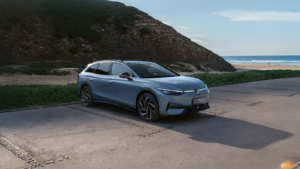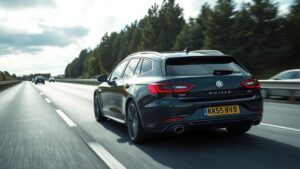
Under £40,000 is the only number that matters on a fleet spreadsheet right now, and the Vauxhall Grandland Electric has spent the last year manoeuvring itself onto the right side of it. When Auto Express reported in April 2026 that the new Griffin entry trim had landed at £34,495 — roughly £5,000 off the old starting price — it confirmed what the May 2025 cuts had already started: this is now a genuinely cheap car to run on the books, which is a very different thing from a cheap car to buy.
That distinction is where I’d start if you’re choosing one for a company car scheme rather than a driveway.
Why the sub-£40k line is the whole story (Grandland Electric)
Cross £40,000 list price on any new car in the UK and you trigger the Expensive Car Supplement — the extra slug of Vehicle Excise Duty that now applies to electric cars too, payable for years two through six. Keep the on-the-road price under that threshold and you sidestep it entirely. At current rates that is around £1,640 over a typical four-year cycle you simply never hand over.
For a private buyer that’s a nice-to-have. For a fleet running dozens of these, it’s the difference between the Grandland making the approved list and being quietly dropped for something that does. The 73kWh Griffin at £34,495 clears the bar with room to spare, and the trims above it were deliberately re-priced last spring to do the same — the Design landed at £37,345 and the GS at £38,495 after the May 2025 reductions, both comfortably beneath the supplement. Only the top Ultimate, at £40,495, pokes its nose over the line and takes the VED hit.
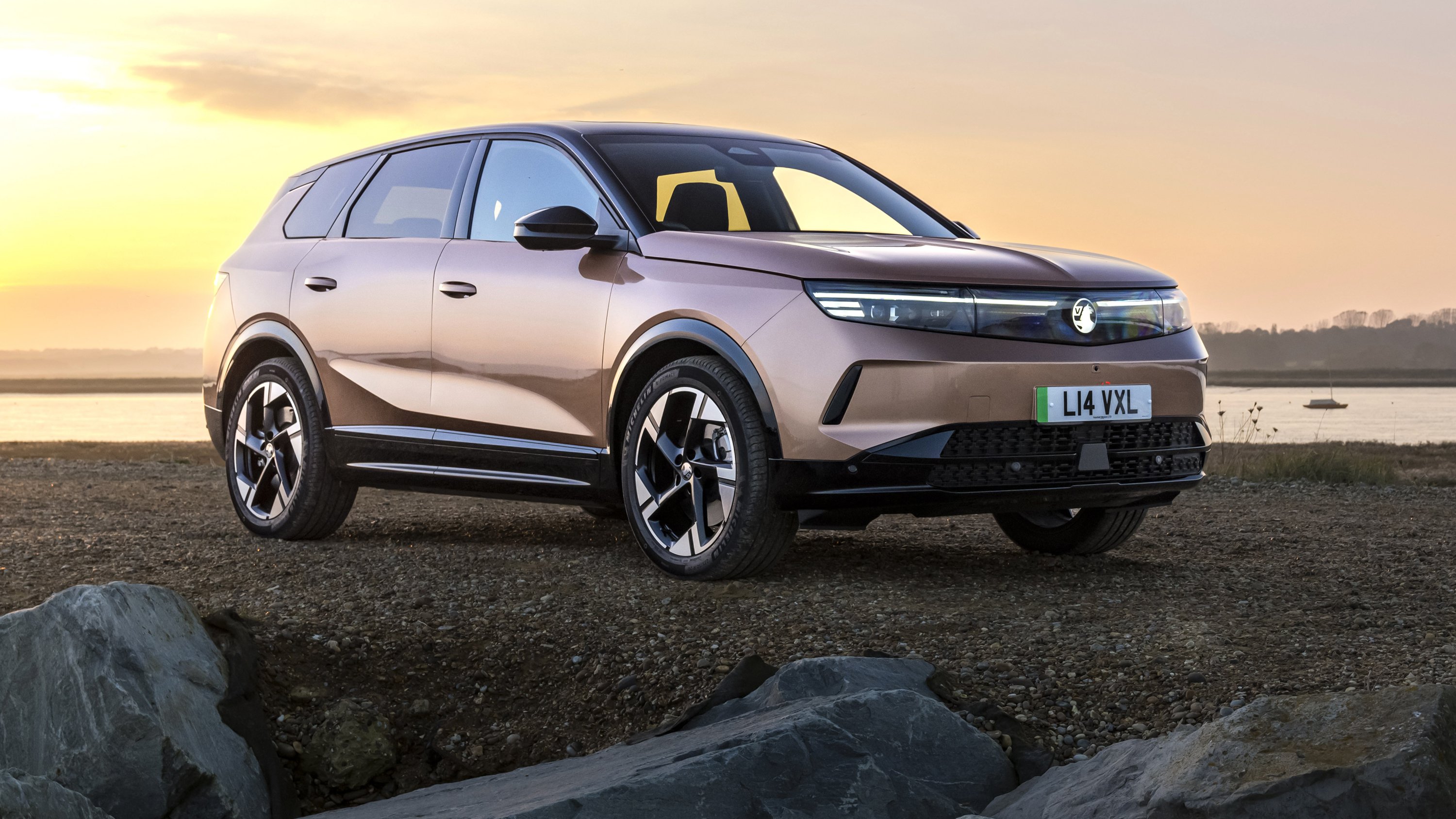
I think that pricing was engineered rather than coincidental, and it’s the smartest thing Vauxhall has done with this car. The spec barely changes between, say, a Design and an Ultimate in the ways a fleet driver actually feels day to day. The tax treatment changes a lot.
This pricing wasn’t an accident. Vauxhall built almost the entire range around the £40,000 line, because that line is exactly where a company-car fleet decides yes or no.
The numbers that make it a credible company car
Strip away the trim talk and the bones are fine. Auto Express lists the Electric in 73kWh form with 210bhp, a 322-mile range and a 0–62mph time of around nine seconds. Nobody buys a mid-size electric SUV for the stopwatch, but 322 miles is the figure that stops range anxiety becoming a line item in driver complaints, and it’s enough that a rep covering a sales patch isn’t planning their week around chargers.
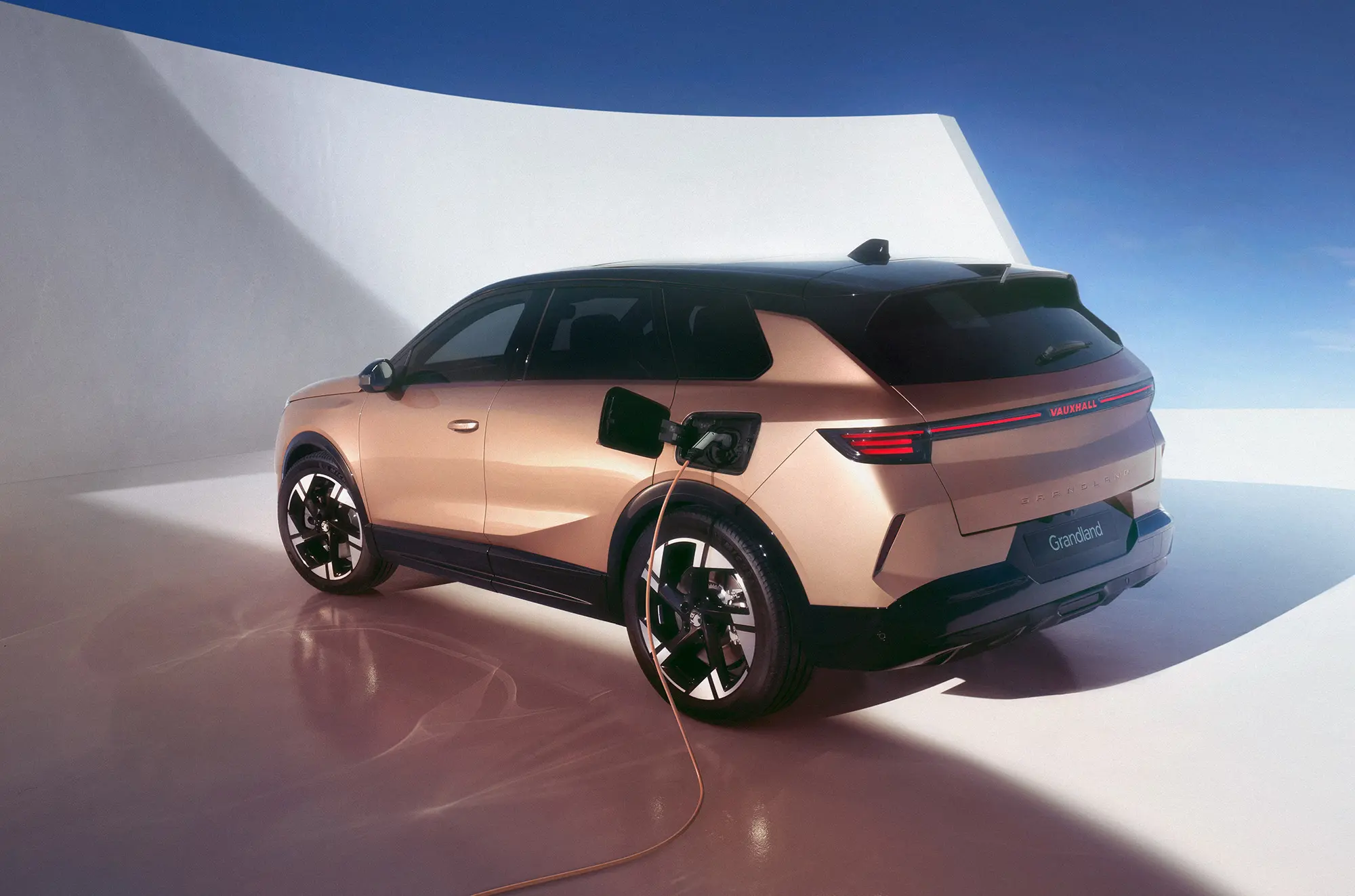
The real low-running-cost argument, though, isn’t the electricity — it’s Benefit-in-Kind. Electric company cars still sit in a far lower BiK band than anything with a tailpipe, and although that EV band is scheduled to creep up by a percentage point a year, as of the 2026/27 tax year it remains in the low single digits, so on a sub-£40k P11D value the monthly deduction from a 40% taxpayer’s salary is small enough to feel like a perk rather than a penalty. Your exact figure depends on your tax band and the rate set for the year you order, so check the current BiK percentage before you sign. That, far more than the headline on-the-road price, is what gets a driver to tick the EV box. The Grandland’s job is simply to be a comfortable, sensible place to spend those tax-efficient miles, and it is.
It’s worth being honest about what that means in practice: the Grandland Electric is not cheap to buy outright, and I won’t pretend otherwise. Its case is a tax case. A salary-sacrifice or straight company-car arrangement turns a list price that looks fairly ordinary into a monthly figure that can undercut a far smaller petrol car, because the deduction is calculated against that low BiK band rather than against what the car actually costs to put on the drive. Take the company scheme away and the maths flips straight back to ordinary. That single point, more than any spec line, is what you need to settle before you decide whether this Vauxhall is clever or merely competent.
The all-wheel-drive version is the interesting curveball
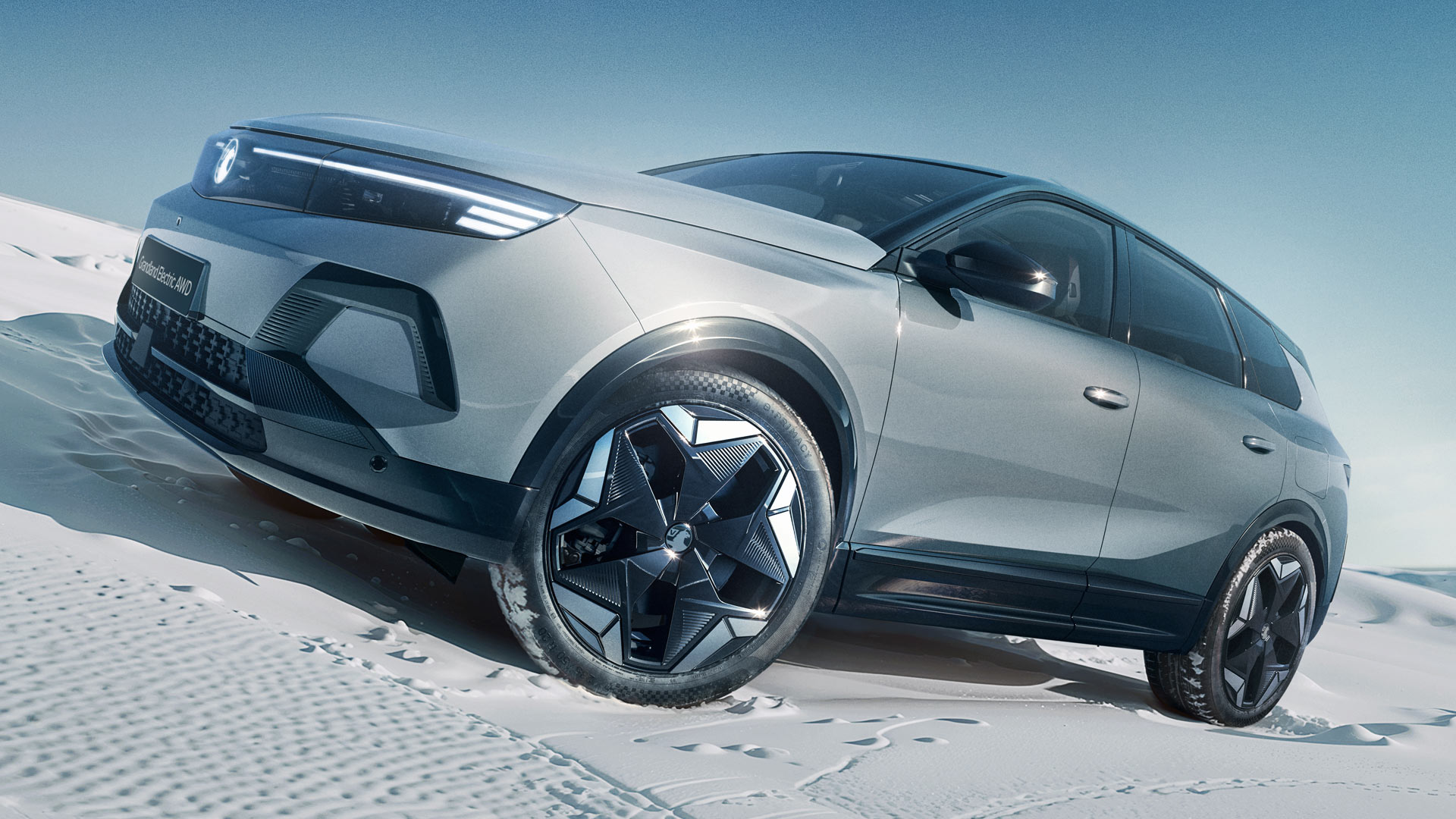
The one that genuinely surprised me is the dual-motor AWD. Motoring Research reported in October 2025 that it opens at £35,495 for the GS and £36,995 for the Ultimate — and crucially, those prices already include a £1,510 discount from the Government’s Electric Car Grant. Both AWD versions therefore land under the £40,000 supplement threshold too, which is not where I’d have expected a 320bhp twin-motor SUV to sit.
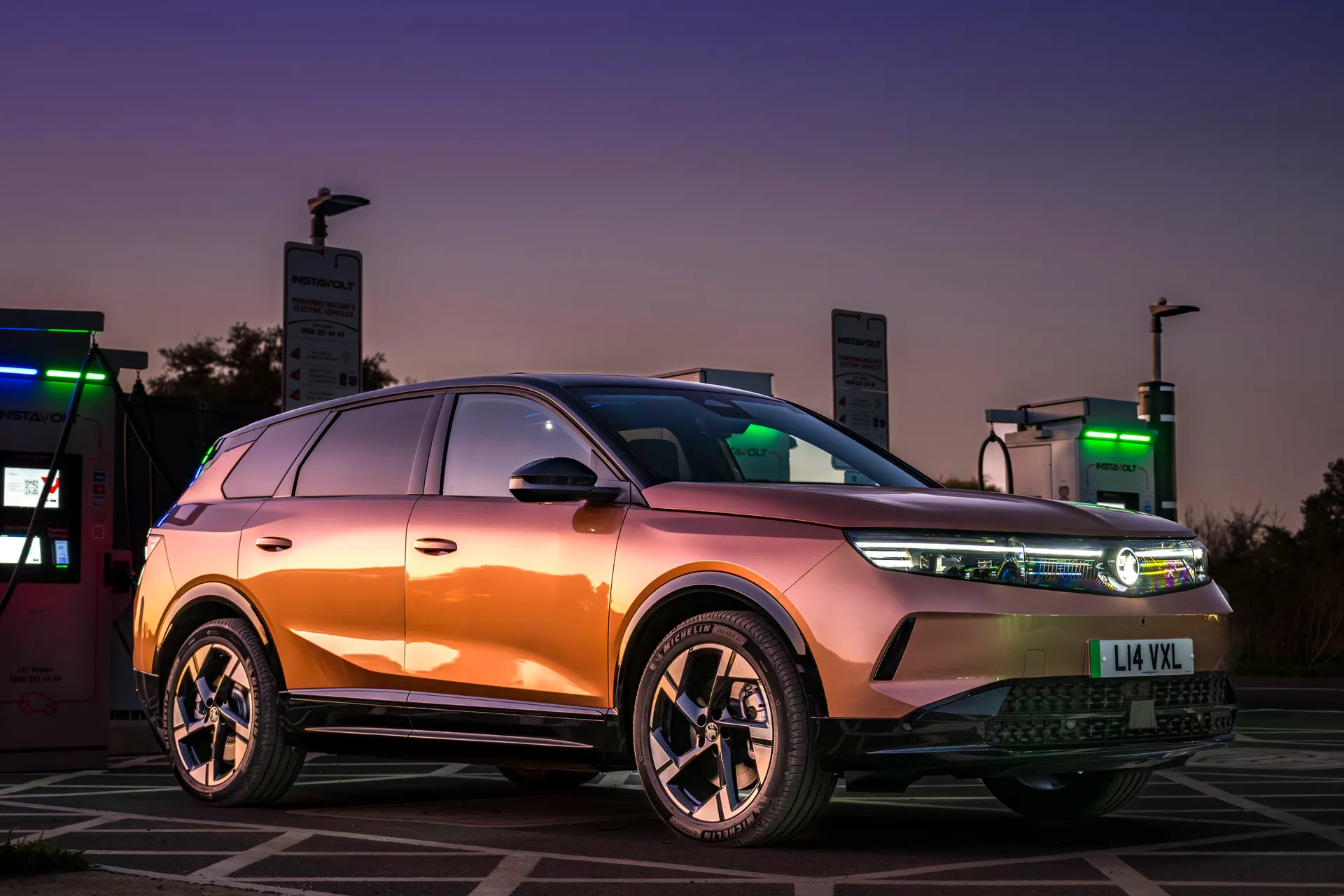
That changes who this car is for. AWD plus that grant pricing makes the Grandland a serious option for fleets in the north, in Scotland, or anywhere a winter morning regularly turns a single-motor car into a liability. You get four driven wheels’ worth of security without the usual punishment of jumping a VED bracket. For a utilities firm, a rural sales force, or anyone signing off cars that have to start moving at 6am in February, that combination is rare.
One word of care on the grant: the Electric Car Grant is a scheme with its own eligibility rules and a finite pot, so the on-the-road figures above hold only while the car qualifies and the funding lasts. I’d confirm the grant status in writing at order, not assume it from a press release.
Who this Grandland is really for
If you’re a cash buyer chasing the most car for your money, I wouldn’t steer you here first — there are sharper-driving and longer-range rivals, and the Grandland’s appeal is sensible rather than exciting. But that’s not the question most of these will be bought to answer.
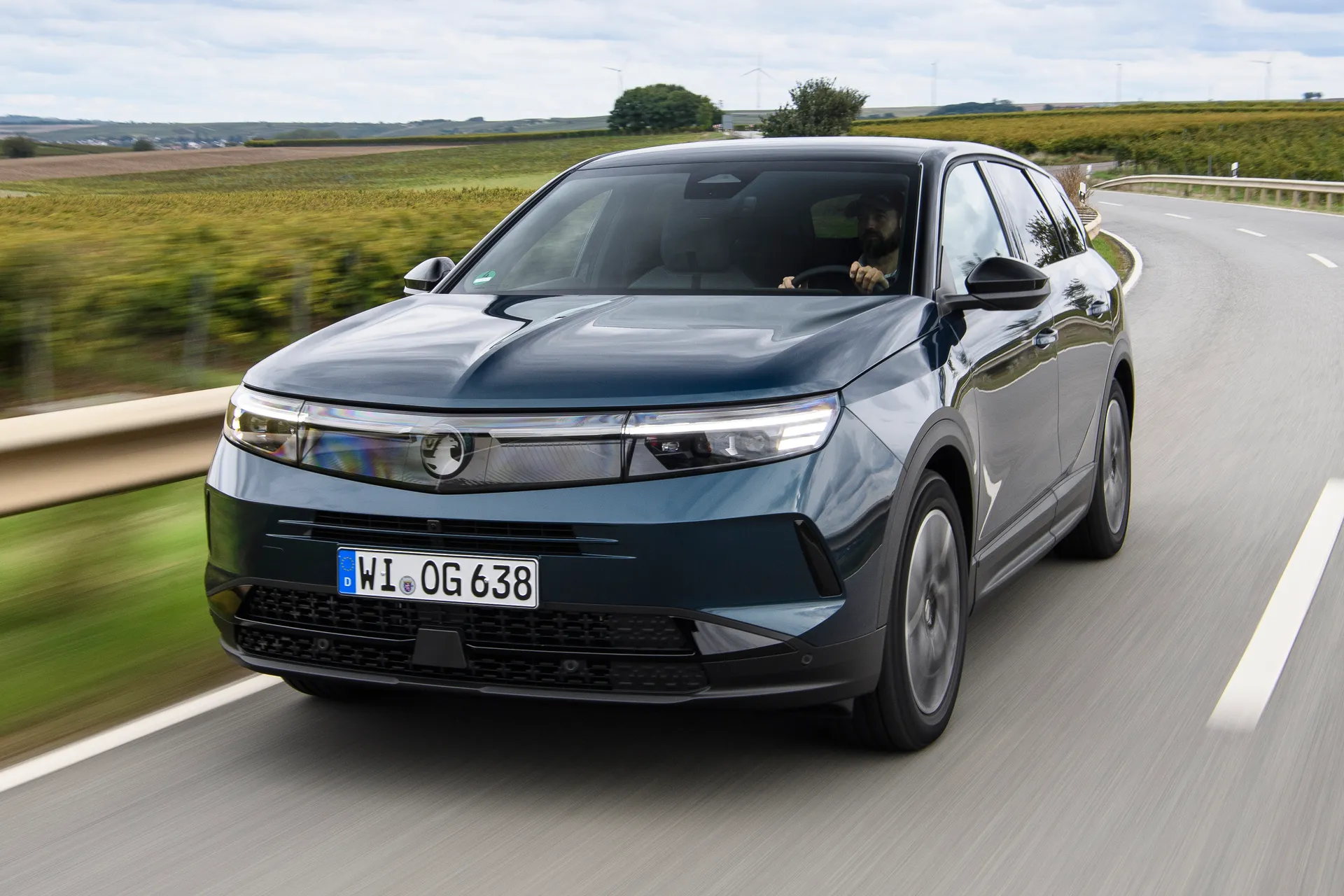
So the honest summary is a split decision. As an outright cash purchase, the Grandland Electric is fine rather than compelling, and I’d want you to drive its sharper rivals before committing. As a company car, it is a different proposition entirely, and the gap between those two verdicts is almost all tax.
For a fleet manager, or a company-car driver picking from an approved list, the Grandland Electric has quietly become one of the easiest yeses on the page: 322 miles, low BiK, and — across almost the entire range, AWD included — a list price that ducks the Expensive Car Supplement. The trim I’d actually order is the GS: single-motor for most, AWD if your patch demands it. The Ultimate’s extra kit isn’t worth crossing the £40k line for. What would change my mind is the grant lapsing on the AWD cars, because without that £1,510 the maths gets tighter and the cheaper-to-run argument loses its edge. While it holds, this is a car I’d happily wave onto a fleet list.
Buyer action
EV and salary-sacrifice checks
Use this as the final check before paying a deposit, signing finance paperwork or relying on a headline monthly figure.