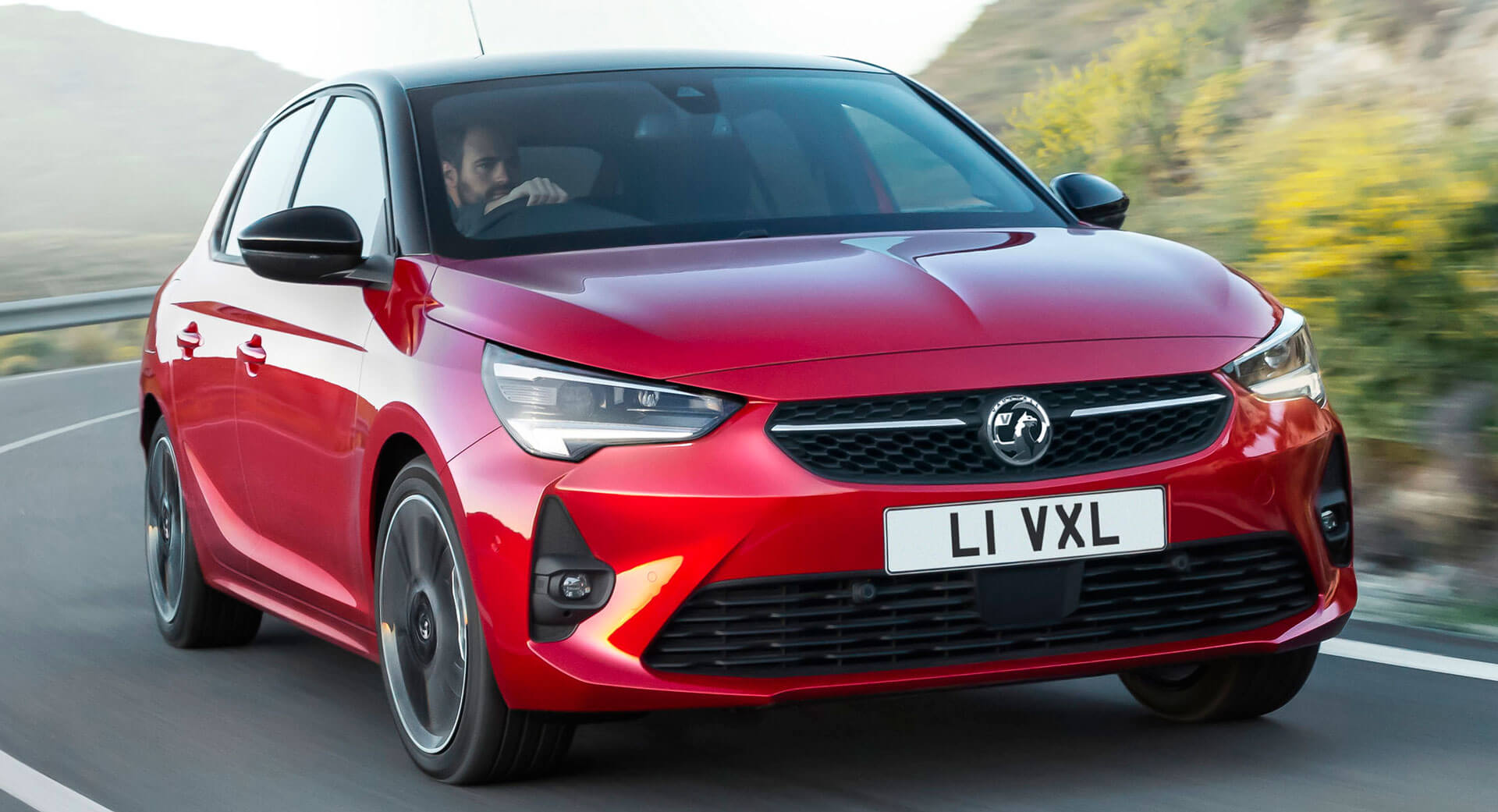
Vauxhall Corsa Electric finance has quietly done something the electric-car market spent five years promising and rarely delivering: it has undercut the petrol equivalent on the monthly bill. On the YES special edition, Vauxhall quotes the electric Corsa at £251 a month against £274 for the petrol car, and the gap is real rather than a marketing trick. The catch is buried in the small print, and once you see it you can decide whether the saving is genuinely yours.
What real owners say (CDE data)
We cross-referenced the live Vauxhall and Stellantis Media finance announcements against current dealer representative examples from SLM, Baylis and Eden Motor Group, owner discussion on the Speak EV and PistonHeads Corsa-e threads, and the 2025 What Car? Reliability Survey, checked on 9 June 2026.
- Most-praised aspects: low real-world running costs, easy city size and the headline payment parity with petrol.
- Most-criticised aspects: sluggish infotainment, modest 221 mile WLTP range on the standard battery, and confusion over which finance offer actually applies.
- Reliability signal: What Car? has reported a weak showing for the Corsa Electric in its 2025 Reliability Survey small-car class, so factory warranty cover and the 8 year battery guarantee matter more here than on rivals.
The headline: £251 electric against £274 petrol
Start with the number that made this story. According to Vauxhall’s own announcement through Stellantis Media, the Corsa Electric YES edition is offered from £251 a month on Personal Contract Purchase, while the equivalent petrol Corsa sits at £274. That is a £23 monthly difference in favour of the electric car, before you have counted a penny of fuel or charging cost. For a supermini buyer who has spent years being told electric is the expensive choice, it reads like an error.
It is not an error, but it is engineered. The petrol and electric quotes are built on deliberately different finance structures, and the whole saving lives in those structures. Vauxhall has effectively used three levers, a manufacturer deposit contribution, a subsidised interest rate and a longer term, to pull the electric monthly under the petrol one. Understanding each lever is the difference between a smart buy and a payment that looks cheap today and bites later.
Lever one: the manufacturer deposit contribution
The single biggest reason the electric Corsa undercuts the petrol is the deposit contribution. On the parity offer, Vauxhall puts £4,640 of its own money into the electric car as a deposit contribution, and nothing into the petrol equivalent. A deposit contribution is money the manufacturer pays towards your finance agreement to bring the monthly figure down; it is not a discount you can pocket, and it is usually tied to financing through the manufacturer’s own lender.
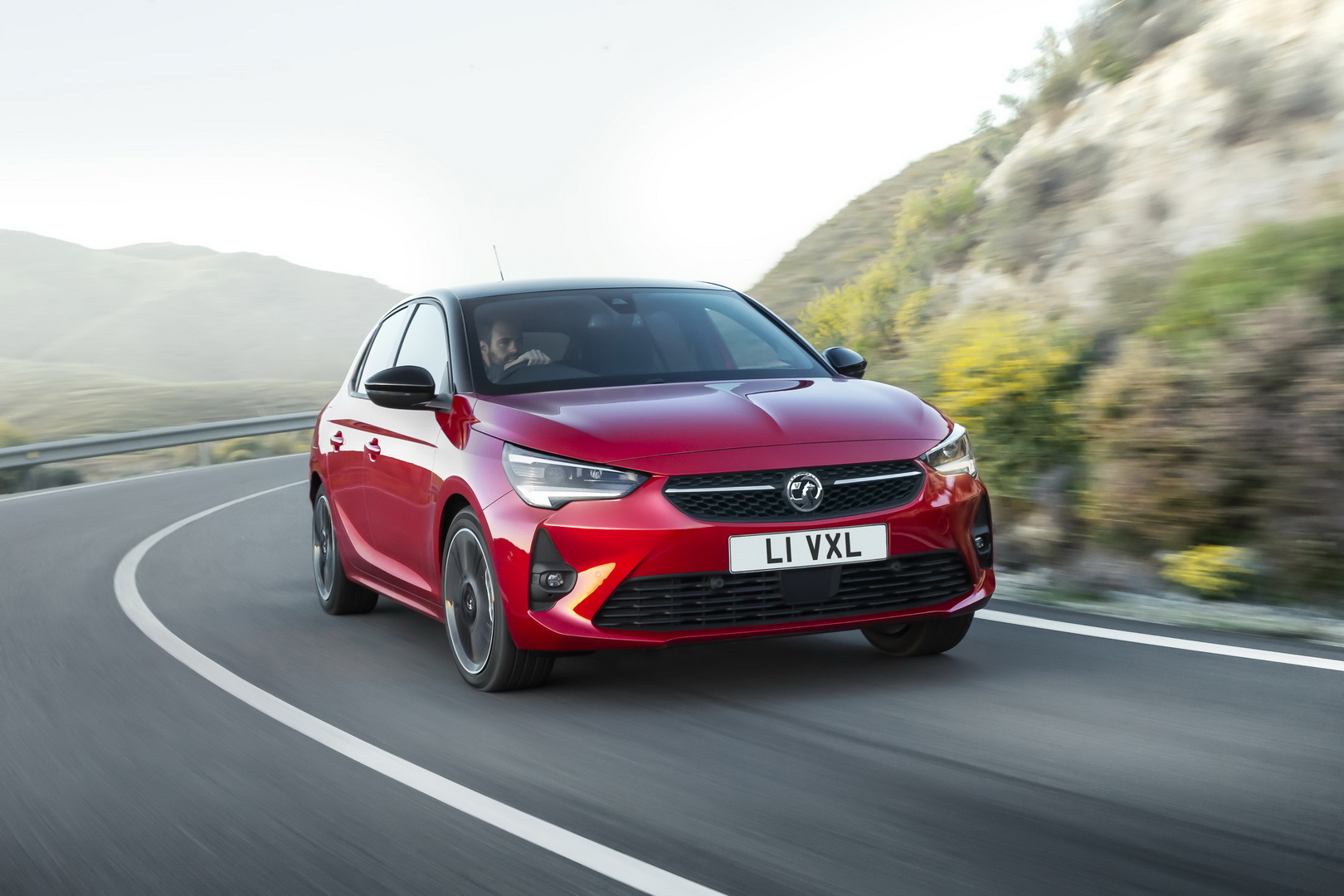
That £4,640 is doing heavy lifting. Spread across the term it knocks tens of pounds off the monthly payment on its own. It is also the reason walking in with cash, or arranging your own loan, can leave you worse off: the headline parity only exists when you take Vauxhall’s finance and its deposit contribution together. If you are weighing that against funding the car yourself, our guide to manufacturer versus broker car finance walks through when the captive deal genuinely wins.
Lever two: a 2.9% APR that petrol does not get
The second lever is the interest rate. Vauxhall’s parity offer prices the electric Corsa at 2.9% APR, while the petrol equivalent in the same announcement is quoted at 8.9% APR. That is a vast gap. On a balance of this size, moving from 8.9% to 2.9% saves a meaningful chunk of interest across the agreement and is a second reason the electric monthly lands lower despite the larger amount financed.
Rates move by dealer and by month, so do not treat 2.9% as a fixed law. Dealer group SLM, for example, lists the Corsa YES Electric on a 7.9% APR representative example outside the headline promotion, which is closer to the going rate for small-car PCP once a national offer lapses. Always read the representative example on the specific deal in front of you; if the APR or the term has changed, the parity maths changes with it. Our explainer on how representative APR actually works is worth a read before you sign anything.
Lever three: a five-year term doing the quiet work
Here is the lever Vauxhall does not put in the headline. The electric parity quote runs over 60 months, a five-year term, while the petrol comparison runs over 48 months, the usual four-year PCP. Stretch any borrowing over a longer period and the monthly figure falls, because the same amount of capital is sliced into more payments. A good part of the £23 gap is simply five years of payments lined up against four.
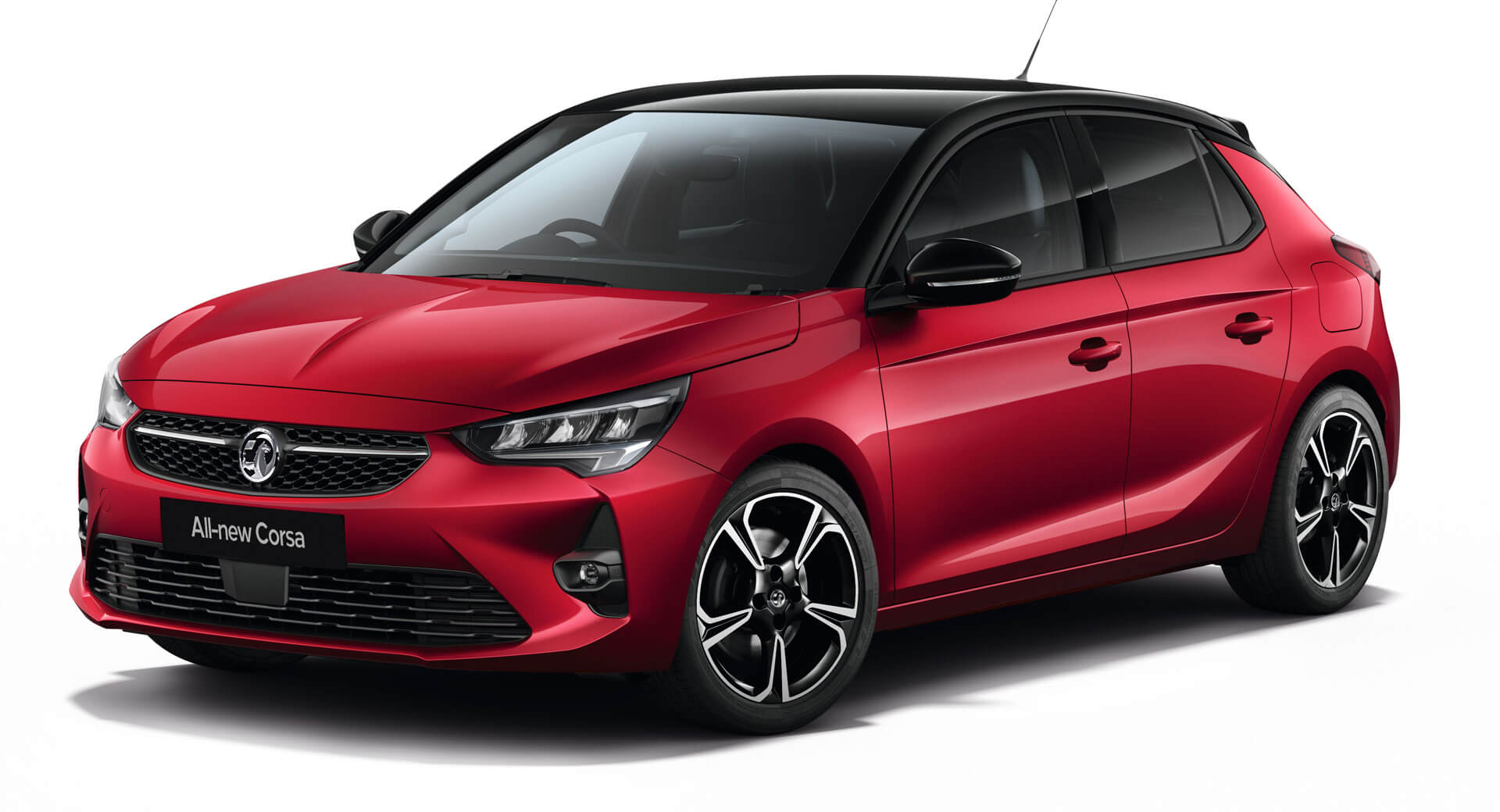
This is the part to be honest with yourself about. A five-year PCP means a longer commitment, more total interest paid over the agreement than a shorter term, and a longer wait before you own the car outright or reach the optional final payment. It is not a trap, plenty of buyers are happy keeping a supermini for five years, but the cheaper monthly is partly bought with time. If you tend to change car every three years, weigh that against our look at early settlement on car finance so a mid-term exit does not catch you out.
Where the £1,500 Electric Car Grant fits in
The government’s Electric Car Grant sits on top of all this, and it is the part most readers ask about. The Corsa Electric appears on the gov.uk Electric Car Grant eligible-cars list in Band 2, which carries a maximum discount of £1,500 off the recommended retail price. Band 1, reserved for the most sustainably produced EVs, is worth up to £3,750; the Corsa lands in the lower band, so £1,500 is the figure to plan around.
Crucially, the grant is not a finance feature. Per gov.uk, the retailer applies for it and the value is deducted from the car’s price at the point of order, which then feeds into whatever finance you arrange on the lower figure. So the grant lowers the amount being financed, the deposit contribution and rate do the rest, and the longer term smooths what is left. The grant alone does not create parity; it makes the starting price smaller so the other levers have less work to do.
The worked monthly maths, lever by lever
Put the two cars side by side and the engineering is obvious. The table below uses the figures Vauxhall published for the parity offer, with the gov.uk grant shown separately because it reduces the price before finance, rather than appearing in the monthly quote.
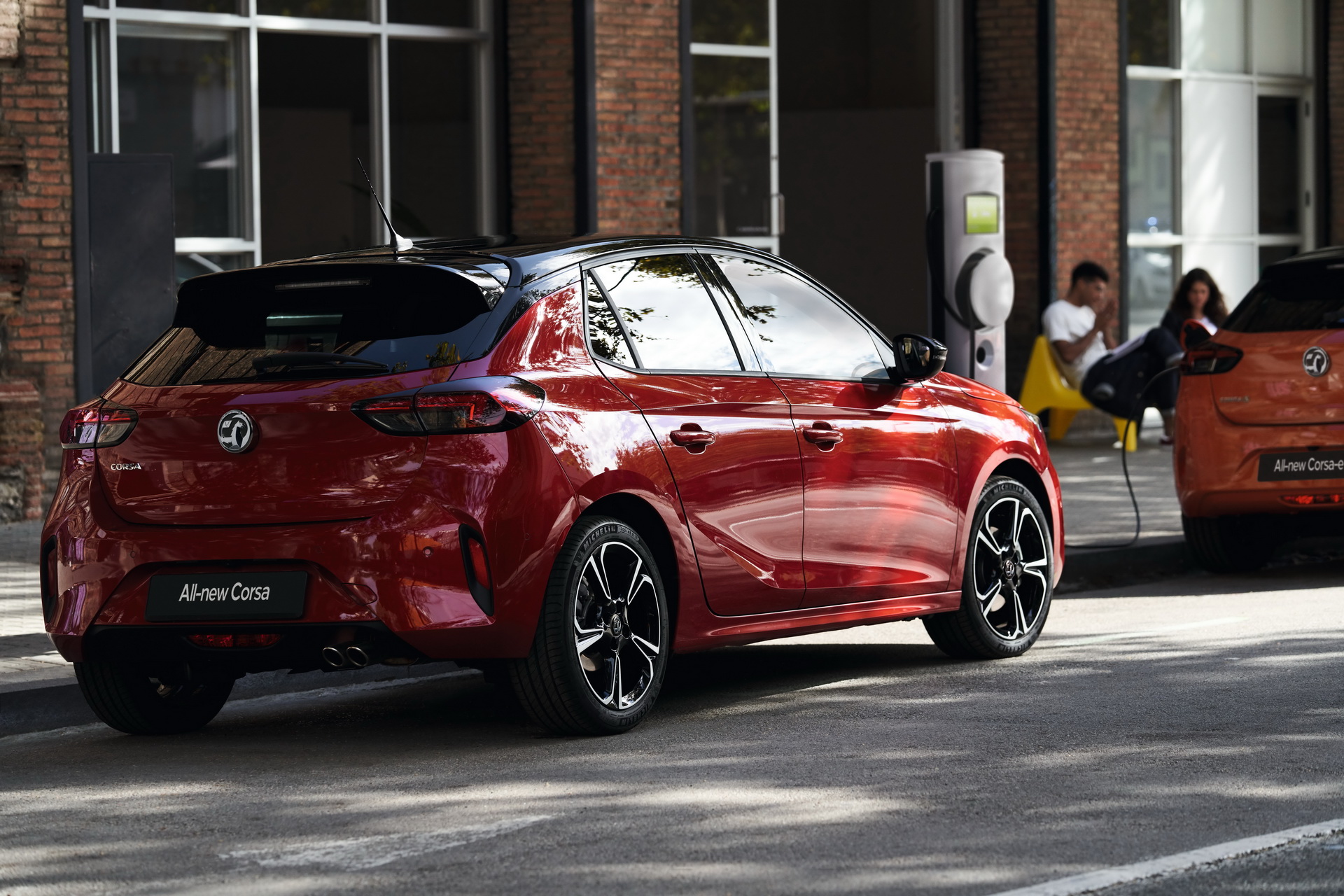
| Element | Corsa Electric YES | Petrol Corsa equivalent |
|---|---|---|
| Monthly PCP payment | £251 | £274 |
| Representative APR | 2.9% | 8.9% |
| Term | 60 months | 48 months |
| Vauxhall deposit contribution | £4,640 | £0 |
| Electric Car Grant (off RRP, separate) | £1,500 (Band 2) | Not eligible |
Read it as a recipe. The £1,500 grant trims the price. The £4,640 contribution slashes the financed amount further. The 2.9% rate keeps interest tiny. Then five years of payments, rather than four, divides the remainder into smaller slices. Remove any one lever and the petrol car wins on the monthly again. That is why this is not a permanent feature of electric ownership; it is a specific stack of offers that happens to line up right now on this trim.
The optional final payment you cannot ignore
Every PCP ends with an optional final payment, sometimes called the balloon or the guaranteed future value. It is the lump you pay to keep the car, or hand back to walk away. A longer term and a fast-depreciating small EV both push that final figure into territory worth checking before you celebrate the low monthly. If the car is worth less than the balloon at the end, the equity that would normally roll into your next deposit simply is not there.
This is the single number we would interrogate hardest on a five-year electric Corsa. Ask the dealer for the optional final payment in writing and compare it against forecast used values. Our breakdown of the guaranteed future value and the balloon payment explains how to sanity-check it, and the wider PCP versus HP comparison shows when hire purchase, which leaves you owning the car, makes more sense than chasing the lowest monthly.
Mileage limits and the 0% APR offers doing the rounds
Two practical points decide whether the advertised figure is the figure you actually pay. First, mileage. PCP quotes are built on an assumed annual mileage, often as low as 6,000 miles, and the optional final payment assumes you stayed within it. Drive more and you face excess-mileage charges at the end, which can quietly erase the saving the low monthly created. Set the contracted mileage to your real usage from the start, and read our note on PCP mileage limits and excess charges before you commit.
Second, the 0% deals. Some Vauxhall dealers, WJ King among those reported, have run four-year 0% APR representative offers on the Corsa Electric, typically with a smaller or no deposit contribution attached. A 0% rate over four years and a 2.9% rate over five years with a big contribution are not the same shape of deal, and the cheaper monthly is not always the cheaper car overall. Treat each as its own sum and compare the total amount payable, not just the headline. Our piece on 0% APR versus a deposit contribution sets out exactly how to run that comparison.
Does the deal still work when the offer lapses?
National finance promotions come and go, and the parity number depends on them. When the deposit contribution shrinks or the headline rate climbs back towards that 7.9% representative figure, the electric Corsa stops undercutting the petrol on the monthly and the comparison flips back to the long-standing pattern, where electric costs a little more up front and claws it back on running costs.
So the timing matters. If you want the headline saving, it is tied to the current offer window, and the £1,500 grant is the only lever guaranteed by gov.uk rather than by a quarterly sales campaign. If you are comparing deposit sizes across deals, our guide to how much deposit to put down on car finance helps you decide whether to add your own money or lean entirely on Vauxhall’s contribution. And if you are torn between a small EV bought on PCP and a slightly pricier one funded through a workplace salary-sacrifice scheme, the running-cost case for charging at home is the deciding factor for most higher-rate taxpayers.
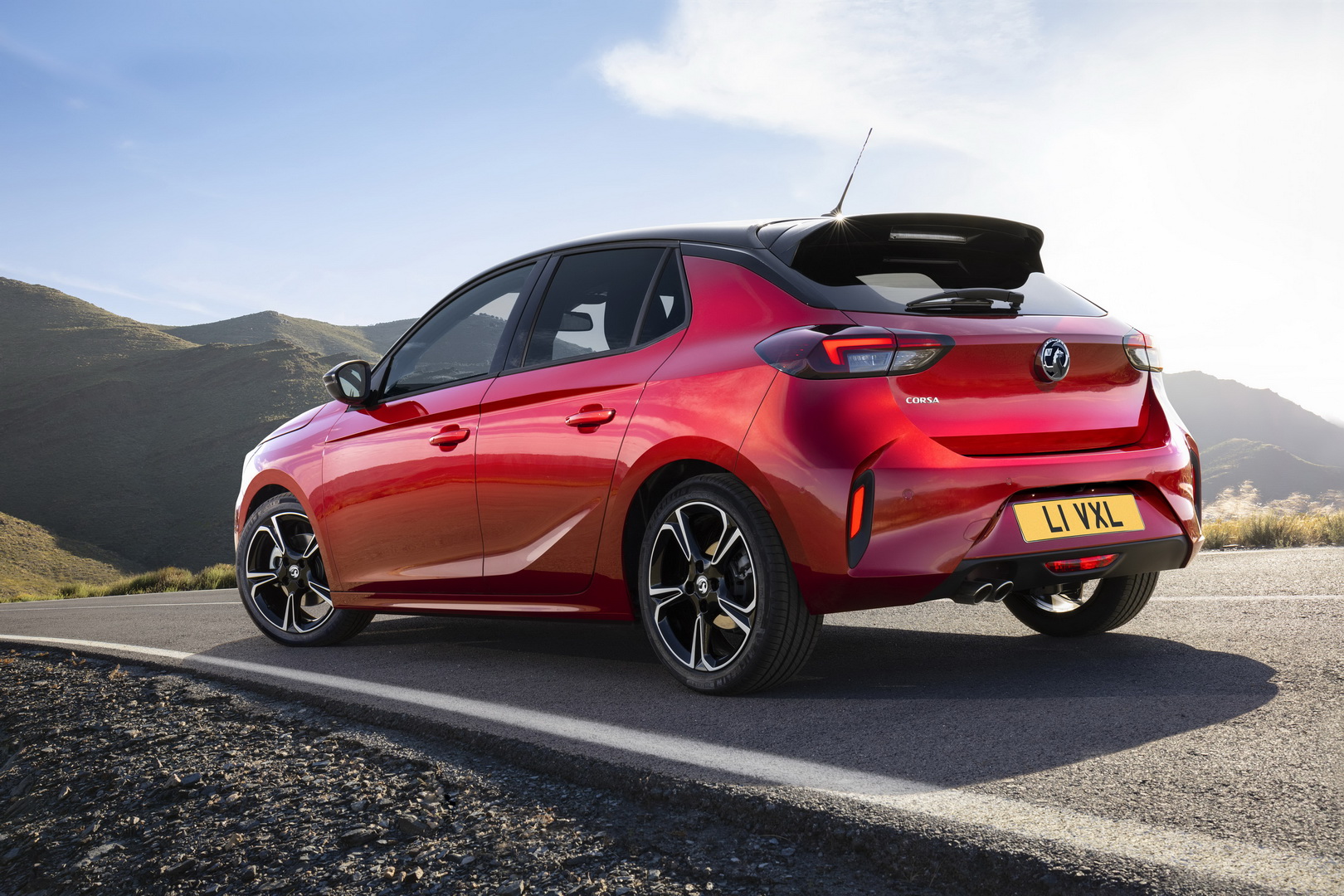
Our take on Vauxhall Corsa Electric finance
On Vauxhall Corsa Electric finance, the parity claim is genuine but conditional, and that is exactly how we would frame it to a friend. If you do around 8,000 to 10,000 miles a year, plan to keep the car for the full five years, and can charge at home where the running-cost saving is largest, the YES edition on the current 2.9% APR offer with the £4,640 contribution and the £1,500 grant is a legitimately clever way to drive electric for less than petrol per month. It is the right buy for a settled, lower-mileage household.
Walk away if you change car every two or three years, rack up big miles, or cannot charge at home, because the five-year term, the excess-mileage exposure and the public-charging premium all eat the advantage. Before any deposit, get the optional final payment in writing, confirm the contracted mileage matches your life, and check whether a four-year 0% deal works out cheaper overall than the five-year parity offer. The monthly is only a good number if the whole agreement is.
Is Vauxhall Corsa Electric finance really cheaper than the petrol Corsa?
How much is the Electric Car Grant on the Corsa Electric?
Why is the electric Corsa financed over five years and the petrol over four?
What is the optional final payment on a Corsa Electric PCP?
Can I take the £1,500 grant and arrange my own finance?
Should I take the 0% APR deal or the 2.9% parity offer?
Buyer action
Where to check next
Use this as the final check before paying a deposit, signing finance paperwork or relying on a headline monthly figure.