No-claims discount protection is the add-on UK drivers buy to keep their hard-earned discount intact after a claim, and on a premium car policy it can be the difference between a manageable renewal and a punishing one. The catch most owners miss is what it actually protects: the discount, never the premium. We explain how the discount builds, how many claims protection allows, what the step-back scale costs, and when paying for it stacks up on a high-value car in 2026.
What real owners say (CDE data)
CDE reviewed owner discussion on PistonHeads and the MoneySavingExpert forums alongside MoneyHelper, ABI and Which? guidance on no-claims discount protection (June 2026). The picture is consistent across premium marques.
- Most-praised aspects: renewal certainty after a non-fault shunt, keeping a long discount alive after a single at-fault prang, and not having to fight over a small claim.
- Most-criticised aspects: the shock that premiums still rose despite protection, confusion over how many claims are allowed, and protection priced as a flat add-on rather than scaled to the discount at risk.
- Reliability signal: owners of higher-value cars rate the discount as worth defending because the base premium it sits on is large, so a stepped-back discount hurts in absolute pounds far more than on a runabout.
What a no-claims discount is and how it builds
A no-claims discount (NCD), also called a no-claims bonus, is a reduction on your premium that you earn for every policy year you do not make a claim. According to the Association of British Insurers, the longer your claim-free record, the bigger the discount, and it is one of the most effective levers a careful driver has on price.
The discount typically climbs from around 30% after one claim-free year to 65% or more after five years, and many insurers let you build up to nine years before it tops out. On a premium policy the base premium is high to begin with, so a 65% discount is worth real money. That is why a buyer weighing high-value car insurance over £50,000 should treat the discount as an asset worth defending.
What no-claims discount protection actually protects
Here is the point insurers bury in the small print: no-claims discount protection protects the discount, not the premium. You keep your full discount after a permitted number of claims, but the insurer can still raise the underlying price, both because you have claimed and because motor premiums move with repair-cost inflation. MoneyHelper is explicit that protection stops you losing the bonus, but does not freeze what you pay.
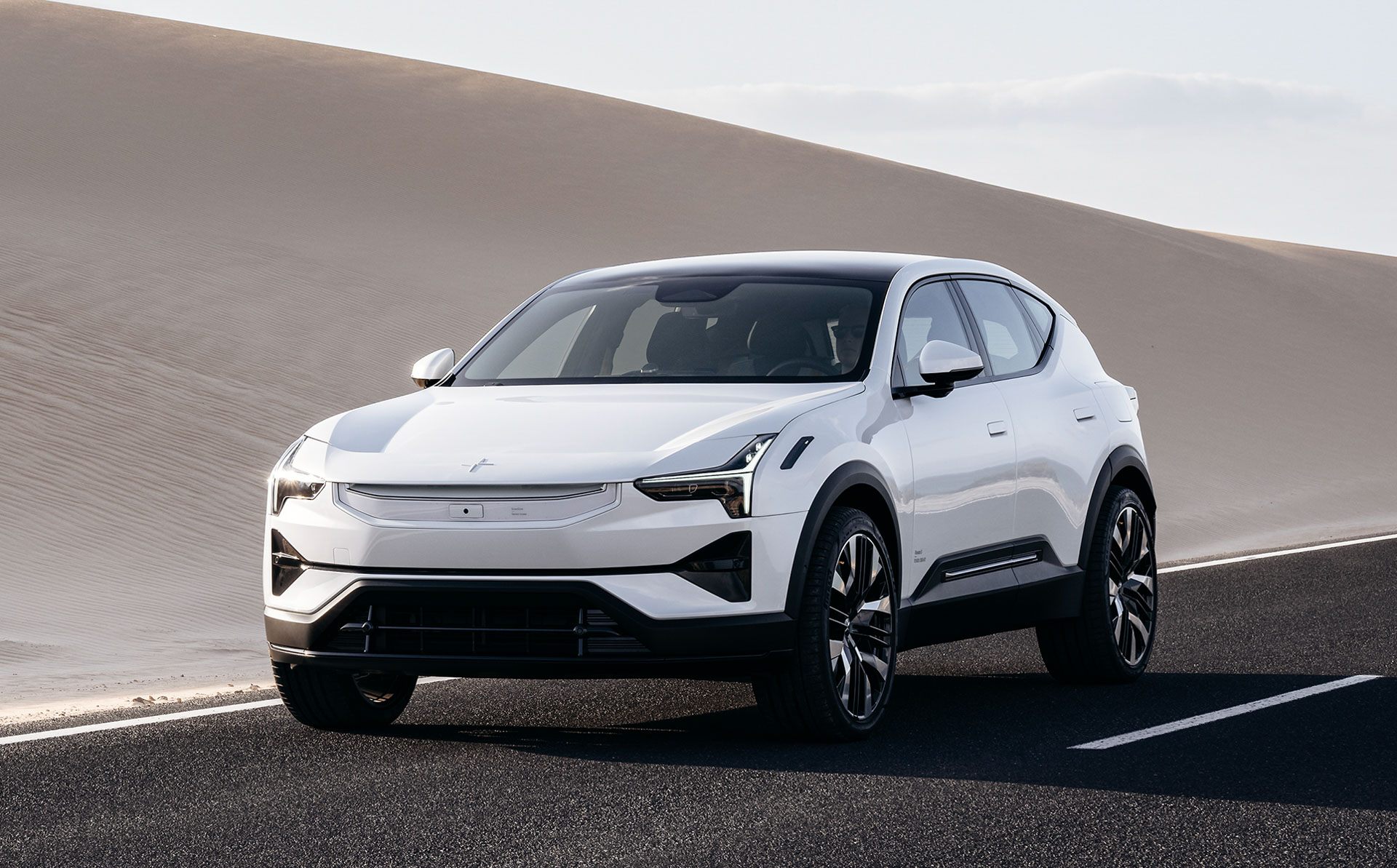
So protection is a discount-preservation tool, not a price guarantee. On a premium EV or saloon where repair bills run high, that distinction matters: the parts and labour driving your renewal up are the same whether or not you protected the bonus. Our wider premium car insurance coverage digs into why those repair costs are steep and how they feed straight into the quote.
How many claims protection allows
The widely used industry standard is two at-fault claims in any three-year period, or one claim in any single year, before you lose a protected discount. Some insurers also tie eligibility to a minimum age and a minimum number of years already earned, with a cap on recent claims. Rules vary by insurer, so the exact allowance is in your policy wording, not a universal guarantee. Exceed it and even a protected discount can be lost.
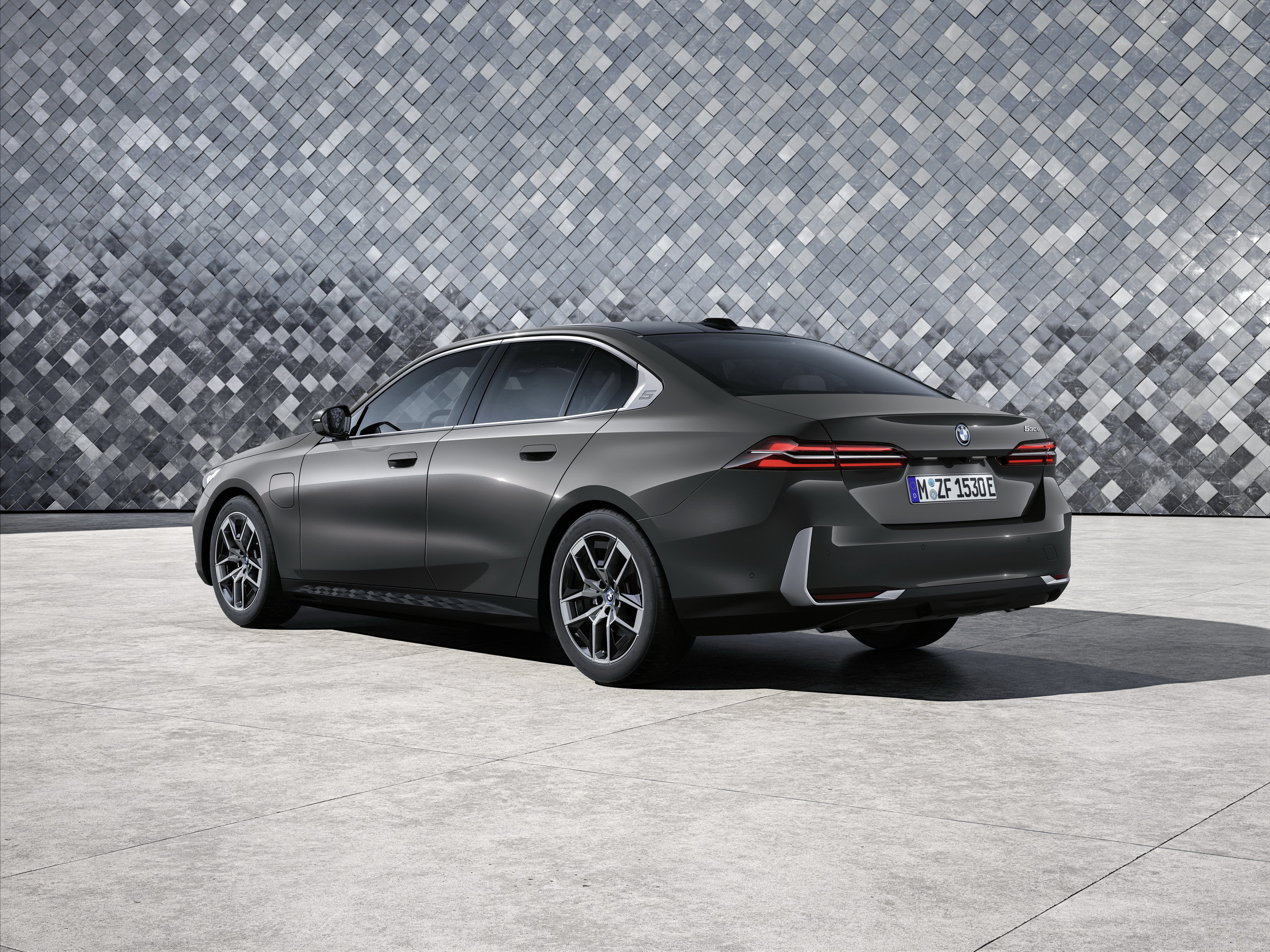
Note too that the claims counted are usually at-fault ones. A genuinely non-fault claim, where your insurer recovers its costs from the other driver, often leaves the discount untouched, and small claims like a windscreen chip repair frequently do not count at all. Always check what your insurer treats as a claim before you assume protection covers it.
The step-back scale if you are not protected
Without protection, an at-fault claim triggers a step-back: your discount drops by a set number of years at renewal rather than resetting to zero. A common pattern is losing two years per fault claim, so a driver on the maximum tier can tumble several bands at once. The harsher rule: two or more at-fault claims in a single year can step the discount all the way back to nil at renewal.
| Scenario (no protection) | Typical effect on the discount |
|---|---|
| One at-fault claim | Stepped back by roughly two years at renewal |
| Two or more at-fault claims in one year | Discount can reduce to nil at renewal |
| Genuine non-fault claim (costs recovered) | Discount usually unaffected |
| Windscreen chip repair | Often does not count as a claim |
A worked example: the cost of protection versus the discount at risk
Numbers make the case clearest. Say a premium SUV owner pays £1,800 a year with a 65% no-claims discount already applied. The discount is doing heavy lifting: without it the gross price would be far higher, so the pounds protected are substantial. Protection on a policy like this commonly adds a modest slice to the premium, often a low double-digit percentage, though the figure varies by insurer and risk.
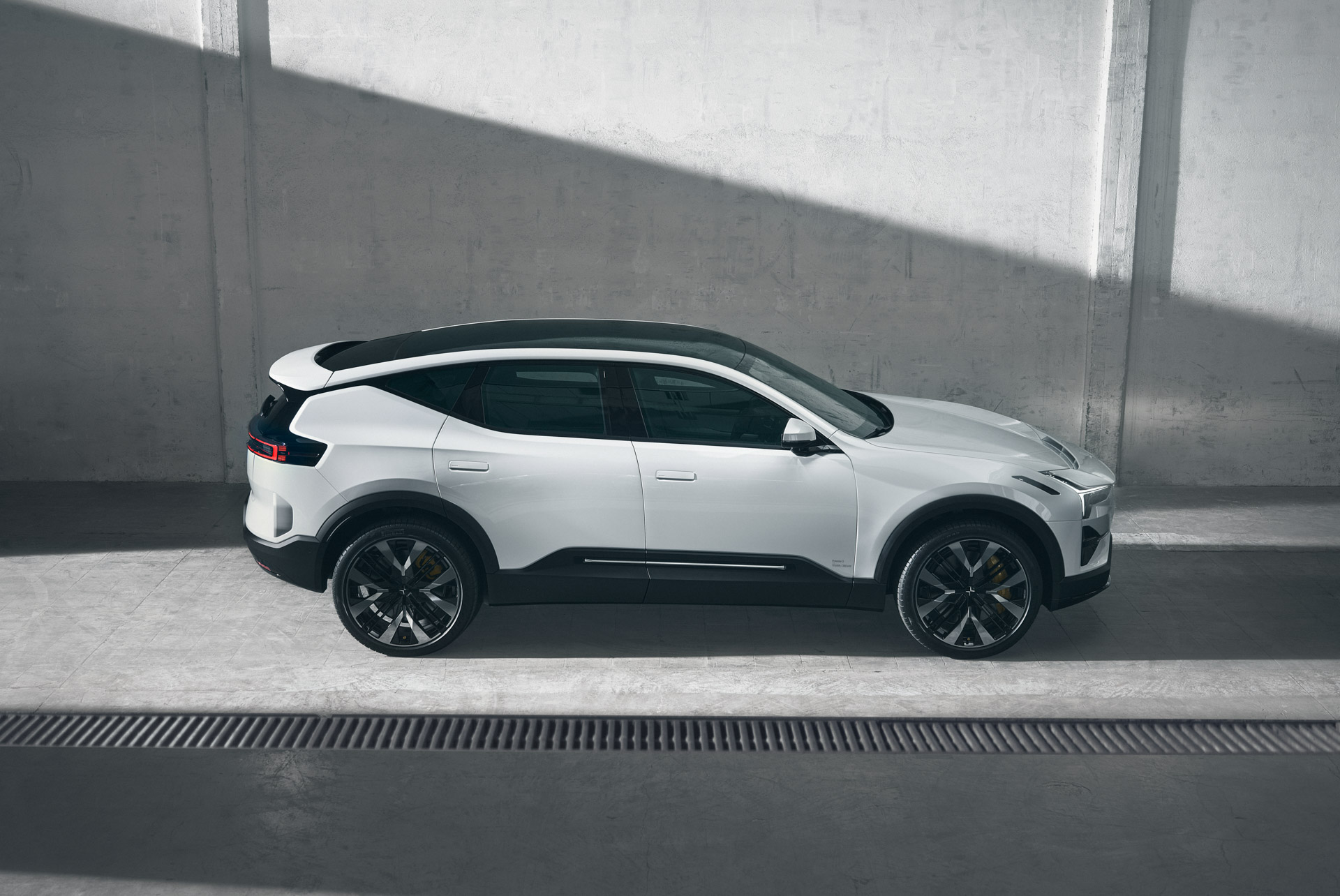
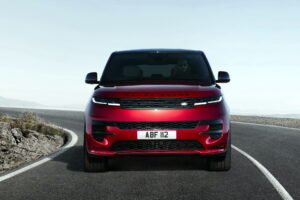
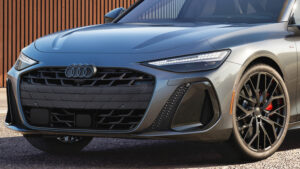
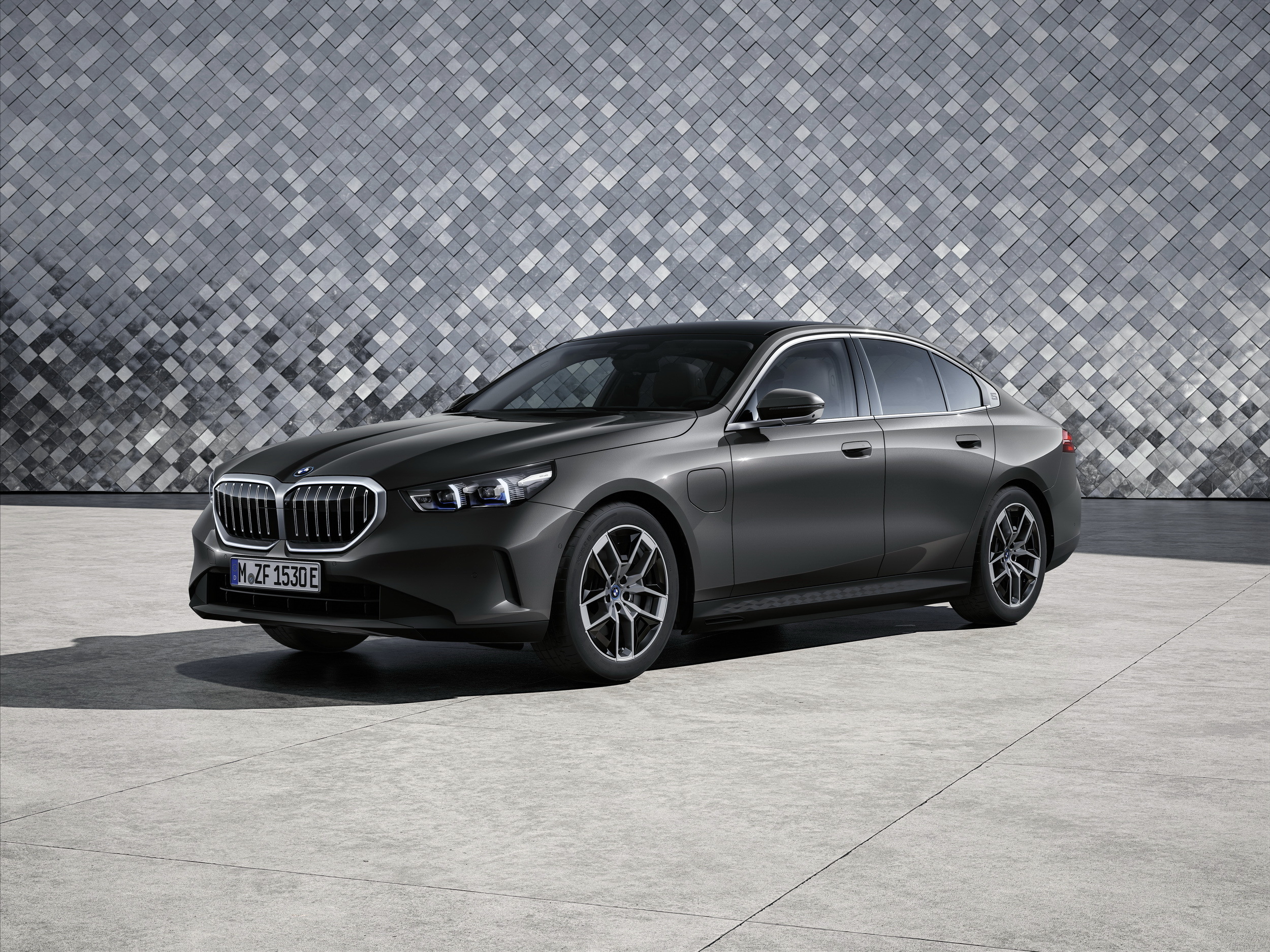
Now weigh the downside. Lose two years of discount after a fault claim and your effective discount could fall from 65% to nearer 40%, lifting the price for several years until you rebuild it. On a high base premium that compounding loss can dwarf a few years of protection fees. The maths tilts towards protection precisely when the premium is large, the everyday reality for owners weighing Range Rover insurance costs in 2026 or running a fast saloon, as our look at BMW M and Audi RS insurance shows.
When it is worth it on a premium car policy
Protection earns its place when three things line up: a large base premium, a long discount you would hate to lose, and a realistic chance of a claim you cannot recover from a third party. Premium owners usually tick all three. If you drive a costly car in a high-theft postcode, or you cover serious mileage, the expected cost of a fault claim is higher, and the discount you have built is worth more in absolute terms. In those cases we would protect it.
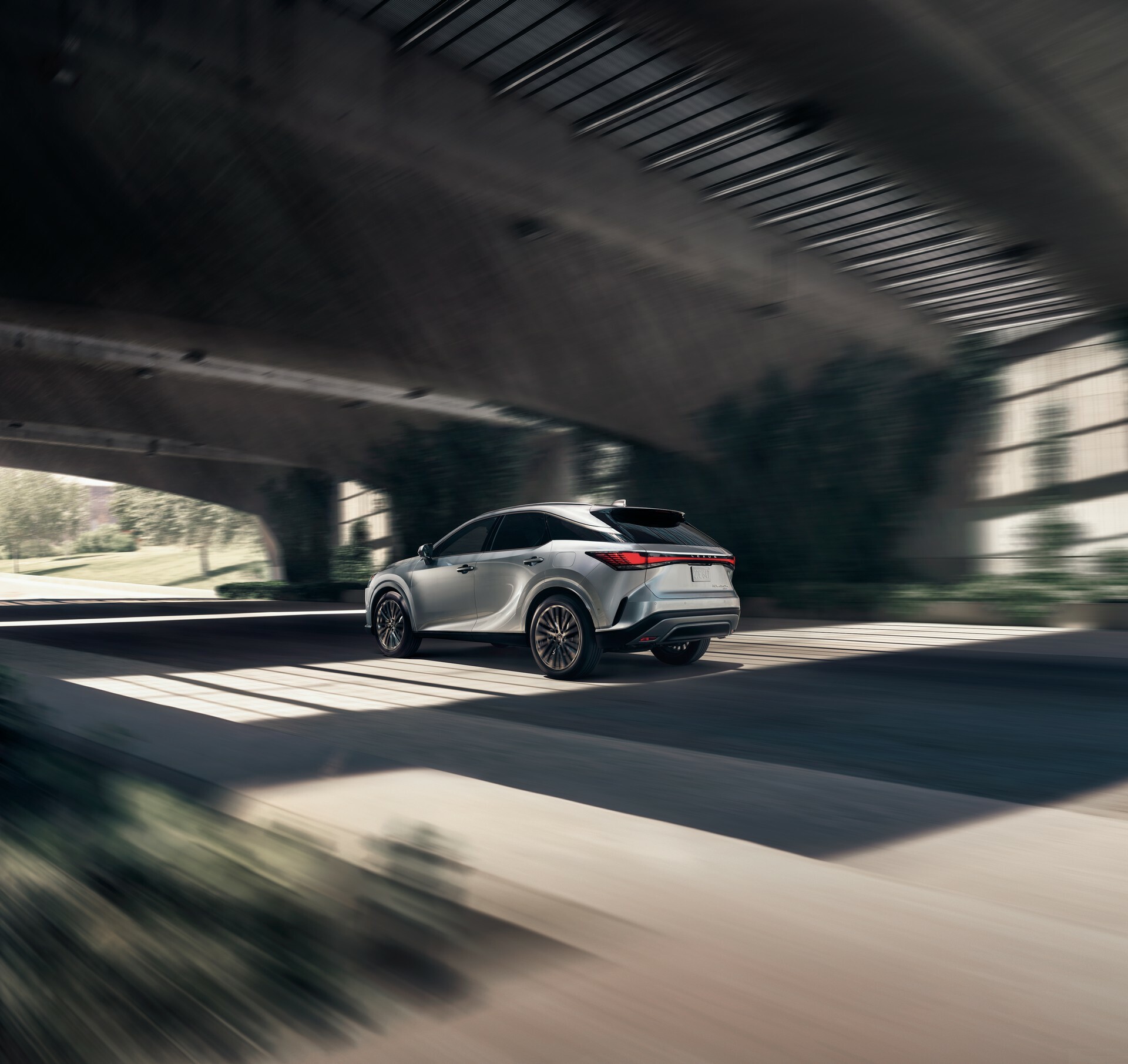
It is less compelling if your discount is still short, your premium is modest, or you could comfortably absorb a price rise without the discount cushion. The decision also interacts with your excess and your add-ons, so it is worth reviewing alongside the rest of your cover, as in our guide to premium car insurance add-ons worth paying for.
Mirrored versus guaranteed no-claims discount
Two terms cause confusion. A mirrored no-claims discount is where a new insurer matches a discount you earned somewhere it would not normally transfer, classically the years you accrued as a named driver or on a company car, by “mirroring” that record onto your own policy. It is goodwill, not guaranteed, and not every insurer offers it. A guaranteed no-claims discount is marketing language some providers use to mean a discount locked at a level regardless of claims; read the wording carefully, because what is guaranteed is usually the discount percentage, not the price.
Neither term changes the core rule: protection and guarantees both sit on the discount, not the premium. If a salesperson implies your price is locked, ask them to show you where the wording says so.
Fault, non-fault and transferring your discount
Whether a claim counts against you usually hinges on fault. If another driver is liable and your insurer recovers its outlay, the claim is treated as non-fault and your discount is preserved. The trap is the non-fault claim left unresolved at renewal: until costs are recovered it may be logged as fault for pricing, so chase resolution before you renew. This is the same fault logic behind the gap between agreed value and market value cover on a premium used car.
Your discount is portable. When you switch insurer you provide proof of your NCD, usually a renewal notice or a letter from the previous insurer, and the new policy honours the years. You cannot use the same discount on two cars at once unless you hold a multi-car arrangement, so households running several premium cars should read our guide to multi-car insurance for a premium two-car household and, for declared modifications, modified car insurance on an M, RS or AMG.
Where to check before you renew
- Read your policy wording for the exact claims allowance (one in a year, two in three years, or the insurer’s own rule) before assuming you are covered.
- Ask the insurer in writing how many years the step-back removes per fault claim if you do not protect.
- Compare the protection fee against the pounds your discount is actually worth at your premium level, not a generic percentage.
- Confirm whether non-fault and windscreen claims count, and get it in writing.
- Read the independent guidance from MoneyHelper and the ABI before you decide.
- If you think a discount was mishandled, the Financial Ombudsman Service handles motor-insurance complaints once the insurer’s own process is exhausted.
Our take: who should protect and who should skip
Our view: on a premium car policy, no-claims discount protection is usually worth buying, but only once you understand it shields the discount and not the price. The buyer who benefits most has a long discount, a high base premium and a real claim risk, which on a Range Rover, a fast saloon or a costly EV describes most owners. The buyer who should walk away has a short discount, a modest premium, or the cash flow to ride out a price rise without the cushion. Before you tick the box, get three things in writing: the exact claims allowance, the step-back you would suffer without protection, and confirmation that non-fault and glass claims do not count. We would pay for protection on a large premium and skip it on a small one. The strongest policy is the one where the wording is boring, the allowance is clear, and nobody has promised a frozen price that protection was never going to deliver.
This article is general information, not personalised financial or insurance advice. Policy rules, discount scales and protection terms vary by insurer and change over time; always check your own policy wording and the current guidance from MoneyHelper, the ABI and the FCA before making a decision.