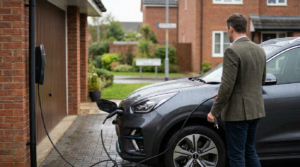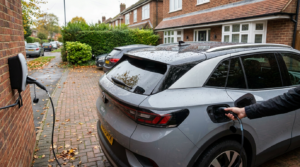
A part-exchange with outstanding finance is the route most premium owners take when the current car still has a balance owing, because you cannot legally sell a financed car outright until the agreement is settled. The lender, not you, owns the vehicle on HP and PCP until the final payment clears. This guide weighs the dealer part-exchange against a private sale, shows where the settlement figure and equity decide which one pays, and gives a worked example on a £30,000 used premium saloon.
What real owners say (CDE data)
- Most-praised outcome: when a dealer settles the finance directly, owners describe it as the least stressful exit, with no gap between paying off the lender and driving away the next car.
- Most-criticised outcome: negative equity surprises. Owners report finding out their settlement figure is higher than the car is worth only at the showroom, then rolling the shortfall into a new deal they later regret.
- Reliability signal: the strongest threads stress getting the settlement figure in writing first and comparing it against an online buyer valuation before committing, rather than trusting a single trade-in offer.
Why you cannot just sell a financed car
On both hire purchase (HP) and personal contract purchase (PCP), the finance company is the legal owner of the car until the agreement is settled. You have full use of it, but you do not hold title, so you cannot pass clean ownership to a private buyer or a dealer while a balance remains. MoneyHelper’s hire purchase guidance spells this out: you become the owner only after the final payment, including any option-to-purchase fee on HP. Trying to sell around that, by taking a buyer’s cash and not clearing the loan, leaves the finance secured against a car someone else now holds, which is where disputes and even fraud allegations start.

The settlement figure is the number that decides everything
The settlement figure is what you must pay to clear the agreement in full today: the remaining balance, outstanding interest, and any early settlement adjustment. Your lender must provide it on request, and it is time-limited because interest keeps accruing, so always work from a current figure rather than a guess. Under the Consumer Credit Act 1974, you have a statutory right to settle a regulated agreement early. Once you have that number in writing, every decision that follows, dealer or private, positive or negative equity, falls out of comparing it to what the car is actually worth. This is the same discipline we apply in our guide to early settlement on premium car finance.
Positive equity versus negative equity
If the car is worth more than the settlement figure, you have positive equity: the difference is yours, and it can roll straight into the deposit on your next car. If the car is worth less than the settlement figure, you are in negative equity and you owe the lender money the sale will not cover. On a premium PCP this is common in the first two to three years, when steep early depreciation outruns what you have repaid. We cover how this builds, and how to escape it, in our piece on negative equity on a premium PCP. The flip side, using a surplus well, is set out in our guide to PCP positive equity as a deposit.
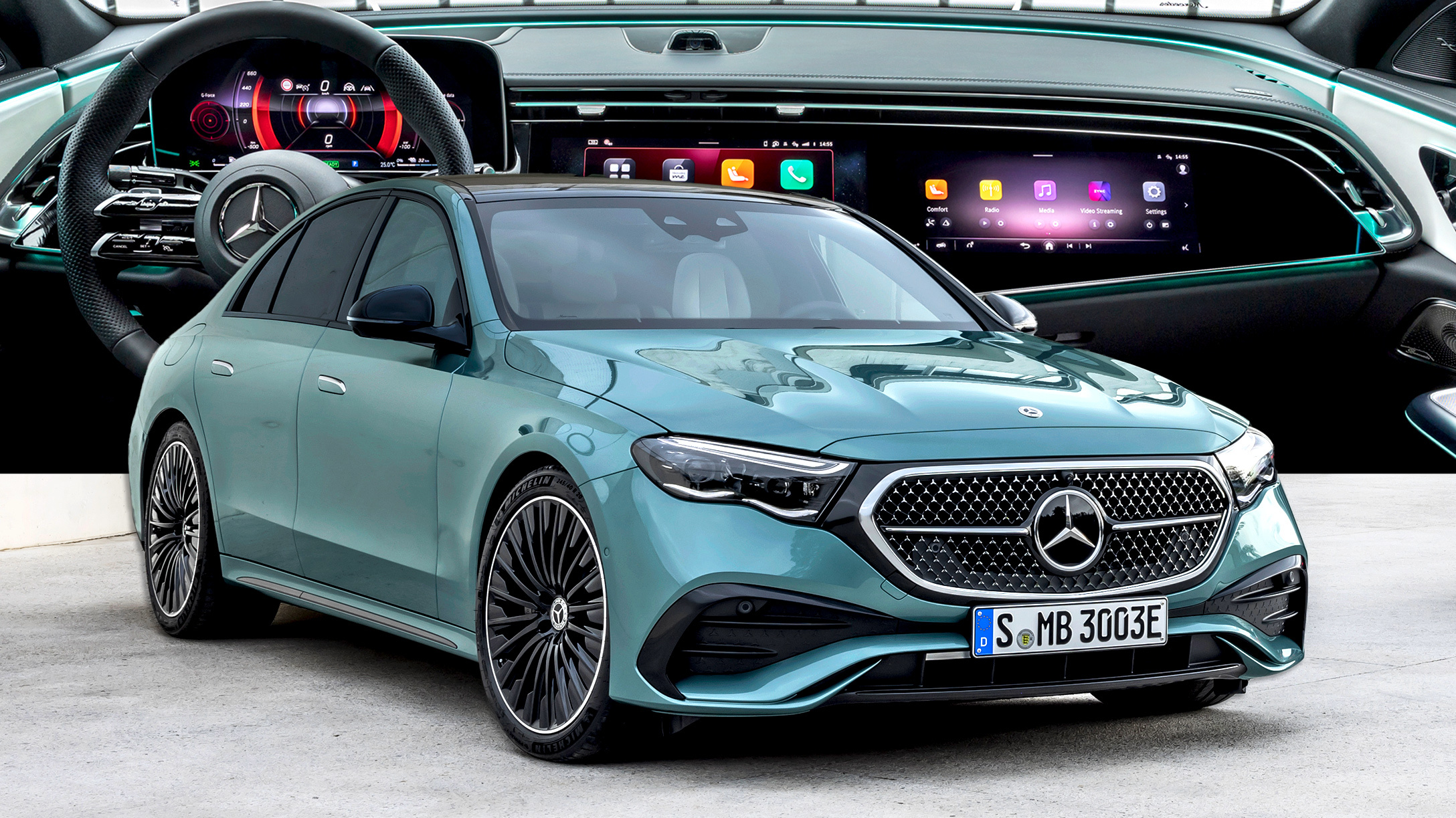
A dealer part-exchange with outstanding finance settled for you
The dealer route is popular because the showroom does the admin. You give the dealer your settlement figure, they agree a trade-in value, and they pay the finance company directly to clear your agreement as part of writing up the new deal. If you have positive equity, the surplus comes off your new car’s price or deposit; if you have negative equity, the shortfall is added to what you finance next. The convenience is real, but it has a cost: part-exchange valuations are typically below what you would get selling the same car yourself, so you are paying for a one-stop exit. It is the same trade-off buyers weigh when choosing between finance products in our personal loan versus PCP comparison.

How a private sale handles the outstanding balance
A private sale usually nets you more for the car, but the finance does not disappear; it has to be cleared before, or exactly as, ownership transfers. There are two clean ways to do it. Either you pay the settlement figure yourself first, then sell the now-unencumbered car, which needs spare cash up front. Or you use a settlement-by-buyer process, where the buyer pays the settlement amount straight to your lender and the remainder to you, with everything documented so the buyer knows the finance is being cleared as part of the transaction. Buyers are wary of cars with finance against them, so an HPI check showing a clear status after settlement is what reassures them.
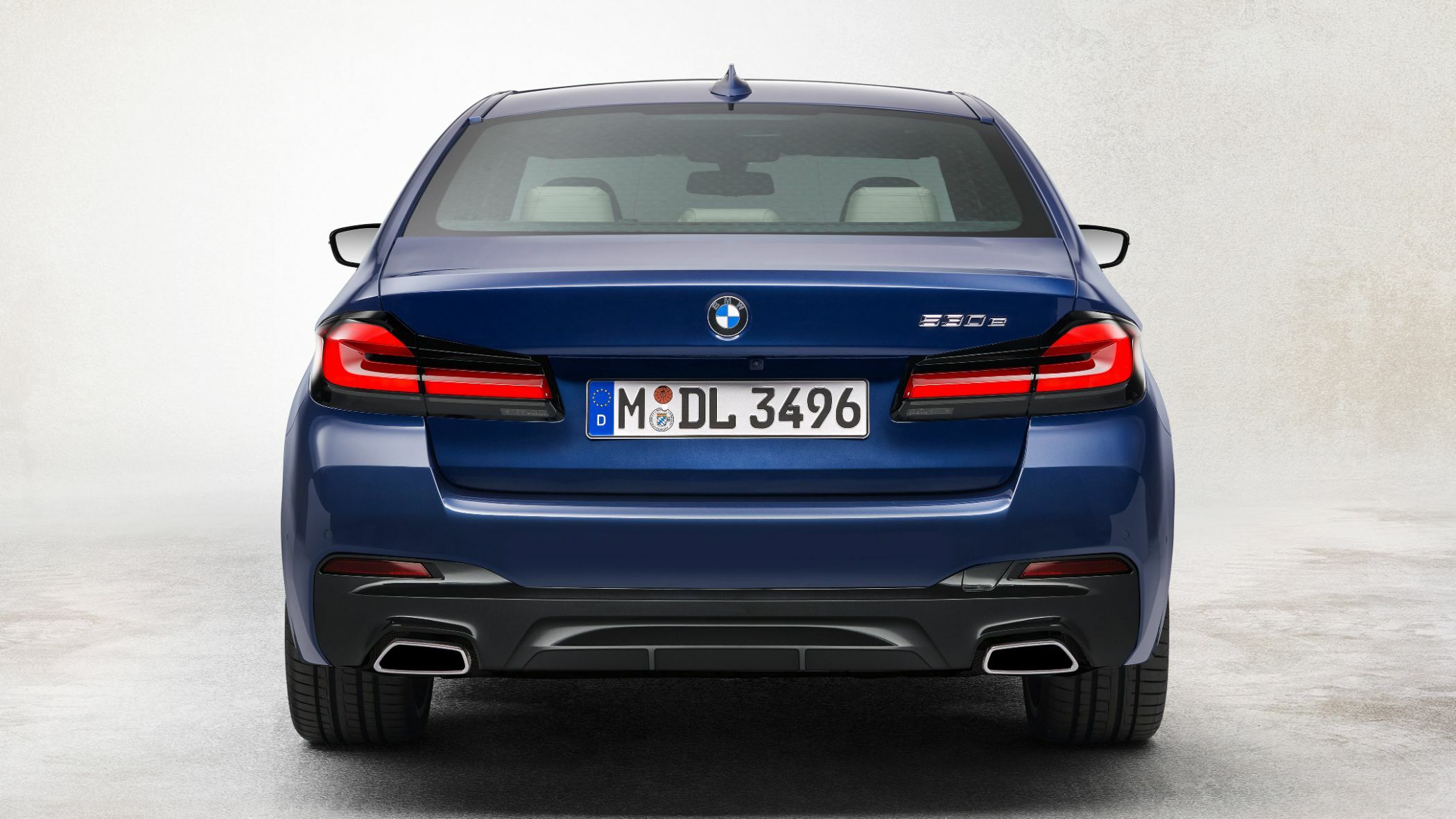
A worked example on a £30,000 premium saloon
Numbers make the choice obvious. Take a three-year-old executive saloon with a settlement figure of £22,000. The figures below are illustrative, to show the mechanism, not a live valuation of any one car. Run your own settlement figure against a dealer offer and an online or private valuation before you decide.
| Route | Car value | Settlement | What you walk away with |
|---|---|---|---|
| Dealer part-exchange | £23,500 trade-in | £22,000 | £1,500 toward next car (positive equity) |
| Private sale | £26,000 private | £22,000 | £4,000 cash after settlement |
| Underwater scenario | £20,500 trade-in | £22,000 | £1,500 shortfall to fund or roll over |
The private sale leaves £2,500 more in your pocket here, the reward for doing the legwork. The underwater row is the warning: roll £1,500 of negative equity into a fresh agreement and you start the next car already behind, a trap we unpack in our guaranteed future value and balloon explainer.

Voluntary termination and online buyers as alternatives
You are not limited to selling. If your agreement is regulated HP or PCP and you are deep in negative equity, voluntary termination can be the cheaper exit. Under sections 99 and 100 of the Consumer Credit Act 1974, once you have paid (or pay up to) half the total amount payable, you can hand the car back and walk away, subject to fair-wear-and-tear and excess-mileage charges. We explain the conditions in detail in our guide to voluntary termination rights. Online buyers in the we-buy-any-car mould are the third path: many will settle outstanding finance directly and pay you any positive equity, which can beat a dealer trade-in figure without the private-sale hassle. The category landing page for our wider car finance coverage collects the related explainers.
Checks before you trade in a financed car
Before you commit to any route, work through these:
- Request the settlement figure in writing from your lender and note its expiry date.
- Get at least two valuations: a dealer trade-in offer and an online buyer or private-market figure, so you know your real equity position.
- Run a paid HPI-style history check so you can show a clear status to a private buyer once finance is cleared.
- Use gov.uk’s free MOT history checker and the gov.uk recall checker to present the car honestly.
- If you suspect mis-sold finance or commission issues, read the FCA’s car finance complaints guidance before you settle.
- For free, impartial steps on ending an agreement, use MoneyHelper’s guide to ending car finance early.
Our view is straightforward. If you are in positive equity and have the patience, a private sale or a strong online-buyer offer beats a dealer part-exchange almost every time, because the trade-in convenience is paid for in a lower price. Choose the dealer route when the gap is small, when you value a clean same-day swap, or when you simply do not want to handle a settlement-by-buyer process. Where a part-exchange with outstanding finance turns dangerous is negative equity: rolling a shortfall into the next agreement quietly inflates the new balance and can leave you underwater again. If you are well below half the total payable and badly underwater, price up voluntary termination first. We would always settle from a written figure, never a verbal one, and we would walk away from any deal that hides the shortfall rather than showing it.
This article is general information, not financial advice. Figures are illustrative and tax, finance and consumer-protection rules change. Check your own settlement figure and the current rules with your lender, the FCA, MoneyHelper or a qualified adviser before acting.
Can I part-exchange a car that still has finance on it?
Who owns my car while it is on PCP or HP?
What is a settlement figure and how do I get one?
Is a private sale or a dealer part-exchange better?
What happens if I have negative equity?
Can an online buyer like we-buy-any-car settle my finance?
Buyer action
Where to check next
Use this as the final check before paying a deposit, signing finance paperwork or relying on a headline monthly figure.