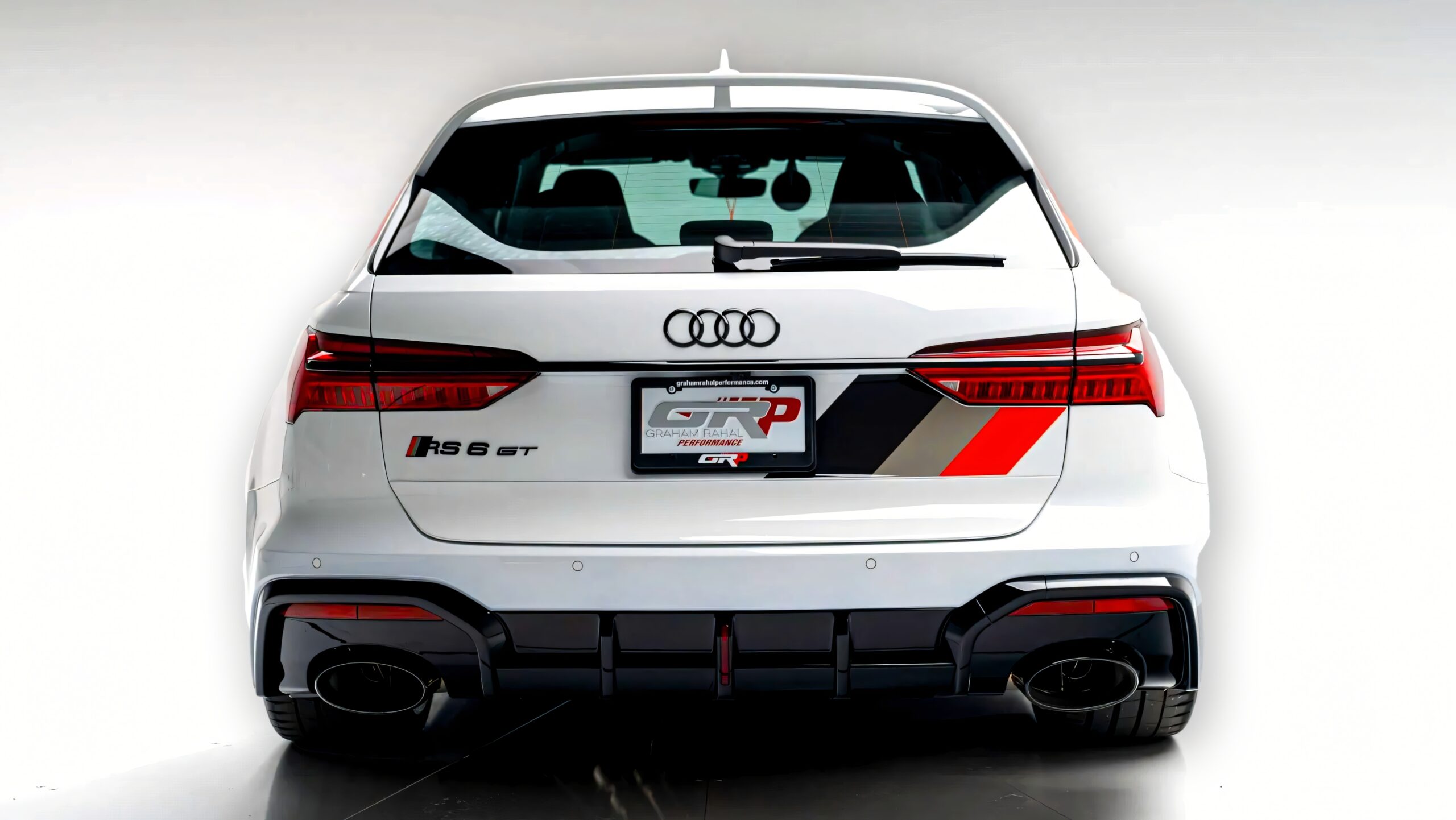
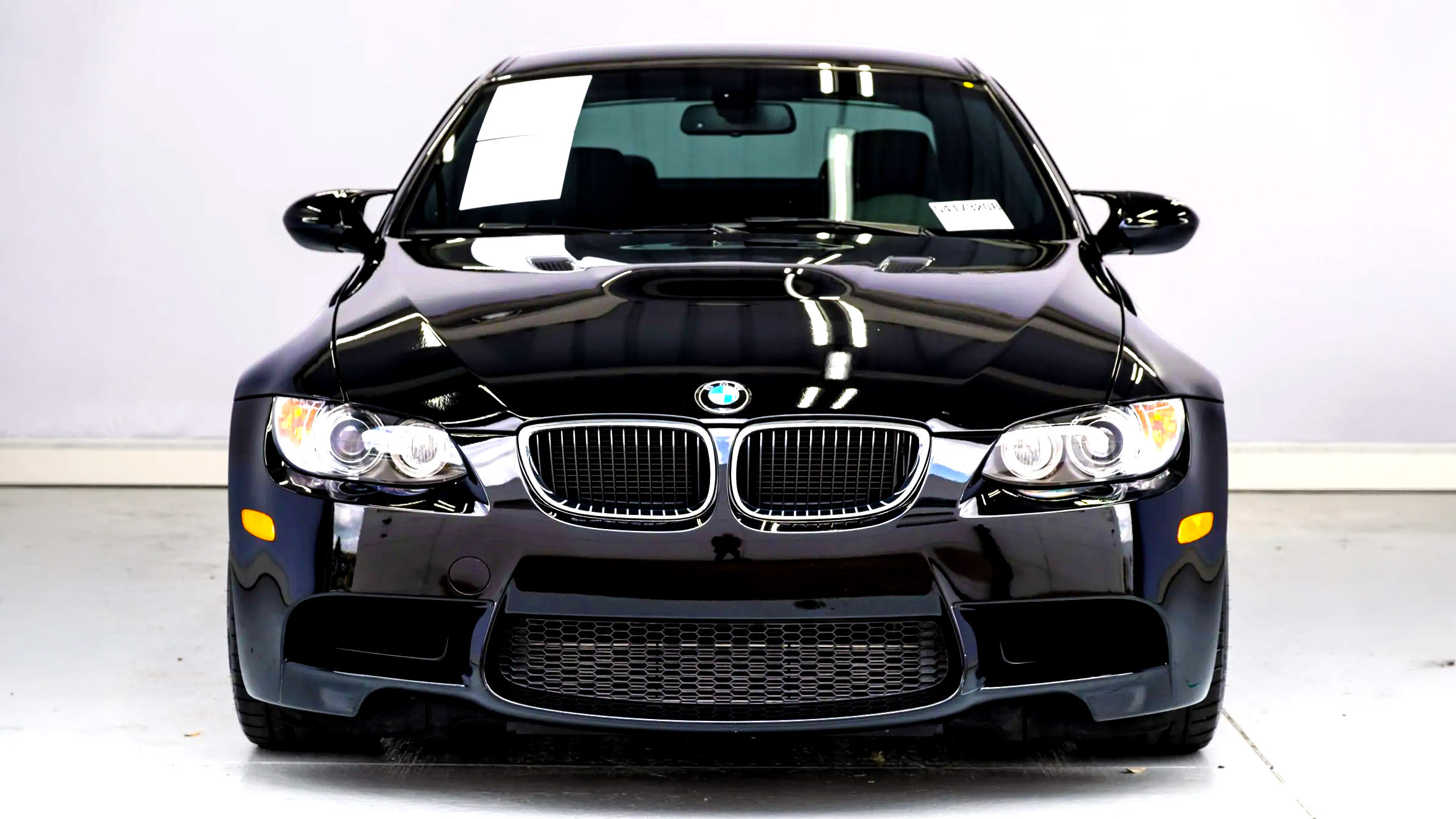
BMW M and Audi RS insurance is where a lot of fast-car dreams hit a wall: the premiums on an M3 or RS6 can land at two or three times what the same body shape costs in standard form. This guide explains why performance-car cover is so expensive, where the money actually goes, and the specific levers that bring the quote down without leaving you underinsured. Our short answer: the premium is driven by repair cost and theft risk far more than by speed, and a specialist insurer plus a few sensible choices can take a serious bite out of it.
What the insurance data shows on M and RS cars
CDE looked at how performance models are rated and priced, drawing on Thatcham insurance-group logic, ABI repair-cost trends and specialist-broker guidance. The pattern is consistent: it is the cost and complexity of putting these cars right after a knock, not just their pace, that sets the premium.
- Insurance groups: full-fat M and RS models routinely sit in the highest Thatcham groups, often 45 to 50, the top of the scale.
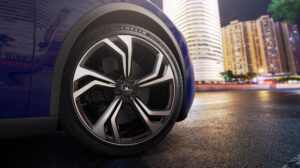
- Why it costs: aluminium and carbon panels, complex ADAS sensors needing recalibration, big brakes and bespoke tyres make even minor repairs expensive.
- Theft factor: desirable performance cars are targeted, and keyless-entry relay theft pushes premiums higher unless security is addressed.
Why M and RS premiums are so high
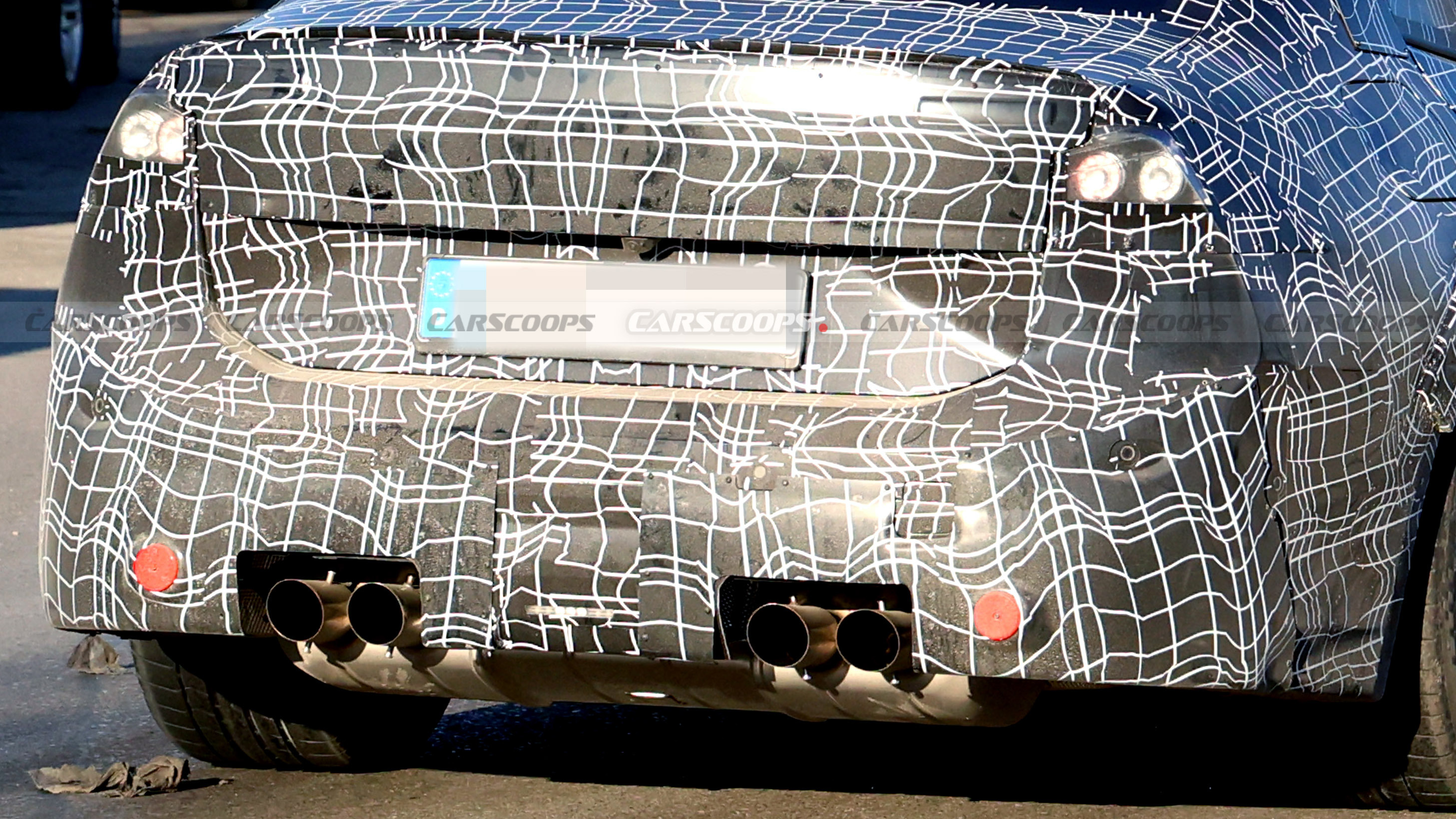
The instinct is to blame horsepower, but insurers price risk more cleverly than that. The biggest single driver is repair cost: an M3 or RS6 is built from expensive materials, packed with driver-assistance sensors that must be recalibrated after a bumper knock, and shod with large, costly performance tyres and brakes. A shunt that would be a cheap fix on a standard 3 Series or A6 becomes a four-figure bill on the M or RS version. Our Jaguar F-Type insurance guide makes the same point about agreed value on a performance car. On top of that sits theft risk, because these are desirable, targeted cars, and the driver profile, because powerful cars correlate with more and costlier claims. Speed is part of the picture, but the parts catalogue and the body shop do most of the damage to your premium.
The insurance group trap: standard versus M and RS
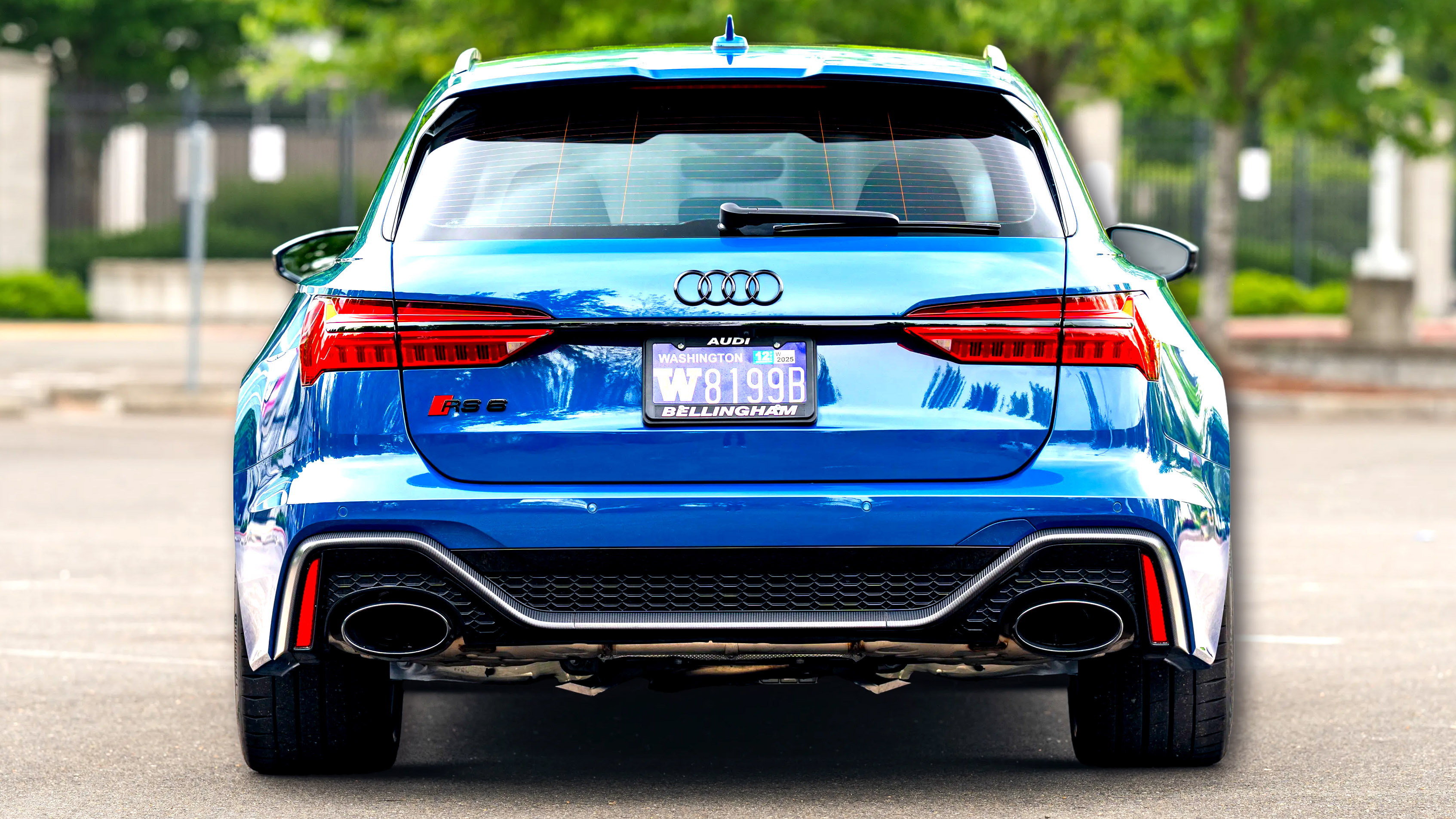
Insurance groups run from 1 to 50, set largely by Thatcham Research on repair cost, performance, security and parts pricing. A regular BMW 320d might sit in the low 20s; the M3 lands at or near group 50. The same gulf separates an Audi A6 from an RS6. That single jump explains most of the premium difference, because the group is the insurer’s shorthand for how much a claim is likely to cost them. Two cars with near-identical performance can sit a group or two apart purely on how cheaply they can be repaired and how well they resist theft, which is why security ratings and parts pricing matter as much as power outputs in the final number. It is worth checking the exact group of the specific variant before you buy, because trims, packs and even wheel choices can nudge it, and a car two groups lower can be meaningfully cheaper to cover over a few years of ownership.
How to bring the premium down without underinsuring
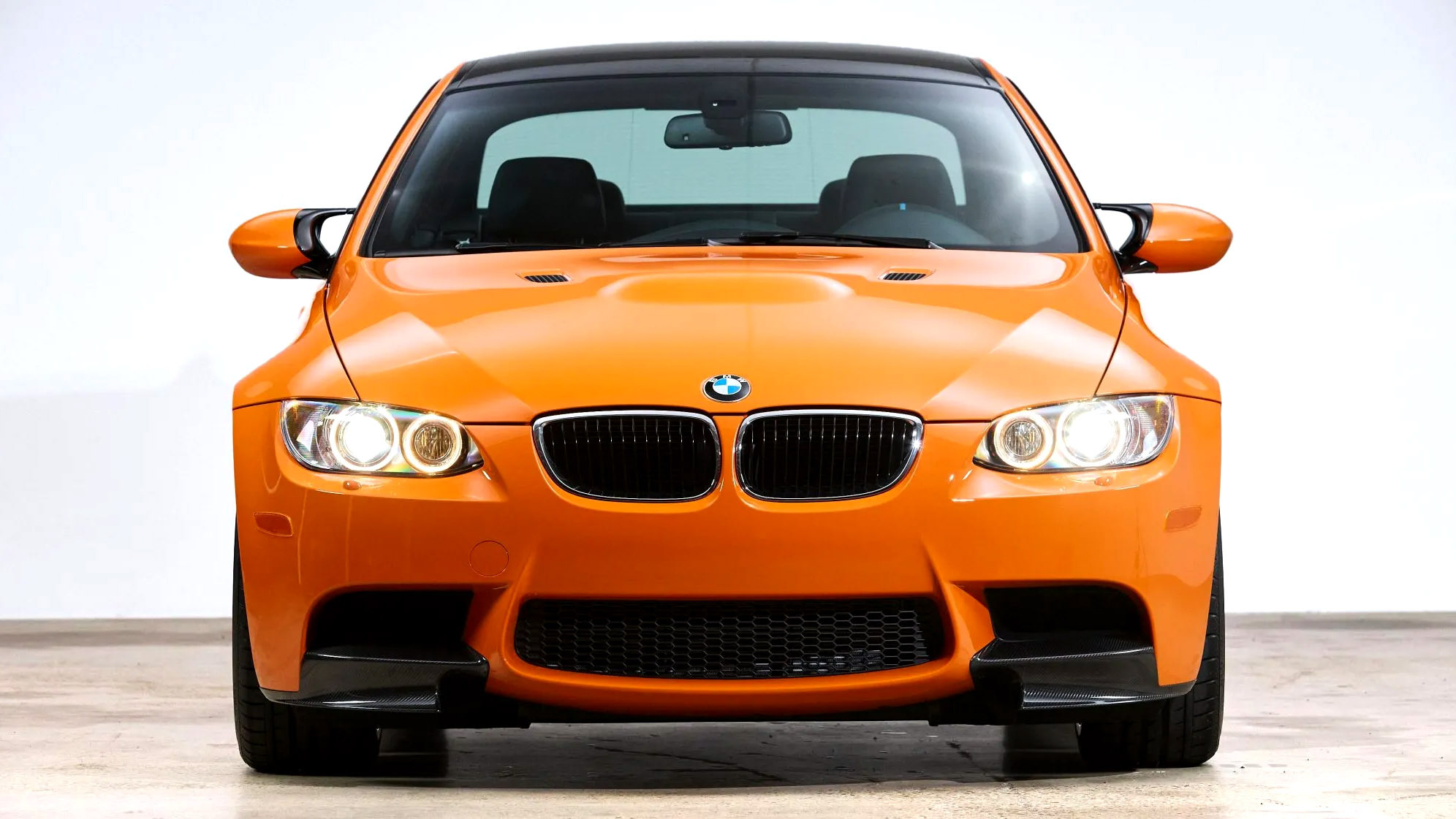
The good news is that performance-car premiums respond well to a handful of sensible moves. Use a specialist performance or high-value insurer rather than a price-comparison default, because they understand the cars and often price them more keenly than a mainstream insurer hedging its risk. Address security visibly: a Thatcham-approved tracker, a faraday pouch for a keyless fob, a steering lock and off-street or garaged parking all help. Be realistic but honest about mileage, because a lower agreed annual mileage cuts the premium. Consider a higher voluntary excess if you can fund it, keep your no-claims protected, and never under-declare modifications, because an undisclosed remap or aftermarket wheels can void a claim entirely. Our look at Hagerty UK versus Adrian Flux for a used 911 shows how a specialist approach plays out on a comparable car.
For a sense of the kind of car these premiums cover and why the repair bills run high, this independent UK review is a useful watch.
Agreed value, modified-car cover and track days
Three policy details matter more on an M or RS than on an ordinary car. Agreed value is worth seeking on a cherished or rare example, because it fixes the payout figure up front rather than leaving you arguing market value after a write-off. Modified-car cover is essential if the car has any non-standard parts, even cosmetic ones, and a specialist insurer is far more comfortable with that than a mainstream one. And if you intend to use the car on track, check whether the policy excludes track days, because most standard policies do, and a separate track-day policy is usually needed, a gap not unlike the one our GAP insurance guide covers on premium SUVs. These are exactly the areas where a knowledgeable broker earns their keep, much as they do in our Footman James versus Lancaster comparison for modern classics.
Where to check your M or RS insurance next
Before you buy or renew, run these checks so the cover fits the car:
- Look up the exact Thatcham insurance group of the specific variant and trim, not just the model name.
- Get quotes from specialist performance and high-value insurers, not only price-comparison sites.
- Ask whether agreed value is available, especially on a rare or cherished example.
- Declare every modification, however minor, and confirm modified-car cover is included.
- Fit and mention visible security: a Thatcham-approved tracker, faraday pouch, steering lock and garaged parking.
- Check the policy’s stance on track days, and arrange separate track cover if you need it.
- Use neutral guidance from Which? car insurance and the security ratings behind Thatcham Research when comparing.
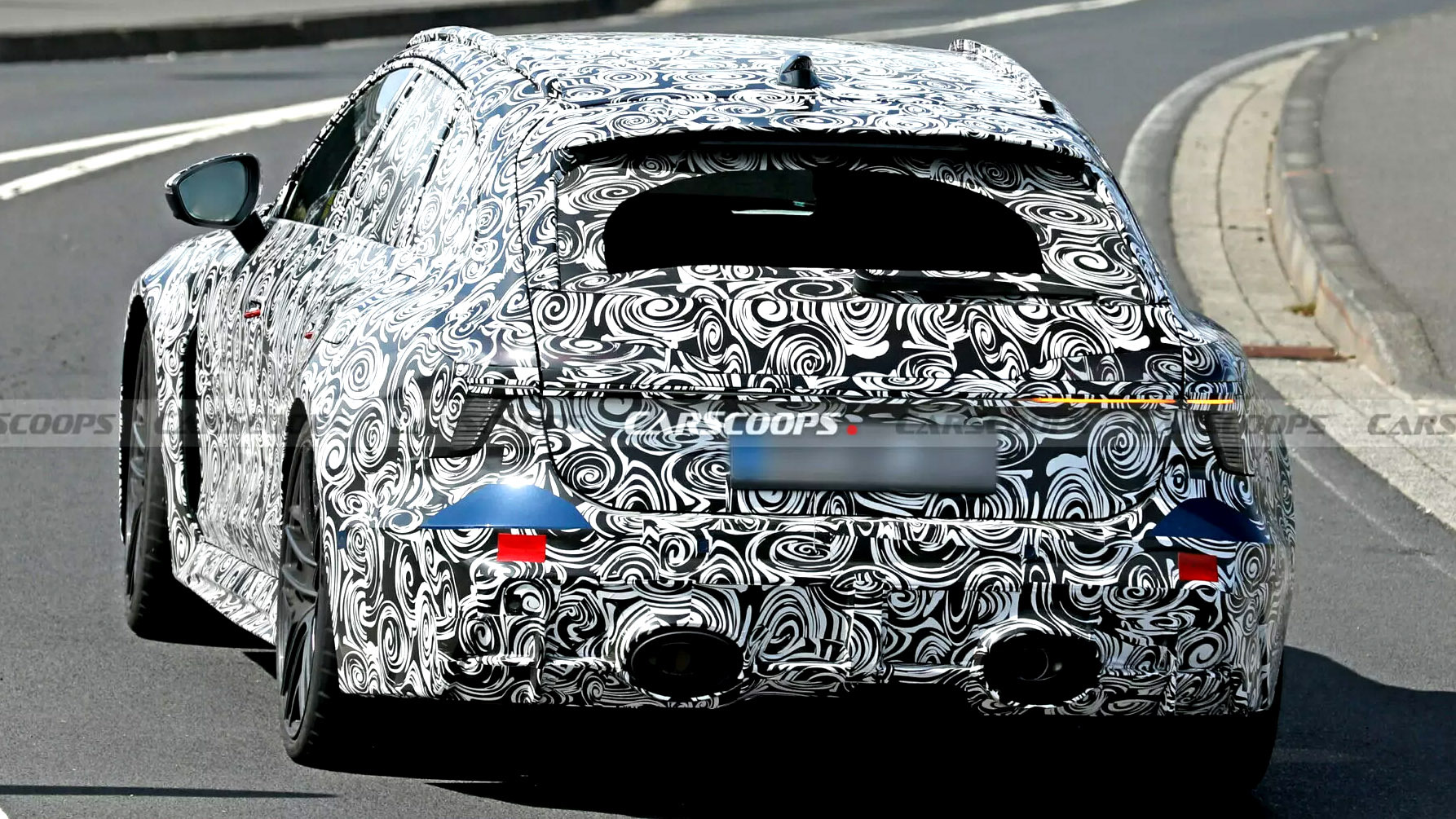
Our view is that M and RS insurance is expensive for rational reasons, and the buyers who complain loudest are usually the ones who shopped it like a hatchback. We would always start with a specialist performance insurer, fix the security visibly, and seek agreed value on anything rare or cherished, because the difference between a lazy comparison-site quote and a well-structured specialist policy on one of these cars can be hundreds of pounds a year. We would never shave the premium by under-declaring mileage or modifications, because a voided claim on a £70,000 car dwarfs any saving. Budget honestly for the cover before you buy, treat the group rating as part of the running-cost sum, and an M3 or RS6 is perfectly affordable to insure; pretend the premium will be ordinary and it will catch you out.