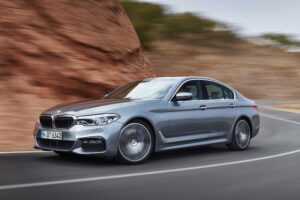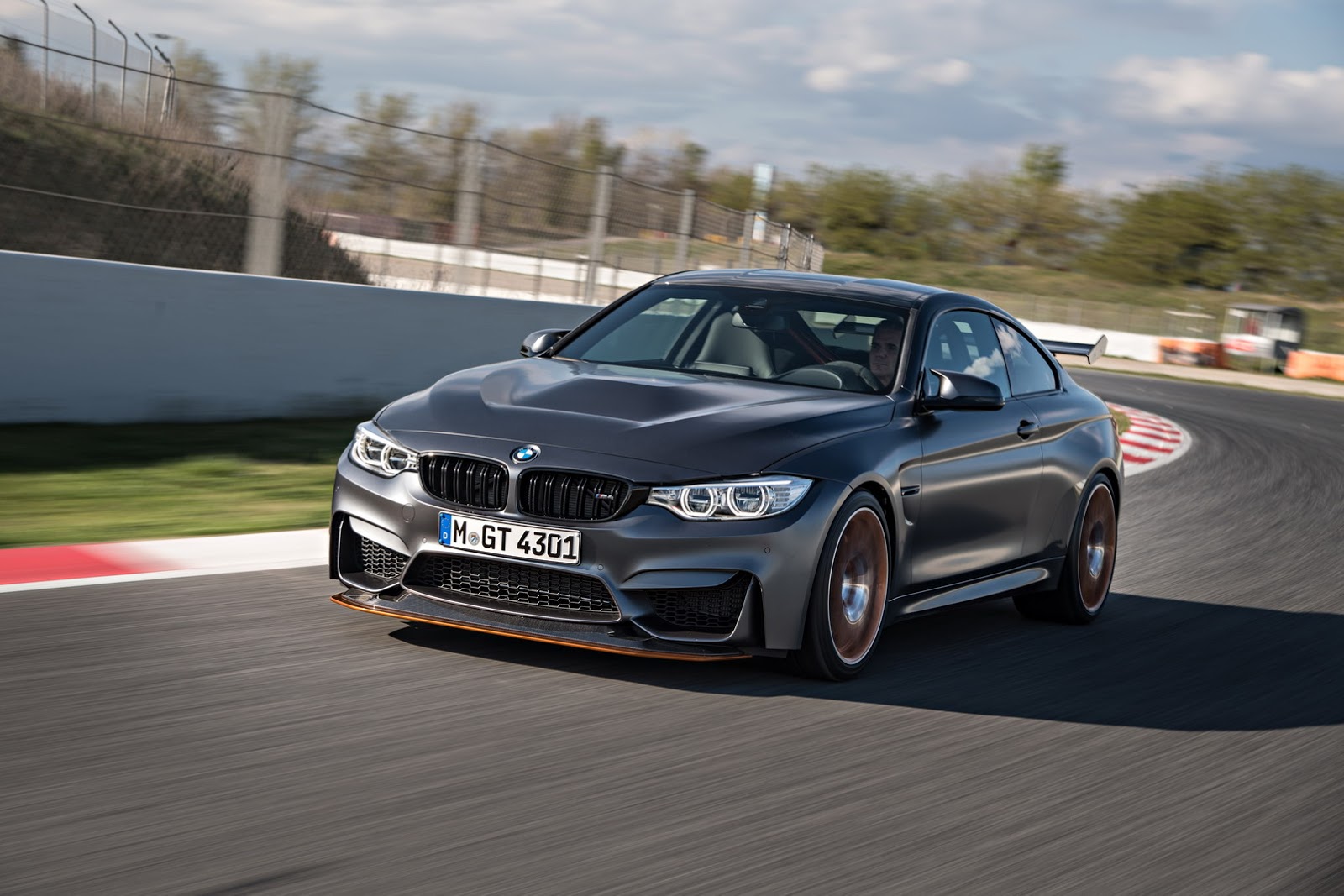
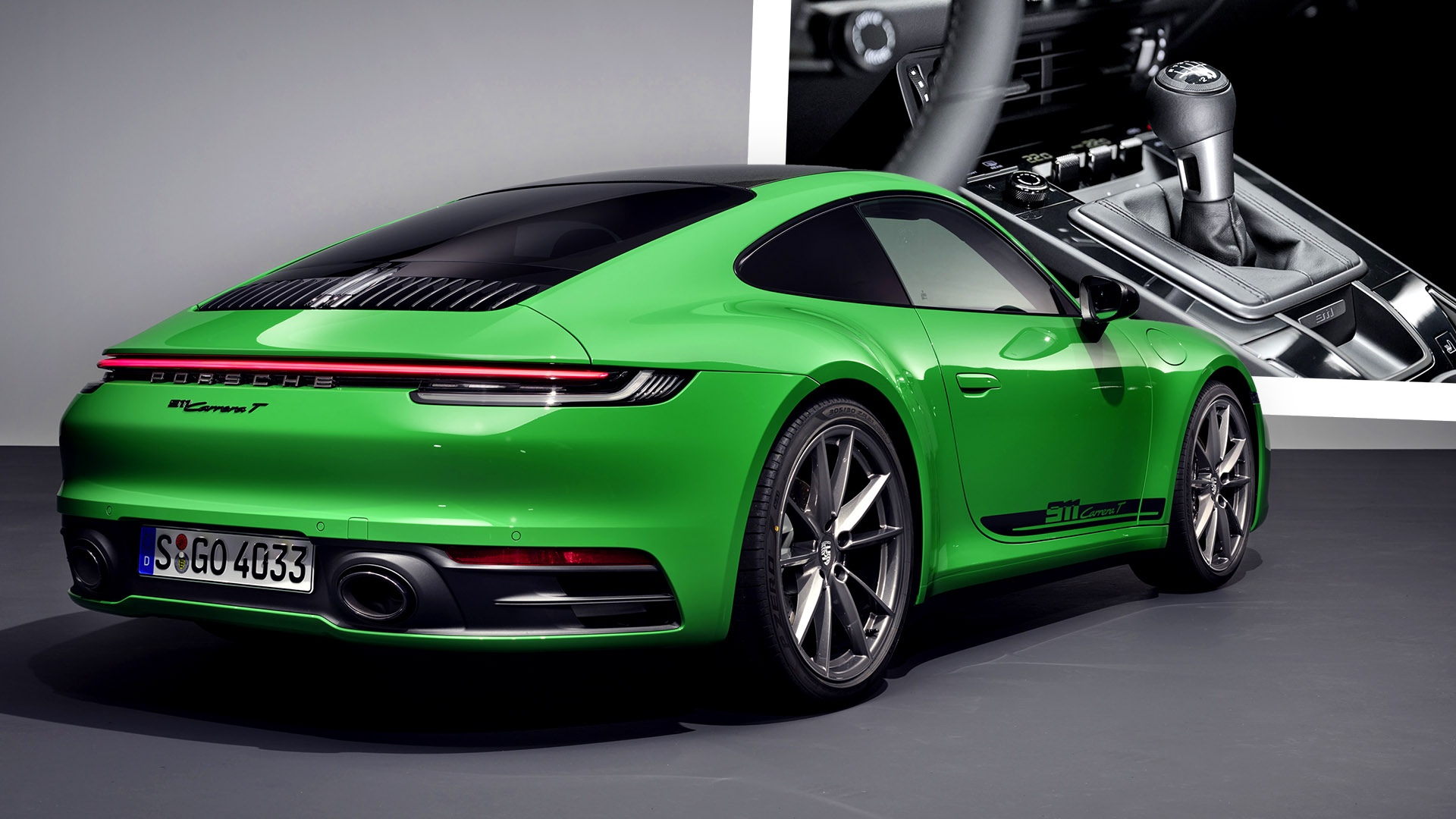
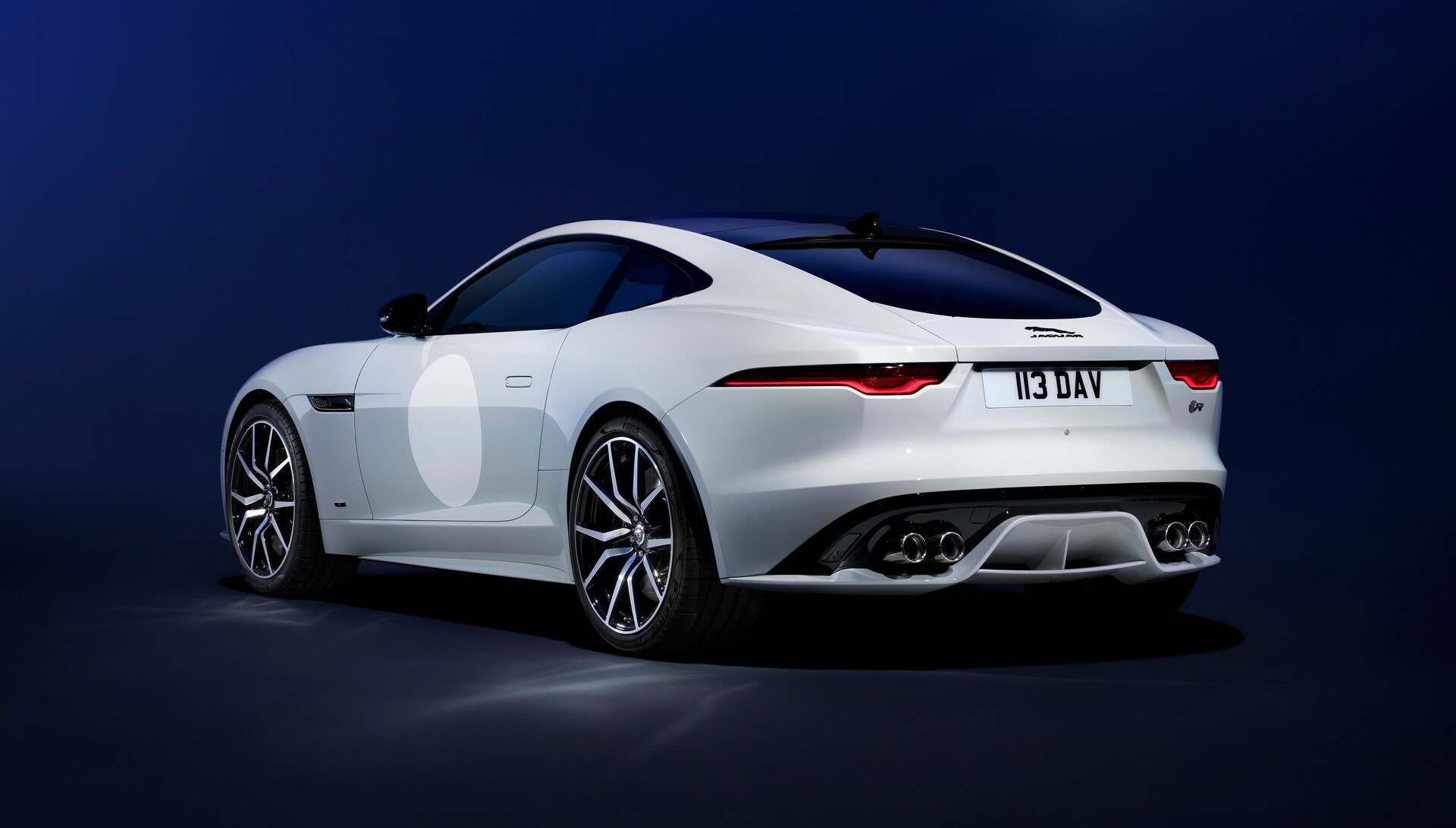
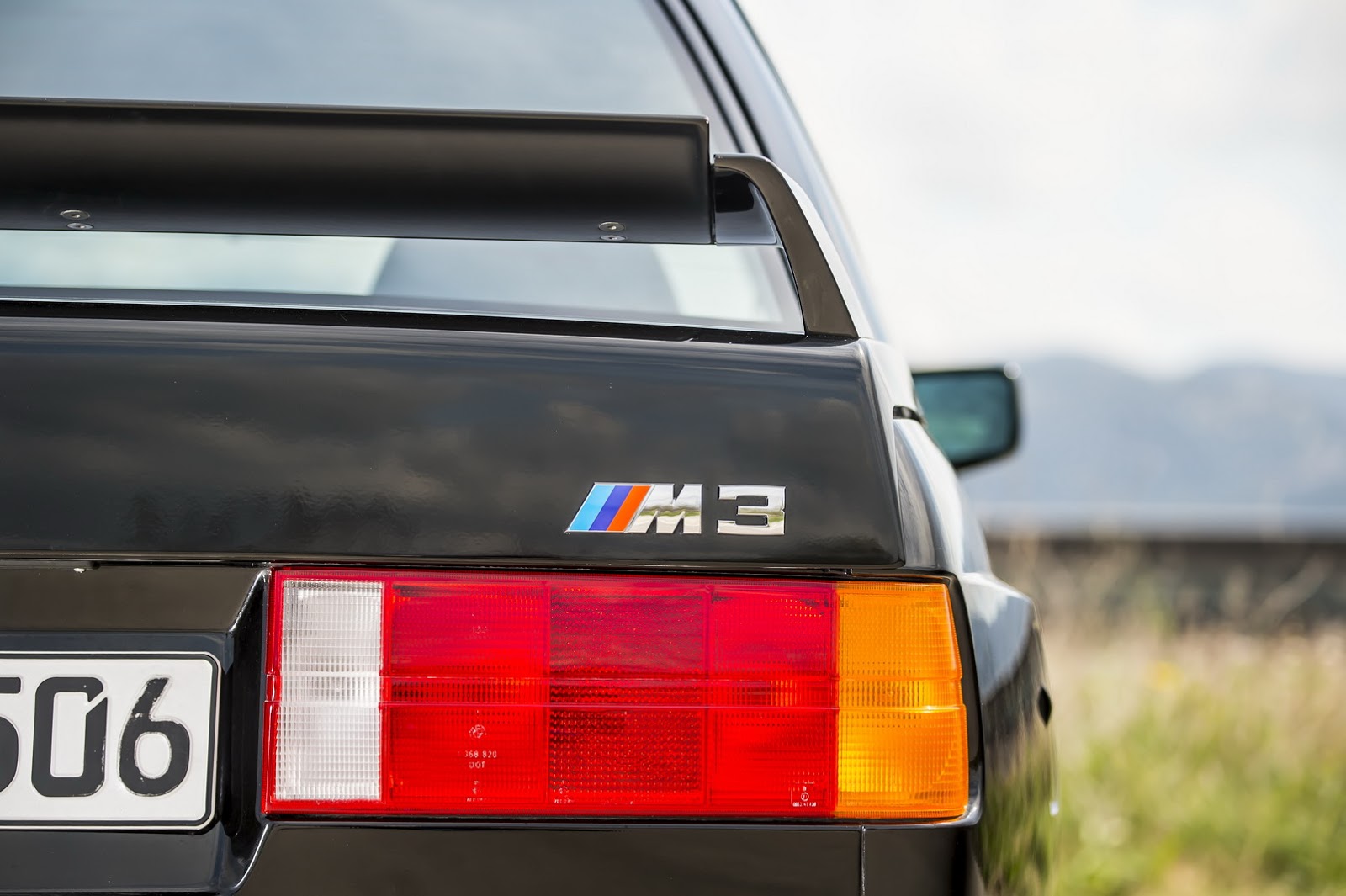
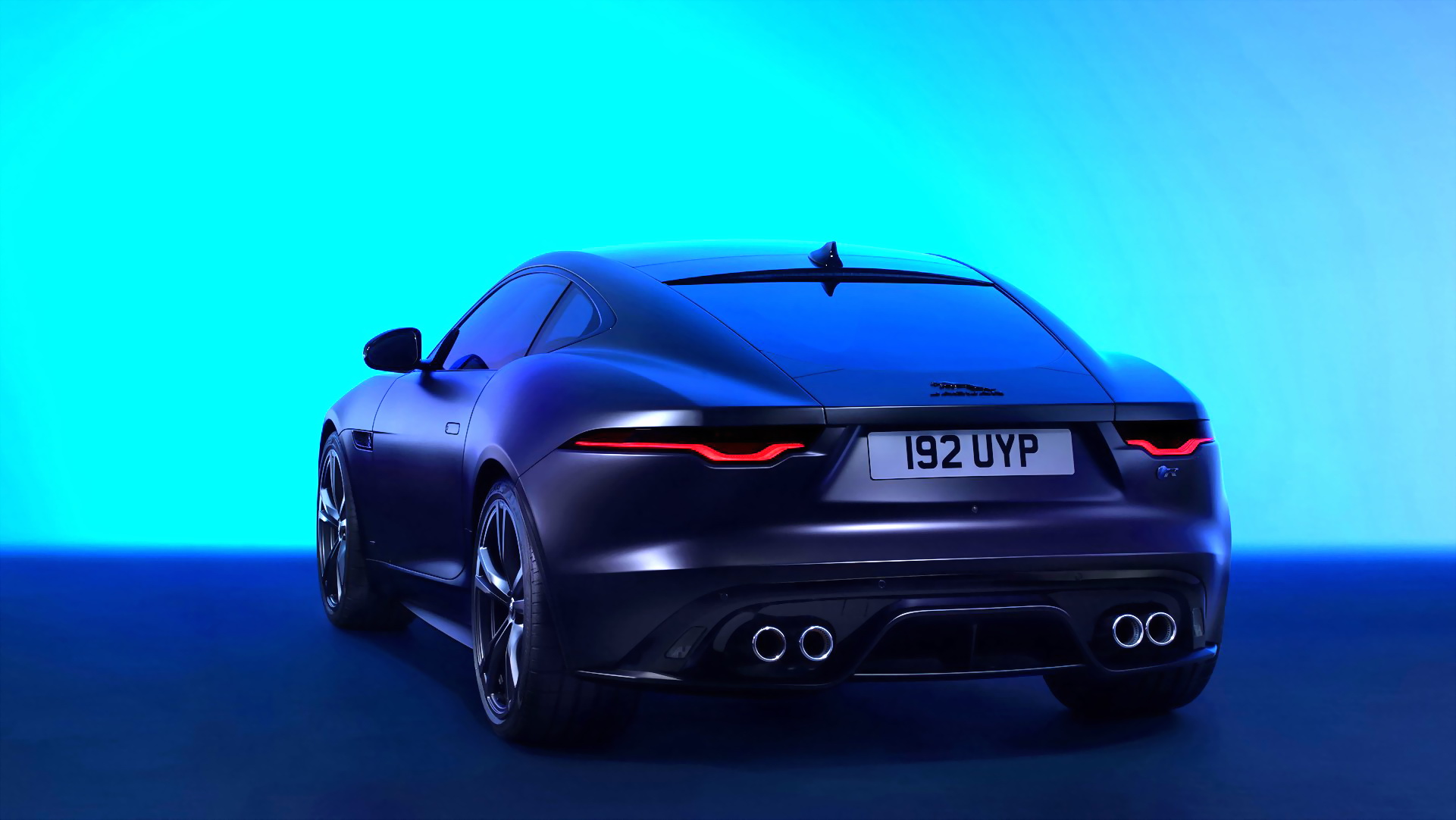
Footman James vs Lancaster is the choice most owners reach when they want a future-classic premium car, say a cherished Porsche 911, an early BMW M3 or a run-out Jaguar F-Type, insured on agreed value rather than a standard motor policy. Both are established UK classic and modern-classic brokers, both offer agreed valuation, limited mileage and club discounts. The honest answer is that they suit slightly different owners, and the right pick depends on the car’s age, your annual miles and whether you want salvage retention or laid-up cover built in.
What real owners say (CDE data)
CDE compared the published policy-feature pages of both brokers against the Thatcham Research group-rating methodology, reading every cover line on 3 June 2026 and mapping it to the trade-offs future-classic owners weigh in practice.
- Where both deliver: agreed valuation certainty on a total loss, low premiums for genuinely limited mileage, and owners-club discounts at each broker.
- Where owners get caught out: mileage caps when usage creeps up, valuation-evidence admin on higher-value cars, and modified-vehicle declarations that must be exact to avoid a voided claim.
- Pricing signal: Thatcham rates the cars these policies cover toward the top of its 1 to 50 group scale, so repair and parts costs, not driver risk, are the main premium driver on a 992 or an F-Type R.
Why a future-classic premium car needs specialist cover at all
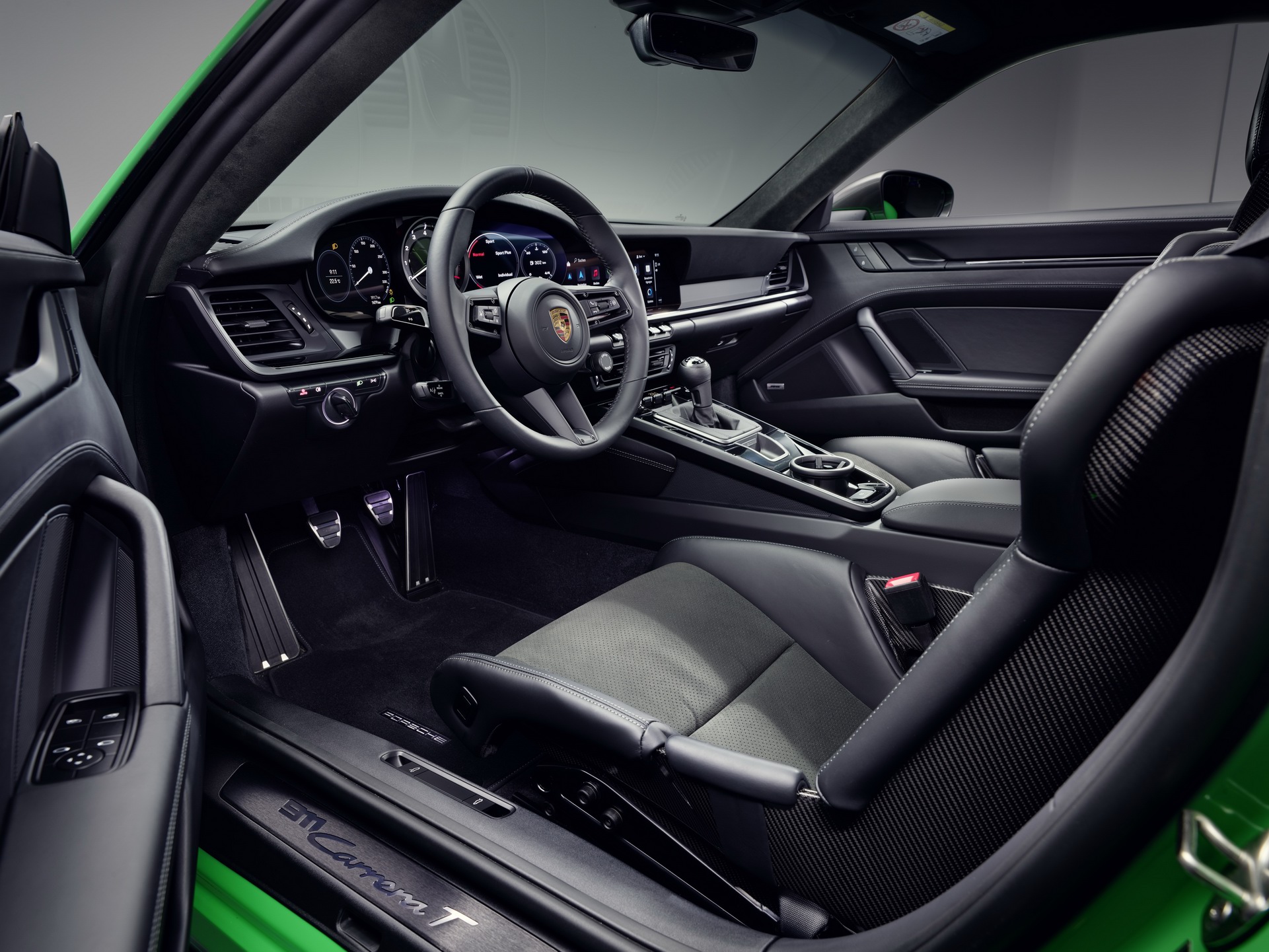
A standard motor policy pays market value at the point of a claim, which is a number the insurer chooses after the loss. For an appreciating car that can be thousands of pounds short. A cherished 997 or 991 Porsche 911, an E46 or E92 BMW M3, or a 2024 run-out Jaguar F-Type is exactly the sort of car whose value is climbing while everyday cars depreciate, and that is the gap classic and modern-classic brokers exist to close. The mechanism is agreed value: you and the insurer settle a figure in writing before the policy starts, so a total loss pays that figure, not a disputed estimate. If you are weighing the same decision on a daily-driven 911, our breakdown of Hagerty UK versus Adrian Flux for a used Porsche 911 covers how two other specialists price the same risk.
Eligibility: which cars each broker will actually take
This is where the two part company first. Footman James treats classic eligibility as “normally 20 years” for a car, per its own FAQ, though it notes the threshold can drop for certain marques or with club membership, and it sells a separate modern-classic route for newer enthusiast cars. Lancaster Insurance describes classic vehicles as “generally over 20 years old” but is explicit that underwriters apply different metrics and that it places less-obvious cars too. In practice both will look at usage as much as age: a car kept as a second or weekend vehicle, garaged, on limited miles, is the profile they want. A sole car doing a full commute is a standard-policy job, not a classic one. If your premium interest is a newer car still in everyday use, our guide to high-value car insurance over £50,000 is the better starting point.
Agreed value: the most important question, and where the wording differs
Both offer agreed value, but the evidence bar is not identical. Footman James states that agreed value means you are paid “the amount shown on your policy schedule” on a total loss, and on its classic product it does not require valuation evidence for vehicles valued under £15,000. Lancaster offers an “Agreed Valuation” as a priced add-on (listed from £18 at the time of writing) with its own valuation team assessing the figure, and pays “the sum agreed on the current valuation certificate less any policy excess” on a total loss. The practical read: for a sub-£15k future classic, Footman James can be lower-friction; for a higher-value 911 or F-Type R where you want a formal certificate on file, Lancaster’s paid valuation route is a clean paper trail. Owners insuring a Jaguar specifically should also read our Jaguar F-Type insurance guide on agreed value versus standard cover.
Limited mileage, club discounts and multi-vehicle policies
Limited-mileage cover is how both brokers keep premiums low, and it is also the single biggest source of owner complaints when miles creep up. Lancaster says its policies “typically top out at an annual limit of anywhere between 5,000 to 10,000 miles,” with discounts for lower usage. Footman James prices on how often you drive and how the car is stored rather than publishing fixed bands, so a garaged, rarely used car is rewarded. On club discounts both have deep reach: Footman James cites thirty-five years of relationships with enthusiast clubs and affinity groups offering members discounted rates; Lancaster says owners-club members “may enjoy discounts” with the level set by each insurer’s underwriting. Multi-vehicle policies are offered by both, useful if your future classic shares the garage with, say, an M-car you also insure; our notes on BMW M and Audi RS insurance costs explain why those performance cars sit high on the group scale.
Salvage retention, laid-up cover and modified declarations
For an enthusiast, these three extras often decide the policy. Salvage retention lets you keep the car or its parts after a total-loss payout; Footman James states that on a total loss “you can keep the car and/or parts without any additional costs (subject to salvage category applied),” and Lancaster lists salvage retention among its benefits. Laid-up cover, which protects a SORN or off-road car against fire, theft and damage while it is stored, restored or in transit, is offered by both, Footman James through a dedicated Restoration, Storage and Transit product. Modified cover is the area with the least public detail: Lancaster sells modified-vehicle insurance separately and stresses disclosing every modification, while Footman James handles modifications on a quote-by-quote basis. The rule for both is the same and it matters: declare every change, because an undisclosed modification can void a claim. If your future classic spends winters under a cover, our piece on which Porsche 911 generation to buy used is worth reading alongside the laid-up logic here.
Footman James vs Lancaster: the cover features side by side
The table below is built straight from each broker’s own published policy-feature pages, accessed 3 June 2026. It is the cover-feature comparison, not a price quote: premiums vary by car, postcode, mileage, storage and driver history, so we give the drivers rather than a figure.
| Feature | Footman James | Lancaster Insurance |
|---|---|---|
| Agreed value | Yes; no evidence needed under £15,000 on the classic product | Yes, as a priced “Agreed Valuation” add-on with its own valuation team |
| Eligibility (age) | Normally 20 years; can reduce by marque or club membership | Generally over 20 years; underwriters apply varying metrics |
| Limited mileage | Priced on usage and storage, no fixed public bands | Typically caps between 5,000 and 10,000 miles a year |
| Club discount | Yes, long-standing club and affinity scheme | Yes, varies by insurer and underwriting |
| Multi-vehicle | Yes | Yes |
| Salvage retention | Yes, keep car or parts at no extra cost, subject to category | Yes, listed as a benefit |
| Laid-up cover | Yes, via Restoration, Storage and Transit policy | Yes, listed as a benefit |
| Modified cover | Quote-by-quote, full disclosure required | Separate modified-vehicle insurance, full disclosure required |
What actually moves the premium on these cars
Neither broker prices on badge alone, and you should be wary of any quote that does. The dominant driver is repair and parts cost, which is why a future-classic premium car sits high on the insurance group scale even when it is rarely driven. Thatcham Research, whose data underpins UK insurer pricing, runs a 1 to 50 group-rating system that weighs repair cost and time, new and total-loss vehicle price, performance figures and security and safety systems across “over 125 data points,” per its published methodology. A 992 911 or an F-Type R lands toward the top of that scale on price and parts, not because of how you drive it. So the levers you can pull are the ones both brokers reward: agreed mileage, secure overnight storage, club membership and a clean declaration. Get those right and the specialist route is usually cheaper than a mainstream insurer that does not understand the car.
According to Thatcham Research’s insurance group-rating methodology, that 1 to 50 score is the figure insurers lean on to quantify a car’s risk, and on premium performance cars it is repair economics, not driver behaviour, that pushes the group up. That is the single most useful thing to understand before you compare two specialist quotes.
How the two compare for an owner with a second car in the garage
If your future classic shares space with a daily or another enthusiast car, the multi-vehicle option at either broker can simplify renewals onto one date and, in some cases, sharpen the combined premium. This is also where the sibling decision sits: a slightly older car squarely in classic territory leans Footman James, whose classic-first product design and sub-£15k no-evidence agreed value suit a car that already qualifies. A newer modern classic still inside the “generally over 20 years” grey zone leans Lancaster, whose flexible underwriting and explicit modern-classic tilt take cars others hesitate on. We compared the same two brokers on a different vehicle profile in our look at Footman James and Lancaster for a modern-classic JLR or BMW M, which is the read to pair with this one if your car is the JLR-or-M flavour rather than a 911 or F-Type.
The checks to make before you commit to either broker
Before you settle on a policy, work through a short list rather than chasing the lowest headline number. Confirm the agreed-value process in writing, including any evidence threshold and whether you need a certificate within a set window. Pin down the mileage band and what happens if you exceed it. Ask whether salvage retention and laid-up cover are included or priced extra. Declare every modification, however minor, and get the acceptance in writing. Check whether your owners club unlocks a discount with that specific underwriter. And verify the broker and underwriter on the FCA register so you know who actually carries the risk. None of this is a sales step; it is the difference between a clean payout and a fight after a loss.
Updated: 3 June 2026. This is general guidance, not personalised financial, tax or legal advice; CDE has not driven this specific vehicle.
On Footman James vs Lancaster for a future-classic premium car, our view is that neither is universally better; they fit different garages. Footman James is the cleaner pick for a car that already clears the classic threshold and sits under about £15,000, where its no-evidence agreed value and classic-first product remove friction. Lancaster earns the nod for a higher-value or borderline modern classic, a run-out F-Type R or a cherished 991, where you want a formal valuation certificate and underwriting that takes less-obvious cars. Both reward the same behaviour: limited miles, secure storage, club membership and total honesty on modifications. We would get a like-for-like quote from each, compare the agreed-value wording and the mileage cap rather than the premium alone, and walk away from any policy that will not put the agreed figure in writing. The boring paperwork is the whole point.
Is Footman James or Lancaster cheaper for a future-classic car?
What counts as a future classic for specialist insurance?
Do I need agreed value, or is market value fine?
How do limited-mileage classic policies work?
Will modifications affect cover with either broker?
Can I keep the car after a total-loss claim?
Buyer action
Where to check next
Use this as the final check before paying a deposit, signing finance paperwork or relying on a headline monthly figure.