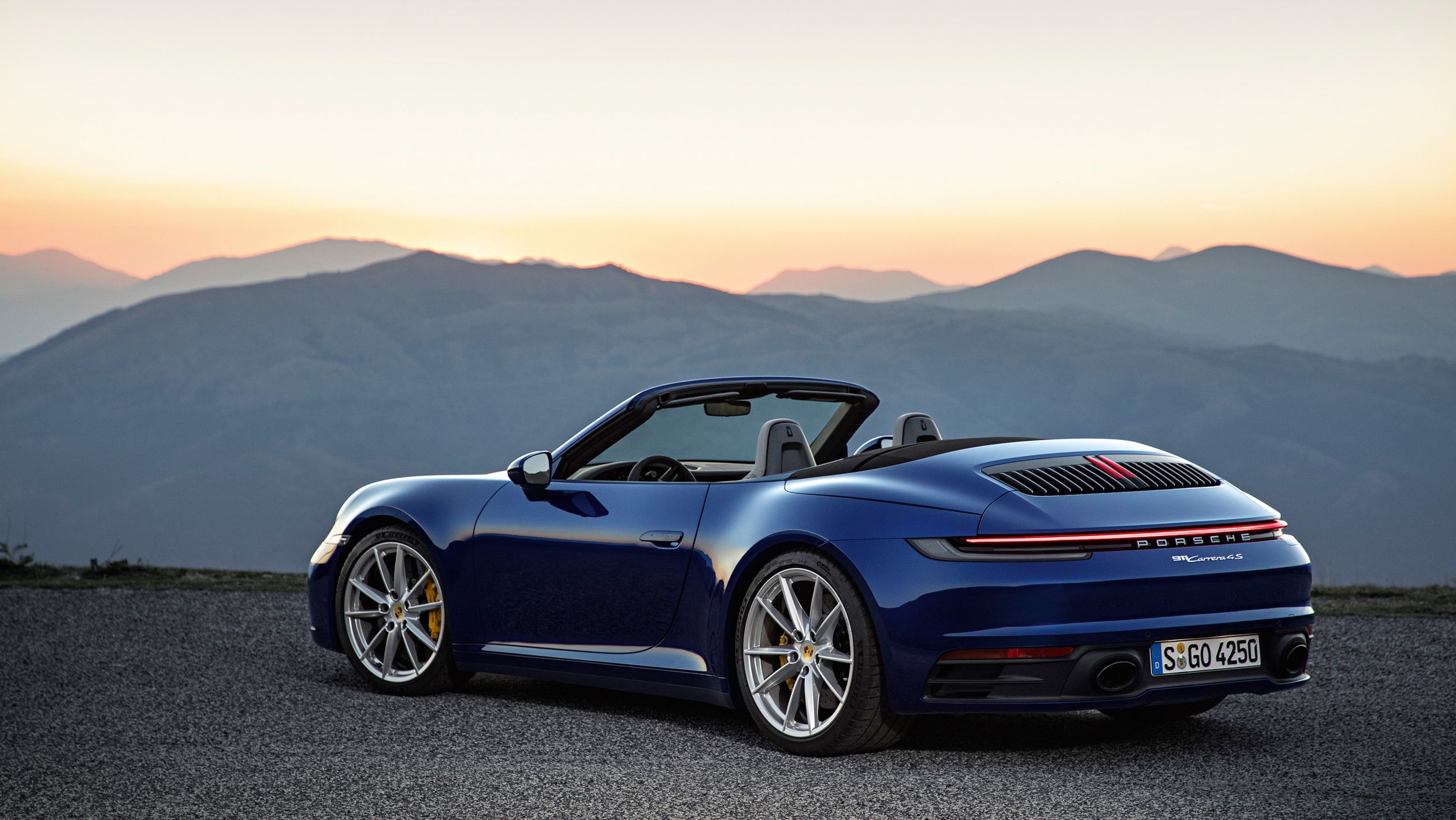
This Porsche 911 992 used buyer’s guide sets the turbocharged 991.2 (2016 to 2019) against the 992 (2019 to 2024) so you know which generation, engine and year a UK buyer should actually chase. Our verdict: a 2017 to 2019 991.2 Carrera S from around £60,000 is the value sweet spot, while a 992 Carrera from roughly £80,000 buys the newer cabin and the eight-speed gearbox. Both run a flat-six turbo, so the famous early-911 horror stories do not apply, but the bills when something does go wrong are seriously large.
What real owners say (CDE data)
CDE cross-referenced the PistonHeads 991.2 Carrera owner buying guide, 911uk.com owner threads and live PistonHeads and Auto Trader classified listings, checked 1 June 2026.
- Most-praised aspects: the daily-usable flat-six turbo torque, the rifle-bolt PDK gearbox, and residual values that have held up far better than rivals.
- Most-criticised aspects: the cost of consumables (tyres, ceramic brakes, major services), firm low-speed ride on 20 and 21-inch wheels, and the move to electric-assisted steering that purists still debate.
- Reliability signal: no IMS-bearing or bore-scoring exposure on these turbo cars (those were 996 and early-997 problems); real 991.2 items flagged by owners are a vacuum change-over-valve workshop campaign, plastic-sump thread wear, and water-pump weeps on a cluster of late-2017 to early-2018 cars.
991.2 or 992: which generation to buy used
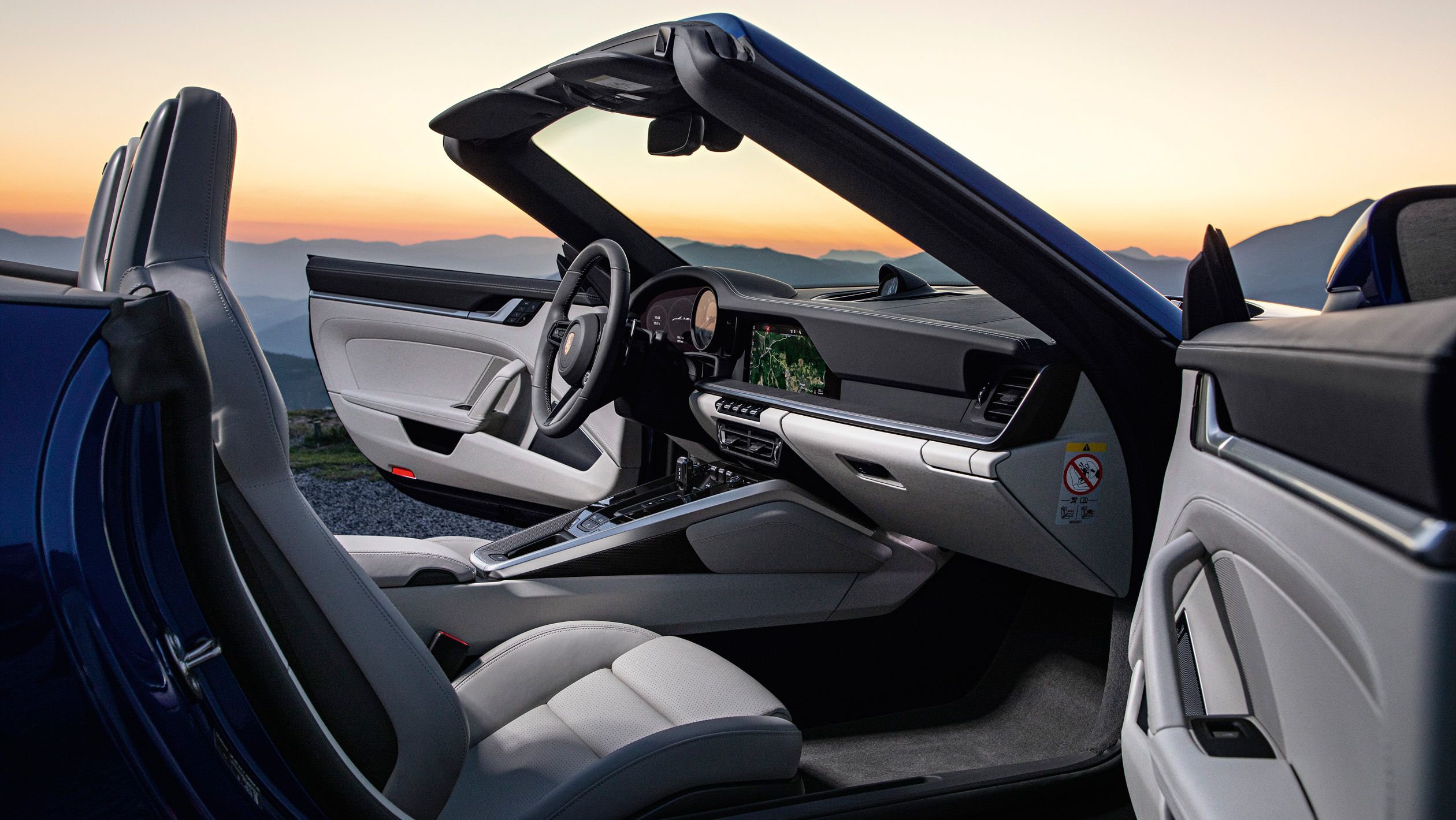
The honest answer depends on your budget and what you want from the cabin. The 991.2 (2016 to 2019) was the car that switched the regular Carrera range to turbocharging, and it still drives like a classic 911: analogue feel, a tidy dashboard with physical buttons, and a body that looks lithe next to the wider 992. The 992 (2019 to 2024) is bigger, quicker and far more modern inside, with a part-digital dash and the new eight-speed PDK. For a UK buyer who wants the purest steer for the money, the 991.2 wins. For someone who will use the car every week and wants the latest tech and crash structure, the 992 is the safer long-term pick. Neither is fragile; both reward a careful inspection over a cheap purchase price. If you would rather have a Porsche you can use every day, our Porsche Macan 95B used buying guide covers the cheaper, more practical alternative.
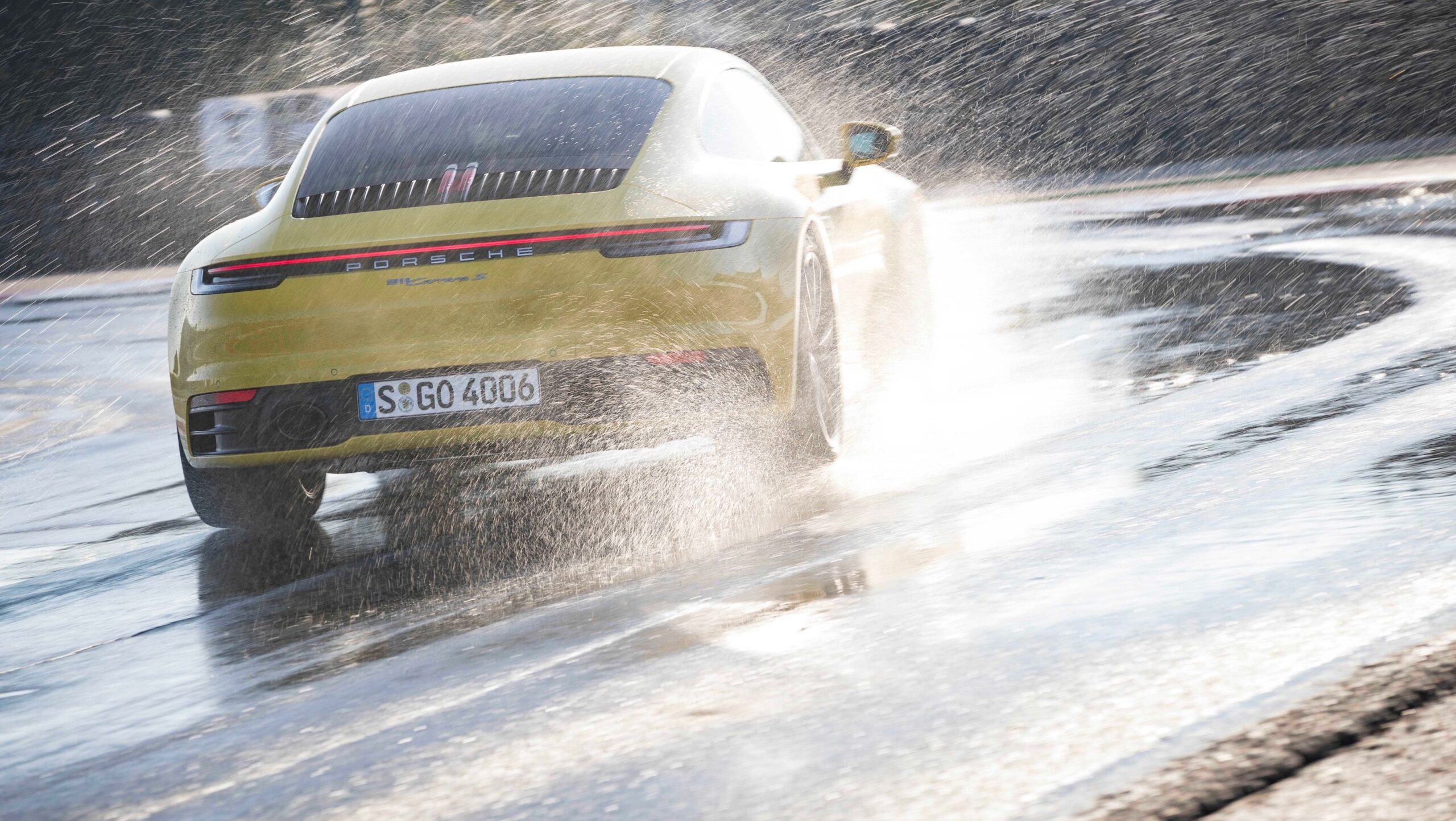
The engines: 3.0 twin-turbo Carrera, 3.8 only in the Turbo
Get the engine line-up straight before you shop, because plenty of listings describe it wrongly. Across both the 991.2 and the 992, the Carrera, Carrera S, 4S and GTS all use the same 3.0-litre twin-turbo flat-six; only the displacement-up Turbo and Turbo S run the 3.8-litre unit. The naturally aspirated 3.4 and 3.8 engines belonged to the earlier 991.1 (2012 to 2015), which this guide does not cover. In the 992 Carrera S, Porsche quotes 331 kW (450 PS) and 530 Nm from that 2,981 cm3 boxer, per the Porsche newsroom powertrain briefing. The takeaway: a “Carrera S” advertised as a 3.8 is either mislabelled or actually a 991.1, so check the V5C and the build sheet, not the seller’s headline.
Which trim and year is the value buy
For a buyer spending their own money, a 2017 to 2019 991.2 Carrera S is the pick. It has the desirable 414 bhp tune, the facelift infotainment, and prices that have settled. A clean 991.2 Carrera starts around £59,000 and a higher-mileage Carrera S sits near £70,000, per the PistonHeads 991.2 buying guide. Step up to the 992 and a 2019 to 2020 Carrera with sensible mileage begins at roughly £79,950, with later GTS cars running well past £120,000 on PistonHeads classifieds, scanned 1 June 2026. If you can stretch, the 992 Carrera GTS is the connoisseur’s choice; if value is the priority, the 991.2 Carrera S with Sport Chrono and the sports exhaust is the smarter spend. Manual cars carry a premium over PDK and are worth seeking if you plan to keep the car.
Known issues: forget IMS, watch the real items
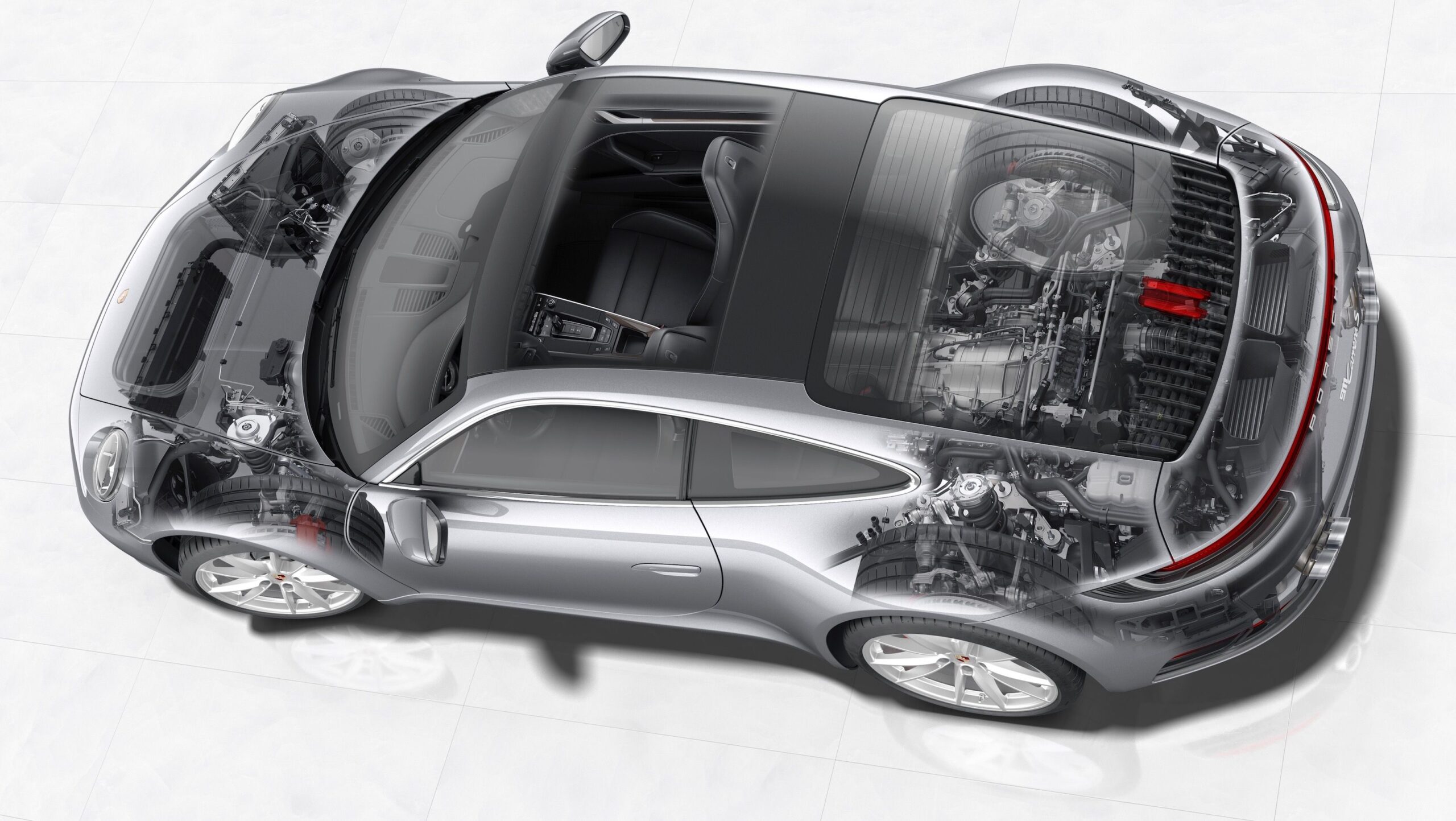
Clear up the myth first: the intermediate-shaft (IMS) bearing failure and cylinder bore scoring that scare buyers belong to the M96 and early M97 engines in the 996 and 997.1, not to the turbocharged 991 or 992. These cars do not have an IMS bearing to fail. What owners do report on the 991.2, per the PistonHeads guide, is a workshop campaign to replace a vacuum change-over valve, occasional plastic-sump thread wear, water-pump weeps concentrated on late-2017 to early-2018 cars, and the odd PCM infotainment reboot. On the 992, the bigger watch-outs are the health of the dual-clutch PDK and the condition of any optional ceramic brakes. None of this makes the car unreliable; it means a proper pre-purchase inspection at a specialist pays for itself many times over.
PDK health and ceramic-brake cost
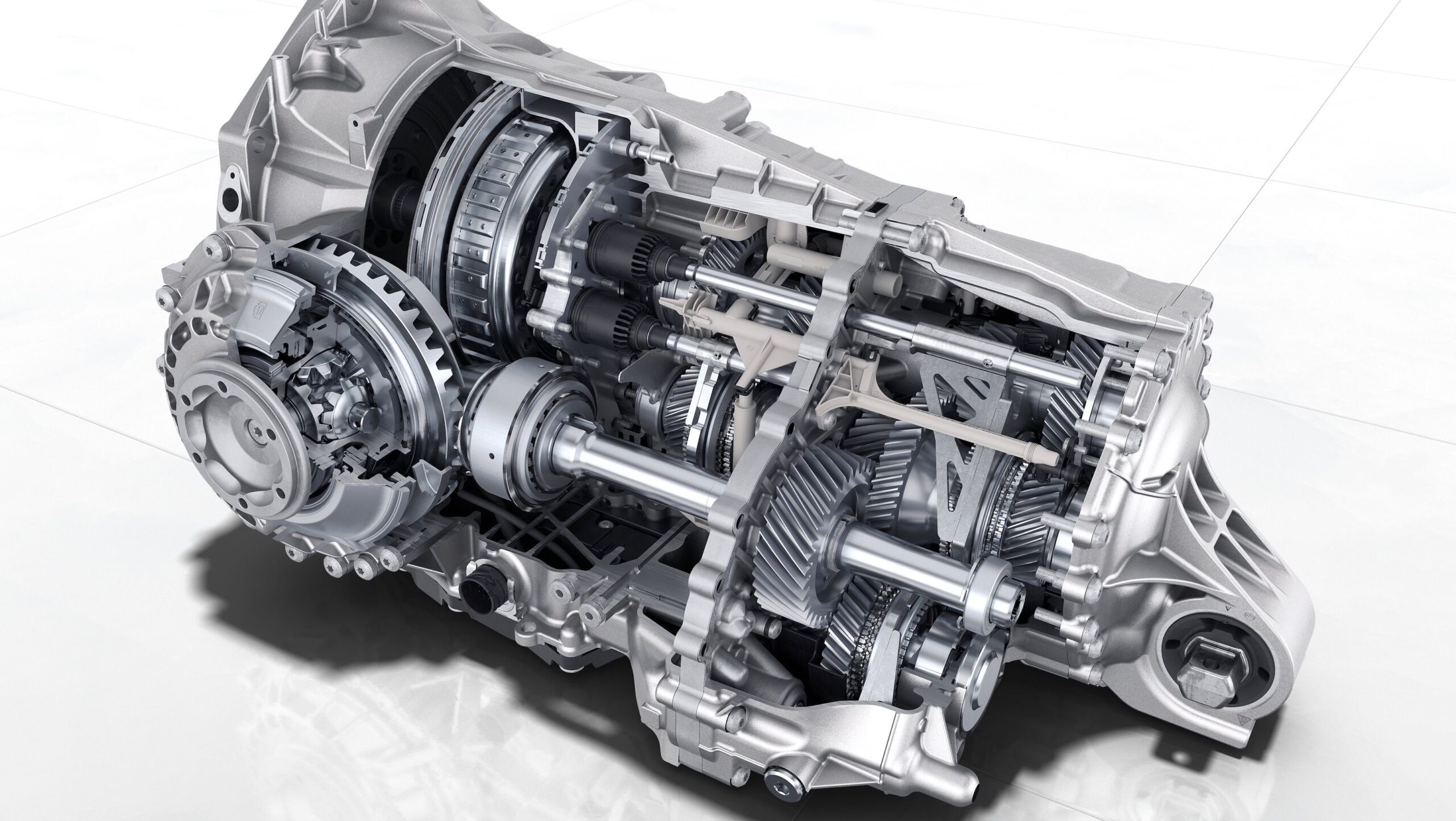
The PDK dual-clutch is dependable when serviced, but ignore it and a clutch-and-mechatronics repair can run into four figures, so insist on a transmission-fluid service history and a test drive that includes hard and slow shifts. The bigger financial trap is Porsche Ceramic Composite Brakes (PCCB). They never wear out under road use, but if they crack or a previous owner tracked the car, replacement is brutal: owners on 911uk.com put a full PCCB set at roughly the price of a new Ford Focus, with the discs alone running into five figures before pads, sensors and labour. If you do not need ceramics, a car on standard steel brakes is cheaper to live with. Always confirm which system is fitted before you fall for the yellow callipers.
Running costs: insurance, servicing and tyres
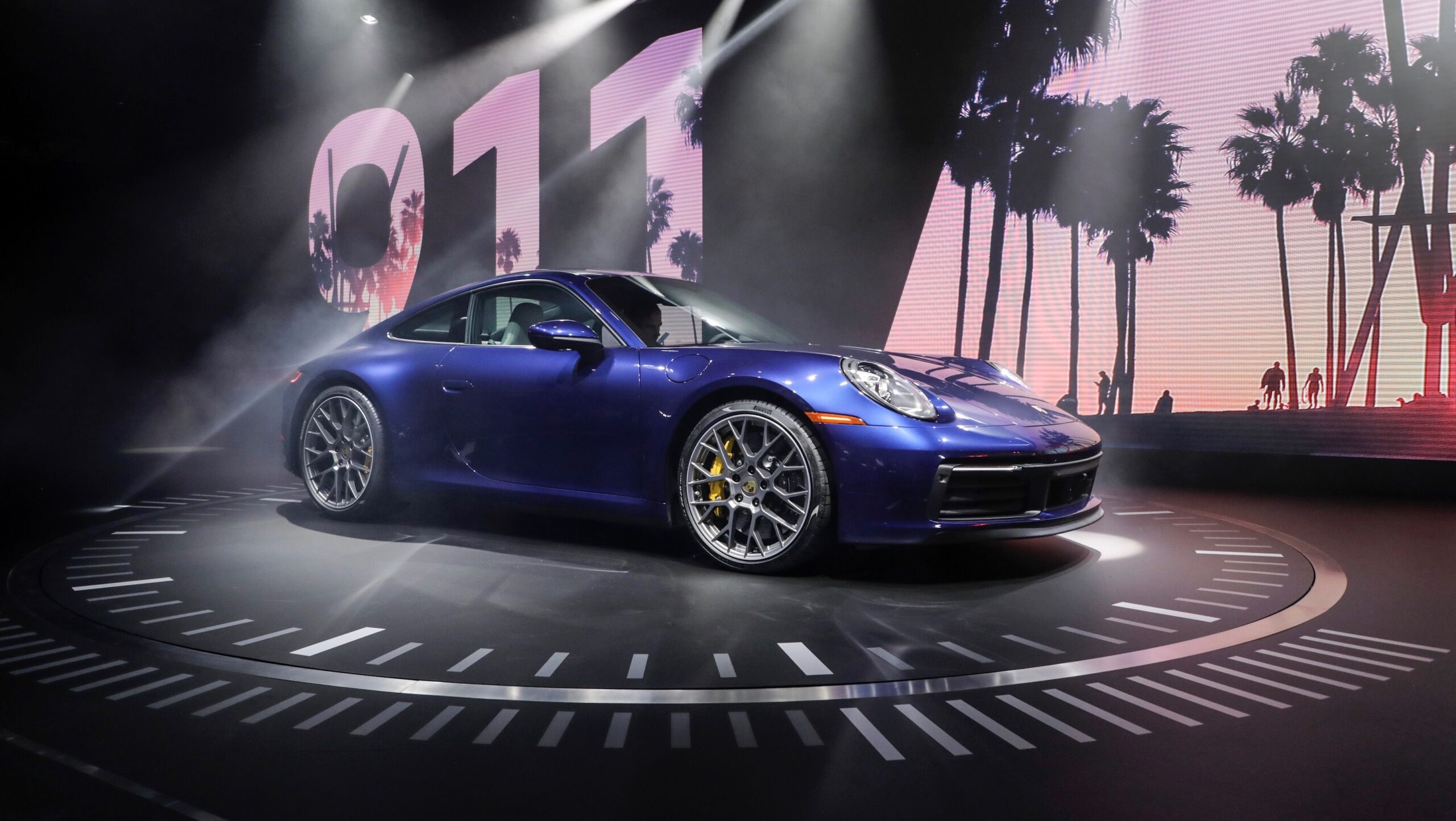
Budget like an owner, not an optimist. The 911 sits at the very top of the rating scale: Honest John’s insurance-group data lists the Carrera at group 49 and the Carrera S, 4S and Cabriolet at group 50, the highest band Thatcham assigns, so younger or urban-postcode drivers should price their cover before they commit. Servicing follows Porsche’s minor and major interval pattern, and a major service with fluids at an Official Porsche Centre is comfortably a four-figure bill. Tyres are a real cost too: staggered Ns-marked rubber for these cars runs to several hundred pounds per corner, and the rears wear fastest. Factor in higher-rate VED in the first years on the newer 992 and you have a car that is cheap to buy relative to its image but never cheap to run. Running costs follow the same pattern across the range, as our Porsche Cayenne 958 reliability guide shows on the SUV side.
Verified specs: 992 Carrera S at a glance
| Spec | Porsche 911 (992) Carrera S | Source |
|---|---|---|
| Engine | 2,981 cm3 twin-turbo flat-six | Porsche newsroom |
| Power | 331 kW (450 PS) at 6,500 rpm | Porsche newsroom |
| Torque | 530 Nm | Porsche newsroom |
| Gearbox | 8-speed PDK dual-clutch | Porsche newsroom |
| Insurance group | 49 to 50 (911 Carrera range) | Honest John insurance groups |
| Used UK price from | circa £79,950 (992 Carrera) | PistonHeads listings, 1 June 2026 |
For a moving picture of how the 992 drives and where it improved on the 991, the carwow road test below walks through the cabin, the gearbox and the on-road manners that matter to a used buyer.
Pre-purchase checks and the Porsche Approved option
A 911 is only a bargain if the history stacks up. Insist on a full main-dealer or specialist service record, evidence of any recall or campaign work completed, and a pre-purchase inspection by an independent Porsche specialist who will scope the engine, gearbox and underside. Check tyre brands match front to rear and carry the correct N-spec marking. If you want the cleanest route, buying through the manufacturer scheme adds a used warranty and a multi-point check; we compare the cover in our Porsche Approved warranty breakdown. For insurance, a specialist can be cheaper than a mainstream insurer on a weekend car, as we set out in our Hagerty UK vs Adrian Flux for a used 911 comparison.
Before you pay a deposit on a used 911
Run these checks before any money changes hands:
- Confirm the engine and generation on the V5C and build sheet: a “Carrera S” is a 3.0 twin-turbo on the 991.2 and 992, never a 3.8.
- Pull the free GOV.UK MOT history and read the advisories for tyre and brake notes.
- Check open recalls and campaigns on the DVSA vehicle recall service.
- Book an independent Porsche-specialist pre-purchase inspection, not just a dealer once-over.
- Confirm whether PCCB ceramic brakes are fitted and budget accordingly if they are.
- Confirm a firm insurance price for your postcode before committing, given the group 49 to 50 rating.
For most UK buyers, this Porsche 911 992 used buyer’s guide lands on the 991.2 Carrera S as the value champion: roughly £60,000 to £70,000 buys a turbocharged flat-six 911 with classic proportions, a usable cabin and reassuringly strong residuals. The 992 is the buy if you want the newer interior, the eight-speed PDK and the latest safety kit, and a 2019 to 2020 Carrera from about £80,000 is the sensible entry point. Walk away from any car without a clear service and campaign history, from tracked examples with worn ceramic brakes, and from sellers who cannot tell a 3.0 Carrera from a 3.8 Turbo. Check the V5C, get a specialist inspection, and price the insurance before the deposit. Do that and a used 911 is one of the few performance cars that rewards the careful buyer rather than punishing them.
Does the Porsche 911 991.2 or 992 have IMS bearing problems?
What engine does the 992 Carrera S use, 3.0 or 3.8?
How much does a used Porsche 911 992 cost in the UK?
What insurance group is the Porsche 911?
Are Porsche ceramic brakes (PCCB) expensive to replace?
Should I buy a 991.2 or a 992?
Related reading on CDE
- Porsche Approved warranty vs MotorEasy 2026: what cover really buys
- Hagerty UK vs Adrian Flux for a used Porsche 911 in 2026
- Porsche Panamera 971 used guide 2026: the executive Porsche to buy
How we researched this guide
Every pick here is shortlisted from hands-on testing and time spent living with the hardware by the CDE desk, then sanity-checked against current UK pricing, manufacturer specs and real-world performance before it makes the cut. We never rank for commission — affiliate links don't change the order.
Buyer action
Where to check next
Use this as the final check before paying a deposit, signing finance paperwork or relying on a headline monthly figure.