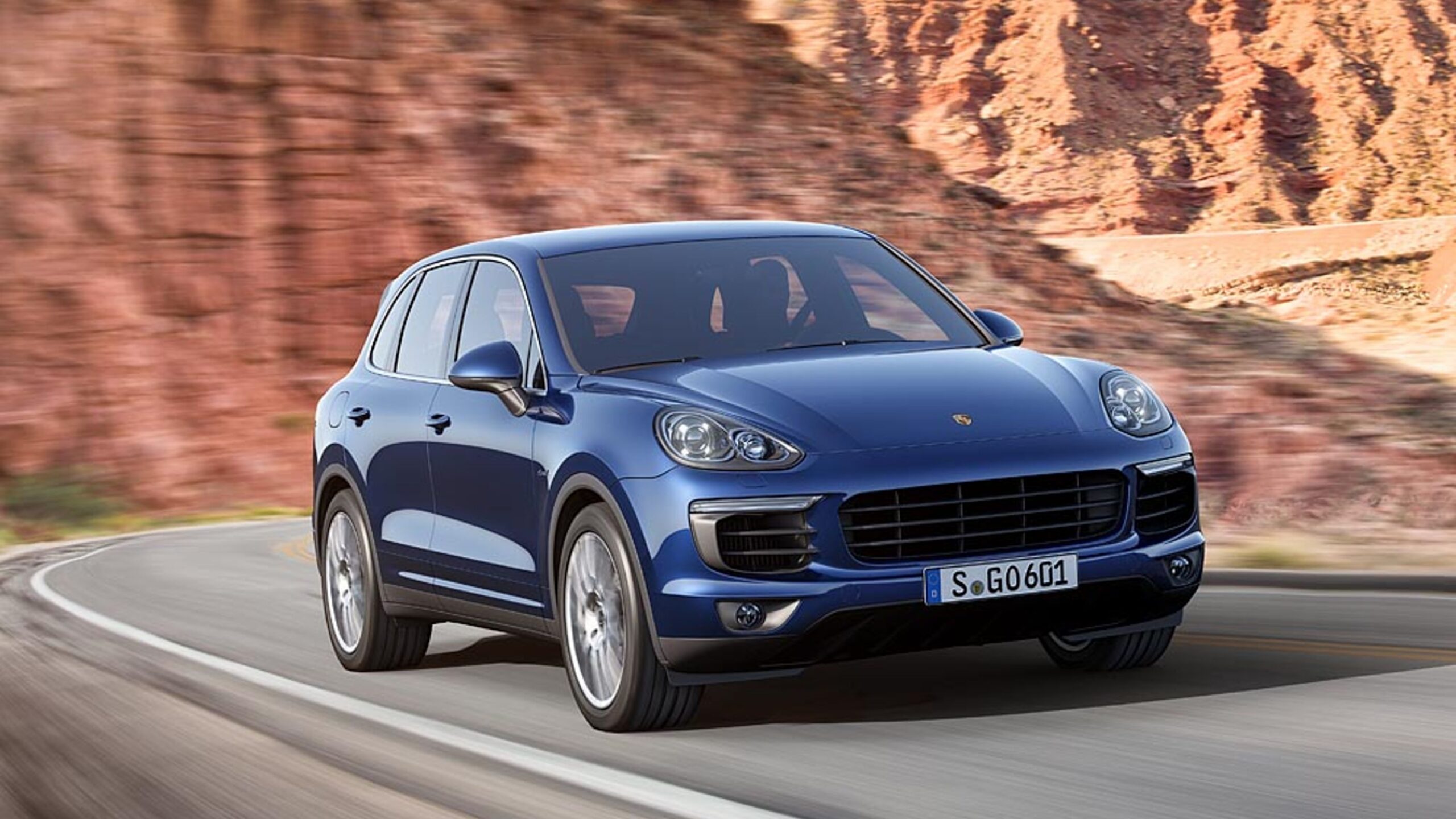
The 958 is the second-generation Porsche Cayenne, launched in 2010 and built until early 2018, when the third-generation E3 (PO536) replaced it.
What real owners say about the Cayenne 958
Cross-referenced PistonHeads and RennList Cayenne 958 owner threads, Honest John Real MPG and owner reviews, Carbuyer used buying guide, and the gov.uk vehicle recall database. Accessed 25 May 2026. Sample is enthusiast-skewed, not representative of the full UK parc.
- Most-praised: drivetrain refinement, on-road composure for a 2.1-tonne SUV, build feel inside and out, the 3.0 V6 TDI’s torque and 34 mpg real-world economy.
- Most-criticised: plastic coolant pipes and oil-cooler warping on V8 and earlier V6 engines, Variocam adjuster-bolt shearing risk on 2011 V8s, transfer-case lurching, and a PCM3 infotainment system that feels its age in 2026.
- Reliability signal: Carbuyer lists four UK recalls for the Mk2 Cayenne covering headlight mount looseness, faulty turbochargers, fuel-injector rails and brake pedal brackets. Always check a specific VIN at gov.uk/check-vehicle-recall before viewing.
The 958 in two sentences: 2010-2017, facelift in 2015
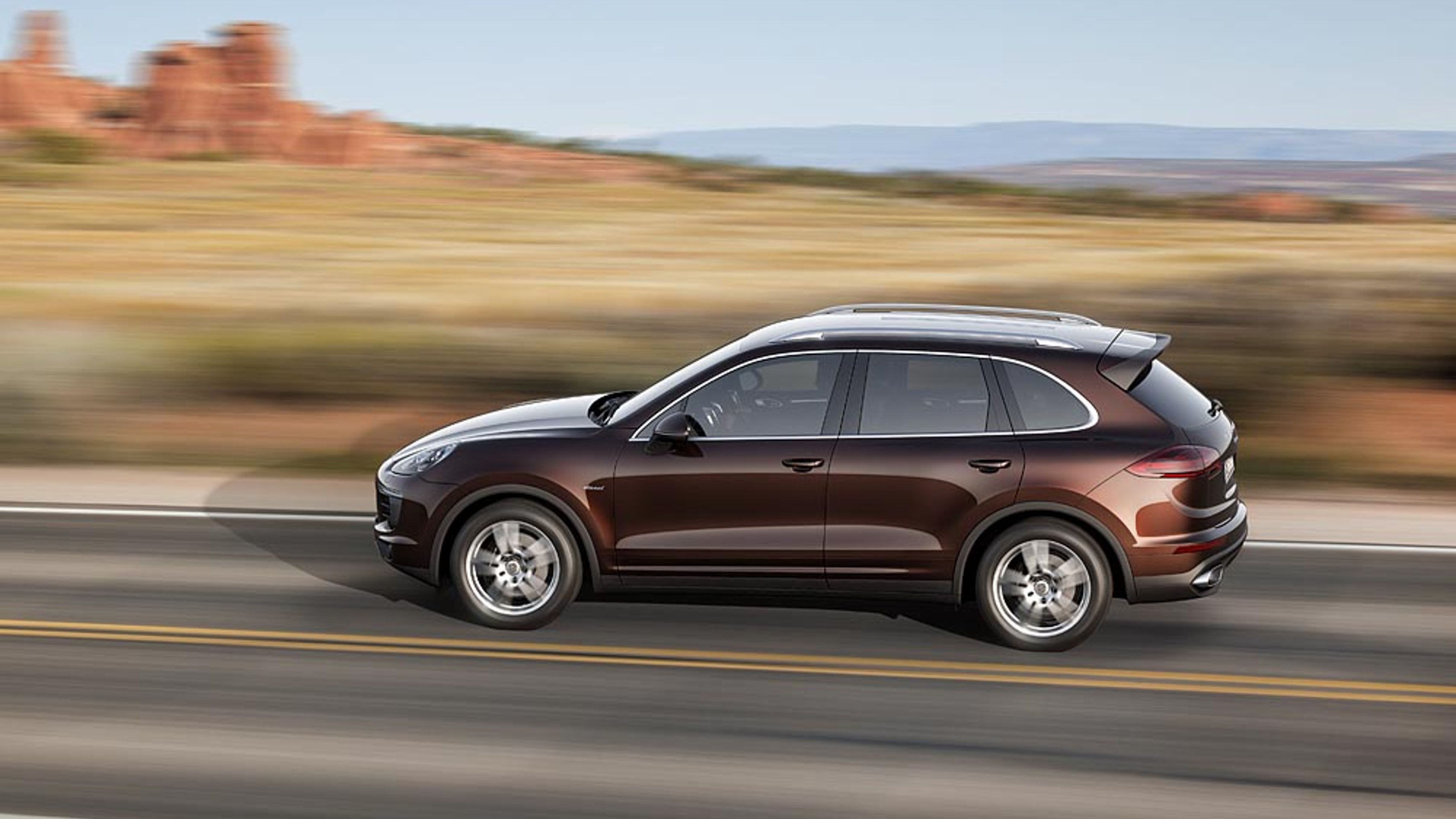
The 958 is the second-generation Porsche Cayenne, launched in 2010 and built until early 2018, when the third-generation E3 (PO536) replaced it. UK importers split the run into two cars: the pre-facelift “958.1” (2010 to mid-2014) and the facelifted “958.2” from MY2015. The facelift brought sharper headlights, new bumpers, updated PCM4 infotainment, a downsized twin-turbo 3.6 V6 in the S replacing the 4.8 V8, and the S e-Hybrid plug-in.
For a P1 used buyer with £30,000-£50,000 in 2026, that 2015 cut-off matters. Insurance premiums, Porsche Approved Pre-Owned eligibility and resale curves all swing on that single model-year line, which is why this guide leans hard on the 958.2.
Engines compared: 3.0 V6 diesel, 3.6 V6 petrol, V8 Turbo, V8 TDI, S e-Hybrid
The volume seller is the 3.0 V6 TDI diesel (240-262 PS), the Audi-shared 3.0 TDI common across the VW Group paired with an 8-speed Tiptronic. PistonHeads notes four of every five UK gen-two Cayenne buyers chose diesel, and Honest John Real MPG records a 34.0 mpg owner-submitted average, or 83% of the 39.2-42.8 mpg official.
The 3.6 V6 petrol is the base petrol from the facelift (300 PS); owners return 21.6 mpg against a 25.2 mpg claim – the worst-value engine in the range. The 4.8 V8 Turbo (500 PS) and Turbo S (570 PS) are sub-five-second 0-62 mph cars, but PistonHeads flags early V8s for bore-scoring on cold starts and Variocam adjuster bolts shearing on 2011 cars: a worst-case £30,000 engine replacement. The 4.2 V8 TDI S Diesel (385 PS) is rare in the UK, with Honest John owners recording 32.4 mpg against 34-35.3 mpg claimed (93% achieved). The S e-Hybrid pairs a supercharged 3.0 V6 with a small lithium-ion pack; Real MPG owner data shows 33.9 mpg in actual use, a long way from the WLTP 91.1 mpg claim if you never plug it in.
Cayenne 958 engine comparison (UK market data)
| Engine | Official MPG (NEDC/WLTP) | Real MPG (Honest John, owner-submitted) | % of official achieved |
|---|---|---|---|
| 3.0 V6 TDI (Cayenne Diesel) | 39.2-42.8 | 34.0 | 83% |
| 4.2 V8 TDI (S Diesel) | 34.0-35.3 | 32.4 | 93% |
| 3.6 V6 petrol | 25.2 | 21.6 | 86% |
| S e-Hybrid (3.0 V6 + electric) | 91.1 (WLTP) | 33.9 | 37% |
| 4.8 V8 Turbo (Tiptronic) | 23.7 | No verified data | , |
Source: Honest John Real MPG database, Porsche Cayenne 2010-2017 entries, accessed 25 May 2026. Real MPG is an owner-submitted aggregate; sample size varies by variant and a few S e-Hybrid submissions may not be charged daily.
The year and engine to buy: facelift 2015-2017 with Porsche Approved history
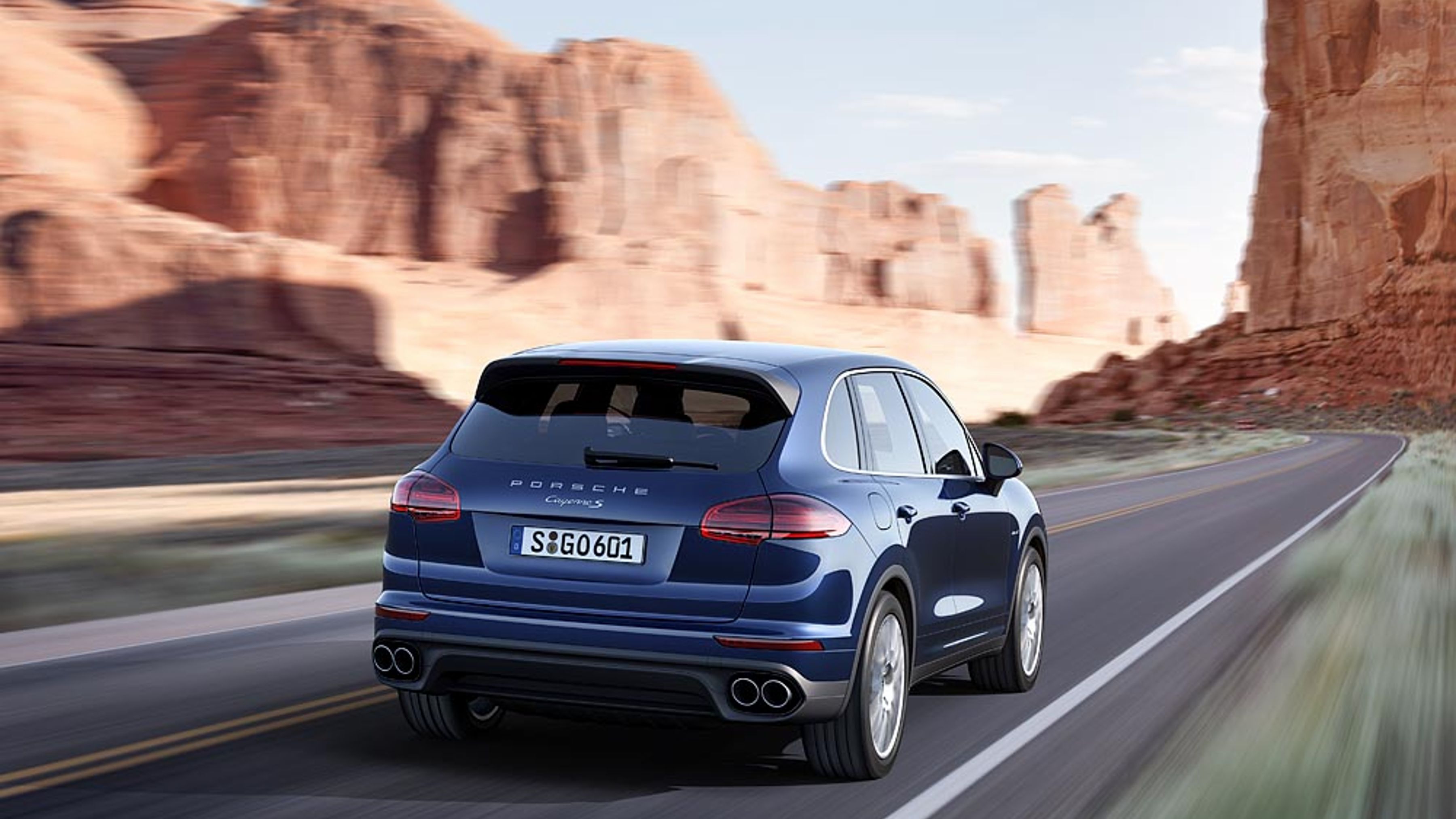
For a £30,000-£40,000 budget in May 2026, the best buy is a 2015-2017 facelift 3.0 V6 TDI with Porsche main-dealer service stamps and, ideally, Porsche Approved Pre-Owned (POAP) eligibility. The facelift brought updated PCM4 (still dated, but supports CarPlay via aftermarket retrofit), revised transfer-case software on the 8-speed Tiptronic, and the AdBlue SCR system that cleans up diesel NOx.
Carbuyer notes 2014-onwards engines are cleaner with improved transmissions. Avoid pre-2012 V8s without documented coolant-pipe replacement, and treat any V8 Turbo without a Variocam bolt history note as a £30,000 lottery ticket. For the e-Hybrid, prioritise cars with documented battery-pack health checks; degraded packs on 10-year-old PHEVs are the killer cost. A POAP-eligible facelift diesel with one or two owners and 50,000-80,000 miles is the buy.
Common faults to inspect (coolant pipes, transfer case, suspension)
Work through this list at the viewing. Coolant pipes and oil-cooler warping: RennList and PistonHeads threads document “engine valley” coolant leaks on the 3.0 TDI, often traced to the oil-cooler gasket. Honest John owners report £6,000 main-dealer quotes because the engine must come out. Check under the car for coolant residue and the expansion tank cold.
Transfer case (PTU / ATC): a judder when pulling away in 2nd or 3rd, especially in tight turns, points to the active clutch pack; PistonHeads says this affects both 958.1 and 958.2 cars and mismatched tyre tread depth accelerates wear. Suspension air-spring bags: PASM cars need bag replacement at £600-£800 per corner plus fitting; if the car sits low overnight, walk away. Variocam adjuster bolts on 2011 V8s: ask for the updated-bolt paperwork. Electrical: Honest John data flags clusters of warning lights (ABS, PSM, chassis) often traced to weak 12V secondary batteries on hybrid models. Finally, run the VIN through gov.uk/check-vehicle-recall: the Mk2 had recalls for headlight mounts, turbochargers, fuel-injector rails and brake pedal brackets.
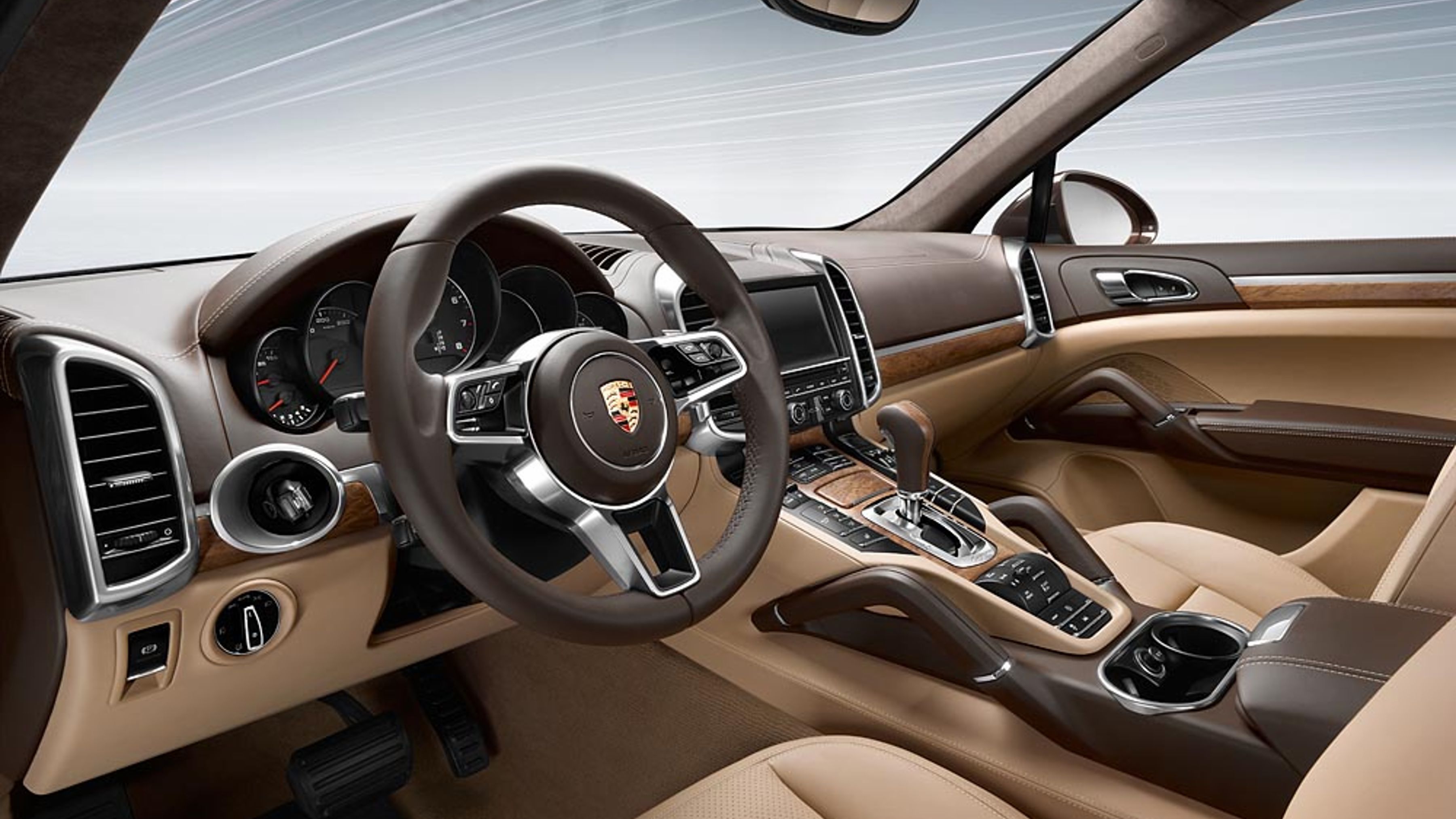
What a clean used Cayenne costs to run in the UK
Servicing is the headline number. Porsche UK uses a 2-year / 20,000-mile minor service plan; main-dealer rates for a 958 minor service in 2026 sit around £600-£700, with a major (every 4 years) closer to £900. Carbuyer quotes “at least £500” at independent specialists. Brake discs and pads on a Turbo or GTS can be £1,200-£1,800 per axle at the dealer; on the diesel, half that.
Fuel at 34 mpg real-world and £1.50/litre diesel works out at around £2,400 for a 12,000-mile year. Insurance for a 958 Diesel sits in group 45-47: £700-£900 fully comp for a typical 45-year-old with 9 years no-claims. VED is the painful line – pre-1 April 2017 cars sit on the old CO2 bands (£415/year at 195 g/km) while 2017-registered cars pay the £620 expensive-car supplement plus the standard rate until age 6. Tyres on 20-inch wheels run £200-£280 each; on Turbo 21s, £350+. If you finance, our PCP vs HP UK guide walks through how a Porsche Approved finance offer compares against a high-street HP deal.
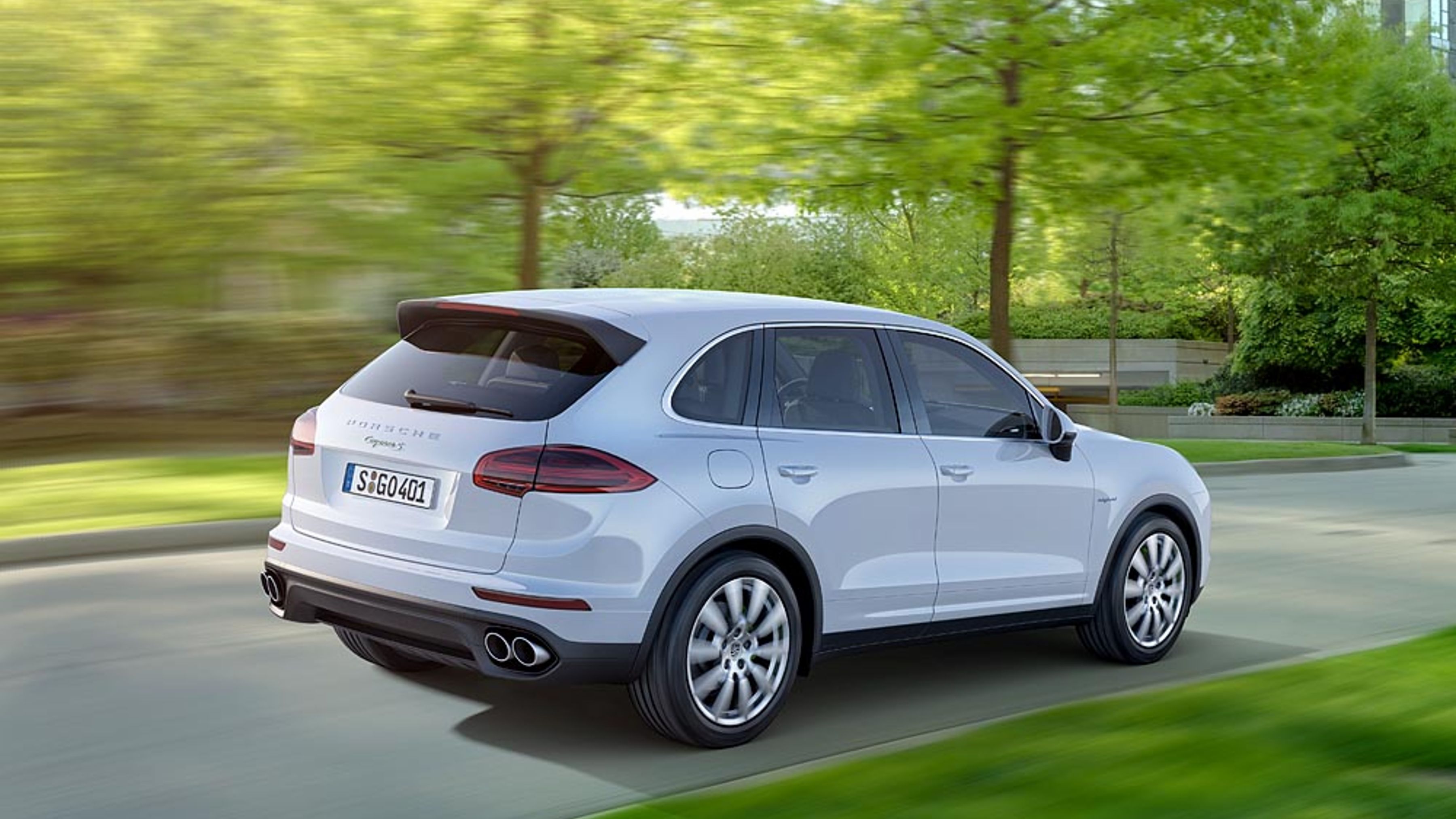
Cayenne 958 vs Range Rover Sport L494 vs BMW X5 F15
At £30,000-£40,000 the Cayenne’s natural rivals are the Range Rover Sport L494 (2013-2022) and the BMW X5 F15 (2013-2018). The Cayenne is the more dynamic drive than the L494: tighter steering, sharper body control, a more car-like feel. The L494 hits back with proper off-road ability and a richer cabin, but reliability is the catch – the SDV6 timing-belt-in-oil is a known cost trap. The Cayenne 3.0 V6 TDI on a 38-mpg motorway run is the cheaper long-distance tool.
Against the BMW X5 F15 (typically the xDrive30d N57), the Cayenne is the more rewarding drive. The X5 wins on cabin tech longevity (iDrive aged better than PCM3), rear-cabin space with the optional third row, and servicing cost – BMW 30d main-dealer service is £350-£450 versus £600+ at Porsche. Both are 3,500 kg-rated for towing; we cover the wider segment in our best diesel SUV for UK towing 2026 piece. Net: Porsche if you drive it, X5 if you carry people, Range Rover Sport if you actually go off-road.

The Cayenne 958 has slid into a sweet spot in 2026. Depreciation has done its worst, the early V8 horror stories have largely flushed out of the surviving parc, and what is left is a Porsche-built SUV that drives better than it has any right to for £30,000. The smart-money buy is a 2015-2017 3.0 V6 TDI with a full Porsche main-dealer history and, ideally, Porsche Approved Pre-Owned cover. Walk away from anything without a coolant-pipe and oil-cooler paper trail, and budget £2,000-£3,000 a year for service, tyres, brakes and one-off contingencies on top of fuel and insurance. Treat the V8 Turbo and S e-Hybrid as enthusiast picks that need specialist support; the diesel is the long-distance tool. Most importantly, run the VIN through the gov.uk recall checker and ask the seller for the Porsche service portal printout before a deposit changes hands.
Is the Porsche Cayenne 958 reliable for daily use?
Yes, with caveats. A 2015-2017 3.0 V6 TDI diesel with full Porsche service history is a fundamentally robust everyday SUV – Honest John owner reviews record motorway returns around 38-42 mpg and 150,000-200,000-mile life expectancies are realistic with regular maintenance. The weak points are plastic coolant pipes, oil-cooler gaskets, the active transfer case and air-spring bags. Budget £2,000-£3,000 a year above fuel and insurance for servicing and wear items and the 958 is daily-driveable.
What is the worst year for a used Cayenne 958?
2011 V8 Turbo cars carry the most documented risk – PistonHeads’ buying guide flags Variocam adjuster bolts shearing on early 4.8 V8s as a worst-case £30,000 engine job. Pre-2014 cars also predate the AdBlue SCR upgrade on the diesel and ran older PCM software. If you must look at a pre-2013 car, insist on documented coolant-pipe, oil-cooler and Variocam bolt updates before viewing.
Should I buy a Cayenne 958 V8 Turbo or stick to the V6?
For a P1 used buyer driving daily, stick to the V6 – specifically the 3.0 TDI diesel. Honest John Real MPG shows the diesel at 34 mpg average; PistonHeads quotes the V8 Turbo in the “mid to low teens” mpg despite cylinder deactivation. Servicing the V8 is 30-50% more expensive, and parts (coolant pipes, water pump, brakes) all cost more. Buy the Turbo only if you can absorb £4,000-£6,000 a year in running costs and have a Porsche specialist on retainer.
How much does a used Cayenne 958 cost to service per year?
Porsche UK service intervals on the 958 are every 2 years or 20,000 miles, so on an annual basis the headline number depends on mileage. A main-dealer minor service in May 2026 lands around £600-£700, a major closer to £900; Carbuyer quotes “at least £500” at independent Porsche specialists. Average that across the 2-year interval and add £700-£1,500 for tyres, brakes and consumables, and £2,000-£2,500 a year is realistic for a well-used diesel. Turbo and GTS owners should add £1,000-£1,500 a year on top.
Is the S e-Hybrid 958 worth it as a used buy in 2026?
Only if the high-voltage battery pack has documented health and ideally a recent capacity check. The S e-Hybrid combines a supercharged 3.0 V6 with a small lithium-ion pack; Honest John owner data shows real-world economy of 33.9 mpg, which is no better than the standard diesel if you never plug in. Pack replacement out of warranty is the killer cost on a 10-year-old PHEV. As a used buy, it makes sense only if (a) the pack is healthy, (b) you can charge at home daily, and (c) you accept the BIK and resale risks of an early-PHEV nameplate.
Related reading
- Best diesel SUV for UK towing in 2026 – how the Cayenne stacks up against the X5, L494 and GLE on tow ratings and real-world torque.
- PCP vs HP in the UK in 2026 – structuring finance on a £30,000-£40,000 used Porsche Approved car.
- New MOT rules in the UK for 2026 – what changed for older premium SUVs and what an MOT tester now flags.
- All CDE buying guides.
How we researched this guide
Every pick here is shortlisted from hands-on testing and time spent living with the hardware by the CDE desk, then sanity-checked against current UK pricing, manufacturer specs and real-world performance before it makes the cut. We never rank for commission — affiliate links don't change the order.
Buyer action
Where to check next
Use this as the final check before paying a deposit, signing finance paperwork or relying on a headline monthly figure.