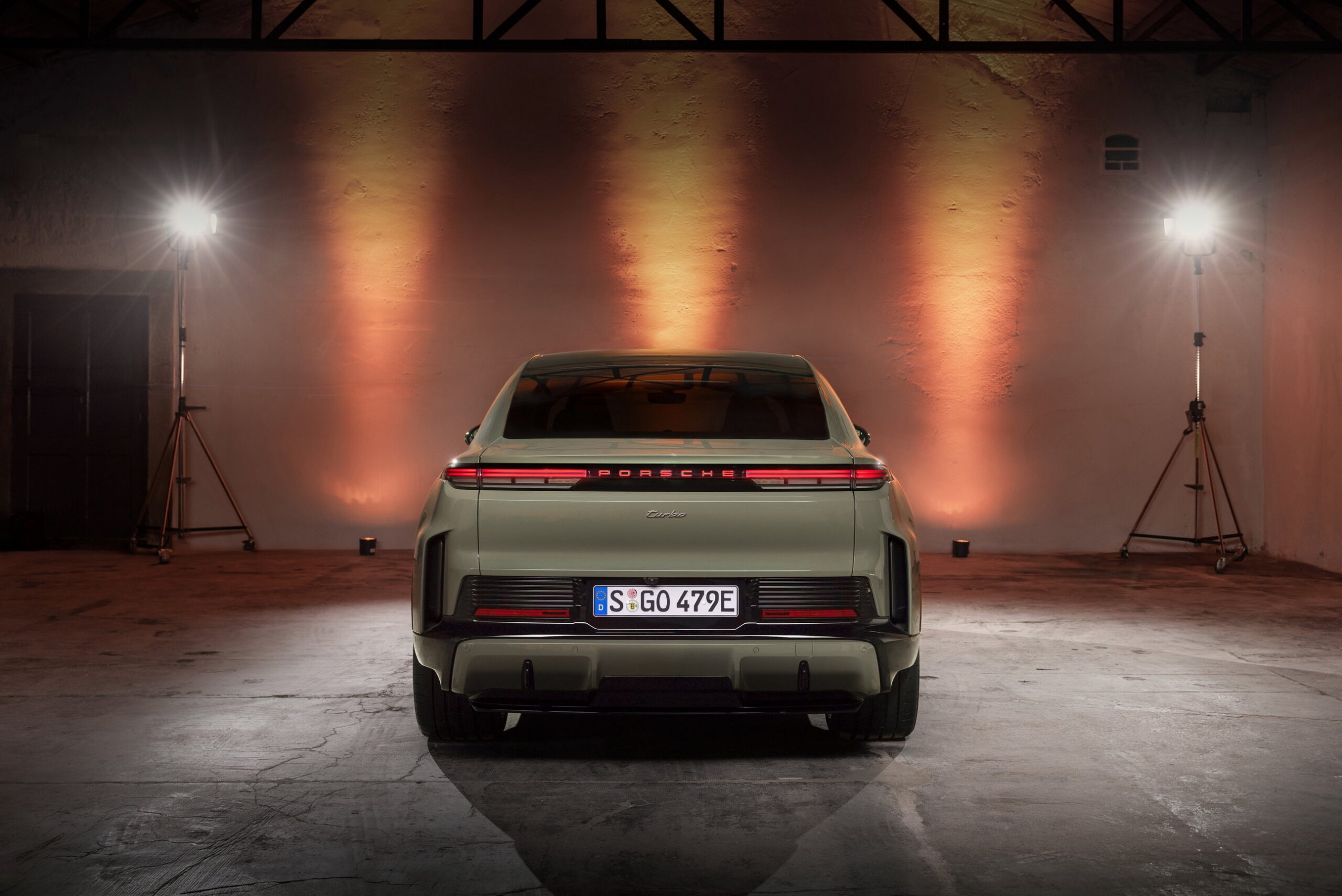
Car insurance add-ons are where a £40,000 to £80,000 premium car quote quietly gains another few hundred pounds, and most of that money buys cover you either already hold or rarely claim on. We have separated the extras a premium owner genuinely uses, such as alloy and kerb cover for kerbed 21-inch wheels, from the ones that duplicate a comprehensive policy. Our view: buy two or three, decline the rest, and never accept a “gold” bundle unread.
What real owners say (CDE data)
For this guide we read PistonHeads insurance and ownership threads on the Porsche, BMW M and Range Rover boards, the Which? add-ons guidance, MoneyHelper’s car insurance pages and Financial Ombudsman Service published decisions on add-on disputes, cross-checked against the cover wording in our own renewal documents, through early June 2026. We did not run a survey, so we quote no owner percentages.
- Most-praised aspects: alloy and kerb cover earning its keep on big diamond-cut wheels; misfuelling cover on a petrol performance car next to a diesel pump; a guaranteed like-for-like courtesy car rather than a supermini.
- Most-criticised aspects: motor legal and breakdown sold at a markup over standalone equivalents; cosmetic repair limits too low for a full bumper respray; “premium” bundles that hide what is actually inside.
- Reliability signal: the recurring owner-forum lesson is to read the policy schedule before the add-on list, because comprehensive already carries a courtesy car, windscreen cover and personal-effects cover on many premium insurers.
What comprehensive cover already includes on a premium car
Before you tick a single box, read the policy schedule. A mainstream comprehensive policy on a premium car usually bundles a basic courtesy car while yours is with an approved repairer, windscreen and glass cover (often with its own lower excess), cover for accidental damage, fire and theft, and a level of in-car personal-effects cover. Several premium and specialist insurers also include uninsured-driver promise cover and a no-claims discount that already sits at the maximum after five clear years. If an add-on duplicates any of that, you are paying twice. This is the single biggest saving on the page: match each proposed extra against what the schedule already grants, then decline the overlap.
Alloy and kerb cover: the one premium owners actually claim on
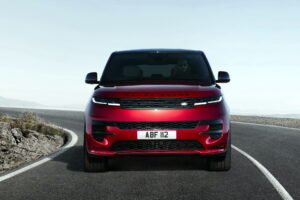
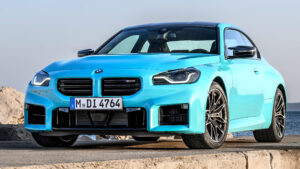
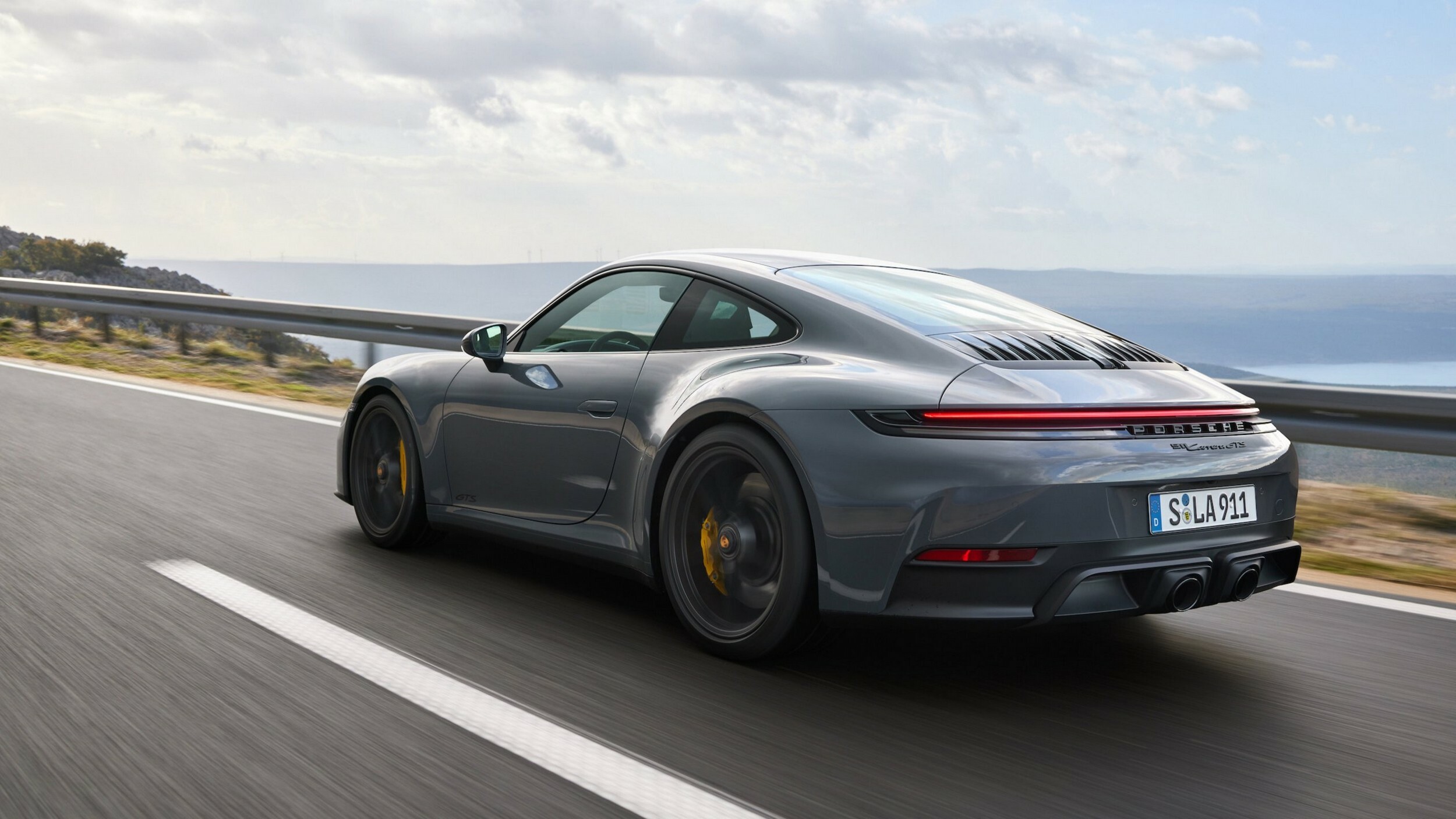
This is the extra that earns its place on a premium car. Diamond-cut and diamond-turned alloys on 20, 21 and 22-inch rims are expensive to refurbish, and a single kerbing on a wide, low-profile setup can mean a four-figure repair bill across a set. Alloy or kerb cover typically runs from roughly £30 to £80 a year and pays for SMART or full refurbishment of cosmetically damaged wheels without touching your main excess or no-claims discount. Comprehensive does not cover a scuffed rim, so this is genuine extra protection rather than duplication. On a car wearing the sort of wheels that come with a Range Rover Sport, an M car or a Cayenne, it is the add-on we would keep. Check the per-claim limit, the number of claims allowed per year, and whether cracked (not just scuffed) wheels are included.
Tyre cover and low-profile damage
Tyre cover sits in the maybe column. Premium cars on low-profile rubber are genuinely more prone to pothole and sidewall damage, and a single staggered-fitment performance tyre can cost £250 to £400 to replace. Tyre add-ons usually cost £25 to £60 a year and cover accidental and malicious tyre damage, sometimes with a contribution that tapers by tread depth. The catch is that many policies pay only a proportion once the tyre is part-worn, and puncture repairs are cheap anyway. We would take it only if you commute on poorly surfaced roads or run a car whose tyres are both wide and short-sidewalled. If you have already insured the rims, weigh whether the wheel-and-tyre risk justifies two separate extras or one combined product. Owners who run cars in the bracket covered by our Range Rover insurance costs in 2026 guide tell us tyre claims are common enough to notice.
Cosmetic and SMART repair: read the limit, not the headline
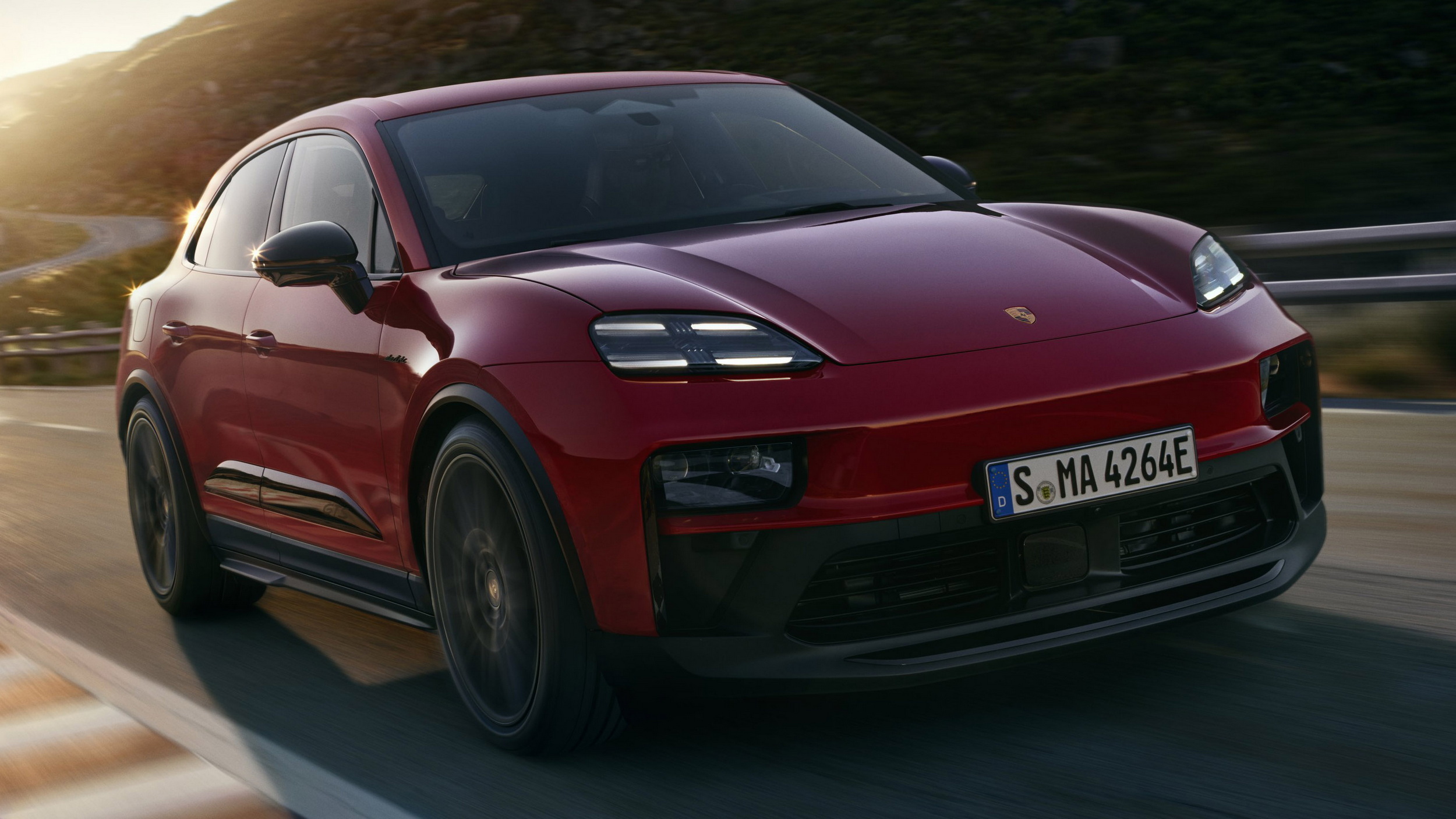
Cosmetic or SMART (Small to Medium Area Repair Technique) cover handles minor dents, scuffs and paint chips without a full bodyshop claim, so a car park ding does not dent your no-claims discount either. It usually costs £40 to £90 a year. The problem is the limit: many products cap the repair area and the per-claim payout at a level that suits a door ding, not a kerbed bumper corner or a keyed panel. On metallic and special-order premium paint, a full bumper respray can exceed the cap, leaving you topping up the bill. We rate this add-on as situational. It is worth it if you park in tight London bays daily and the limits are generous; it is poor value if the cap is low or you rarely pick up minor marks. Compare the cap against a typical premium-paint panel repair before you commit.
Excess protection: maths, not emotion
Excess protection refunds your voluntary and compulsory excess after a fault or non-recoverable claim. Premium cars often carry a higher compulsory excess, so the pitch lands. Treat it as arithmetic: if the add-on costs £40 to £70 a year and your total excess is £750, it pays only when you actually claim, and a single fault claim already costs you the year’s no-claims discount and a higher renewal. We would take excess protection only where the combined excess is genuinely high and you have a realistic claims pattern, for example a car used daily in heavy urban traffic. For a low-mileage weekend Porsche it rarely earns out. The agreed-value question matters here too: if you are weighing how your car is valued at claim time, our guide on agreed value versus market value cover is the better place to start.
Motor legal protection: useful, but rarely worth the markup
Motor legal protection (sometimes legal expenses cover) funds the cost of recovering uninsured losses after a non-fault accident: your excess, hire charges, lost earnings and personal injury claims. It typically costs £20 to £40 a year as an add-on. The cover itself is worth having, because without it a non-fault claim can leave you out of pocket on costs your own insurer will not chase. The catch, flagged by both Which? and MoneyHelper, is price: standalone legal expenses policies often cost less than the insurer’s add-on, and some packaged bank accounts or home policies already include family legal cover. Buy the cover, but price it up separately before accepting the bolt-on, and check the indemnity limit is at least £100,000.
Courtesy-car upgrade: comprehensive already gives you a hatchback
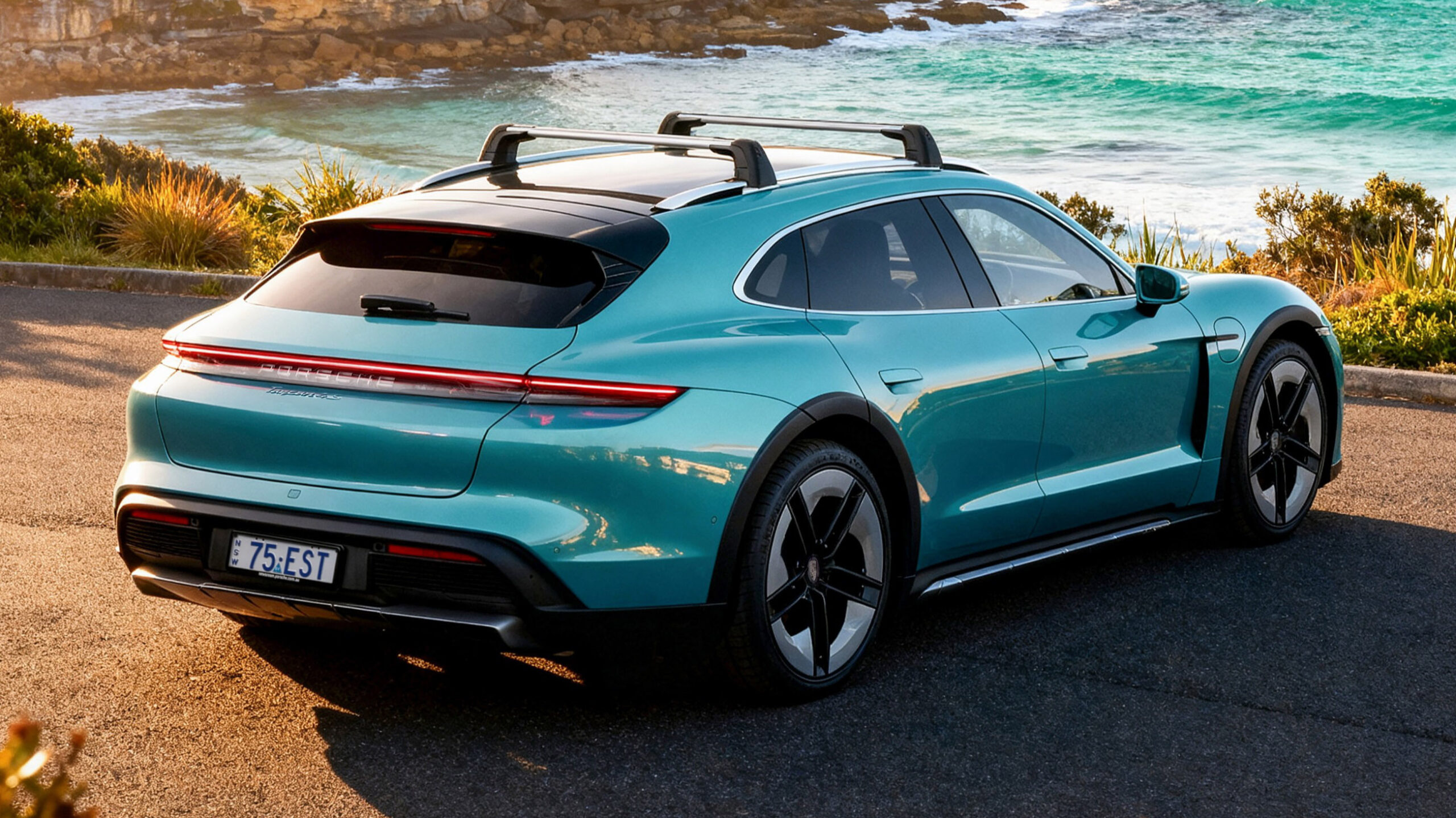
A standard comprehensive policy usually provides a small courtesy car while yours is repaired by an approved garage, and MoneyHelper notes that cover is often limited to between 14 and 21 days and only applies through an approved repairer. The upgrade buys a like-for-like or larger vehicle, an extended hire period, and sometimes cover even when your car is written off or stolen rather than merely repaired. On a premium car this can matter: a courtesy supermini is a poor substitute for a daily-driven SUV if you have a family and a long commute. The upgrade usually costs £20 to £50 a year. We rate it worthwhile only if you depend on the car every day and would otherwise pay for a hire vehicle; an occasional-use second car does not need it.
Misfuelling and key cover: cheap, niche, occasionally a lifesaver
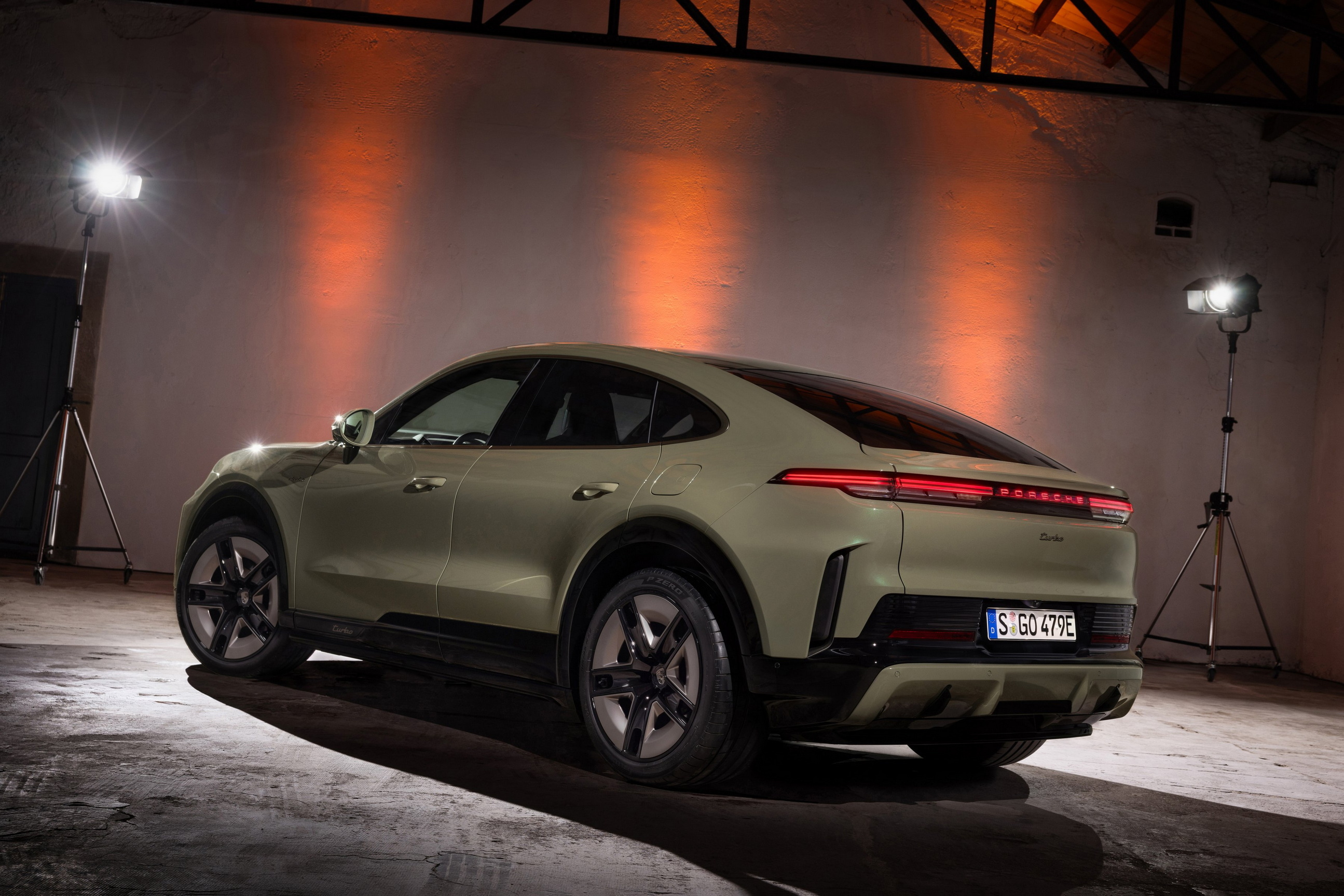
Two small extras worth a quick decision. Misfuelling cover pays to drain and flush the system if you put petrol in a diesel or vice versa, plus any consequential damage; it usually costs £5 to £20 a year. On a petrol performance car parked next to a diesel pump, or a diesel SUV, it is cheap insurance against an expensive mistake. Key cover pays to replace lost or stolen keys and reprogramme them, which on a modern premium car with proximity keys and immobiliser coding can run to several hundred pounds. It typically costs £10 to £30 a year, though many home insurance policies and some bank accounts already include key cover, so check before you double up. Both are low-cost; neither is essential, but each can pay for several years of premiums in a single claim. If theft of the car itself is your worry rather than the keys, the security and tracker discussion in our BMW M and Audi RS insurance guide is more relevant.
The table below summarises each upsell, an indicative annual cost band drawn from typical UK insurer add-on pricing, whether comprehensive or another policy you may hold tends to duplicate it, and our verdict for a premium-car owner. Treat the cost bands as a guide for shopping, not a quote: price each one up against your own renewal.
| Add-on | Typical annual cost | Already covered? | CDE verdict |
|---|---|---|---|
| Alloy / kerb cover | £30 to £80 | No, comprehensive excludes cosmetic wheel damage | Keep on big diamond-cut wheels |
| Tyre cover | £25 to £60 | No, but pay-outs taper with tread | Situational; low-profile commuters only |
| Cosmetic / SMART repair | £40 to £90 | Partly, if cap is low it adds little | Only with generous limits |
| Excess protection | £40 to £70 | No, but only pays when you claim | Only if total excess is high |
| Motor legal protection | £20 to £40 | Often, via home or packaged account | Buy cover, price standalone first |
| Courtesy-car upgrade | £20 to £50 | Partly, basic courtesy car is included | Daily-driver dependents only |
| Misfuelling cover | £5 to £20 | No | Cheap; take it |
| Key cover | £10 to £30 | Often, via home insurance | Take if not already held |
Two bigger products sit just outside the add-on list and deserve their own decision. GAP insurance covers the gap between what you paid and what the insurer pays out if the car is written off, which matters on a fast-depreciating premium car bought on finance; we cover the post-review picture in our dedicated GAP insurance after the FCA review guide, and it is usually cheaper standalone than at the dealer. Mechanical breakdown and warranty cover is a separate purchase again: if the manufacturer warranty has lapsed, weigh an aftermarket policy using our comparison of Warranty Direct, MotorEasy and ALA rather than treating it as an insurance bolt-on. Both are real protections, but neither belongs in the same conversation as a £30 wheel add-on. For the wider picture across premium cover, our car insurance section collects the model-by-model guides.
Personal accident cover and the “premium” bundle trap
Personal accident cover pays a lump sum if you are killed or seriously injured in your car. Which? notes standard levels run between £1,000 and £10,000, enhanced as high as £150,000, but if you already hold life cover or income protection it largely duplicates what you have. The bigger trap is the packaged “gold” or “premium” policy that bundles several add-ons at a flat extra price. As Which? warns, these bundles can cost more than the cover is worth and hide which extras are actually inside. Owners of high-value cars should be especially wary; the protections that matter on a £60,000 car are specific, and our guide to high-value car insurance over £50,000 sets out which ones. If you drive an EV, repair-cost economics shift again, as our Tesla insurance costs guide explains. Always price the components individually before accepting a bundle.
Our take on premium car insurance add-ons
Our view on car insurance add-ons for a premium car: buy the few that protect things comprehensive ignores, and decline everything that duplicates cover you already hold. On a £40,000 to £80,000 car wearing big diamond-cut wheels, alloy and kerb cover is the standout, because it is the one premium owners genuinely claim on and comprehensive simply does not touch. Add misfuelling and key cover where you do not already hold them, since both are cheap and occasionally save a four-figure bill. Treat tyre, cosmetic, excess protection and the courtesy-car upgrade as conditional: take them only when your wheels, your parking, your excess or your daily reliance on the car makes the maths work. Buy motor legal protection, but price it standalone first. And never accept a “gold” or “premium” bundle without reading exactly what is inside, because that flat fee is where insurers make their margin. Price up cover line by line and you keep the protection that matters while stripping out the padding.
Which car insurance add-ons are actually worth it on a premium car?
Does comprehensive insurance already cover a courtesy car?
Is alloy and kerb cover worth it on 21-inch wheels?
Is excess protection a good idea?
Should I buy a “premium” or “gold” insurance bundle?
Do GAP insurance and warranty cover count as add-ons?
Buyer action
Where to check next
Use this as the final check before paying a deposit, signing finance paperwork or relying on a headline monthly figure.