News · 21 Jun 2026 · Michael Harrison
- The VW ID.Buzz exists as two tax animals: a passenger MPV (a company car) and the Cargo van (a company van), and the UK rules treat them completely differently.
- Passenger ID.Buzz from £60,005 inc VAT, up to 293 miles WLTP; Cargo from £34,460 ex VAT (£42,269 inc VAT) with the plug-in van grant applied (VW UK, checked 21 June 2026).
- As a car, the passenger version sits at 4% benefit-in-kind in 2026/27. As an electric van, the Cargo carries a £0 van benefit charge, against £4,170 for a non-electric van.
- Pick the wrong one for your needs and you pay tax you did not have to. The split is the whole fleet story.
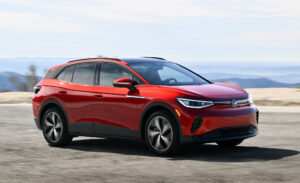
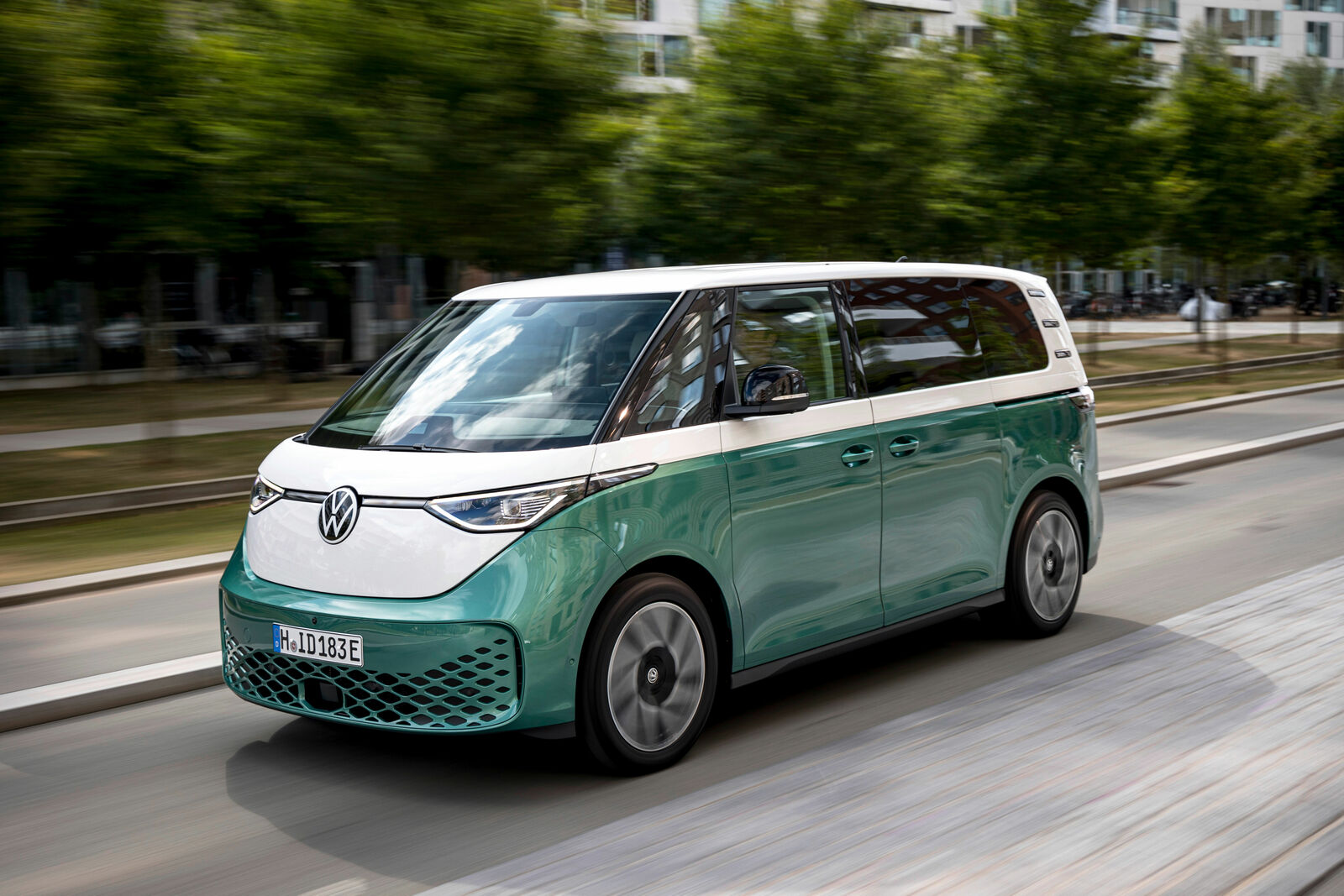
The VW ID.Buzz UK story that matters for 2026 is not the retro looks or the new four-wheel-drive variant; it is a tax quirk that almost every review skips. The ID.Buzz comes in two forms that HMRC treats as different species: the passenger MPV is a company car, and the Cargo is a company van, and the benefit-in-kind rules for the two are not remotely the same. VW’s own UK site lists the passenger version from £60,005 including VAT and the Cargo from £34,460 excluding it (checked 21 June 2026), and that VAT framing is the first clue that you are looking at two different products. Get the choice right and a business driver pays almost nothing in tax. Get it wrong and you hand over money for no reason. Here is the split, in plain terms.
Same van, two tax identities
The passenger ID.Buzz, the one with windows and seats in the back, is a car in the eyes of the taxman. That means it follows company-car benefit-in-kind: its P11D value times the appropriate percentage times your tax rate. For a zero-emission car in 2026/27 that percentage is 4%, a figure legislated by HMRC and explained in our guide to the 2026/27 company-car tax bands. The Cargo, with a panel where the rear seats would be, is a van. Vans do not use that percentage system at all; they use a flat van benefit charge, and for a fully electric van that charge is currently zero. Two vehicles that look near identical on the school run, taxed by two entirely separate rulebooks.
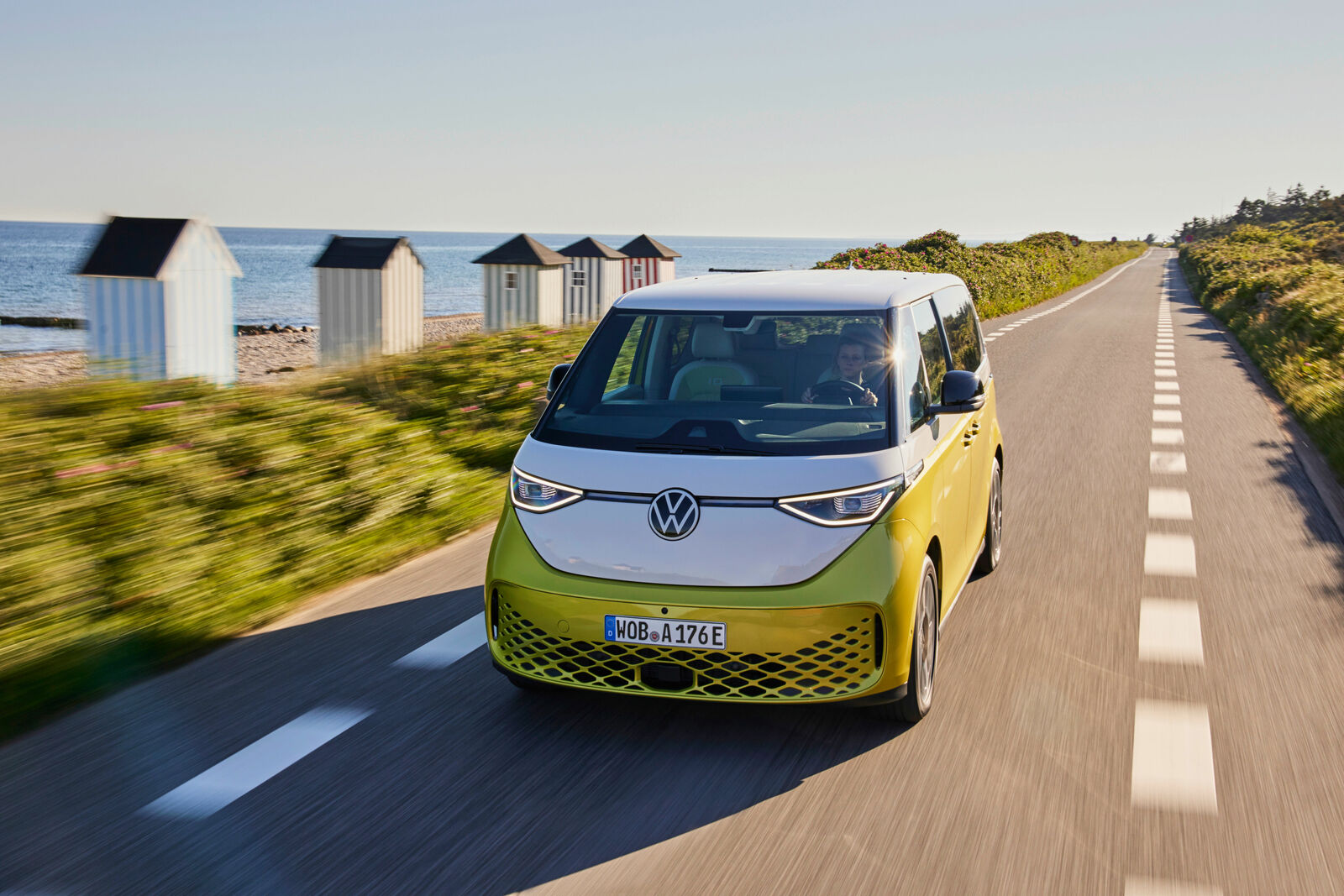
What the VW ID.Buzz costs a driver in tax
This is where the split earns its keep. On the passenger MPV at a £60,000-odd P11D, 4% gives a taxable benefit of about £2,400, which costs a 40% taxpayer roughly £960 a year. On the Cargo van, the van benefit charge for a zero-emission van is nil, so a higher-rate driver with private use of the electric Cargo pays nothing at all on the vehicle itself, against £4,170 of taxable benefit, and a tax bill of well over a thousand pounds, for an equivalent diesel van. The table lays the two side by side.
| 2026/27 | ID.Buzz (passenger MPV) | ID.Buzz Cargo (van) |
|---|---|---|
| Taxed as | Company car | Company van |
| From price | £60,005 inc VAT | £34,460 ex VAT (£42,269 inc) |
| Benefit basis | P11D x 4% x tax rate | Flat van benefit charge |
| Taxable benefit | around £2,400 | £0 (electric van) |
| Tax for a 40% driver | around £960 a year | £0 |
| Range (WLTP) | up to 293 miles | up to 276 miles |
| Best for | Families, passenger duties | Trades and businesses carrying loads |
An electric van pays a £0 benefit charge in 2026/27. The passenger MPV that shares its silhouette costs a higher-rate driver around £960 a year. Same shape, very different bill.
There is a second tax angle that sweetens the Cargo further for a business: VAT. A VAT-registered company can typically reclaim the VAT on a commercial van it uses for business, which is why VW quotes the Cargo price excluding VAT in the first place, whereas the passenger MPV is quoted including it, the way a private car buyer sees it. Stack the reclaimable VAT on top of the zero benefit charge and the electric Cargo becomes one of the most tax-efficient vehicles a sole trader or small business can run while the rules hold. The passenger MPV cannot play that game; as a car, its VAT is generally not reclaimable, and it carries the 4% benefit charge that creeps to 9%. None of this is exotic accounting, but it is the sort of thing that never makes the road-test, and it is exactly where the real money sits.
None of this means the Cargo is the right answer for everyone; if you need seats and windows for people, a panel van with a £0 tax charge is no use to you, and you take the passenger MPV and its modest 4% bill happily. The point is to choose with the tax in front of you rather than behind you. For a sole trader who genuinely carries kit, the electric Cargo is one of the most tax-efficient vehicles on sale. For a family, the passenger MPV is still cheap to run as a company car. What you should not do is default to the passenger version, pay the car benefit charge, and only later discover the van would have done the job for nothing.
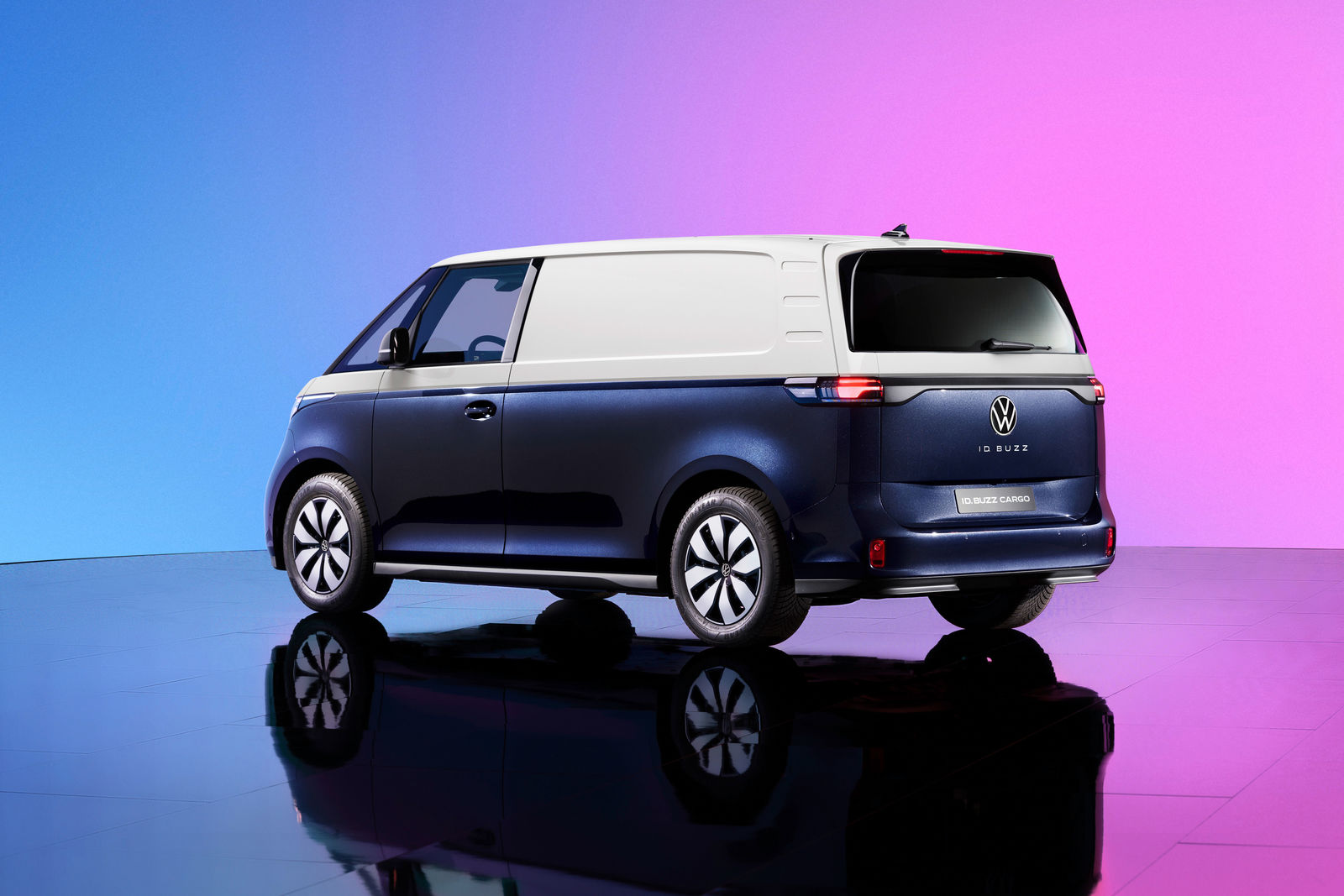
It is worth saying the Cargo gives up little to earn that tax break: it keeps the passenger van’s electric drivetrain and a usable working range, so the saving does not come at the cost of doing a real job through the week. The compromise is purely about seats and windows, not capability.
The pricing caveat to check before you order
One warning on the numbers. VW’s public site lists a clear SWB passenger price of £60,005 and a Cargo from £34,460 ex VAT, but it does not publish a separate long-wheelbase seven-seat figure; the LWB prices floating around, in the mid-sixties, come from third parties, so confirm the exact OTR for the body you want before you sign. And remember the VAT framing: the passenger car is quoted with VAT, the Cargo van without, because businesses reclaim it, which makes the headline gap look larger than the like-for-like one. For the wider fleet picture, our look at what a 6,000-EV fleet says about the ID.Buzz sets out where it fits in a real business.
The call I would make
Decide what the vehicle is for before you decide which one to buy, because the tax follows the bodystyle, not the badge. If it carries people, the passenger ID.Buzz is a likeable, genuinely useful company car with a small 4% charge that creeps to 9% by the end of the decade. If it carries loads, the electric Cargo is close to a tax freebie while the zero van benefit charge lasts, and that is the version a smart business owner orders. The mistake to avoid is treating them as one decision. They are two, and the cheaper one depends entirely on whether your back seats hold children or cargo.
Buyer action
Where to check next
Use this as the final check before paying a deposit, signing finance paperwork or relying on a headline monthly figure.