New MOT rules 2026 explained: photo checks, tougher tester bans from 9 January, jacking standards from 1 April, electric vans into Class 7 from 1 June.
CDE may earn a commission when you click affiliate links. This does not change what we recommend.
What is changing under the new MOT rules 2026
The 2026 package is the biggest set of MOT regulatory tweaks since the 2018 emissions update, but the headline matters: the items on your MOT, the test frequency, and the maximum statutory fee all stay the same. The new MOT rules 2026 are about garage compliance, fraud prevention and electric-van classification. Five concrete changes apply over the course of 2026 (sources: DVSA and Gov.uk announcements, as of 2026-05-23).
If you only own a passenger car or a small van, the practical impact is small. You may notice your tester photographing your vehicle on a tablet, and you should expect any garage that has lost its testing status to stay out of the chain (no quietly moving the failed tester to a sister branch). For van fleets and small commercial operators with electric LCVs in the 3.5 to 4.25 tonne band, the 1 June 2026 reclassification is the substantive change.
From 9 January 2026: tougher cessation rules for testers and AEPs
From 9 January 2026, when a tester or an Authorised Examiner Principal (AEP) is hit with a two-year or five-year disciplinary cessation, that cessation now bars the individual from ALL MOT-related roles for the full duration. The loophole, in which a banned tester could be redeployed as a quality controller, manager, or assistant at the same or a sister site, closes (DVSA, as of 2026-05-23). This matters because the previous regime was prone to soft sanctions: a tester could be removed from the lane on Monday and back as an “AE site representative” by Friday.
For drivers the takeaway is reputational. If your local garage has been sanctioned, the new MOT rules 2026 make it harder for the same individuals to keep handling your test. We have covered the practical buyer-side equivalent in our piece on how to negotiate dealer doc fees; both are about putting friction in front of bad behaviour.
Mandatory MOT photo check: stamping out ghost MOTs
Testers are now required to take a photograph of the vehicle and submit it to the gov.uk record at test time (DVSA, as of 2026-05-23). The image goes onto the vehicle’s MOT history alongside the certificate and any advisories. The point is to stamp out so-called ghost MOTs, in which a certificate was issued without the car ever entering the bay, an issue the DVSA has prosecuted for years but never had a scalable digital deterrent against.
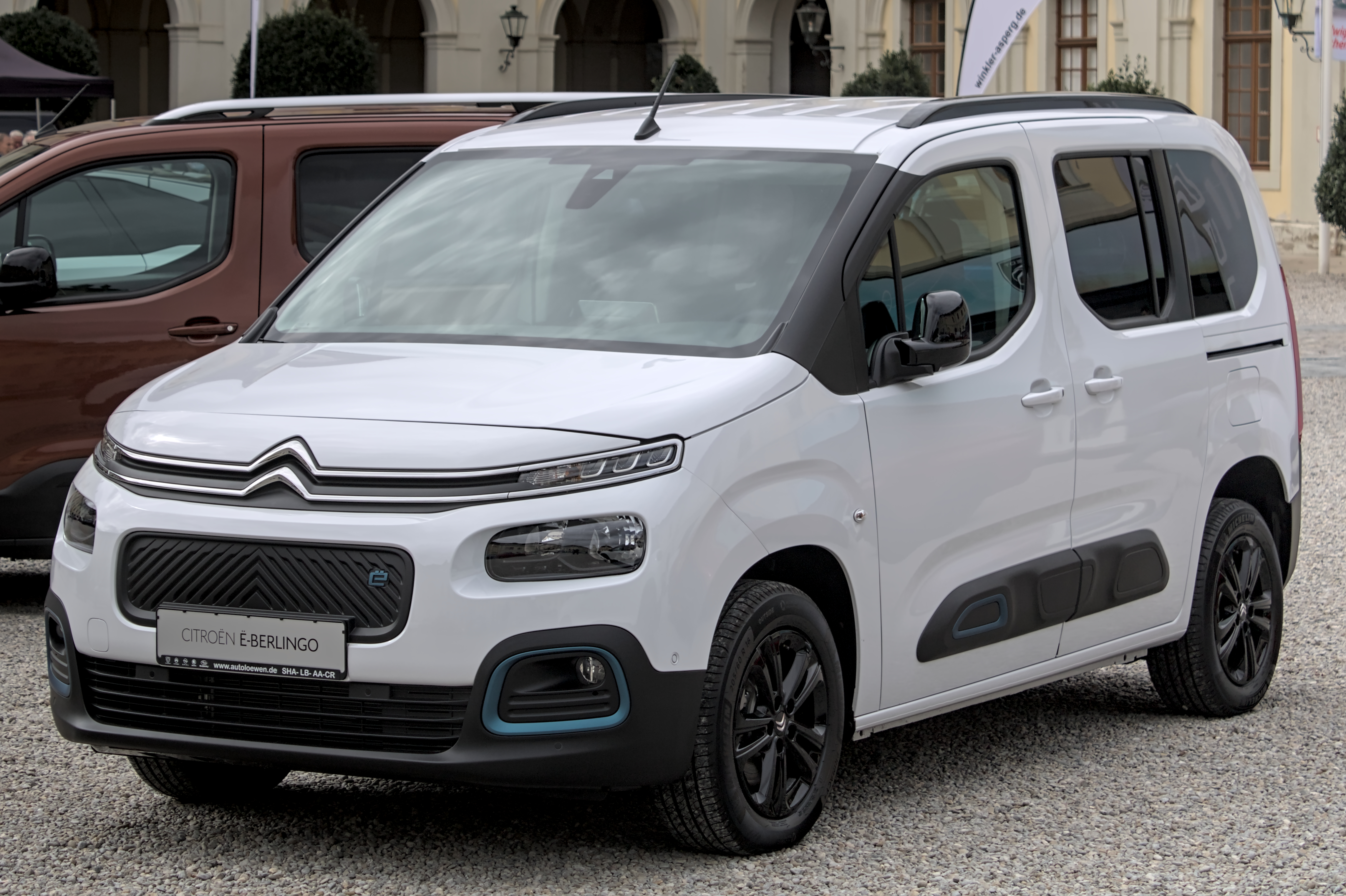
Two practical consequences. First, an MOT-record check at gov.uk/check-mot-history now includes a fresh photo for any test from 2026 onwards, which is a useful side-channel verification for used-car buyers. Second, a missing or wrong-vehicle photo on the record is a red flag worth raising with DVSA before you accept the pass.
From 1 April 2026: updated jacking equipment standards
From 1 April 2026, the DVSA applies updated standards for jacking equipment on Class 4 MOT lifts and jacks, which cover cars and light vans up to 3,000 kg (DVSA, as of 2026-05-23). The change is technical: it specifies higher minimum lift capacity, axle support specifications and inspection cycles for the kit. For drivers the visible effect is almost nil. For garages it is a small kit-refresh cost ahead of the deadline and a renewed inspection by DVSA assessors.
This sits in the same regulatory direction of travel as the NHTSA ADAS standards tightening in the US: regulators across both sides of the Atlantic are slowly raising the equipment floor on safety-critical inspection kit.
From 1 June 2026: electric vans 3,501 to 4,250 kg move to Class 7
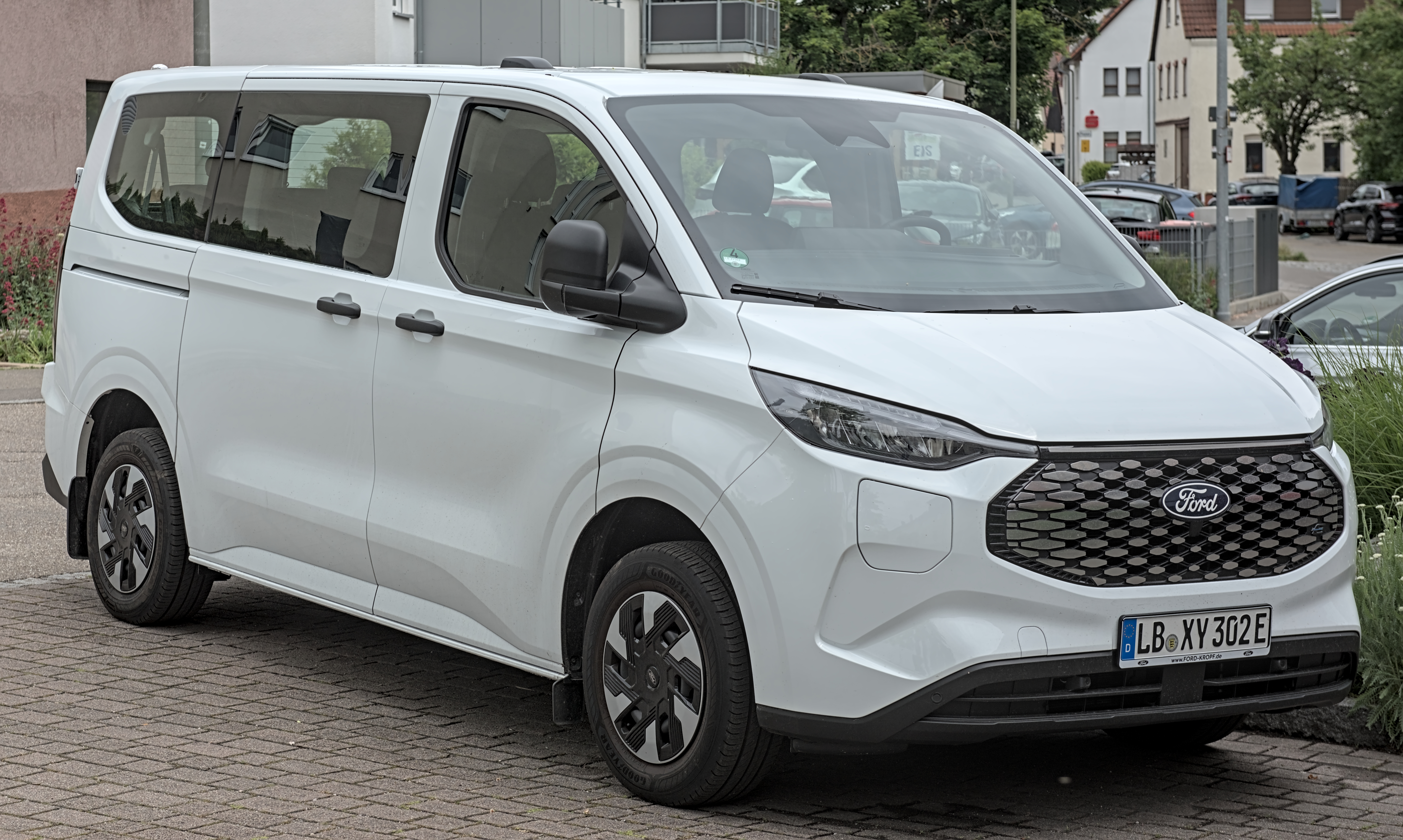
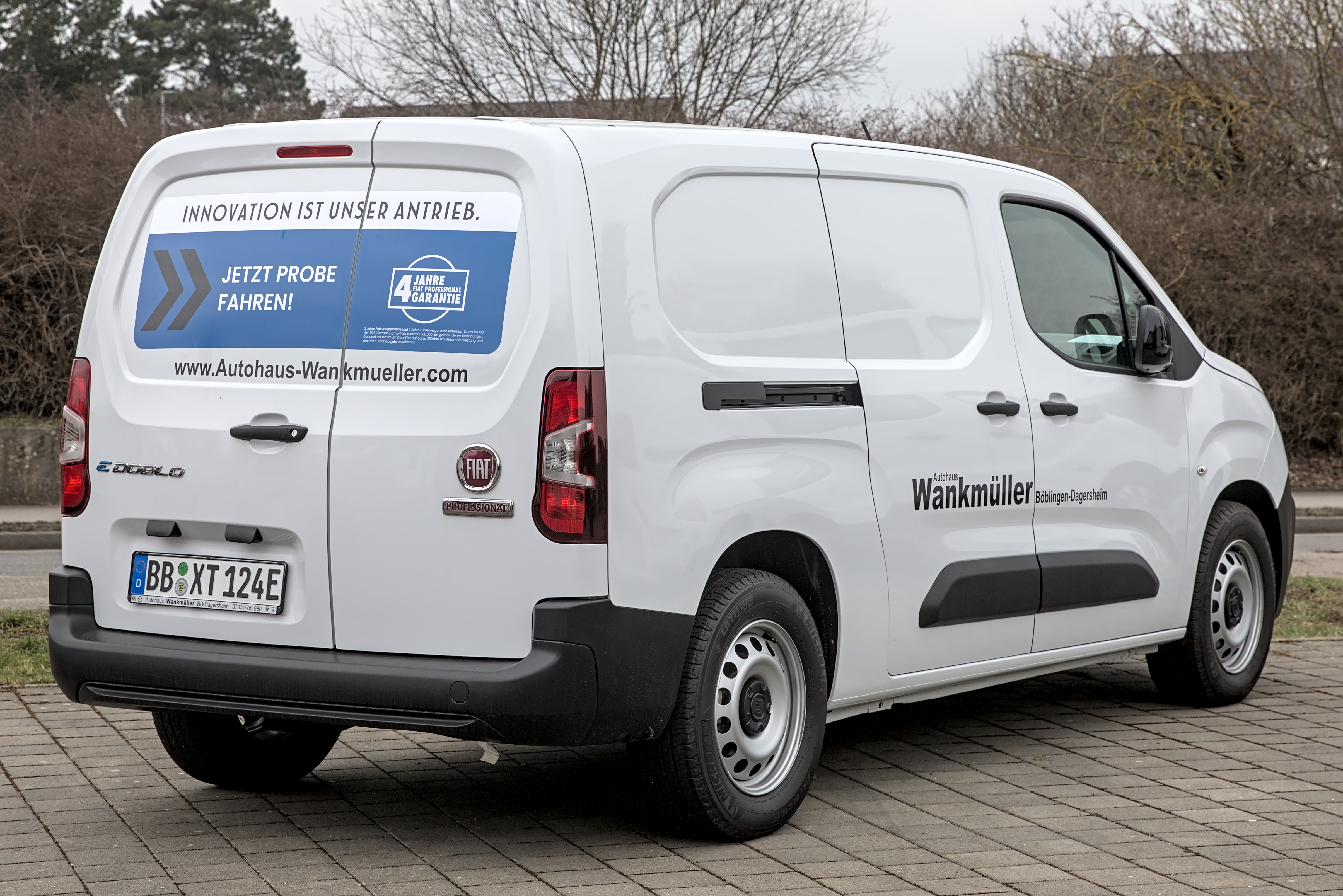
The substantive change for businesses. From 1 June 2026, zero-emission goods vehicles in the 3,501 to 4,250 kg band move out of HGV-style annual testing into the standard Class 7 regime (cars and light vans). That means a first MOT after three years instead of after one year, matching diesel vans of equivalent size (DVSA, as of 2026-05-23). The vehicles affected include the Ford E-Transit, Mercedes eSprinter, Citroen e-Jumpy, Peugeot e-Boxer, Vauxhall Movano Electric and similar Stellantis Pro One variants.
The reason these vans crossed 3.5 tonnes was the weight of the battery pack. The UK has aligned the test regime with the equivalent diesel van’s test schedule rather than penalise operators for choosing electric. For van fleet managers this is a real cash saving: skipping two annual HGV-style tests and the associated downtime.
According to the Driver and Vehicle Standards Agency updates published through 2025 and 2026, the test items themselves, the frequency, and the costs all stay the same in 2026. The changes target tester behaviour, fraud detection, equipment standards and the electric-van classification, not the inspection scope drivers face on the day.
DVSA published guidance summary, gov.uk (as of 2026-05-23).
The new MOT rules 2026 are a sensible cleanup, not a shakeup. The photo-on-record requirement should have happened five years ago and will quietly remove a meaningful slice of MOT fraud from the system; treat it as a free upgrade to gov.uk’s MOT history check for any used car you are considering. The Class 7 reclassification of electric vans is the right call: penalising battery weight with extra MOTs was a tax on the cleaner fleet choice. Our recommendation: book your next MOT as normal, scan the gov.uk MOT history when you collect the car, and if you run a 3.5 to 4.25 tonne electric van, redo your service-and-MOT planner for the post-June regime. The new MOT rules 2026 are unlikely to surprise you on test day.
Do the new MOT rules 2026 change what my car has to pass on?
What is the new MOT photo requirement and what is it for?
When do electric vans move from HGV testing to standard Class 7 MOT?
Will my MOT fee go up under the new rules?
Related reading on CDE
Buyer action
Where to check next
Use this as the final check before paying a deposit, signing finance paperwork or relying on a headline monthly figure.