News · 14 Jun 2026 · Michael Harrison
The Motability Advance Payment you put down on a new car is about to become more expensive, and the deadline is closer than most applicants realise. From 1 July 2026 the government removes the VAT zero-rating on Advance Payments, so a deposit that costs nothing in tax today will carry 20 per cent VAT from that date. The good news is that the change is narrower than the scare headlines suggest, and there is a simple way to lock in today’s price. This guide explains exactly what is changing, what is not, and which Toyota models you can still order at nil Advance Payment before the window closes.
What changes on 1 July 2026
CDE checked the Motability Scheme’s own newsroom Q&A and the Autumn Budget 2025 measure that introduced the change, then cross-referenced Toyota’s live UK Motability pricing for the current April to June 2026 order window.
- VAT on the Advance Payment: from 1 July 2026 the 20 per cent standard VAT rate applies to Advance Payments on new Scheme leases, confirmed in the Motability newsroom Q&A.
- Insurance Premium Tax: the standard 12 per cent IPT will also be added to certain leases from July 2026, per the same Motability guidance.
- The lock-in: an order accepted before 1 July 2026 keeps today’s terms even if the car is delivered later.
Why the Motability Advance Payment is about to rise
The Motability Scheme lets people who receive the higher-rate mobility component of certain benefits exchange that allowance for the lease of a new car. Many cars are available with an Advance Payment, a one-off lump sum on top of the weekly allowance that covers more expensive models. Until now those Advance Payments have been zero-rated for VAT. The change announced in the Autumn Budget 2025 removes that relief, so from 1 July 2026 a £2,000 Advance Payment becomes a £2,400 Advance Payment once the 20 per cent is added. Motability itself has said it is reviewing the Scheme to absorb costs where it can, but the tax change is set in legislation and the direction of travel is clear: order later and you are likely to pay more.
The part everyone gets wrong
The headlines warning of a 20 per cent hike are misleading, and it is worth being precise because the difference is large. The VAT applies to the Advance Payment, the optional lump sum, not to the benefit-funded weekly rental that forms the bulk of the deal. A car taken at nil Advance Payment has no Advance Payment for VAT to land on, so it is unaffected by this part of the change. In other words, the people most exposed are those choosing a pricier car with a four-figure Advance Payment; someone selecting one of the many nil-payment models pays no extra VAT on the deposit at all. That distinction is buried in most of the coverage, and it should drive your decision. If you were always going to take a nil-payment car, the VAT change is close to a non-event for the deposit.
Order before 30 June to lock today’s price
The practical move is timing. Scheme pricing is set in quarterly cycles, and the current cycle runs to 30 June 2026. An order accepted before 1 July keeps the present VAT-free Advance Payment even if your car is not built and delivered until later in the year, which matters because popular models can have a wait. So if you have a car in mind and you are due to reapply or change, getting the order in before the end of June is the difference between today’s price and the new tax treatment. Dealers will be busy in the final fortnight, so do not leave it to the last day. Our running guide to the nil Advance Payment SUVs to order before July and the automatic cars under £500 Advance Payment are good places to shortlist quickly.
In practical terms, the order is what counts, not the test drive or the brochure request. To get one accepted before the deadline you need to be eligible, which means you currently receive the higher-rate mobility component of your benefit and have at least 12 months of the award left, and you then pick the car and grade, agree any Advance Payment, and let the dealer submit the application to Motability for approval. Book a dealer appointment in the next fortnight rather than waiting, take your benefit details and a form of identification, and confirm in writing that the order is logged before 1 July. If you are switching cars at the end of an existing lease, ask the dealer to line up the changeover so you are not left without transport while the new car is built.
The Toyota choices at or near nil Advance Payment
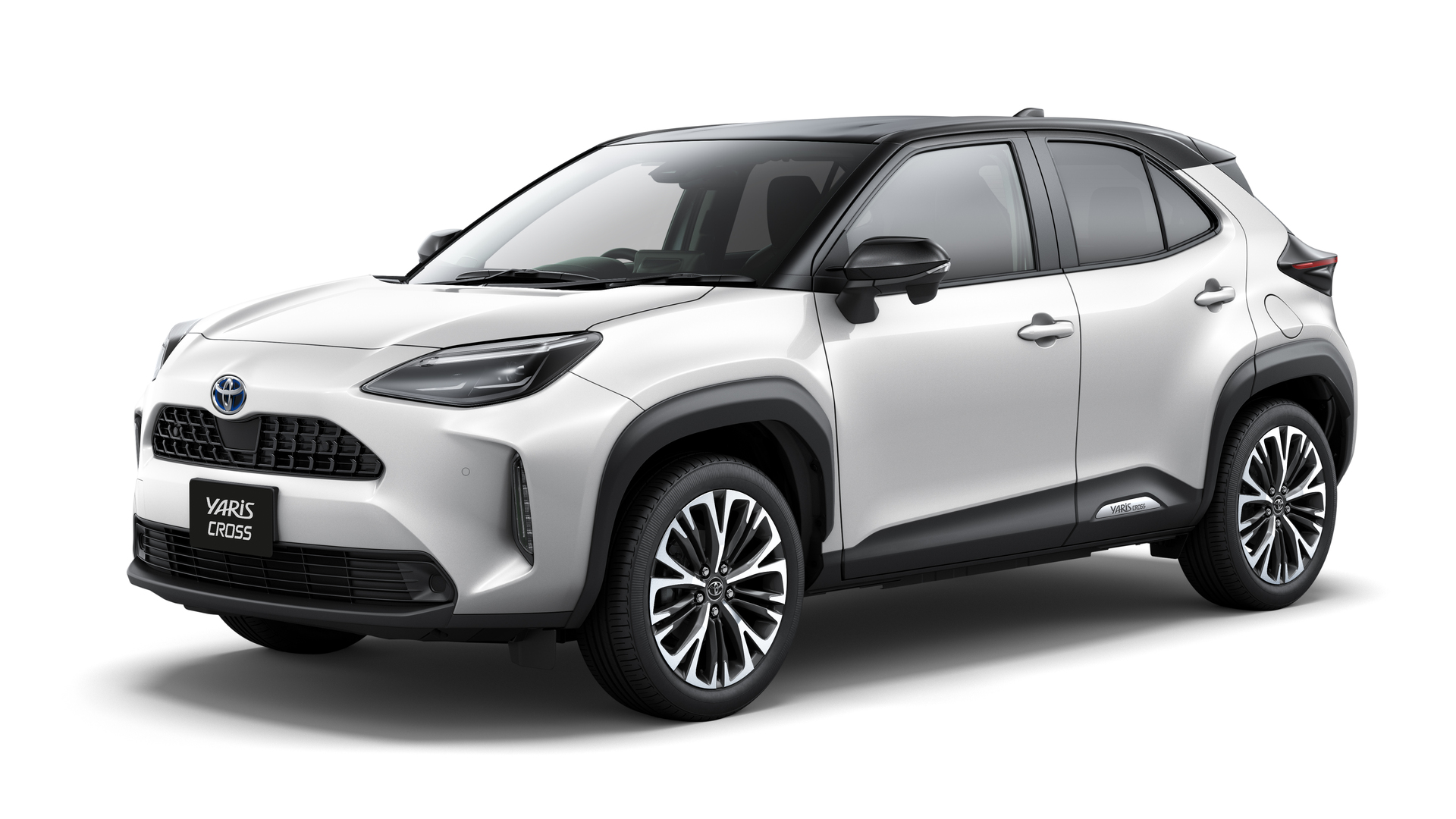
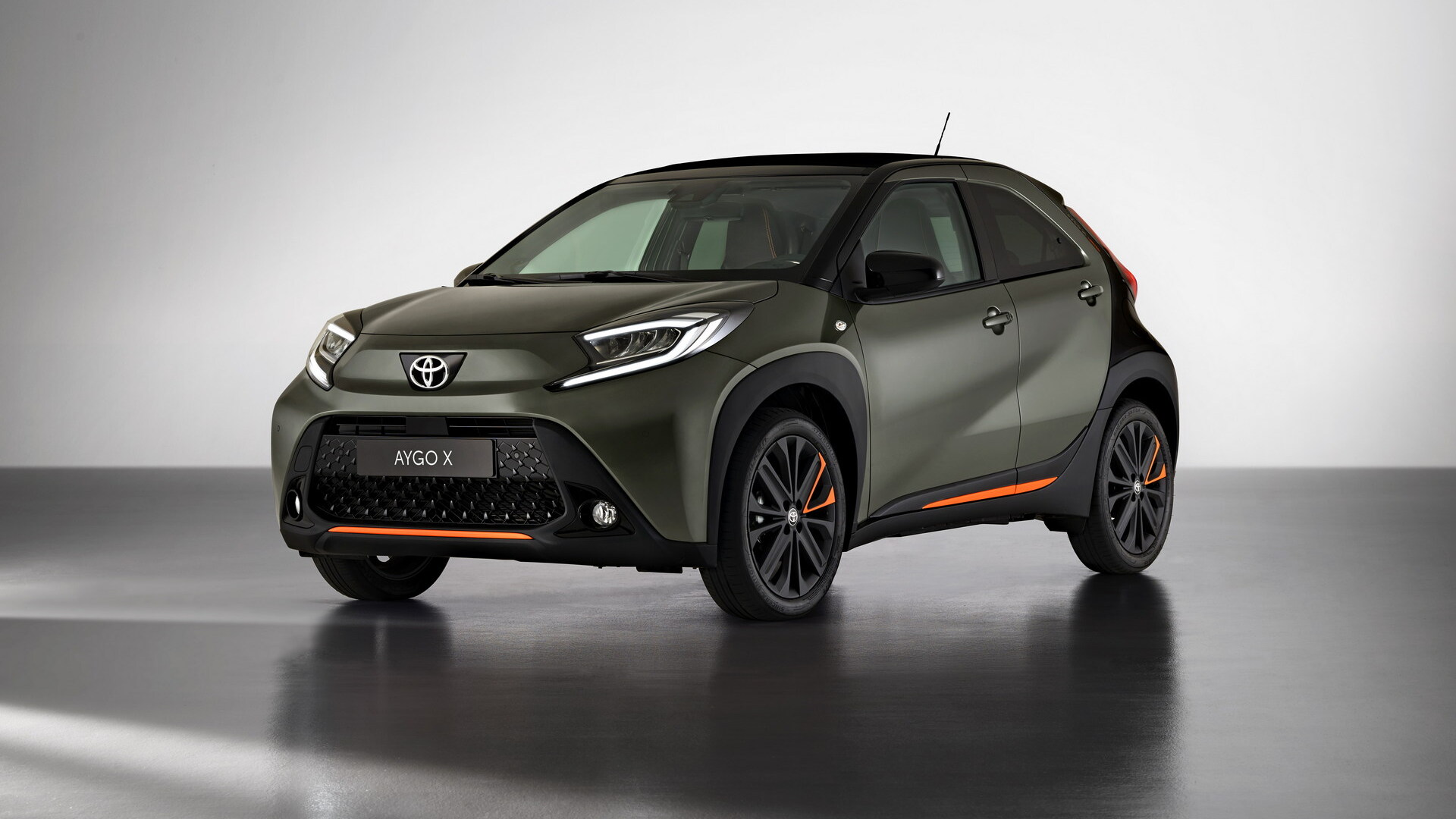
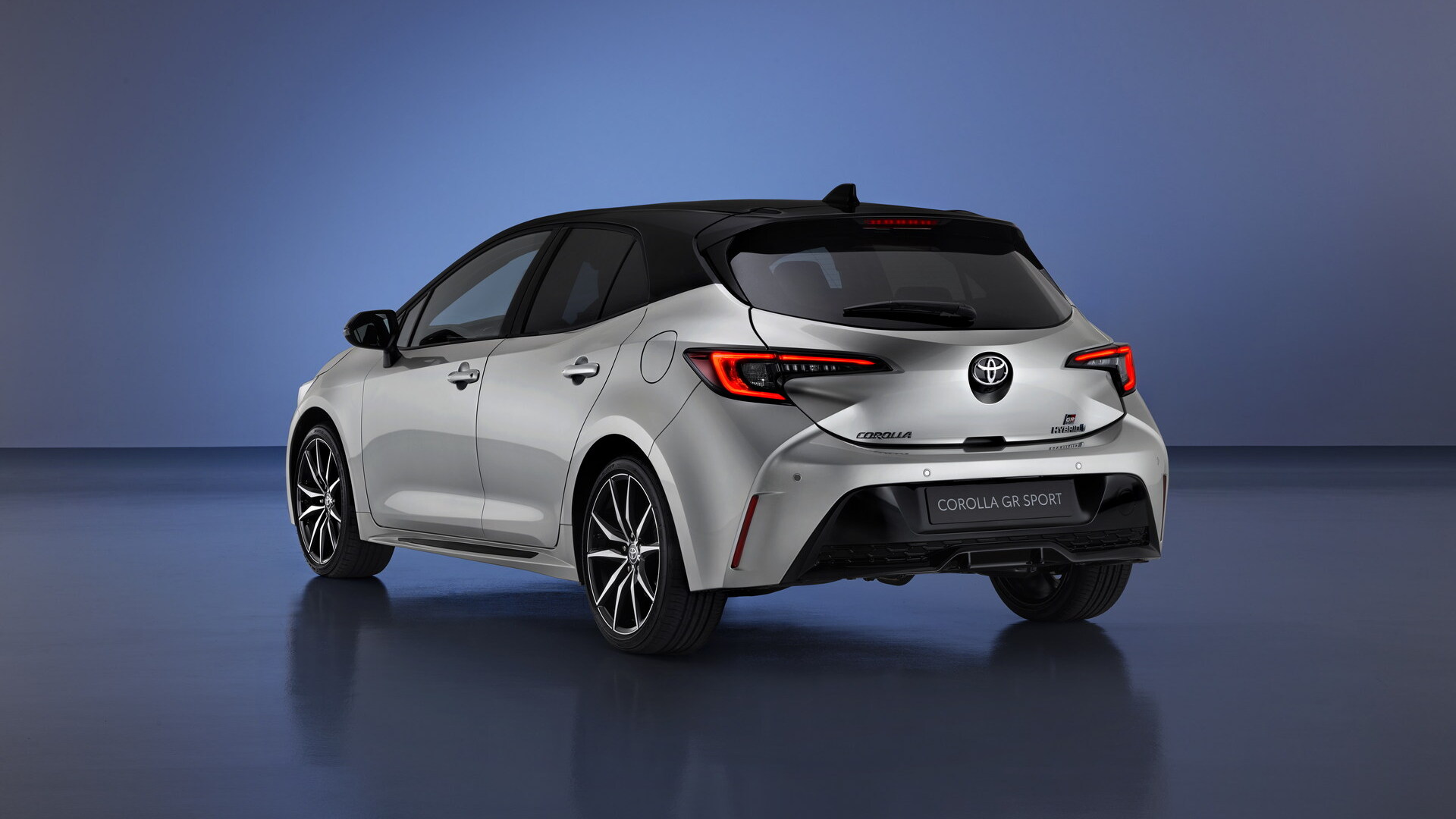
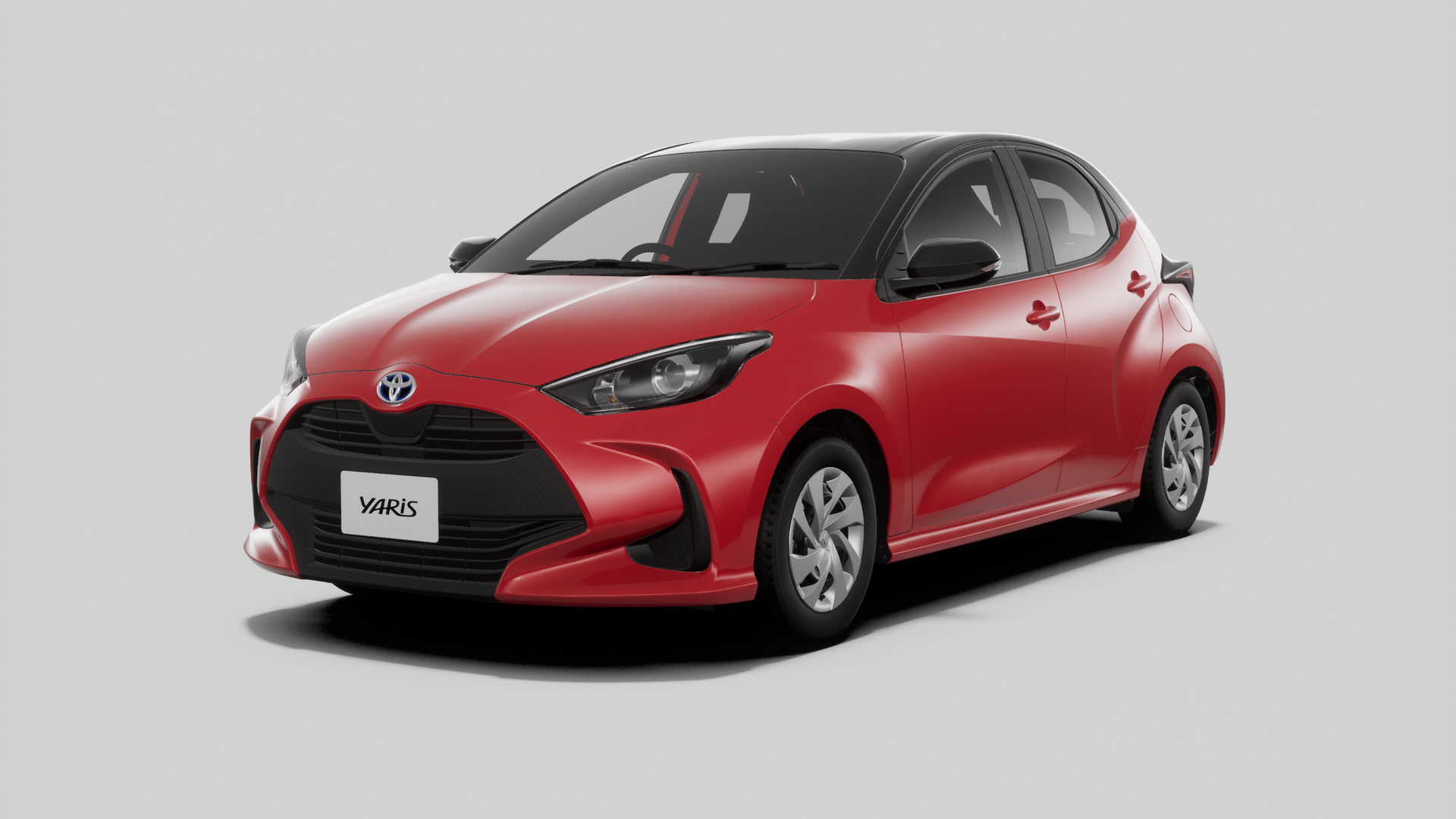
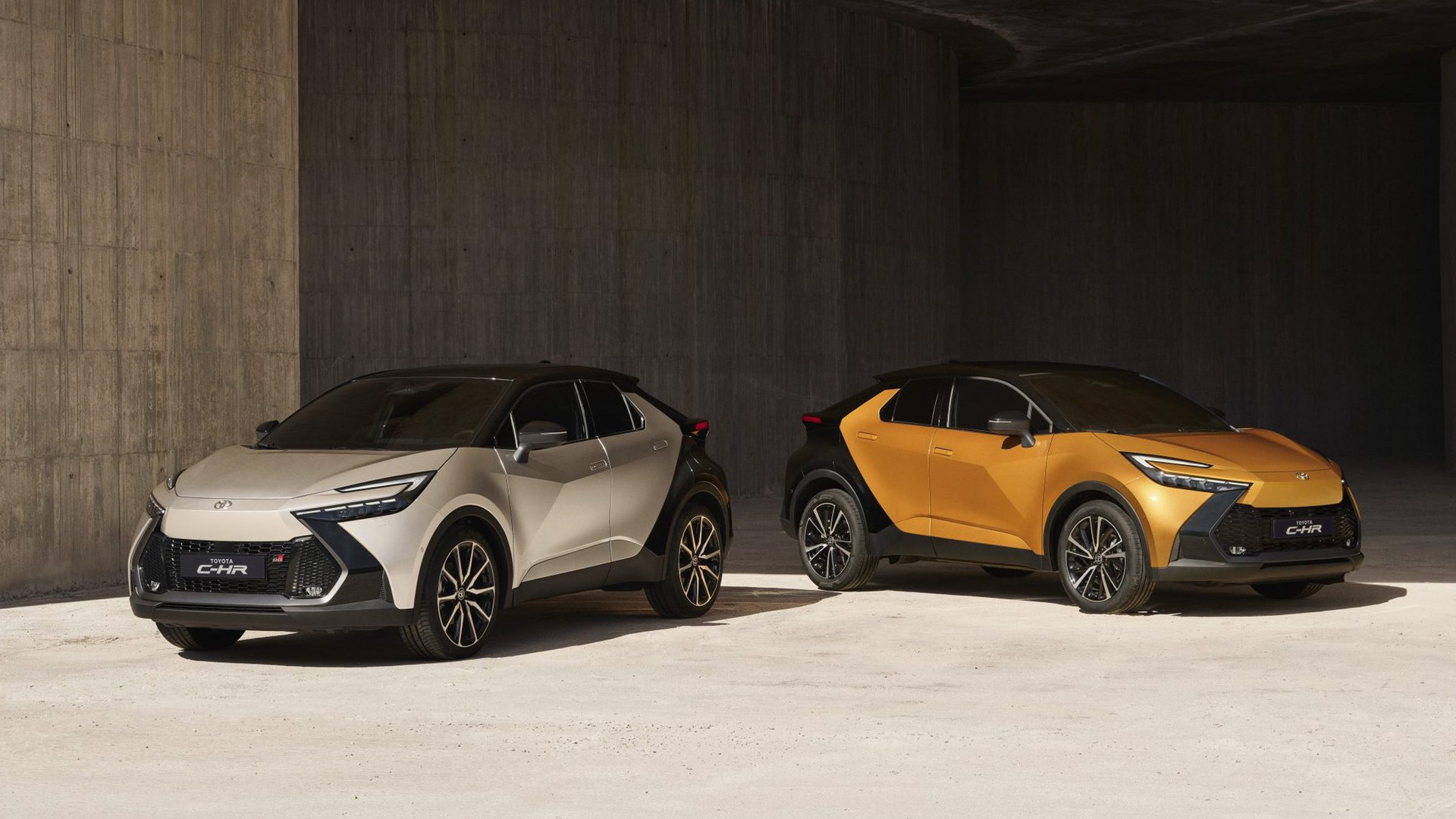
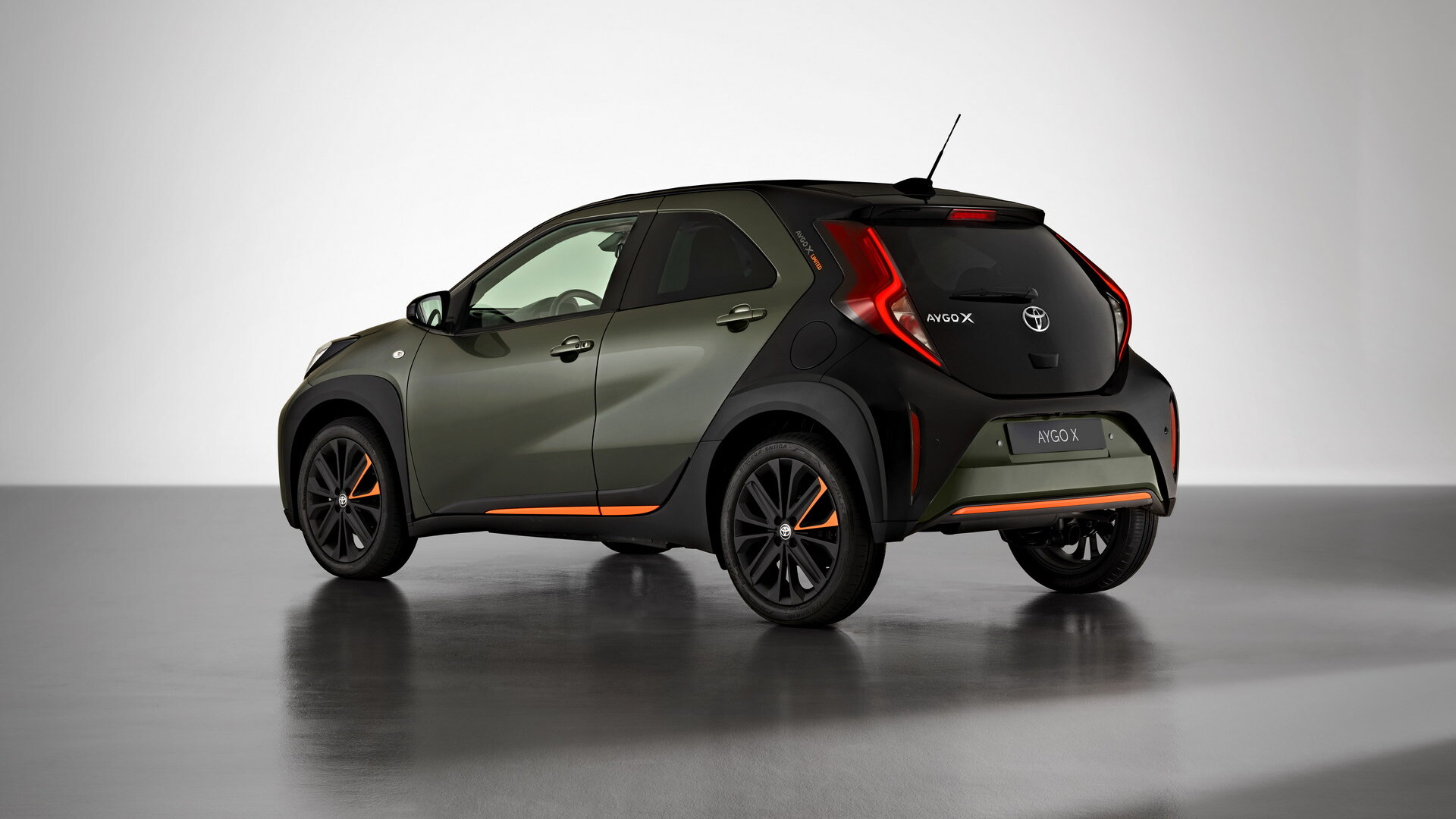
Toyota is a sensible place to start because the brand keeps a trim of most models on the Scheme at nil or low Advance Payment, and its self-charging hybrids are cheap to run for buyers watching every pound. The Aygo X city car is the headline nil-payment option this quarter, an easy automatic that is simple to park and gentle on fuel. Move up and the Yaris hatchback and Yaris Cross small SUV bring the same self-charging hybrid drivetrain with more space, typically for a modest Advance Payment. The Corolla, in hatchback or Touring Sports estate form, is the family choice, and the C-HR adds style if you want a crossover. None of these are premium-badged, which matters because premium brands were removed from the Scheme in late 2025, so the Toyota range is squarely in the zone the Scheme now serves. Confirm the exact Advance Payment for your chosen grade with a Motability dealer, since the figures reset each quarter.
What the insurance change means
The second change is Insurance Premium Tax. Motability leases include insurance, breakdown cover and servicing as part of the package, and from July 2026 the standard 12 per cent IPT will apply to the insurance element of certain leases. This is a smaller sum than the headline VAT figure and it is folded into the overall cost rather than charged to you as a separate bill, but it is part of why the Scheme has warned that some leases will cost more. The combined effect of VAT on Advance Payments and IPT on the insurance portion is that a like-for-like car ordered after 1 July is likely to be dearer over a three-year lease than the same car ordered today, by an amount that depends heavily on how big the Advance Payment is. For a nil-payment car the difference is modest; for an expensive car with a large deposit it is meaningful. The Scheme has indicated the typical impact runs to hundreds of pounds across a three-year agreement, which is exactly why the order date matters.
Who should act now, and who can wait
If you are choosing a car with a four-figure Advance Payment, act before 30 June; the VAT saving on that deposit alone can be worth several hundred pounds. If your current lease is ending in the next few months and you already know what you want, bringing the order forward is sensible. If, on the other hand, you are happy with a nil-payment car and your existing lease has a year or more to run, there is no need to rush, because the VAT change barely touches a nil-payment deposit and you keep your current car in the meantime. The one group that should be careful are people tempted to over-stretch to a pricier model before the deadline; a bigger Advance Payment now, even VAT-free, is still a bigger Advance Payment. Match the car to your needs first, then optimise the timing. If you are weighing alternatives, our look at the Dacia Jogger before the July VAT change and the Ford Focus run-out covers two strong non-Toyota picks.
The bigger 2026 cost picture for Scheme customers
It helps to see this change in context rather than in isolation. The Scheme reshaped its line-up through 2025, dropping premium badges and leaning into mainstream hybrids and electric cars, and the tax change from July 2026 is the next step in the Treasury treating the Scheme more like the rest of the car market. For most customers the day-to-day experience does not change: the allowance still covers the lease, insurance, breakdown cover, servicing and tyres in one package, and a nil-payment car still costs nothing up front. What is shifting is the maths on the optional Advance Payment, and the smart response is the same advice we give on any car deal, which is to separate the car you need from the deadline you are being sold. A pricier model with a four-figure deposit was always a bigger commitment; the VAT change just makes ordering it before July the cheaper route. If your needs point to a small, frugal hybrid, the change is close to irrelevant to you, and that is worth knowing before anyone pressures you into a quick decision.
Our take
The Motability Advance Payment VAT change is real and worth acting on, but it is not the cliff edge the louder coverage implies. Our view is simple: if your car needs a sizeable Advance Payment, get the order accepted before 30 June 2026 and lock today’s VAT-free price; the saving is concrete and the lock-in protects you even if delivery slips. If you are taking a nil-payment Toyota such as the Aygo X, the deposit change does not touch you, so choose on the car rather than the calendar and do not be panicked into a more expensive model you do not need. Either way, ignore any headline that implies 20 per cent lands on your whole lease, because it does not. Confirm the exact Advance Payment and grade with a Motability dealer this month, and act on need first and tax second.
Does the 20 per cent VAT apply to my whole Motability lease?
If I order before 1 July 2026 but the car arrives later, which price applies?
Which Toyota models are available at nil Advance Payment?
What is the Insurance Premium Tax change?
Are premium brands still on the Motability Scheme?
Buyer action
Where to check next
Use this as the final check before paying a deposit, signing finance paperwork or relying on a headline monthly figure.