
The Peugeot e-208 is close to the ideal small electric car for city life, and the real decision is not which trim but how you pay for it: salary sacrifice through your employer, or a straightforward personal lease (PCH). For most employees with a scheme available, salary sacrifice wins once you count what it bundles in, but PCH is simpler and needs no employer at all. Here are both routes in real numbers, what each includes, and the honest break-even for a city driver on a modest salary.
The two routes, in real numbers
CDE gathered current provider and dealer figures and the gov.uk company-car tax rate on 13 June 2026. The two routes use different terms and inclusions, so treat them as indicative of the mechanism, not a like-for-like quote.
- Salary sacrifice: provider examples for a GT Premium e-208 quote roughly £442 to £467 a month gross, with a net effect on take-home pay nearer £305 to £320, typically bundling insurance, servicing and tyres.
- PCH: an official Stellantis & You personal lease was advertised at £289 a month (35 payments, £2,899 initial, 5,000 miles a year), with the £1,500 Electric Car Grant already applied.
- Tax: the EV benefit-in-kind rate is 4 percent for 2026/27, so on a roughly £31,600 list the taxable benefit is about £1,264 a year.
Why the Peugeot e-208 suits a city driver
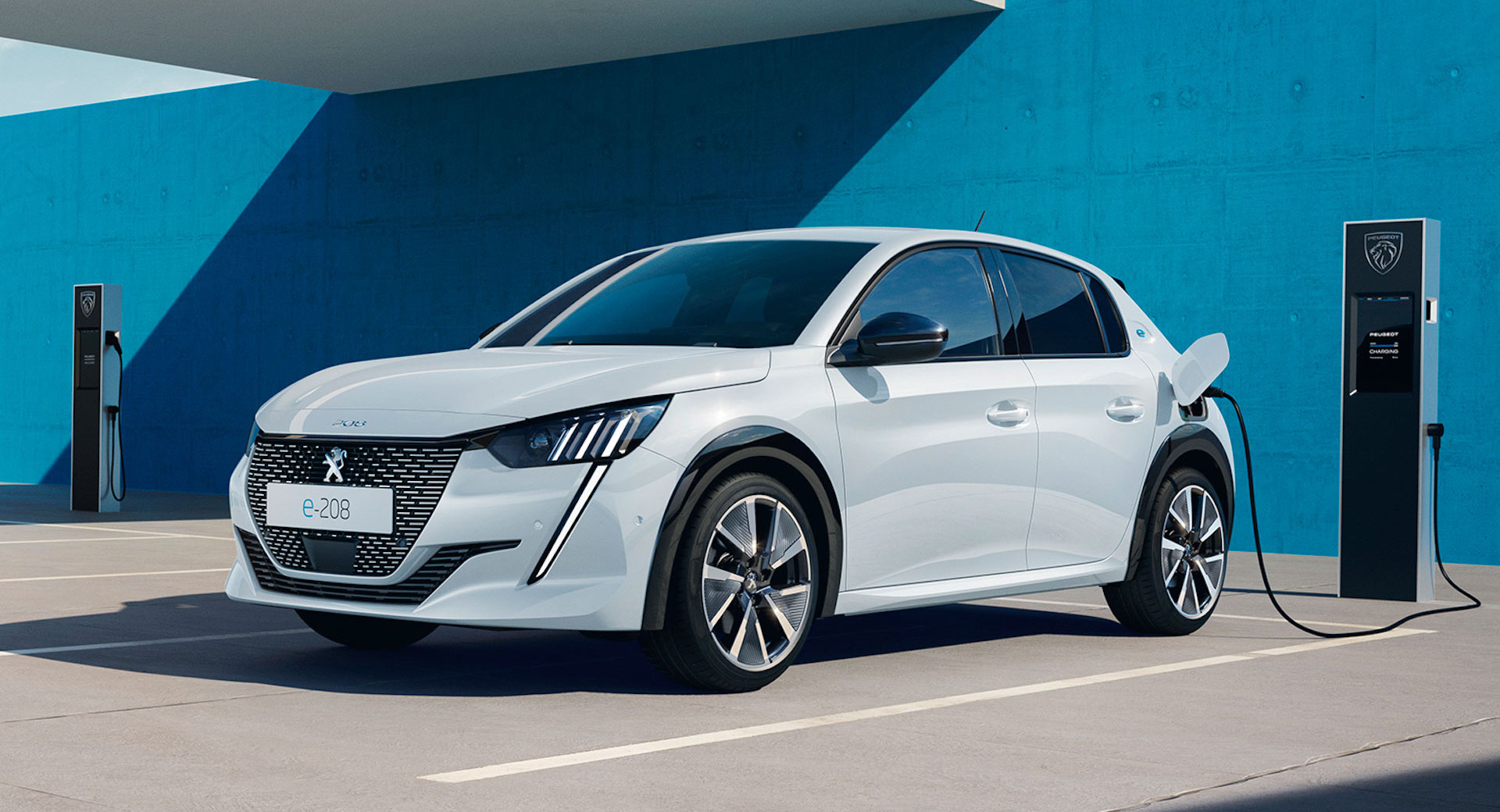
The e-208 is small enough to thread through tight streets and park easily, yet its WLTP range of roughly 217 to 268 miles depending on battery is comfortably more than a city commuter needs between charges. Real-world efficiency of around 4.1 miles per kWh makes it cheap to run on home or workplace charging, and the supermini footprint keeps insurance and tyres sensible. For an urban driver who occasionally ventures further, it has just enough range to avoid anxiety without paying for a big, heavy battery you will rarely use. That balance is exactly why it is such a common salary-sacrifice and lease pick. There is also a practical charging point in its favour for city dwellers: a smaller battery costs less to top up and reaches a useful state of charge faster on a public rapid charger, which matters more in town, where many drivers rely on street or workplace charging rather than a home wallbox, than outright range ever does.

It competes directly with cars like the Vauxhall Corsa Electric, its Stellantis cousin, on both price and packaging. Where the decision gets interesting is the funding route, and that turns on whether you have access to an employer scheme at all.
Salary sacrifice: how the e-208 maths works
Salary sacrifice lets you give up gross salary for the car, so you save Income Tax and National Insurance on the amount sacrificed, then pay a small benefit-in-kind charge on the EV. Provider examples for a GT Premium e-208 put the gross monthly sacrifice at roughly £442 to £467, with the net effect on take-home pay nearer £305 to £320 once the tax and NI relief is applied. The benefit-in-kind cost is genuinely small: at the 4 percent EV rate, a £31,600 list price gives a taxable benefit of about £1,264 a year, which a basic-rate taxpayer pays roughly £253 of and a higher-rate taxpayer about £506, per the gov.uk company-car tax tables.

The crucial detail is what the sacrifice usually includes: insurance, servicing, maintenance, tyres and breakdown are typically bundled, so the net figure is closer to all-in than it looks. The catches are that you need an employer offering a scheme, and the early-exit terms matter if you might leave mid-contract, both of which we cover in the hidden costs of salary sacrifice and the tax-trap explainer.
PCH: the simpler route, from post-tax pay
Personal contract hire is a straightforward lease paid from your net, post-tax income, with no benefit-in-kind to worry about because there is no employer involvement. An official Stellantis & You offer advertised the e-208 at £289 a month on a personal lease, with 35 monthly payments, a £2,899 initial rental and 5,000 miles a year, with the £1,500 Electric Car Grant already baked in. That is a low headline, but read what it does and does not include: a typical PCH covers the car and warranty, but insurance, servicing and tyres are usually yours to arrange and pay for separately, which narrows the gap to salary sacrifice once you add them back.
PCH wins on flexibility and access: anyone can take it, the mileage and term are yours to choose, and you are not tied to an employer. It is the obvious route if your workplace offers no scheme, or if your salary is too low for sacrifice to make sense without dropping below the National Minimum Wage.
Peugeot e-208 salary sacrifice or PCH: the break-even
The two figures look close on the surface, a salary-sacrifice net of around £305 to £320 against a PCH headline of £289, but they are not measuring the same thing. The salary-sacrifice number usually includes insurance, servicing, maintenance and tyres; the PCH number usually does not. Add a realistic insurance premium and servicing to the PCH deal and, for an employee who has a scheme, salary sacrifice typically comes out ahead on a true all-in basis, and further ahead for a higher-rate taxpayer because the tax relief is larger. The honest caveat is that the quotes use different trims, terms and mileages, so the only way to settle it for your situation is to get your own scheme quote and a matched PCH quote and compare like for like.
If you want to see the same head-to-head on a pricier car, our Ford Mustang Mach-E salary sacrifice versus PCP piece runs the comparison at a higher list price, and the Polestar 4 salary sacrifice breakdown shows how the relief scales with value.

Carwow’s review below is a useful look at what the e-208 is like to live with before you choose how to fund it.
Where to check before you commit
- Confirm whether your employer offers a salary-sacrifice scheme; without one, PCH is the route.
- Get your scheme’s gross and net figures for the exact e-208 trim, and a matched PCH quote, then compare all-in.
- Add insurance, servicing and tyres to any PCH headline before comparing it to a salary-sacrifice net figure.
- Check the EV benefit-in-kind rate for your tax year on the gov.uk tables.
- Read the salary-sacrifice early-exit terms if your job might change within the contract.
- Make sure the mileage allowance on either route matches your real annual driving.
For a city driver who has an employer scheme, we would take salary sacrifice on the Peugeot e-208 nearly every time: once you count the bundled insurance, servicing and tyres, the all-in net cost usually beats a PCH deal, and the gap widens for a higher-rate taxpayer. The exceptions are clear. If your workplace offers no scheme, or your salary is low enough that sacrifice would breach the minimum wage, or you value the freedom to walk away without employer ties, PCH is the better and simpler answer, and £289 a month with the grant applied is a genuinely tidy way into a city EV. Get both quotes for your own circumstances and compare them all-in; that is the only number that tells the truth.