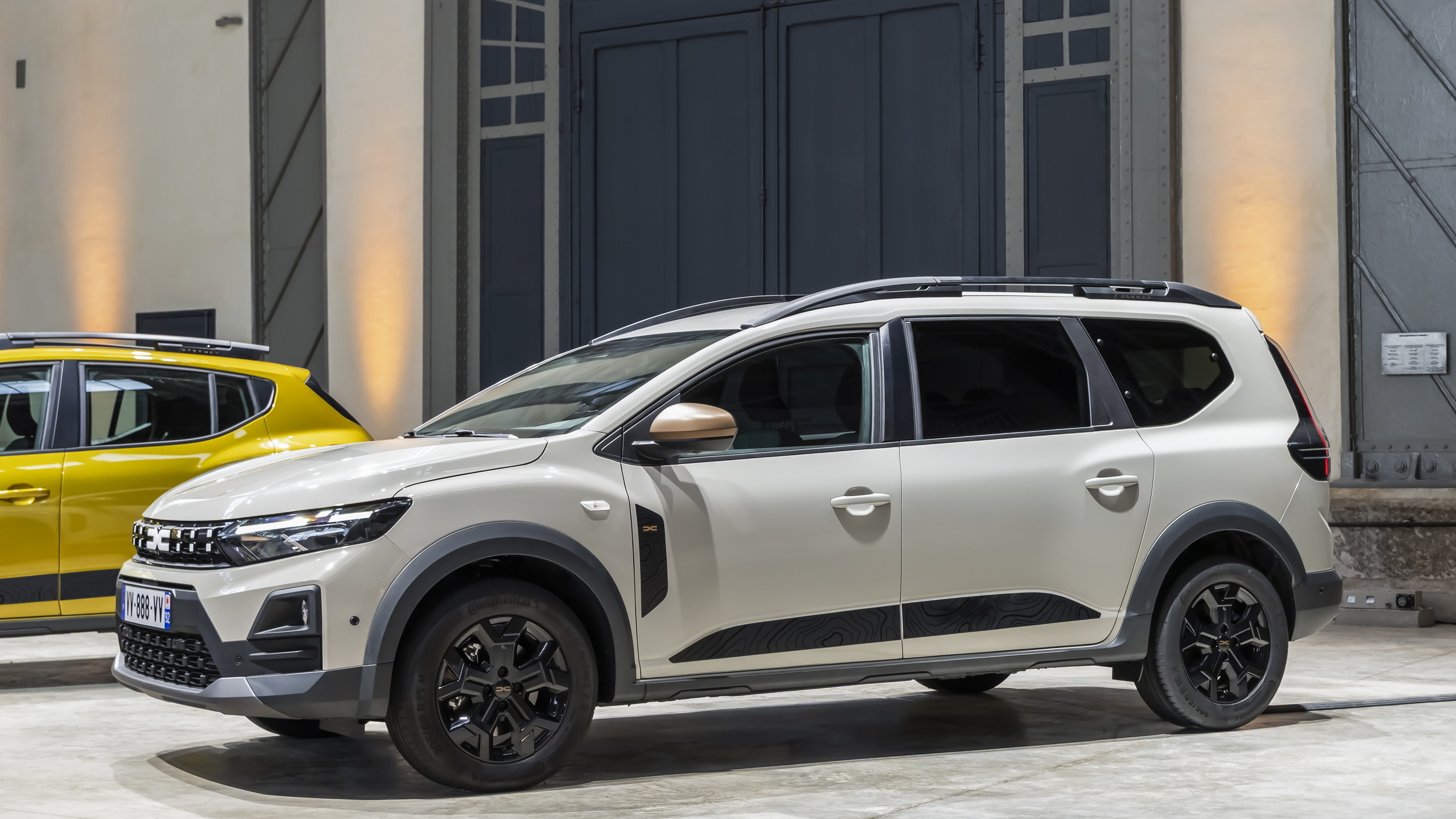
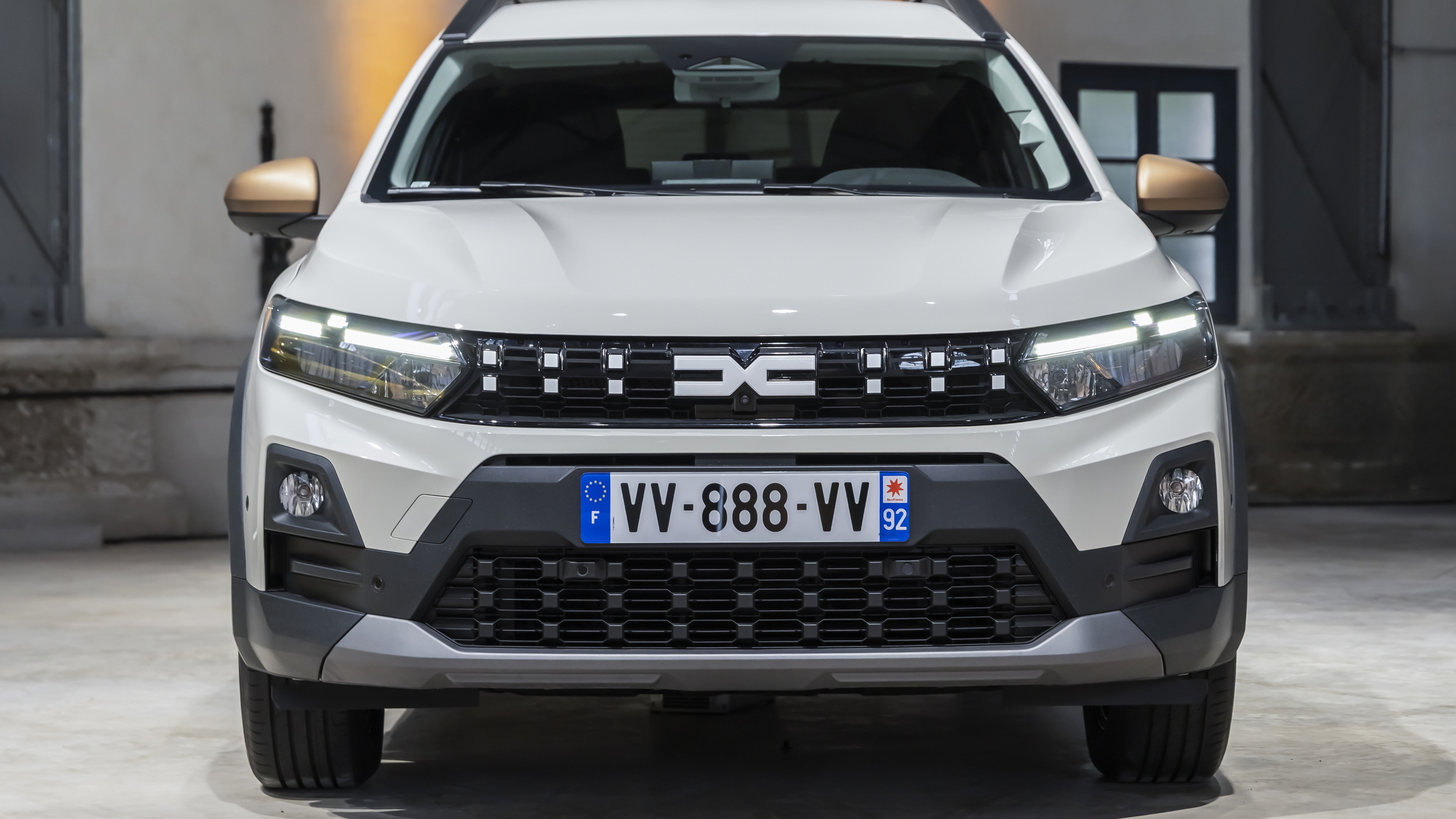
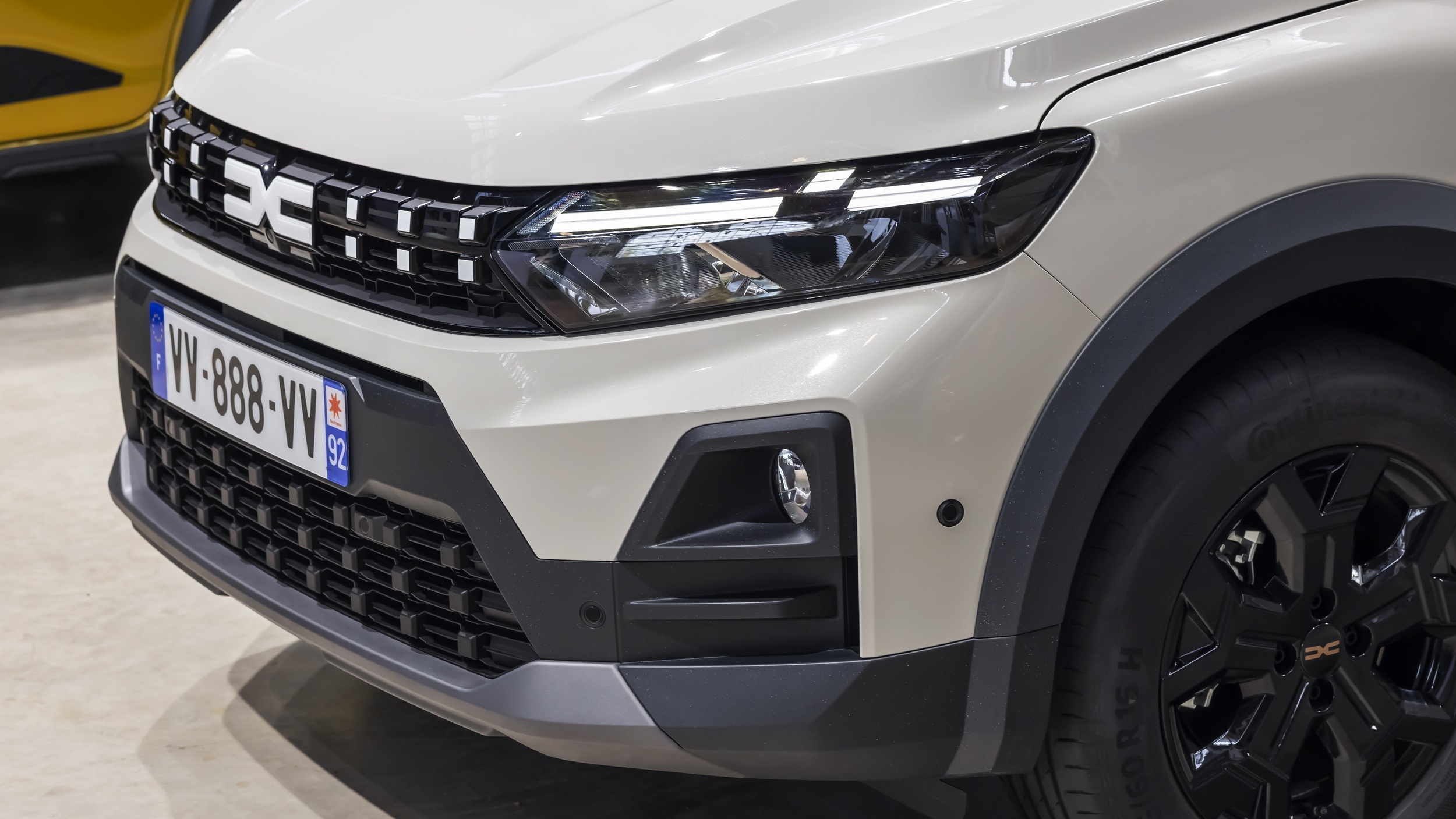
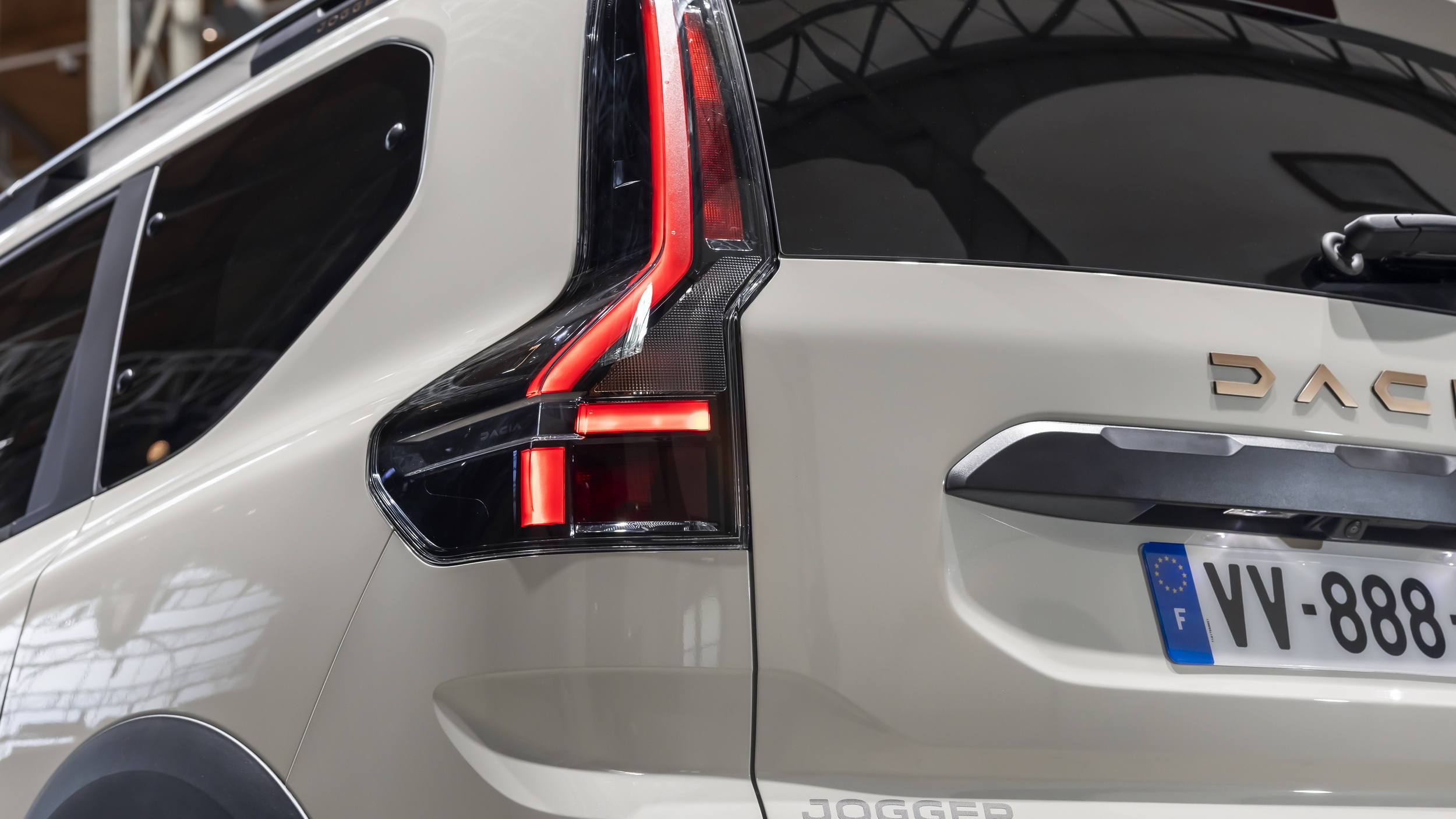
Dacia Jogger Motability: lock current pricing before 1 July VAT
Dacia Jogger Motability orders before 1 July 2026 lock current pricing. The free petrol avoids the new 20% VAT on Advance Payments; the hybrid does not.
Dacia Jogger Motability applications made before 1 July 2026 lock in this quarter’s Advance Payment figures, and that deadline matters more than any showroom discount right now. From 1 July the Scheme adds 20% VAT to Advance Payments and 12% Insurance Premium Tax to the cover element, so anyone topping up for a higher trim pays more. If you want a seven-seat family car on the Scheme at today’s pricing, you have roughly three weeks, and the honest verdict is that the base petrol Jogger is the one that dodges the change entirely.
What real owners say (CDE data)
Renault Retail Group’s Dacia franchised network currently lists the Jogger on the Motability Scheme with these figures, which are Motability advance payments rather than full retail prices:
Renault Retail Group (Dacia), Jogger Extreme TCe 110 petrol: £995 Advance Payment, available on the Motability Scheme.
Renault Retail Group (Dacia), Jogger Expression Hybrid 140 Auto: £1,195 Advance Payment, available on the Motability Scheme.
Renault Retail Group (Dacia), Jogger Extreme Hybrid 140 Auto: £1,695 Advance Payment, available on the Motability Scheme.
Prices checked 11 July 2026.
We cross-referenced Honest John owner reviews, What Car? reliability commentary and the live Motability vehicle listings for the Jogger range, checked on 11 June 2026, alongside the GOV.UK and Motability Foundation statements on the 1 July tax change.
Most-praised aspects: genuine seven-seat space for the money, easy three-pedal-free driving on the hybrid auto, and low running costs that owners repeatedly call out on Honest John.
Most-criticised aspects: firm ride on rougher trims, road noise at motorway speed, and infotainment that owners describe as basic rather than slick.
Reliability signal: the Jogger shares Dacia’s simple, proven Renault-group mechanicals, and What Car? and Honest John both flag it as low-stress to run. One live caveat: the DVSA lists a recall on Joggers built between 13 March 2024 and 26 February 2025 for a parking-brake mechanism fault that can let the car roll, not a stop-drive but worth a VIN check (gov.uk/check-vehicle-recall, checked 11 June 2026).
What changes on the Motability Scheme from 1 July 2026
The dated event driving this whole decision is simple. From 1 July 2026, the Government applies standard-rate 20% VAT to Advance Payments and top-up payments on new Motability leases, and Insurance Premium Tax on the Scheme’s insurance element rises to 12%, per the GOV.UK “Motability Scheme: reforming tax reliefs” notice (26 November 2025). The mobility-allowance-funded base lease stays zero-rated. Crucially, this applies only to new applications and orders from 1 July onwards; if you already have a car on the Scheme, nothing changes until your agreement ends, which Motability has confirmed directly.
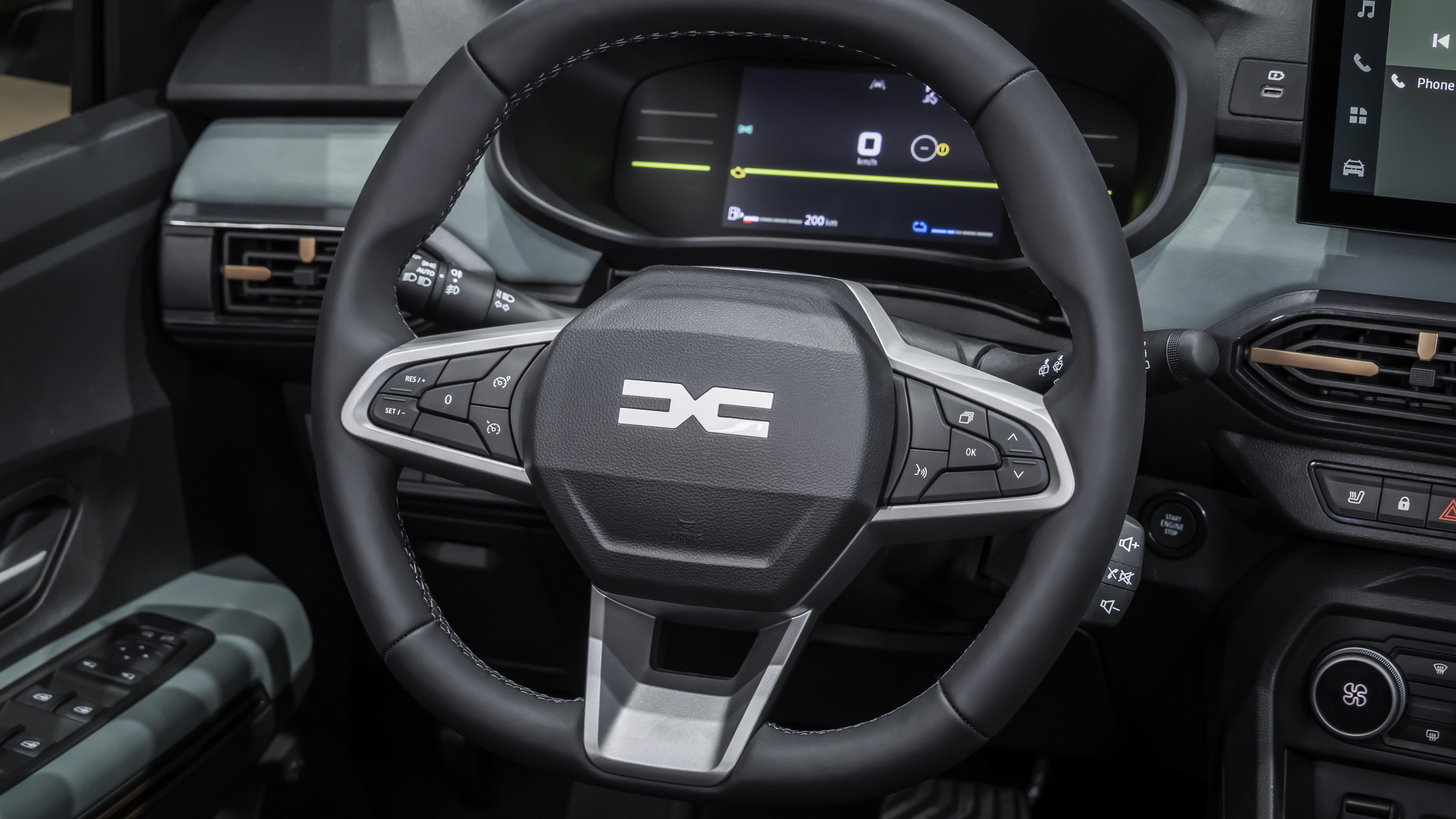
Image: Dacia
Motability has not simply passed the bill on. The Motability Foundation says that after its own mitigation, the average Advance Payment is expected to rise by around £400 across a three-year lease, not the full theoretical figure. That is the number a family should budget for if the car they want carries an Advance Payment. Wheelchair Accessible Vehicles stay exempt, and a deeper breakdown of how the maths lands sits in our guide to the Motability July 2026 Advance Payment hike.
Why this is a deadline, not a “loophole”
Let us kill the framing doing the rounds online first. This is not a VAT loophole to exploit. Twenty per cent VAT on a £0 Advance Payment is still nothing, so a customer taking a fully funded car pays no extra VAT on the Advance Payment at all. The real cost lands on two groups: anyone topping up for a pricier vehicle or higher trim, who pays 20% on that top-up, and effectively every new lease through the higher 12% IPT on the insurance element. Added together, that is where the roughly £400-over-three-years figure comes from. Calling it a loophole misleads readers into thinking there is a clever workaround. There is not. There is a date.
If we did nothing, the average cost of a new lease would increase by around £1,100.
Read that figure carefully. The £1,100 is the increase Motability says it avoided by absorbing cost itself; it is not what a customer will pay. Miller also stated that simply passing all the costs on to customers “was not an option”. The actual customer-facing impact, after mitigation, is the ~£400 over three years on cars that carry an Advance Payment. Anyone quoting £1,100 as your bill has misread the statement.
The Dacia Jogger Motability picture this quarter
Here is the part that matters for a real family decision, and where the Dacia Jogger Motability listings need reading carefully. On the current price list, valid for applications between 1 April and 30 June 2026, the entry Jogger Essential TCe 110 petrol is offered from £0 Advance Payment. The petrol manual is the car that pays no VAT on the Advance Payment because there is no Advance Payment to tax. Move up to the Hybrid Auto and the picture changes: those versions carry an Advance Payment of roughly £995 (Expression) to £1,295 (Extreme) on this quarter’s list, in both five-seat and seven-seat configurations. From 1 July, that hybrid top-up is exactly the sort of payment the new 20% VAT applies to.
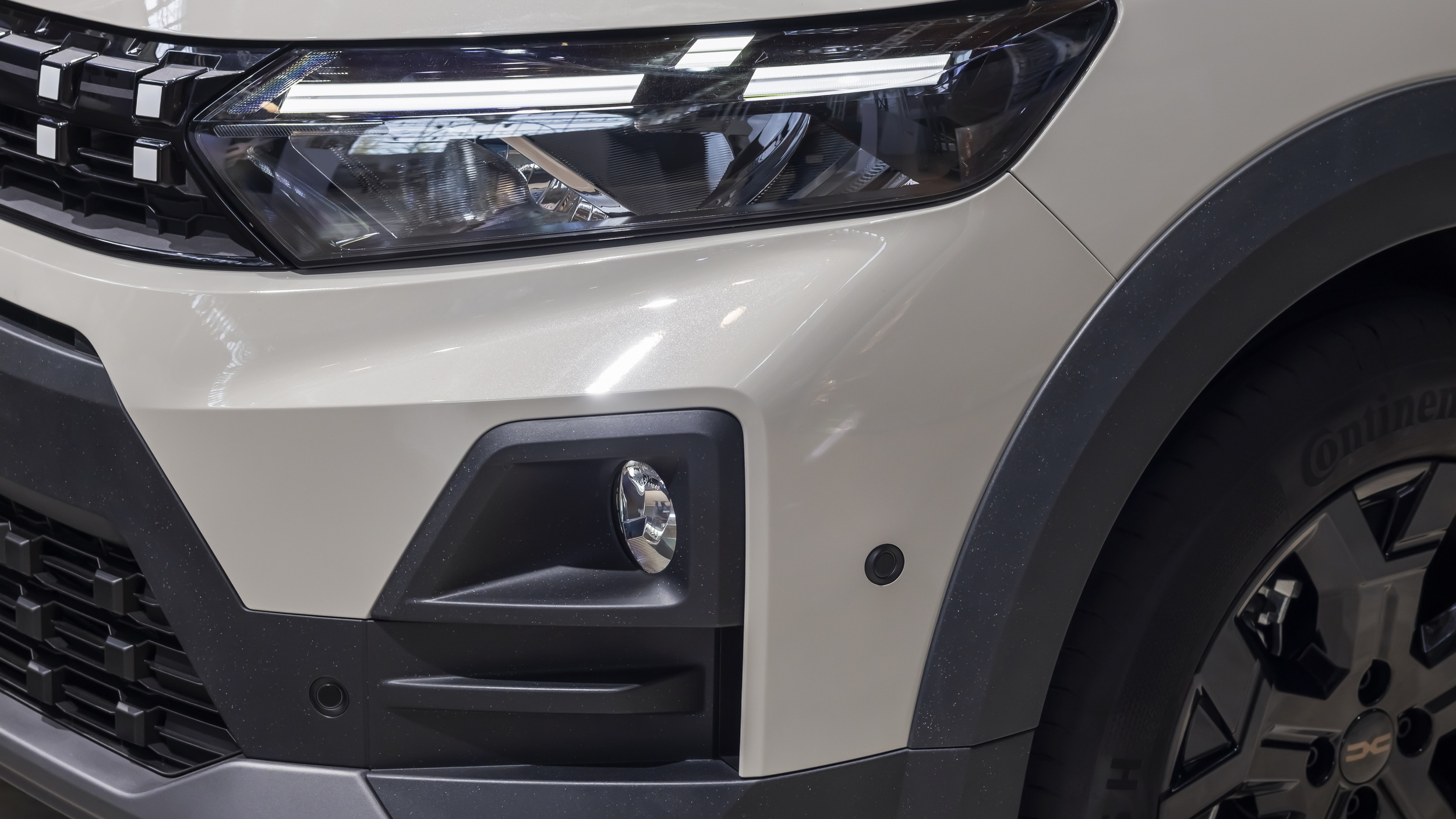
Image: Dacia
Trim / engine
Transmission
Advance Payment (Q2 2026 Motability list)
VAT exposure from 1 July
Essential TCe 110 petrol
Manual
From £0
None on a £0 Advance Payment
Hybrid Auto, Expression
Automatic
Around £995
20% VAT on the top-up
Hybrid Auto, Extreme
Automatic
Around £1,295
20% VAT on the top-up
Source: Dacia and Motability vehicle listings for applications 1 April to 30 June 2026, checked 11 June 2026. Confirm the live figure for your trim before ordering.
One thing to get right on the spec sheet: the Jogger you order new in 2026 is the facelifted car, and its hybrid is now the Hybrid 155, a 1.8-litre petrol paired with a 1.4kWh battery for 155bhp through an automatic gearbox, returning around 61mpg on the official figures, per Auto Express. The retail Hybrid 155 starts from about £18,995. The outgoing Hybrid 140 is the old engine; do not let a dealer or an old listing quote you 140 specs as current. Always confirm the exact engine and Advance Payment on the live Motability vehicle search for the trim you want, because the figures move every quarter.
Should you apply for a Dacia Jogger Motability lease before 1 July?
If your shortlist is a hybrid auto or a higher trim that needs a top-up, the three-week window genuinely saves you money: an application accepted before 30 June locks this quarter’s Advance Payment even if the car is delivered later. If you only ever wanted the £0 petrol Essential, there is far less urgency, because a £0 Advance Payment is unaffected by the VAT change either way. What you should not do is panic-pick a worse car just to beat a date. A Jogger is a sensible seven-seater on a fixed allowance, but it is not the only one; our roundup of Motability zero Advance Payment SUVs to order before July 2026 covers the alternatives at £0, and we have a separate look at Motability estate cars to order before 1 July 2026 if you want boot space without the SUV height.
Image: Dacia
Wider context helps here. The Scheme has hundreds of thousands of users, with recent reporting citing figures around 815,000 to 890,000, and dozens of cars stay at £0 Advance Payment after July, from small hatchbacks like the Kia Picanto on Motability upwards, so the choice is not collapsing overnight. The change is a cost nudge on top-ups and insurance, not a closure, though some models genuinely are being run out, like the Ford Focus before 1 July. If a Tucson is more your size, our piece on the Hyundai Tucson Motability cost after the July VAT change runs the same deadline logic on a bigger SUV.
How the Jogger stacks up as a family buy
Strip out the Scheme for a second and the Jogger still makes sense on its own merits. It is one of the very few genuinely affordable seven-seaters, blending estate, MPV and light-SUV thinking, and Carwow rated it highly enough to hand it a rare outright recommendation. Owners on Honest John repeatedly praise the space-per-pound and the low running costs; the criticisms are the predictable ones for a budget car, namely ride firmness and motorway noise. For a family that needs three rows occasionally and a big boot the rest of the time, that is a fair trade. If you are weighing the Scheme against ordinary finance, our explainer on PCP vs HP in 2026 sets out how a conventional deal compares, and the family-SUV finance picture is covered in our Skoda Kodiaq vRS PCP maths if your budget stretches further.
Our view on the Dacia Jogger Motability decision is straightforward. If you want the Hybrid Auto or any trim that needs a top-up, get the application in before 30 June 2026 and lock this quarter’s Advance Payment, because from 1 July the 20% VAT and 12% IPT will add roughly £400 across a three-year package on cars that carry a top-up. If you only ever wanted the £0 petrol Essential, take your time: a £0 Advance Payment pays no VAT either way, so the deadline barely touches you. The Jogger remains the best-value seven-seat option on the Scheme for most families, and the trap to avoid is rushing into a worse car or a pricier trim just to beat a date. Confirm the exact engine and Advance Payment on the live Motability search, ignore anyone calling this a “loophole”, and budget for the genuine ~£400, not the £1,100 counterfactual.
Image: Dacia
Where to check before you apply to the Scheme
Read the official change notice on motability.co.uk/changes so you know exactly what VAT and IPT apply to from 1 July 2026.
Confirm the live Advance Payment and the exact engine (Hybrid 155 vs the £0 petrol) for your chosen trim on the Motability vehicle search before you commit.
Check the Government detail in the GOV.UK tax-reliefs notice if you want the underlying rules in full.
Get the application accepted before 30 June 2026 if your car carries a top-up; acceptance, not delivery, is what locks the pre-change figure.
Does the 1 July 2026 VAT change affect a £0 Advance Payment Dacia Jogger?
No. Twenty per cent VAT applies to the Advance Payment, and 20% of £0 is still £0. The entry Jogger Essential TCe 110 petrol is offered from £0 Advance Payment this quarter, so the VAT change does not add anything to the Advance Payment on that car. You would still feel the separate rise in Insurance Premium Tax to 12% on the insurance element of any new lease.
How much more will a Dacia Jogger on Motability cost after the change?
Motability expects the average Advance Payment to rise by around £400 across a three-year lease after its own mitigation, on cars that carry an Advance Payment. The widely quoted £1,100 figure is the increase Motability says it avoided by absorbing cost, not what a customer pays. A £0 petrol Jogger sees no Advance Payment VAT; a Hybrid Auto with a £995 to £1,295 top-up would see 20% VAT on that top-up from 1 July.
What is the deadline to apply under the current Motability pricing?
Applications accepted before 1 July 2026 use this quarter’s pricing, valid for applications between 1 April and 30 June 2026. It is the acceptance of the application that locks the figure, not the delivery date, so a car delivered later still keeps the pre-change Advance Payment if the order was placed in time. Reading this in mid-June, you have roughly three weeks.
Is the existing Motability lease on my current Jogger affected?
No. The changes apply only to new applications and orders from 1 July 2026. If you already have a vehicle on the Scheme, your payments stay the same until your agreement ends, which Motability has confirmed. You would only meet the new VAT and IPT rules when you renew or take out a new agreement after the change date.
Which Dacia Jogger engine should I pick on the Scheme?
If you want the lowest cost and to sidestep the Advance Payment VAT entirely, the £0 petrol Essential is the pick. If you want an automatic and better fuel economy, the Hybrid Auto is worth its top-up for many families, but order before 30 June to lock the pre-change Advance Payment. The 2026 car uses the new Hybrid 155 engine, so ignore any listing still quoting the outgoing Hybrid 140 specifications.
We use cookies to make this site work, measure how it is used, and (with your consent) personalise advertising. Strictly necessary cookies always run. Analytics and advertising cookies run only if you accept. See our Cookie Policy and Privacy Policy.
Car Deal Expert is a trading name of Greyline Technologies Limited. Registered in England & Wales, company no. 16673047. Registered office: 71-75 Shelton Street, London WC2H 9JQ.