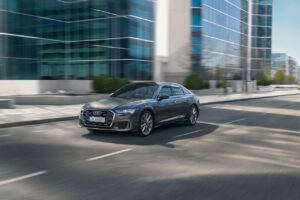
The best zero Advance Payment SUVs on the Motability Scheme are worth ordering before 1 July 2026, because that is the day a 20% VAT charge lands on every new Advance Payment and the maths quietly changes. Right now a clutch of mainstream small and family SUVs (Ford Puma, Volkswagen Taigo, Kia EV3, Citroen e-C3 Aircross, Nissan Juke and Vauxhall Grandland trims) sit at nil deposit, which means the whole lease is covered by your weekly mobility allowance with nothing upfront. We have pulled the picks that still make sense and the checks worth doing on the forecourt this week.
What real owners say (CDE data)
- Most-praised aspects: nothing to pay upfront, the all-inclusive lease (insurance, servicing, breakdown), and the breadth of automatic and electric choices at nil deposit.
- Most-criticised aspects: the better-equipped trims usually carry an Advance Payment, EV charging access for flat-dwellers, and quarterly price moves that shrink the nil-deposit list.
- Availability signal: Motability lists 37 cars at no Advance Payment for the current quarter, plus more than 80 under £500, per its April 2026 no-Advance-Payment guide.
What zero Advance Payment SUVs actually mean
An Advance Payment is the lump sum you pay at the start of a Motability lease when the car you want costs more over three years than your weekly mobility allowance covers. Choose a vehicle priced within that allowance and the Advance Payment falls to zero. In plain terms, a nil-deposit car means the whole lease is paid by handing over your weekly mobility component, with nothing out of your own pocket on day one. The allowance does not just cover the car either: Motability’s package folds in insurance, servicing, routine repairs and breakdown cover, so the monthly motoring budget you would normally juggle is rolled into one exchange. That bundling is the single biggest reason the Scheme suits buyers on the enhanced rate of Personal Independence Payment or Disability Living Allowance who want certainty over cost. For the wider picture of how grants and discounts stack for drivers, our guide to EV buyer incentives in the UK for 2026 sets out where the public money sits.
One quick clarification that trips people up: nil deposit is not the same as a free car. You are still exchanging an income stream (the mobility allowance) for the lease, and the car goes back at the end of the three years unless you take a fresh agreement. What you avoid is the upfront cash hit, which on a desirable SUV with an Advance Payment can run from a few hundred pounds to well over a thousand.
Why the 1 July 2026 VAT deadline matters
From 1 July 2026, standard 20% VAT applies to Motability Advance Payments, alongside excess-mileage and early-termination charges, and a 12% Insurance Premium Tax applies to the insurance portion of the lease. The change hits new orders placed on or after that date only. Crucially, an order placed before 1 July locks in the current rate even if the car is delivered weeks later, and existing leases are not touched. Wheelchair Accessible Vehicles are exempt from the changes. For a nil-deposit SUV the VAT-on-Advance-Payment line is, by definition, zero (there is no Advance Payment to tax), so the urgency is sharpest if you are eyeing a higher trim that does carry one: order before the deadline and you avoid 20% being added to that lump sum. The insurance-portion IPT applies regardless, which is why we would not dawdle even on a nil-deposit choice. Industry coverage from outlets including WJ King has reported the average Advance Payment could rise by around £400 over a three-year lease once VAT lands, though that figure is a dealer estimate rather than a Motability published number.
Put bluntly: if a car you can live with is sitting at nil deposit today, ordering before 1 July is the cleaner financial move. You lock the current terms, you keep the upfront cost at zero, and you sidestep any quarterly reprice that might push your chosen trim onto the Advance Payment list next quarter.
The Ford Puma Titanium: the safe family pick
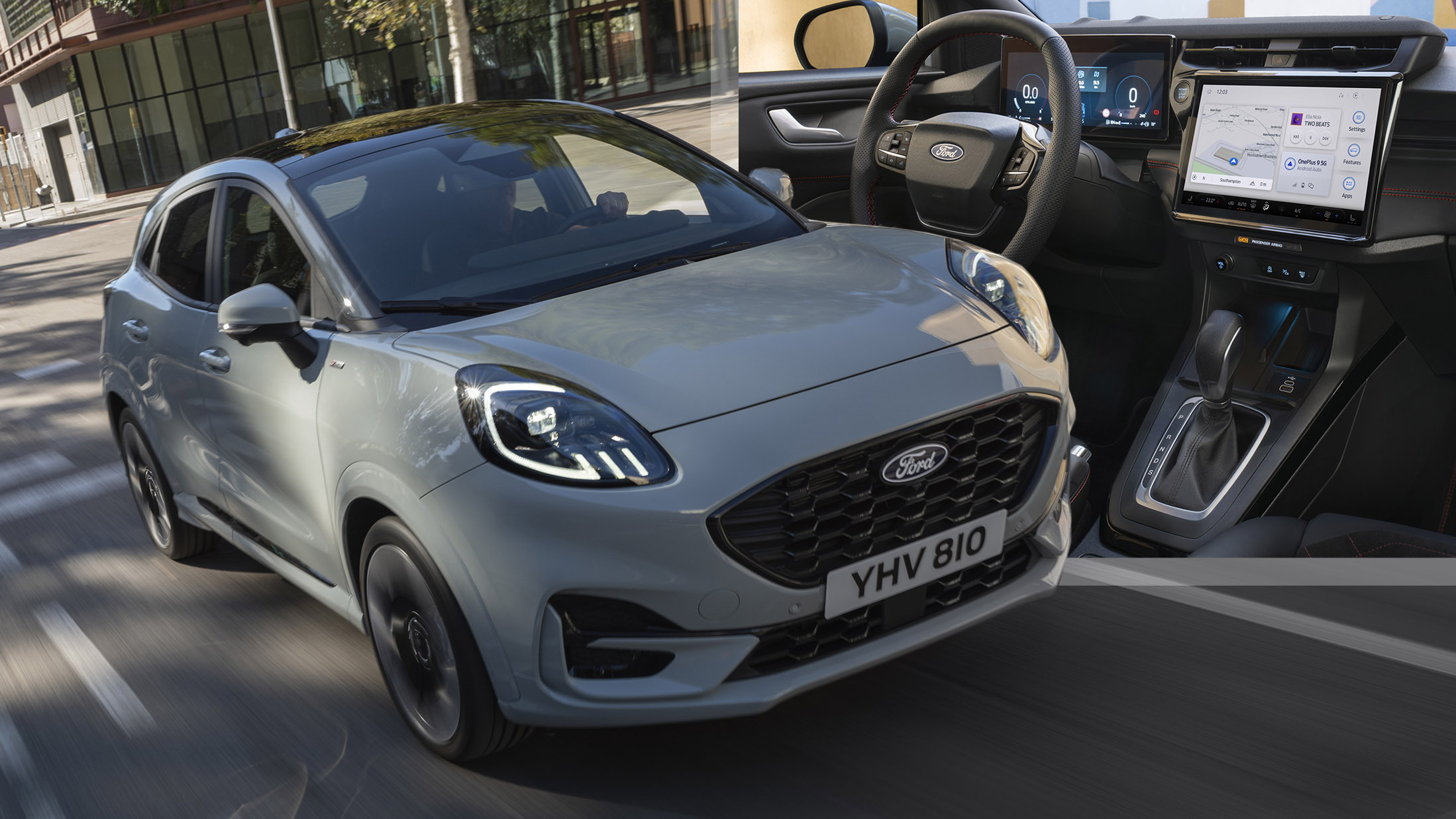
The Ford Puma Titanium 1.0 EcoBoost is the SUV we would point most first-time Scheme drivers towards. It is Britain’s best-selling small car for good reason: a high driving position, a genuinely useful boot with the MegaBox underfloor cubby, and the 1.0-litre mild-hybrid EcoBoost petrol that keeps running costs sensible without EV charging worries. On the Scheme it regularly appears at or near nil deposit in entry trims, and the Titanium spec adds the kit most families actually use (cruise control, a proper touchscreen, parking sensors) without straying into the pricier ST-Line territory that tends to attract an Advance Payment. Vertu Motors and Pentagon both list Puma availability across their Ford Motability sites, so stock is realistic rather than theoretical. If you are weighing petrol against electric for sheer simplicity, the Puma is the low-stress answer for drivers who cannot rely on home charging.
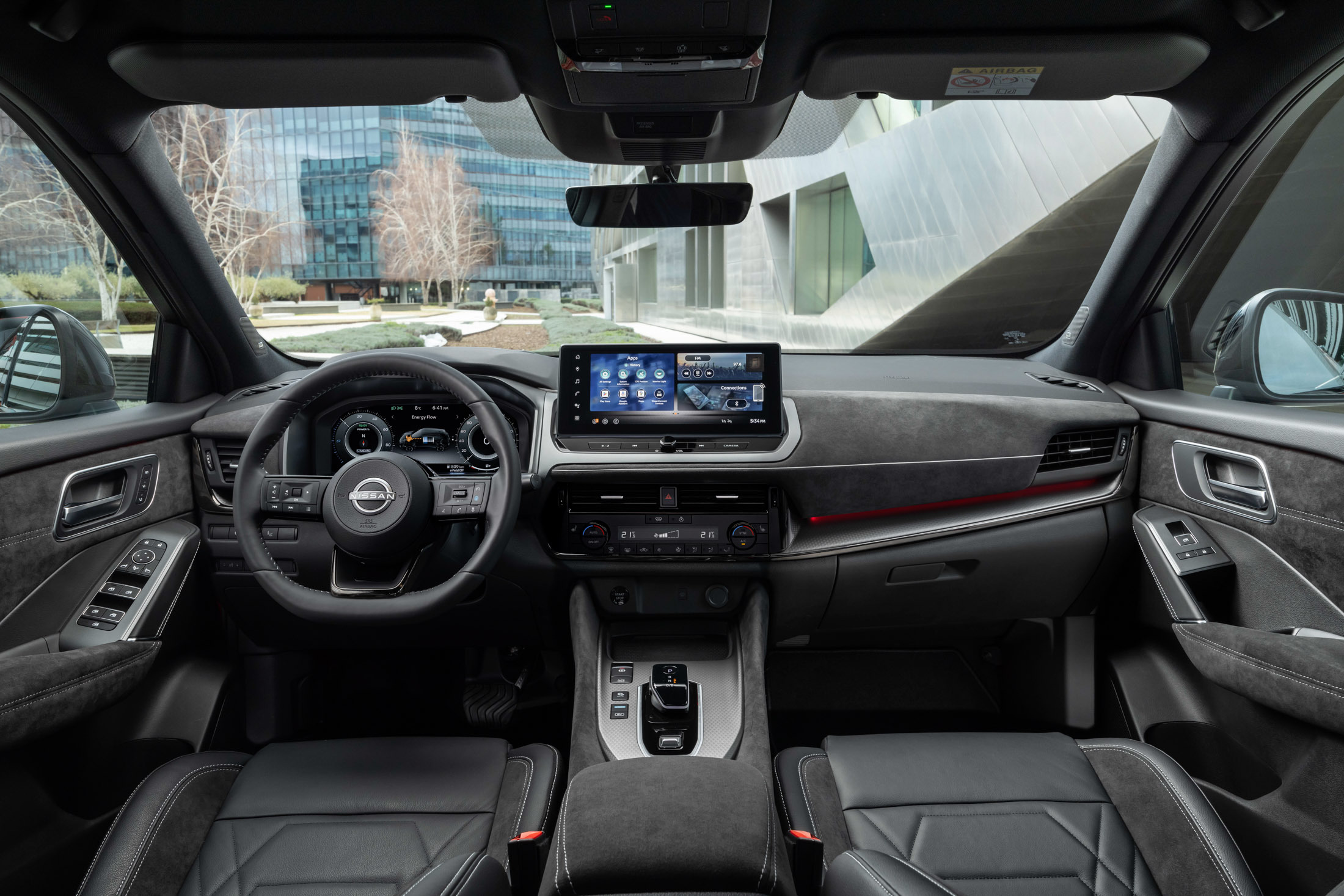
If you need a notch more space, the Nissan Juke and larger Qashqai are the natural step up, both UK-built and both consistent fixtures on the Scheme. The Juke routinely lands at nil deposit; the Qashqai’s mild-hybrid trims sometimes carry a modest Advance Payment, which is exactly the sort of car to order before the VAT change if it is the one you want.
Electric SUVs at nil deposit: Kia EV3 and Citroen e-C3 Aircross
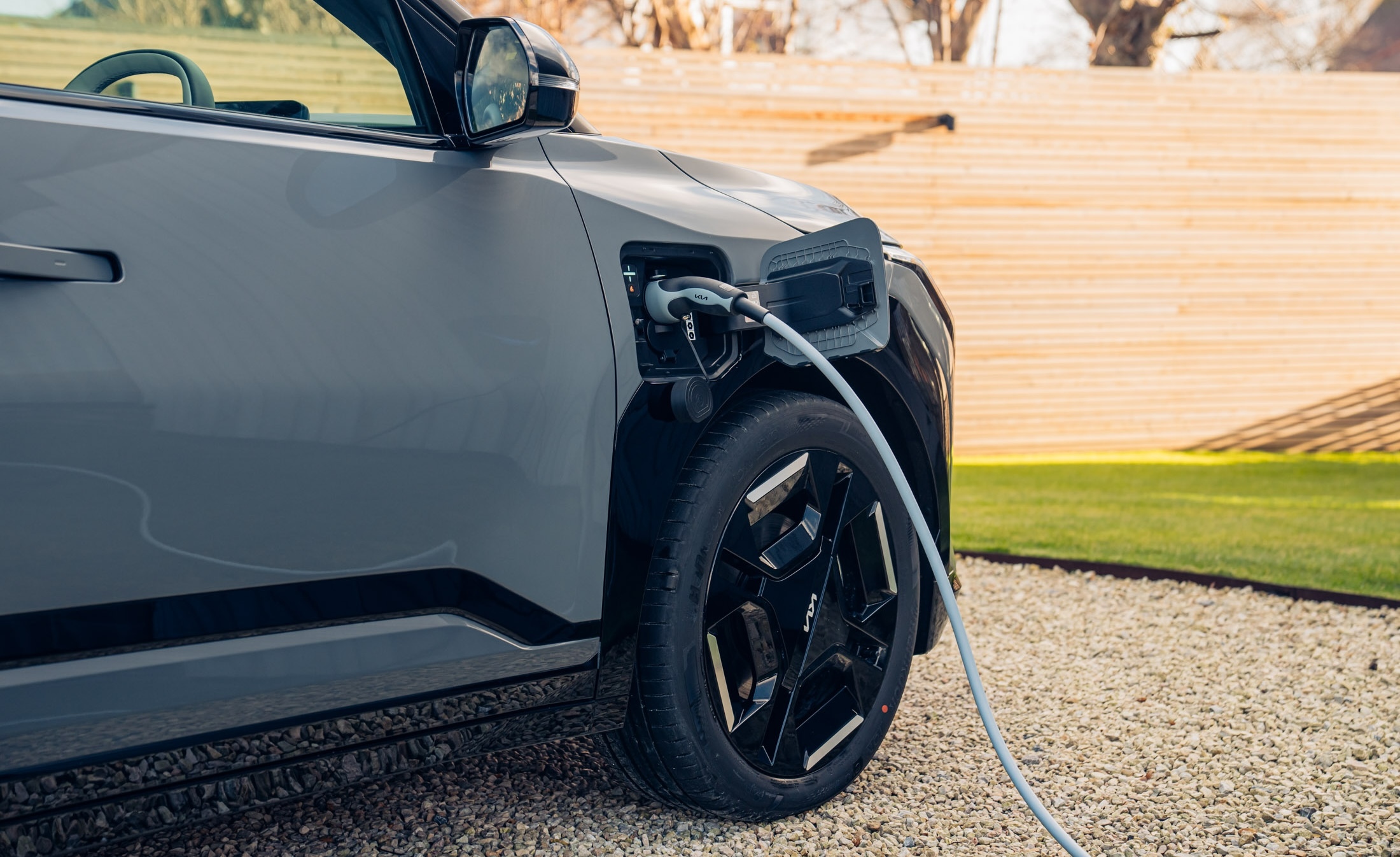
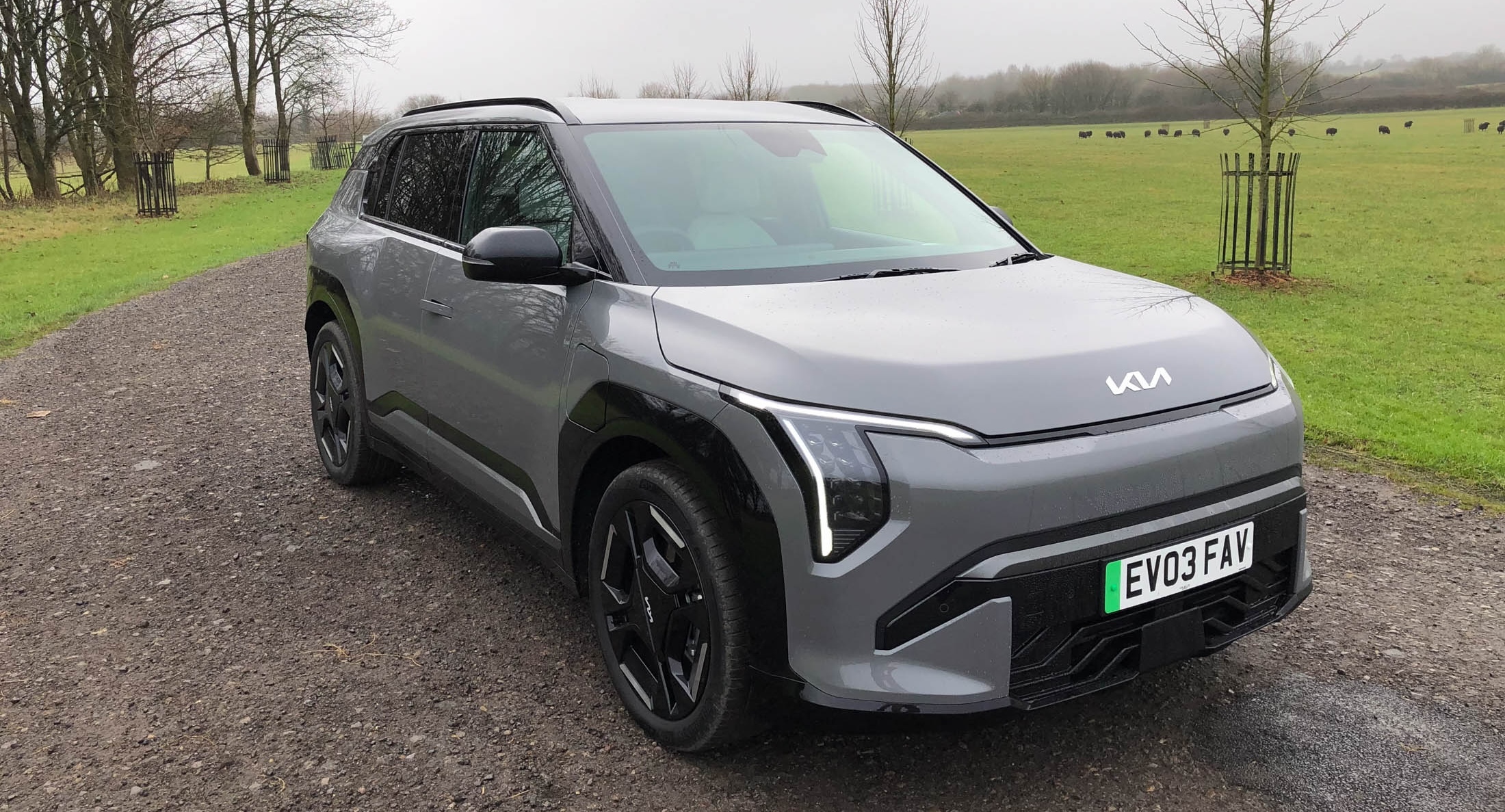
The electric end of the nil-deposit list is where the Scheme has improved most. The Kia EV3 is the standout: a properly designed compact electric SUV with up to a claimed 375 miles on the larger battery, a roomy cabin and Kia’s seven-year warranty carried through the lease period anyway. Carwow’s Mat Watson rates it as one of the best-value small electric SUVs on sale, and on the Scheme the entry Air trim is the one to watch for nil or near-nil deposit. The catch is the usual EV one: it only makes sense if you can charge at home or reliably at work. Our breakdown of the hidden costs of running an EV in 2026 is worth a read before you commit, and the best electric SUVs under £30,000 in the UK guide shows how the EV3 stacks up against rivals on price.
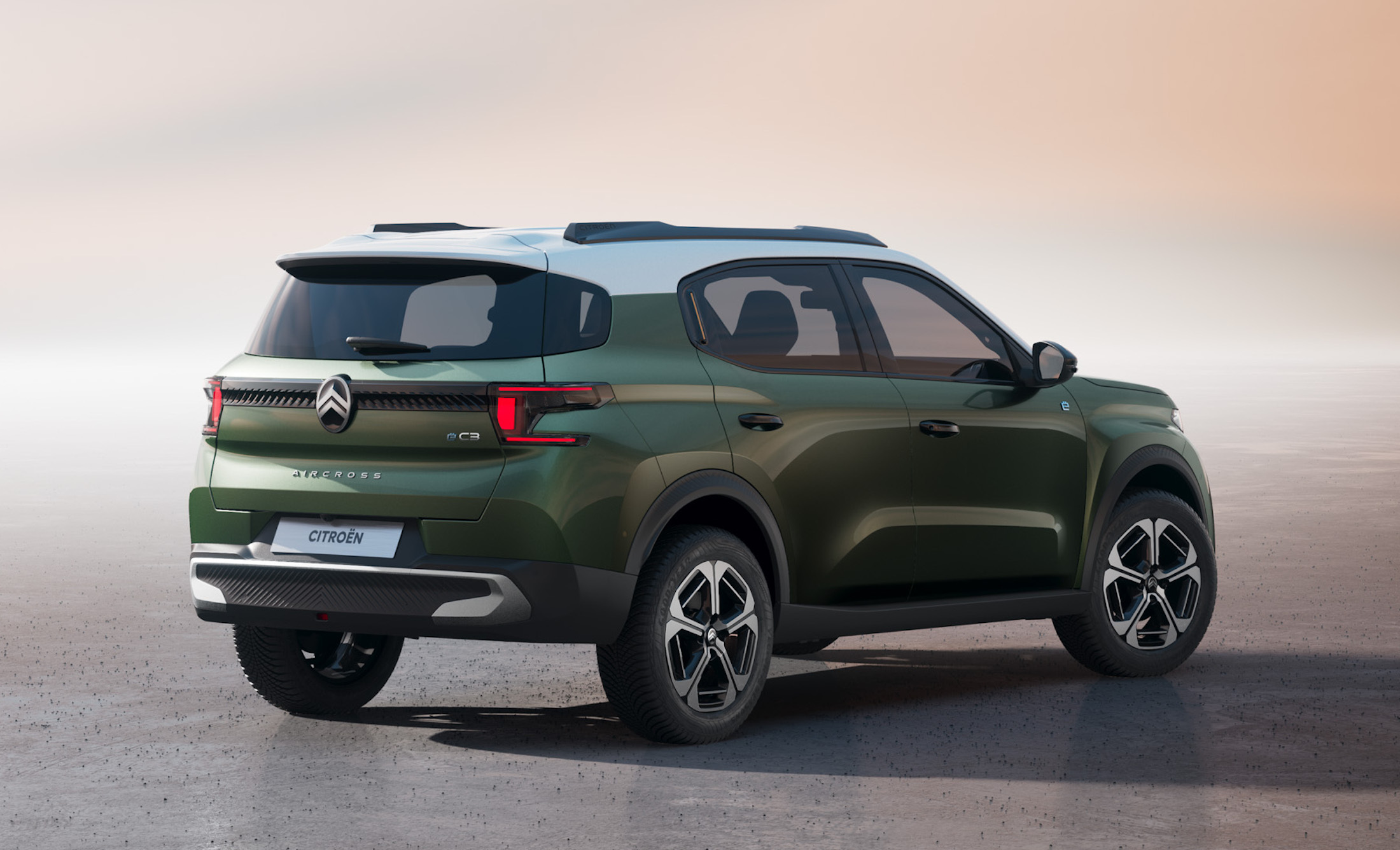
The Citroen e-C3 Aircross is the budget-minded electric alternative, and a clever one. It undercuts most rivals on list price, rides with the soft, forgiving suspension Citroen has built its reputation on, and offers the option of seven seats, which is rare at this money. On the Scheme it tends to sit at nil deposit in its core trims. Range is more modest than the Kia’s, so it suits town and shorter-commute drivers rather than motorway regulars. For anyone whose mobility needs favour an easy step-in height and a cushy ride over outright range, it is a sensible, low-deposit electric SUV.
One word of warning on EVs and the Scheme: the battery and charging hardware are covered by the lease, but home-charger installation is your own arrangement. Factor that in before assuming an EV is automatically the cheaper choice. Our explainer on EV battery warranty cover in 2026 sets out what is and is not protected.
Volkswagen Taigo and Vauxhall Grandland: the coupe-SUV and the family hauler
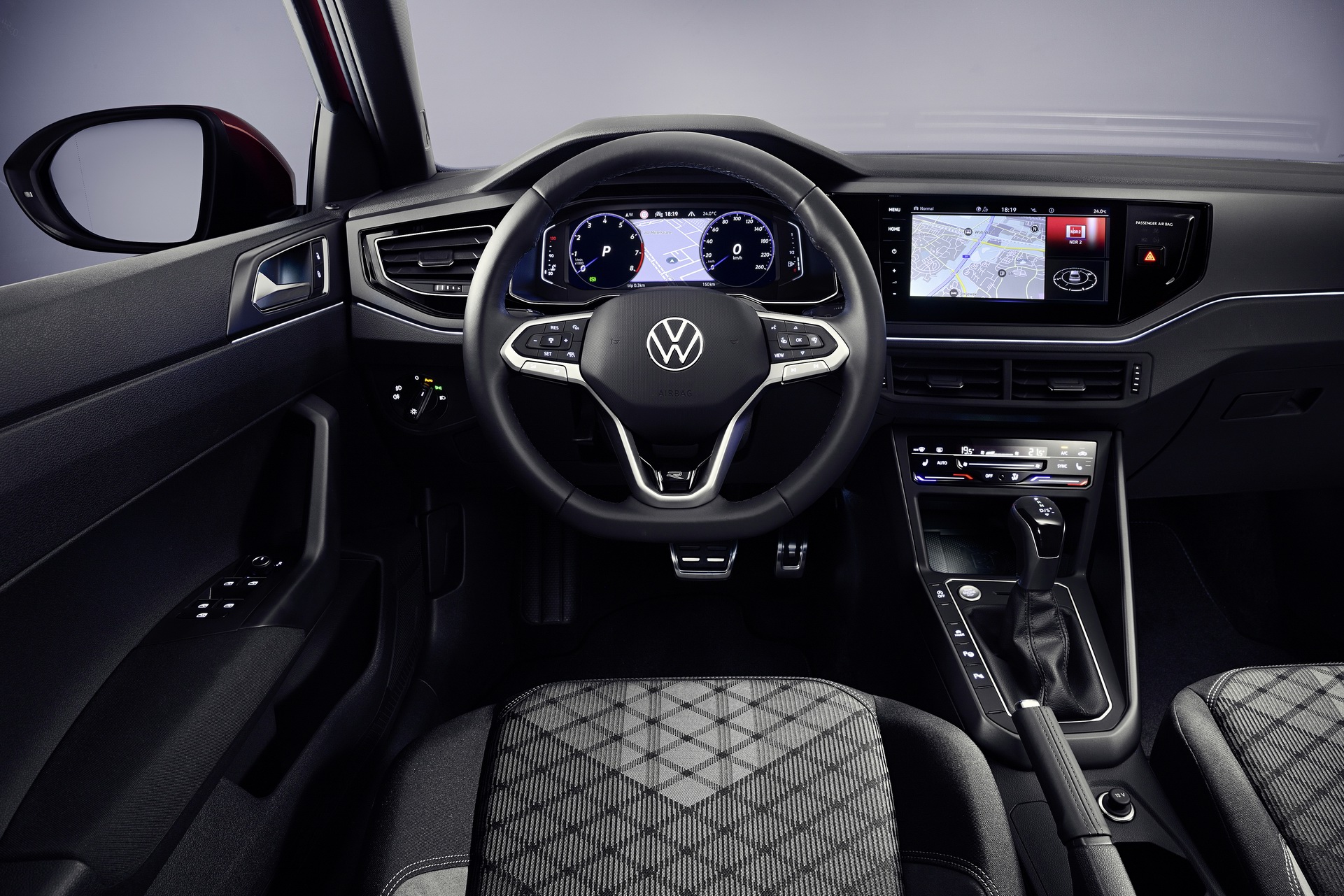
The Volkswagen Taigo is the leftfield pick we keep coming back to. It is a coupe-styled small SUV on solid VW underpinnings, it appears on Motability’s own current no-Advance-Payment list, and it brings VW’s grown-up cabin quality to the nil-deposit bracket. The 1.0-litre TSI petrol is willing enough, the driving position is commanding, and the boot is bigger than the swept roofline suggests. For a driver who wants something that does not look like an obvious budget choice, the Taigo punches above its deposit.
At the larger end, the Vauxhall Grandland is the one to know about for families who need genuine space. The latest Grandland is a big step up in quality and offers mild-hybrid petrol and full-electric versions. Its entry trims occasionally reach nil deposit, while the better-specified and electric versions usually carry an Advance Payment, again making it a prime candidate to order before the 1 July VAT change if the Grandland is your car. RAC Motability and Vertu both stock the range. The Dacia Sandero Stepway and Toyota Urban Cruiser round out the affordable mainstream picks Motability currently flags at nil deposit, the Sandero Stepway listed at around £80 a week of allowance, which leaves change from a standard enhanced-rate mobility payment.
How to order and what to check before 1 July
Ordering runs through a Motability-accredited dealer, and the big national groups make it straightforward: Vertu Motors, RAC Motability and Pentagon all run dedicated Scheme desks and can confirm current Advance Payments by trim while you are on the phone. Three checks save grief. First, confirm the exact trim and engine that sits at nil deposit, because the headline car often has a pricier variant that carries an Advance Payment. Second, ask the dealer to put the order in before 1 July to lock the pre-VAT terms, even if the build slot is later, and get that in writing. Third, check the mileage allowance against your real usage; reported changes point to a standard allowance settling near 30,000 miles over three years, with excess mileage charged per mile and now VAT-able from July.
It is also worth understanding the money mechanics that sit behind any lease, even one paid by allowance. If you are comparing the Scheme with a conventional deal for a family member, our primer on representative APR on car finance in 2026 and the guide to how much deposit car finance really needs explain why nil-deposit motoring is genuinely unusual outside Motability. For drivers tracking running costs across fuel types, the latest advisory fuel rates for June 2026 show where petrol, diesel and electric sit this month.
The protections that come with a Scheme SUV
One underrated advantage of a nil-deposit Scheme SUV is that the consumer-protection picture is far simpler than a private finance deal. Insurance is arranged through Motability’s own panel, servicing is booked through accredited dealers, and breakdown cover is included, so the failure points that catch out private buyers (gaps in cover, disputed warranty claims, mileage penalties hidden in small print) are largely handled inside one contract. That is not a reason to skip the homework, but it does mean the worst-case financial surprises are smaller. If you do want to understand where standalone cover still matters, our piece on GAP insurance for SUVs after the FCA review explains the product that Scheme drivers, notably, do not need to buy.
According to the Motability Scheme’s no-Advance-Payment guide for April to June 2026, 37 cars are currently available at nil deposit, with the all-inclusive lease covering insurance, servicing, routine repairs and breakdown cover. The wider VAT and Insurance Premium Tax position is set out on gov.uk, which is the primary source for the tax detail rather than any single dealer estimate.
Our take on these nil-deposit Motability SUVs
The case for these zero Advance Payment SUVs is straightforward, and the clock is the deciding factor. If you want a low-stress petrol family car, the Ford Puma Titanium is the pick; if you can charge at home, the Kia EV3 is the standout electric choice and the Citroen e-C3 Aircross the budget electric one; if space matters most, the Vauxhall Grandland is the family hauler to order. Our view is that nil deposit removes the single biggest barrier to Scheme motoring, the upfront cash, and the bundled insurance, servicing and breakdown make the monthly cost genuinely predictable. The one group who should pause are flat-dwellers without reliable charging, who should stick with the petrol Puma, Taigo or Juke rather than force an EV. Whatever you choose, get the order placed before 1 July 2026. Locking the pre-VAT terms costs nothing and protects you against a reprice, and on any trim that carries an Advance Payment it is the difference between paying it and paying it plus 20%.
What does zero Advance Payment mean on the Motability Scheme?
Which SUVs have no Advance Payment right now?
How does the 1 July 2026 VAT change affect me?
Why can’t I get an Audi, BMW or Mercedes on Motability?
Is a zero Advance Payment SUV really free?
Should I choose an electric or petrol Motability SUV?
How we researched this guide
Every pick here is shortlisted from hands-on testing and time spent living with the hardware by the CDE desk, then sanity-checked against current UK pricing, manufacturer specs and real-world performance before it makes the cut. We never rank for commission — affiliate links don't change the order.
Buyer action
Where to check next
Use this as the final check before paying a deposit, signing finance paperwork or relying on a headline monthly figure.