
UPDATED · News · 12 Jun 2026 · Michael Harrison
The Motability VAT change taking effect on 1 July 2026 is the most consequential date in the scheme’s recent history, and it has been widely misreported. From that day, 20% VAT applies to the Advance Payment on most new leases, along with Insurance Premium Tax on the insurance element. That is not a “20% increase” in your Advance Payment, and the real-world hit is smaller than the scare headlines suggest because Motability Operations is absorbing most of it. If you are an existing customer, nothing changes for you at all. Here is what is actually happening, what it costs, and what to do before the deadline.
What is changing, in plain figures (CDE data)
Drawn from Motability Foundation and Motability Operations guidance on the 1 July 2026 changes, announced at the Autumn 2025 Budget and confirmed in scheme updates through 2026.
- The tax: from 1 July 2026, 20% VAT applies to the Advance Payment top-up on most new leases, and IPT applies to the insurance element.
- The net effect: Motability Operations is absorbing much of the cost, so the average Advance Payment rises by around £400 over a three-year lease, not the roughly £1,100 it would be if the full tax were passed on.
- Who is unaffected: existing leases signed before 1 July are untouched, Wheelchair Accessible Vehicles remain exempt, and PIP or DLA eligibility itself does not change.
What the Motability VAT change actually is
The change is a tax applied to the Advance Payment, not a hike in the Advance Payment itself. The Advance Payment is the optional top-up you pay when you choose a car that costs more than your weekly mobility allowance covers. From 1 July 2026 that top-up attracts 20% VAT, and the insurance built into every lease attracts Insurance Premium Tax. The distinction matters: a car with a £2,000 Advance Payment does not jump to a wildly different figure overnight, it gains the VAT element on that top-up, much of which the scheme is absorbing centrally. Plenty of cars carry a £NIL Advance Payment and sit within the weekly allowance, and those remain the most affordable route. Our companion explainer on the Advance Payment changes walks through the mechanics in more detail.

The number that matters: about £400, not £1,100
This is where most coverage gets it wrong. If the full 20% VAT and IPT were simply passed to customers, the headline impact on a typical higher-Advance-Payment car could be around £1,100 over a three-year lease. But Motability Operations has said it is not passing the full cost on, and on its own estimate the average Advance Payment will rise by about £400 over a three-year lease once its mitigations are applied. That is a real cost and worth planning for, but it is a long way from the alarmist figures circulating online. The scheme is also keeping a substantial range of cars available at £NIL Advance Payment, so the cheapest options stay genuinely affordable.
What is not changing
If you are already on the scheme, this is the section that matters most: your existing lease is completely unaffected. The changes apply only to new applications and lease starts on or after 1 July 2026. Wheelchair Accessible Vehicles remain exempt from the VAT and IPT changes, and nothing about the underlying benefit, your PIP or DLA mobility component, or your eligibility to be on the scheme is altered by this tax measure. There is no need to panic, switch early out of fear, or assume the scheme is closing, because none of that is true. The change is narrow, it is dated, and it affects only new orders from the deadline onwards.

The other changes: mileage and excess
The VAT is not the only adjustment landing with new leases. The annual mileage allowance on affected new agreements is commonly reduced to 10,000 miles, down from the 20,000 some customers were used to, with excess mileage charged at 25p per mile including VAT. There are also tweaks to tyre cover and overseas-travel arrangements. For high-mileage drivers the mileage change can matter more than the VAT, so it is worth checking the allowance on any new lease against how far you actually drive before you order. A car that suited you on the old terms may need a rethink on the new ones, particularly if you cover long distances. Compare the zero Advance Payment SUVs still available if you want to keep upfront costs at nil.
The Vauxhall angle: nil Advance Payment cars
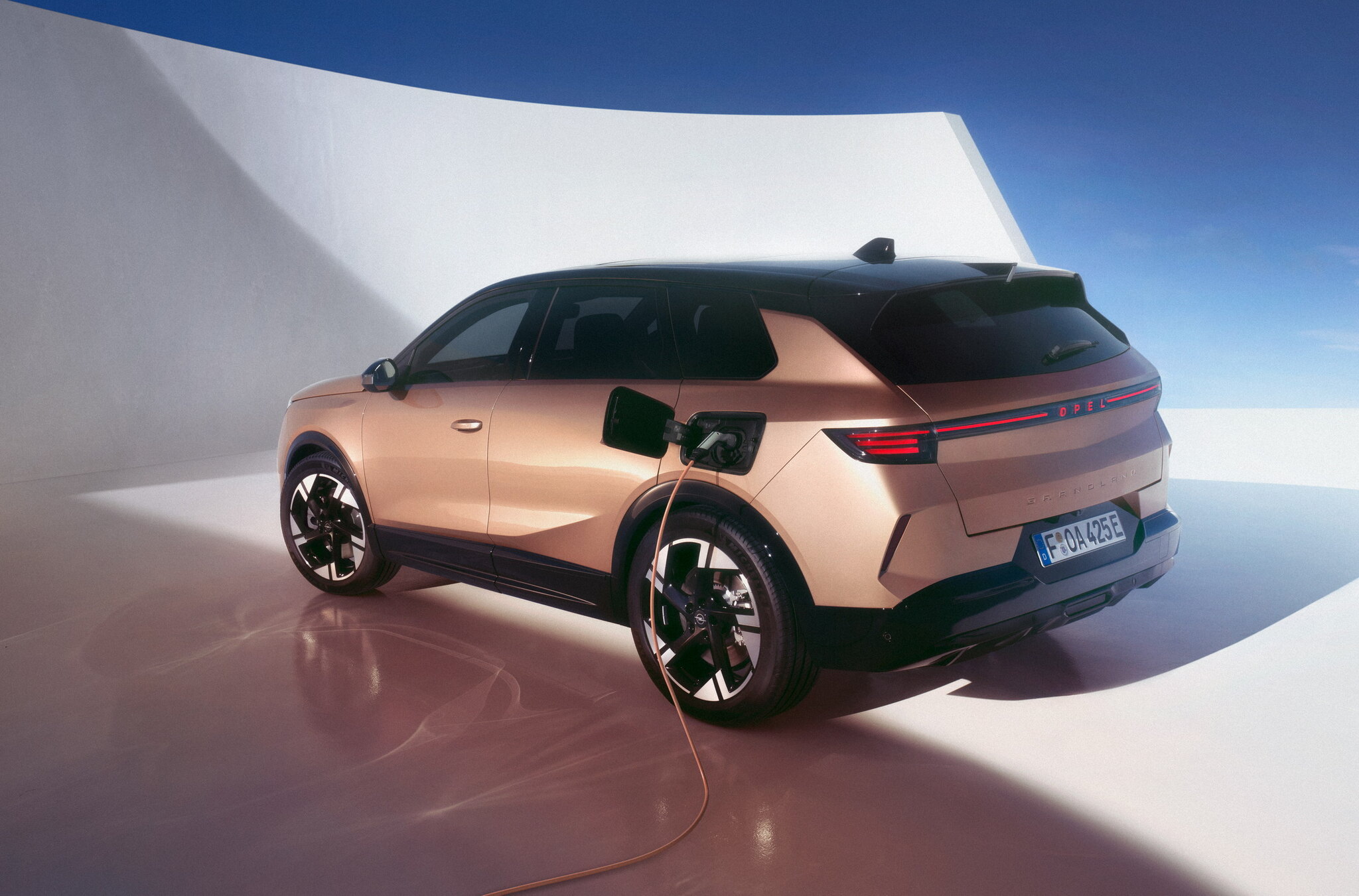
Vauxhall is one of the most relevant brands here, because its volume models are British-built at Ellesmere Port and several sit at or near £NIL Advance Payment. The Corsa is the obvious example, a practical supermini that has long been a scheme staple, with the Mokka and Grandland giving small-SUV and family-SUV options for those who want more space. Choosing a car that sits within the weekly allowance, at £NIL Advance Payment, is the single most effective way to sidestep the VAT change entirely, because there is no top-up for the tax to apply to. For families needing more room, our look at Motability estate cars covers the practical alternatives.

What to do before 30 June
If a new car is on your horizon, here is how to approach the deadline calmly.
- Read the official guidance at motability.co.uk so you are working from the scheme’s own figures, not social-media rumour.
- If you were already planning to order, applying and having the lease accepted before 1 July locks current terms, even if delivery is later.
- Do not switch out of an existing lease early out of fear: your current agreement is unaffected.
- Check the mileage allowance on any new lease against your real annual mileage, since the excess charge is 25p per mile.
- Prioritise £NIL Advance Payment cars within the weekly allowance to avoid the VAT on a top-up entirely.
- If you receive PIP or DLA and are new to the scheme, confirm your eligibility on gov.uk before applying.
Our view on the Motability VAT change: it is a genuine cost, but a modest and well-managed one, and the panic around it is overblown. The average Advance Payment rising by about £400 over three years is real money for households on a fixed mobility allowance, yet it is far short of the figures some headlines imply, because the scheme is absorbing most of the tax. If you are already a customer, do nothing: your lease is safe. If you are about to apply, there is a sensible case for ordering before 1 July to lock current terms, but only if a new car was already the plan, never as a fear-driven rush. And whatever the deadline, a £NIL Advance Payment car within your weekly allowance remains the smartest, cheapest way onto the scheme.
What is the Motability VAT change in July 2026?
How much more will a Motability car cost from July 2026?
Does the change affect my existing Motability lease?
Should I order a Motability car before 1 July 2026?
Are Wheelchair Accessible Vehicles affected by the VAT change?
Buyer action
Where to check next
Use this as the final check before paying a deposit, signing finance paperwork or relying on a headline monthly figure.