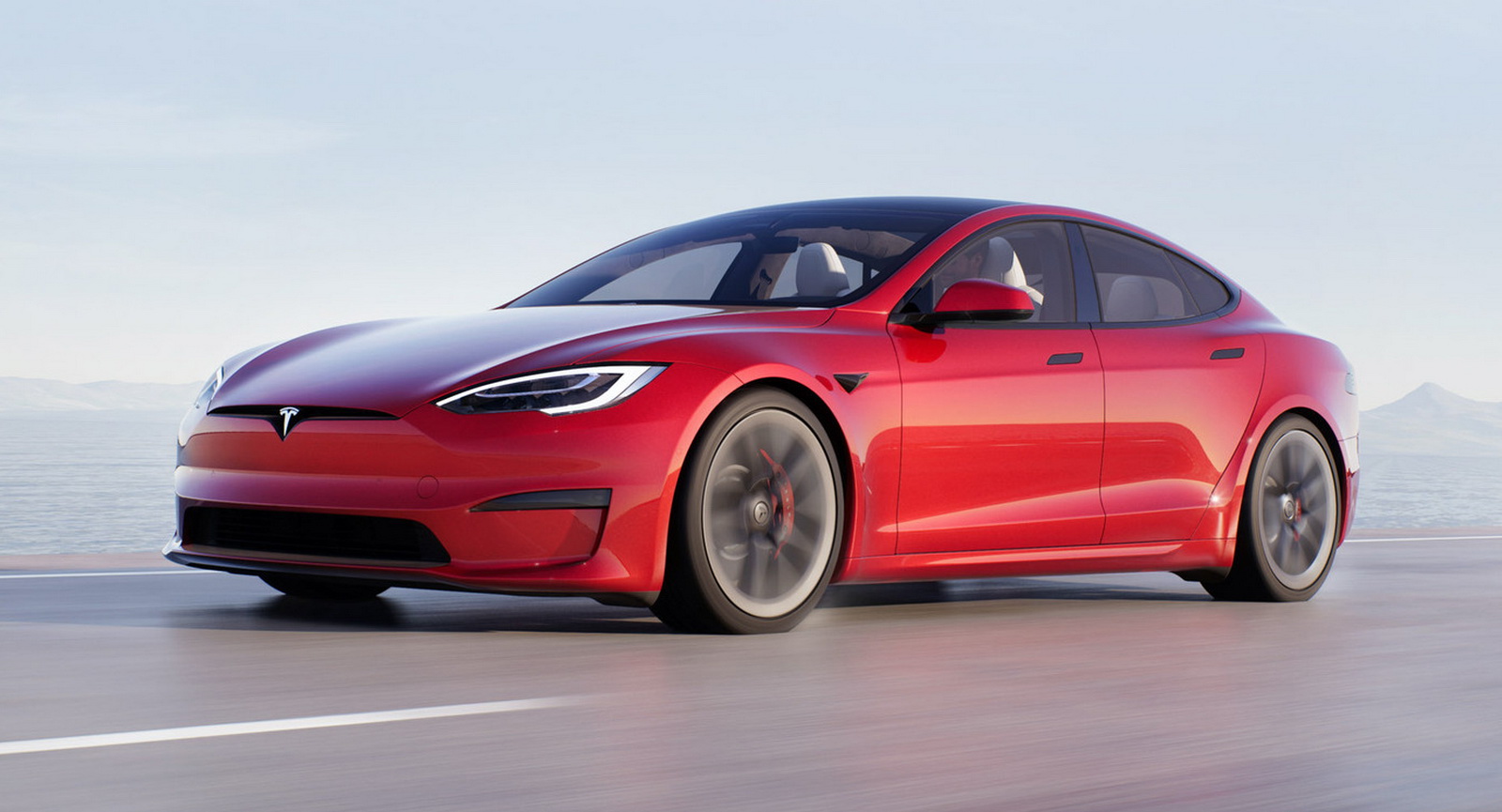
A used Tesla Model S or Model X looks like a lot of car for the money in 2026, and that is exactly the trap. While the headline “Teslas hold their value” still broadly fits the Model 3 and Model Y, the S and X are the exception to watch: production is winding down, they were always thin on the ground in right-hand drive, and used values have fallen steadily and faster than most rivals. This is the buyer-beware case for a three-year-old S or X, and the narrow set of people for whom it still makes sense.
What the used-value data shows
CDE reviewed UK used-value reporting and Tesla’s own production announcements on 13 June 2026. The signals point one way, and it is not the reassuring one.
- Production ending: Tesla confirmed on its January 2026 earnings call that Model S and Model X production would wind down in the second quarter of 2026.
- Values sliding: Motors data showed used Tesla values down around 22 percent on its index since February 2024, and the Financial Times reported UK used Tesla prices falling faster than other EVs.
- Demand soft: UK new Tesla registrations recorded steep year-on-year falls through 2025 and into 2026, per SMMT-based reporting.
Why a used Tesla Model S is now a residual risk
The risk is not that a three-year-old Model S or X is a bad car to drive; they remain fast, comfortable and long-legged. The risk is what happens to your money. A car that is being discontinued, sells in tiny right-hand-drive numbers, and is shedding value faster than the wider EV market is a car where the residual is hard to predict and easy to lose. Buy one at what looks like a bargain and you may find it worth meaningfully less again in two years, with a smaller pool of buyers when you come to sell. That is the definition of a residual minefield, and it is the opposite of the steady used story Tesla built on the Model 3.
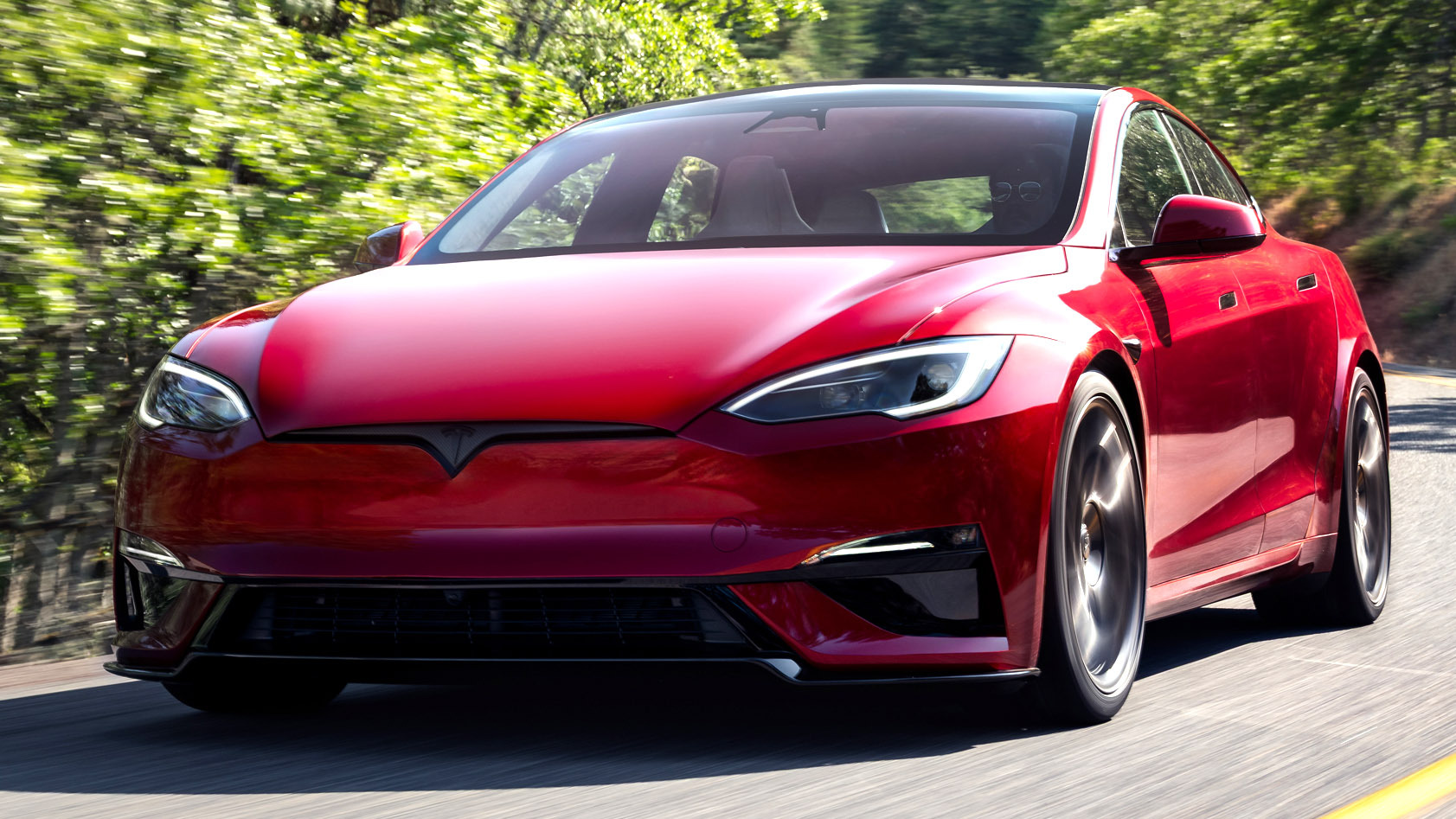
It is worth contrasting this with the cars that still make used sense. An ex-lease Model Y or a used Model 3 sits in a deep, liquid market with predictable values; the S and X simply do not, and our wider premium EV depreciation work shows how unusual their trajectory has been.
The wind-down: production is ending
This is the fact that changes everything, and unlike a lot of model-death speculation it is confirmed: Tesla told investors on its January 2026 earnings call that Model S and Model X production would wind down in the second quarter of 2026, with factory capacity reallocated. Discontinuation cuts two ways for residuals, and honest analysis has to hold both. Scarcity can support values on the best examples, because no new cars are coming. But an orphaned model can also see values fall as buyers worry about long-term parts, software support and servicing for a car the maker has stopped building. On a low-volume car in a small market, the downside risk tends to outweigh the scarcity premium. It is worth remembering that scarcity only props up values when demand stays warm; if buyers are nervous about a discontinued model with uncertain long-term support, low supply does little to defend the price, and the very rarity that sounds reassuring can make the car harder to shift when you eventually want to sell.
Thin on the ground: the UK right-hand-drive problem
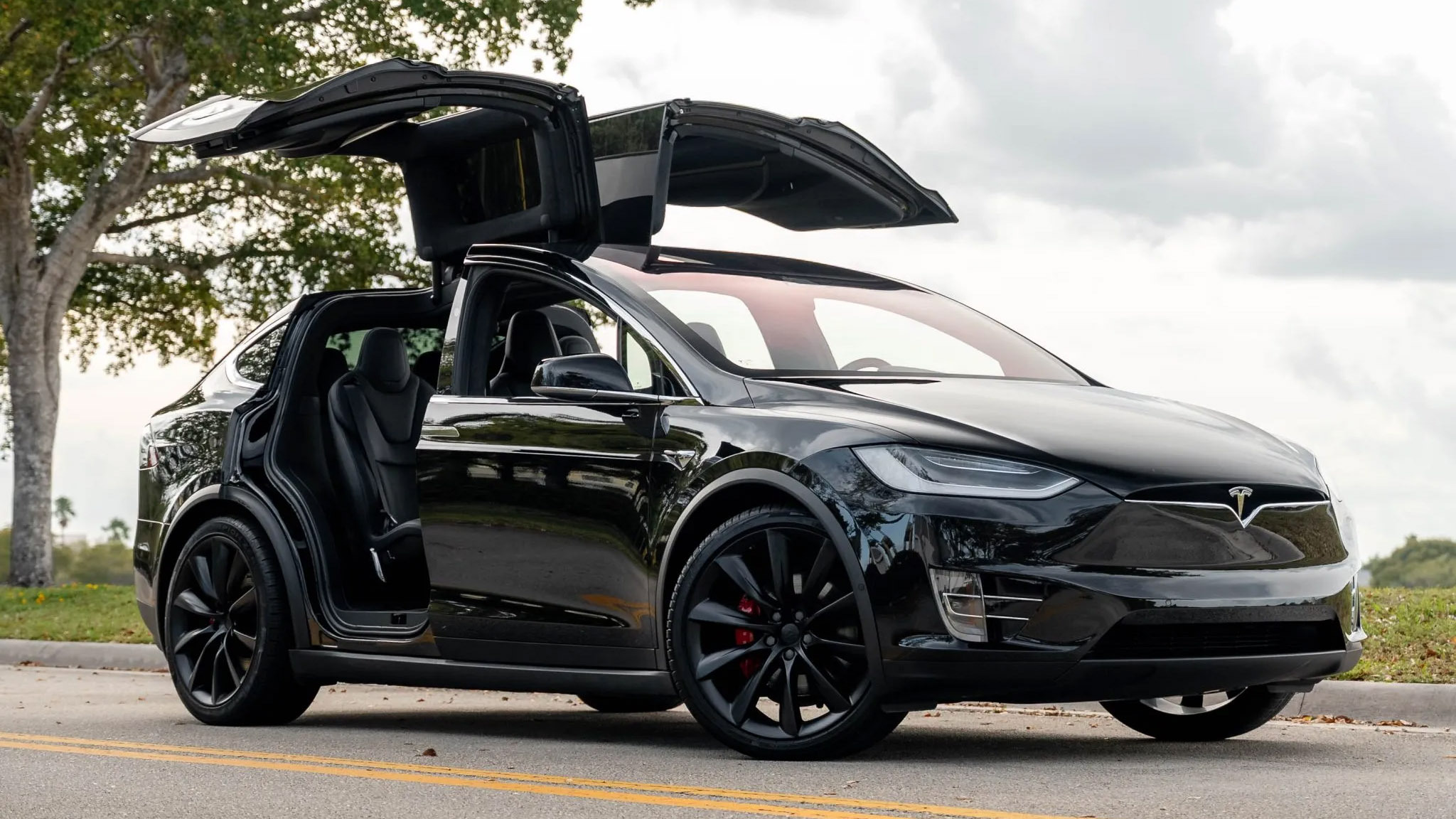
The Model S and X were never volume cars in Britain. Tesla deprioritised right-hand-drive production for years, so the UK parc is small, and a small parc has consequences when the model is discontinued. Fewer cars mean a thinner used market, fewer independent specialists who know them, and potentially longer waits or higher costs for parts that are not shared with the volume Model 3 and Y. Combine that with steeply falling new-car demand, where UK Tesla registrations have dropped sharply year on year, and you have a used car that can be hard to value, hard to insure competitively and, eventually, hard to sell. The competitive landscape is not helping either, with rivals gaining ground as our BYD overtakes Tesla piece sets out.
What the Tesla Model S and X data actually says
Be careful with the numbers, because some of the most dramatic figures circulating are single data points, not market truths. What is solid: Motors reported used Tesla values down around 22 percent on its index since February 2024, the Financial Times found UK used Tesla prices falling faster than other electric vehicles, and Auto Express and others have tracked the wider used-EV softening that hits low-volume models hardest. What we would not do is quote a precise “this model lost X percent in this window” headline as gospel; the direction is clear and steep, but the exact monthly figures vary by source and sample. This is a measured, sustained decline, not an overnight collapse, and that distinction matters for how you read any individual asking price.
Who should still consider one
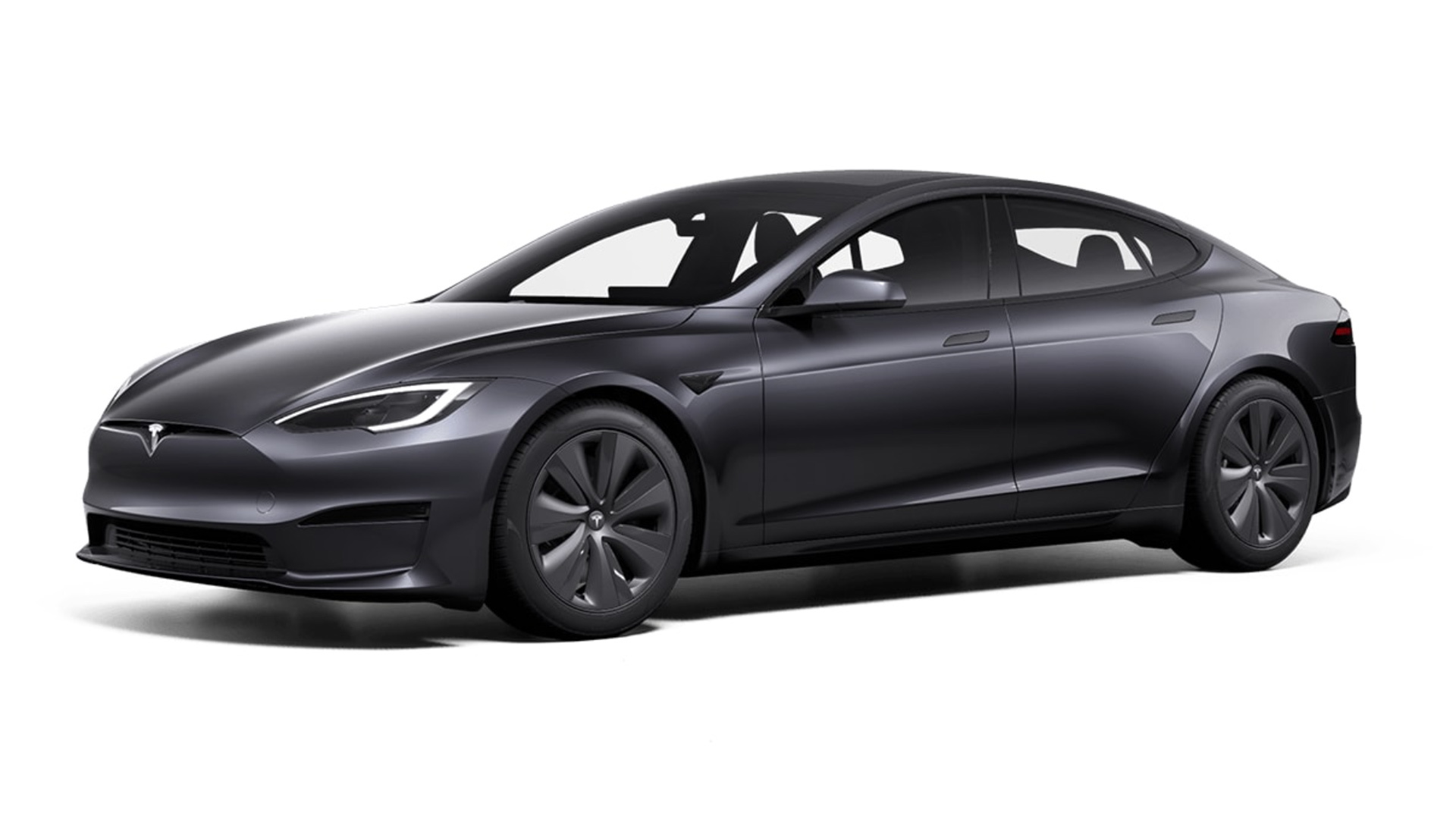
There is a buyer for whom a used S or X makes sense: someone who plans to keep the car for the long haul, values the performance and space, and is genuinely relaxed about resale because they are not planning to sell soon. If you will run it into the ground over many years, the depreciation that scares everyone else becomes your discount, and the driving experience is still special. The salary-sacrifice route can also reframe the maths for a company driver, as our Tesla Model S salary sacrifice piece explores, and there are cleaner residual stories among rivals like the used Audi e-tron GT if resale matters to you.
Carwow’s review of the Model X below is a useful reminder of what the car does well, even as the ownership case narrows.
Where to check before you buy
- Decide honestly whether you will keep the car long term; if you might sell within three years, look elsewhere.
- Research parts and servicing availability for an S or X in your area, not just the headline price.
- Get an insurance quote before committing; thin volumes can mean less competitive cover.
- Treat dramatic single-source depreciation figures with caution; look at several sources for the trend.
- Compare a Model 3, Model Y or rival with a deeper used market if resale value matters to you.
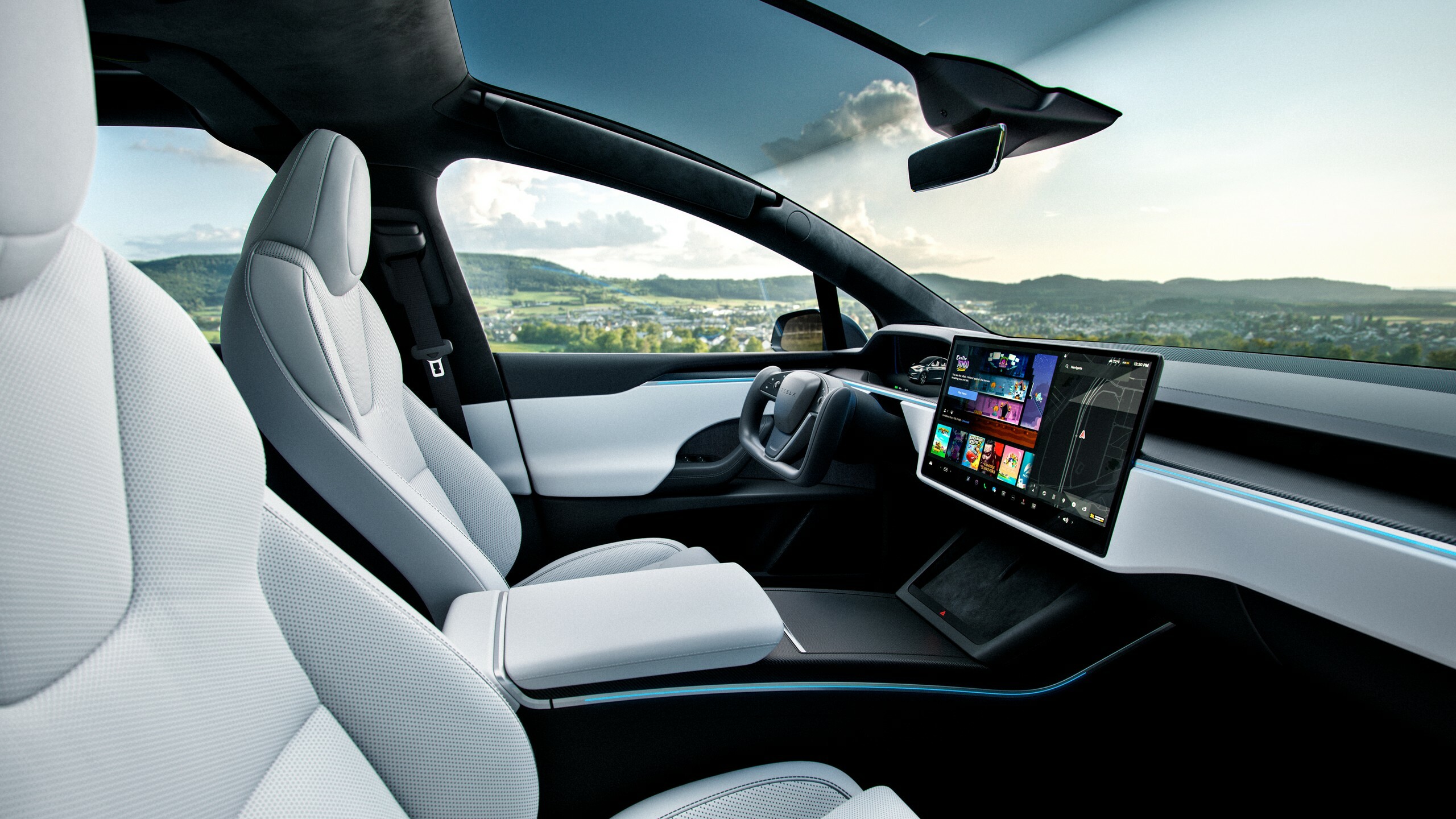
- Confirm software, connectivity and battery health, and the balance of any remaining warranty.
We would walk past a used Tesla Model S or X for most buyers, and we say that as admirers of the cars themselves. The combination of confirmed production wind-down, a thin right-hand-drive used market and a steady, faster-than-average value slide makes a three-year-old example a genuine residual risk, not the bargain it appears. The exception is the long-term keeper who does not care about resale and wants the performance and space for years to come; for them, the depreciation is the discount. Everyone else who wants a used Tesla should look at the Model 3 or Model Y, where the market is deep and the values are predictable. Buy the S or X with your eyes open, or not at all.
Are Tesla Model S and X being discontinued?
Do used Tesla Model S and X hold their value?
Should I buy a used Tesla Model S or X in 2026?
What are the risks of an orphaned Tesla model?
Is the value drop an overnight collapse?
MCDE Editorial