News · 14 Jun 2026 · Michael Harrison
The best pre-reg car deals of the year tend to surface in the fortnight either side of 30 June, when franchised dealers chase quarter-end manufacturer targets and quietly self-register stock they then need to move. With May 2026 the strongest May for new-car sales since 2019, there is a lot of metal in the system and real leverage for a buyer who knows the timing. This guide explains how the discount is created, what a pre-registered car actually costs you in warranty and ownership terms, and the negotiation moves that work at quarter-end.
What the May 2026 registration data shows
CDE read the SMMT May 2026 new-car registration release and the carwow and Car Dealer market reporting that followed it on 4 June 2026, alongside the Auto Trader Retail Price Index for the same month.
- Volume is high: 160,662 new cars registered in May 2026, up 7.1 per cent year on year and the best May since 2019, per the SMMT registration data.
- Where the stock sits: fleet registrations made up 57.1 per cent of the market, with private demand up 17.2 per cent, the classic conditions for self-registration into the dealer network.
- What it means for you: indicative pre-reg discounts run from roughly 5 to 30 per cent off list, deepest on slow-selling derivatives and at quarter-end.
Why quarter-end is when pre-reg car deals appear
Manufacturers set their franchised dealers volume targets, and those targets are measured against the calendar quarter. The quarter that matters now closes on 30 June. A dealer that is a handful of cars short of a bonus threshold has a simple, profitable move: register some unsold new cars to itself, bank the manufacturer bonus, and sell those cars on shortly afterwards as nearly new. That is a pre-registered car, and it is why the richest pre-reg stock tends to land in the days after a quarter closes rather than before it.
The same pattern repeats at the end of March, September and December, but June is the one most buyers ignore because the registration plate does not change. That is the opportunity. A dealer sitting on a self-registered car in early July is paying to keep it on the forecourt and is exposed to the next plate change, so the motivation to discount is real. Our read of the May 2026 SMMT figures shows exactly the heavy fleet activity that feeds this stock.
What a pre-registered car really is, and what it costs you
Be clear on one point before you get excited about the saving: a pre-reg car is not brand new. It has already been registered once, so the V5C logbook will show one previous keeper, the selling dealer or its finance arm. You will be the second registered keeper, which matters when you come to sell. More importantly, the manufacturer warranty clock starts at the original registration date, not the day you collect the car. Buy a car that was pre-registered three months ago on a three-year warranty and you have roughly two years and nine months of cover left, not the full term.
None of this makes a pre-reg car a bad buy. It makes it a discounted nearly-new car that you should price as such. If the saving against a factory-order example is 12 to 18 per cent and you lose three months of warranty and gain a former keeper on the logbook, that is usually a good trade. If the saving is only 4 or 5 per cent, you are paying close to new money for a car that will value as used, and you would often be better ordering exactly the specification you want. The discipline is to compare the pre-reg price against the genuine transaction price of a new one, not the list price.
How big a discount to expect
There is no single pre-reg discount, because the figure depends on how desperate the dealer is and how slow the derivative is to sell. As a working frame, the table below sets out the indicative bands the UK market reports, rather than per-model quotes, which move weekly and should never be taken on trust from an advert.
| Car type | Typical pre-reg saving vs list | Why |
|---|---|---|
| Fast-selling SUV or hybrid | 5 to 12 per cent | Strong demand, dealer holds the line |
| Mainstream hatch or saloon | 10 to 20 per cent | Plenty of stock, quarter-end pressure |
| Slow derivative or run-out model | up to 30 per cent | Dealer wants it gone before the plate change |
The lesson is to shop the derivative, not just the badge. A popular trim in a popular colour rarely gets pre-registered in volume; the cars that pile up are the ones nobody special-ordered. If you are flexible on colour and trim, the deepest savings are open to you. If you have your heart set on one exact specification, accept that the discount will be shallower and weigh that against a factory order through a broker.
The models most likely to be pre-reg bargains right now
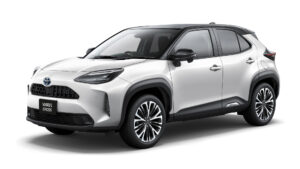
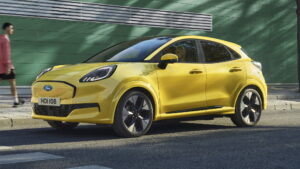
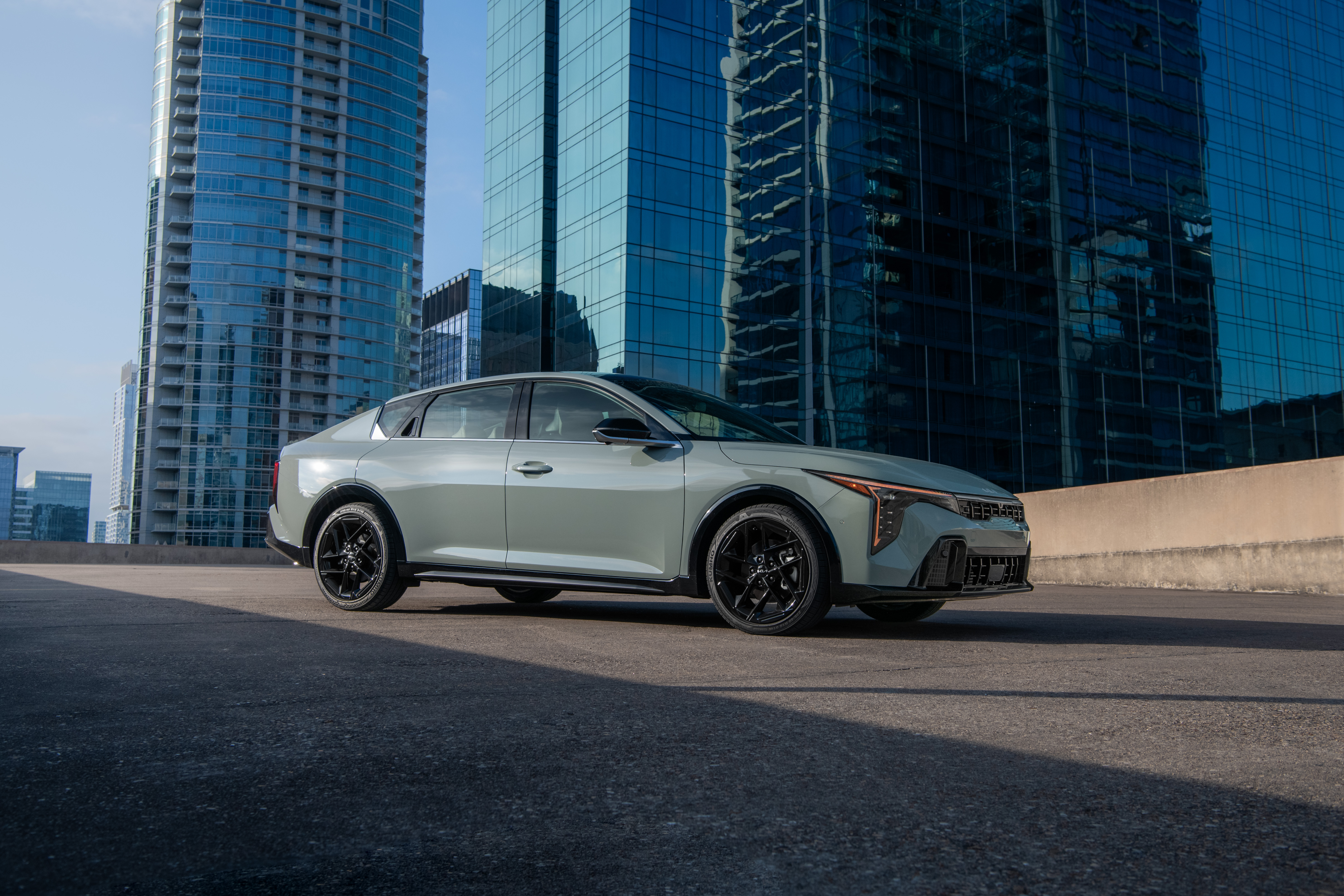
The cars that turn up most often as pre-reg stock are the high-volume mainstream models that dealers register in batches to hit targets: the popular superminis, family hatchbacks and compact crossovers that fill the registration figures. Think along the lines of a Ford Puma, a Vauxhall Corsa, a Nissan Qashqai, a Kia Sportage or a Volkswagen Golf, the kind of cars that move in the tens of thousands and therefore get self-registered when a target is close.
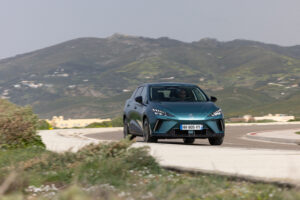
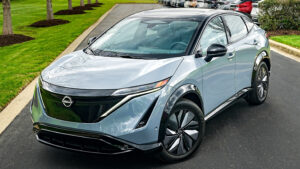
EVs are a separate and increasingly fertile hunting ground. With discounting heavy across the electric market in 2026, pre-reg electric stock can carry some of the steepest savings of all, though you then inherit the used-EV value question. If you are looking at electric, our note on why used electric Vauxhalls now look like bargains and the wider Nissan Ariya depreciation picture are worth reading before you commit, because a cheap pre-reg EV that then drops hard is a false economy.
A quarter-end negotiation script that works
Walk in informed and unhurried. Before you speak to a salesperson, get the genuine new-car transaction price for the exact model from a broker or an online new-car platform, and get a firm part-exchange figure from We Buy Any Car or Motorway so the dealer cannot move the goalposts on your old car. Now you have two anchors: what a brand-new one really sells for, and what your trade-in is independently worth.
Then keep it simple. Ask what their best drive-away price is on the pre-reg car, total, on the road, including any first registration fee and a full tank or charge. Do not negotiate monthly payments; negotiate the cash price and only then discuss finance, because a salesperson can hide a weak discount inside a clever monthly figure. If you are paying cash or arranging your own finance, say so late, not early, since manufacturer finance often unlocks a deposit contribution that you can pocket. And be willing to leave a number on the table and walk: at quarter-end, a dealer chasing a target will often call you back.
Three checks before you sign
First, confirm the delivery mileage. A genuine pre-reg car should have delivery miles only, often under 100, sometimes a few hundred if it has been a demonstrator. Anything in the thousands is a used car wearing a nearly-new label, and the price should reflect that. Second, pin down the warranty start date in writing and work out exactly how much cover remains; the salesperson will quote the headline term, but the clock has been running since first registration. Third, run the car through the free government tools: check the MOT history if it is old enough to have one, and always run the registration through the DVSA recall checker so you know any outstanding safety work is closed off before you collect.
Where finance helps, and where it stings
Finance is where a strong pre-reg deal can quietly unravel. Manufacturer-backed PCP often comes with a deposit contribution worth several hundred to a few thousand pounds, which is genuine free money and a reason to take the dealer finance even if you clear it early. But check the representative APR, the deposit and the optional final payment together, not the monthly figure in isolation. A low monthly number stretched over four years with a high balloon can cost you more than a slightly higher monthly on a shorter term. Ask the salesperson to show you the total amount payable, not just the monthly, and compare that against the cash price plus any interest on your own financing. If the dealer finance only looks cheap because the term is longer, it is not cheaper. If you are weighing the structures, our explainer on the Q2 finance contributions on a VW Tiguan shows how the deposit support actually works, and the negative-equity trap on PCP is the one to understand before you sign anything.
One more thing worth knowing in 2026: the FCA motor-finance commission story is still live, and if you have had car finance in the past you may be owed redress. That is separate from buying a pre-reg car today, but it is money some buyers can put towards a deposit. The free, official route to understand it is MoneyHelper, and our guide on whether to claim now or wait sets out the timing.
Our take
Pre-reg car deals are one of the few genuinely reliable ways to take a meaningful chunk off the price of a near-new car, and the fortnight after 30 June 2026 is the sharpest window of the year to find them. We would treat a pre-reg buy as a strong move when the saving against the real new-car transaction price is 12 per cent or more, the delivery mileage is genuinely a handful of miles, and you are relaxed about colour and trim. We would walk away when the discount is only 4 or 5 per cent, when the car has clearly been a high-mileage demonstrator, or when the saving evaporates inside a stretched finance deal you did not need. Get your part-exchange valued independently, anchor on the cash price, run the recall check, and be ready to leave. Do that, and quarter-end is squarely on your side.
Are pre-reg car deals actually cheaper than ordering new?
Does the warranty on a pre-registered car start when I buy it?
When is the best time to buy a pre-reg car in 2026?
How many miles should a genuine pre-reg car have?
Can I haggle on a pre-registered car?
Buyer action
Where to check next
Use this as the final check before paying a deposit, signing finance paperwork or relying on a headline monthly figure.