UPDATED · News · 31 May 2026 · Michael Harrison
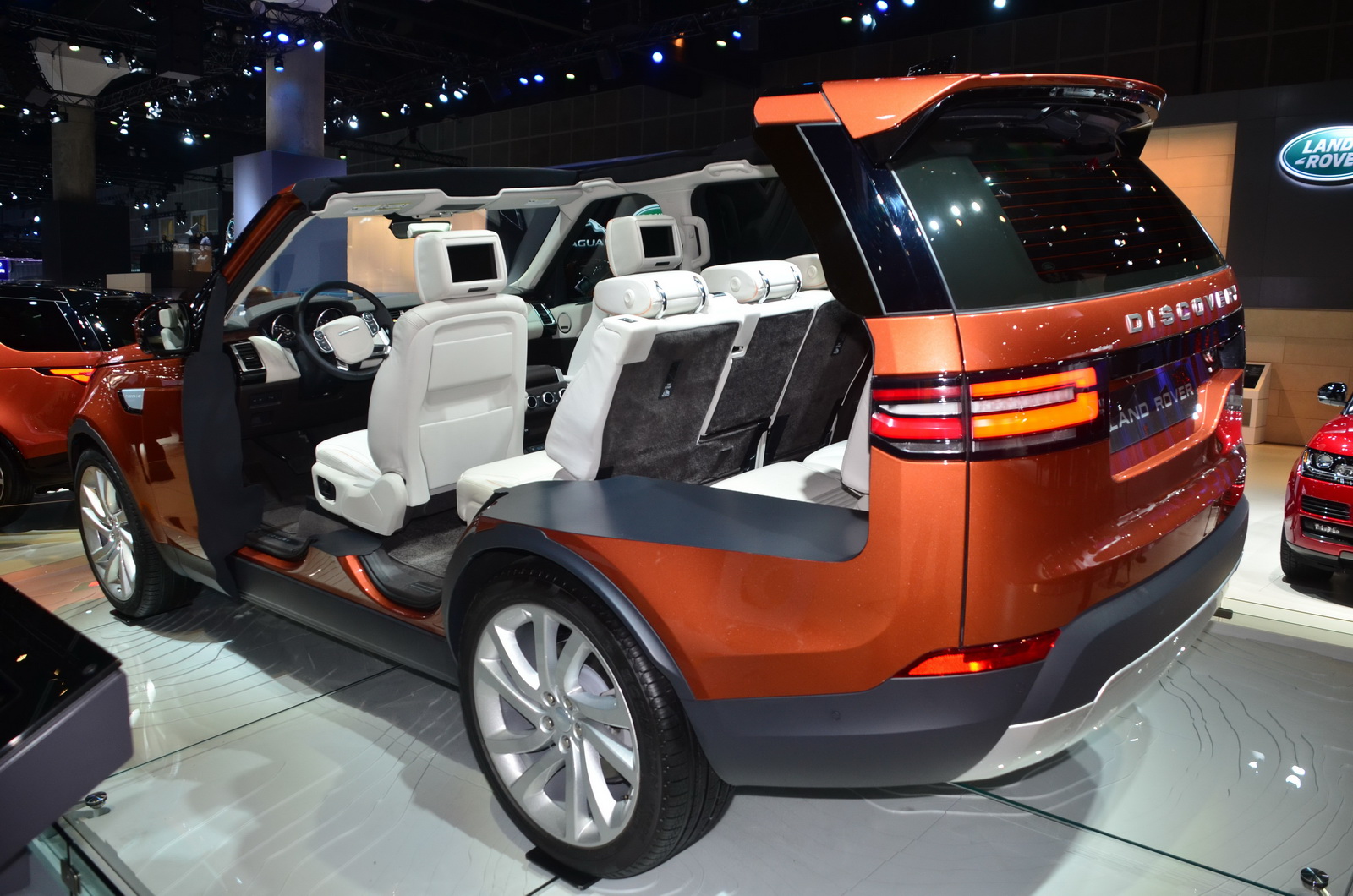
Land Rover Discovery reliability is back in the headlines for the wrong reasons: the big Solihull SUV has finished bottom of the 2026 Warrantywise Used Vehicle Reliability Index with a score of just 17.2 out of 100, making it the least reliable used car in the study. Four more premium SUVs sit in the bottom ten alongside it. Here is what the data actually says, how large the repair bills get, and why none of it means you should automatically walk away from a used Discovery or Range Rover, provided you buy with your eyes open.
What the Warrantywise 2026 index actually measured
The 2026 Used Vehicle Reliability Index from Warrantywise is built from roughly 1.6 million claim data points drawn from cars aged three to 15 years on its books, scoring each model out of 100 on the frequency of repair requests, average labour costs, and the typical age and mileage when work is needed. It is real-world warranty-claim data rather than an owner-opinion survey, which is why premium SUVs, with their expensive parts and complex electronics, cluster at the wrong end.
- Bottom of the table: Land Rover Discovery, 17.2/100, the lowest score in the index.
- Also in the bottom ten: Range Rover Velar, Range Rover Sport, Discovery Sport and Defender 110.
- Top of the table: Toyota Yaris, 89.2/100, with the Kia Picanto and Toyota Aygo close behind.
Why the Land Rover Discovery finished bottom
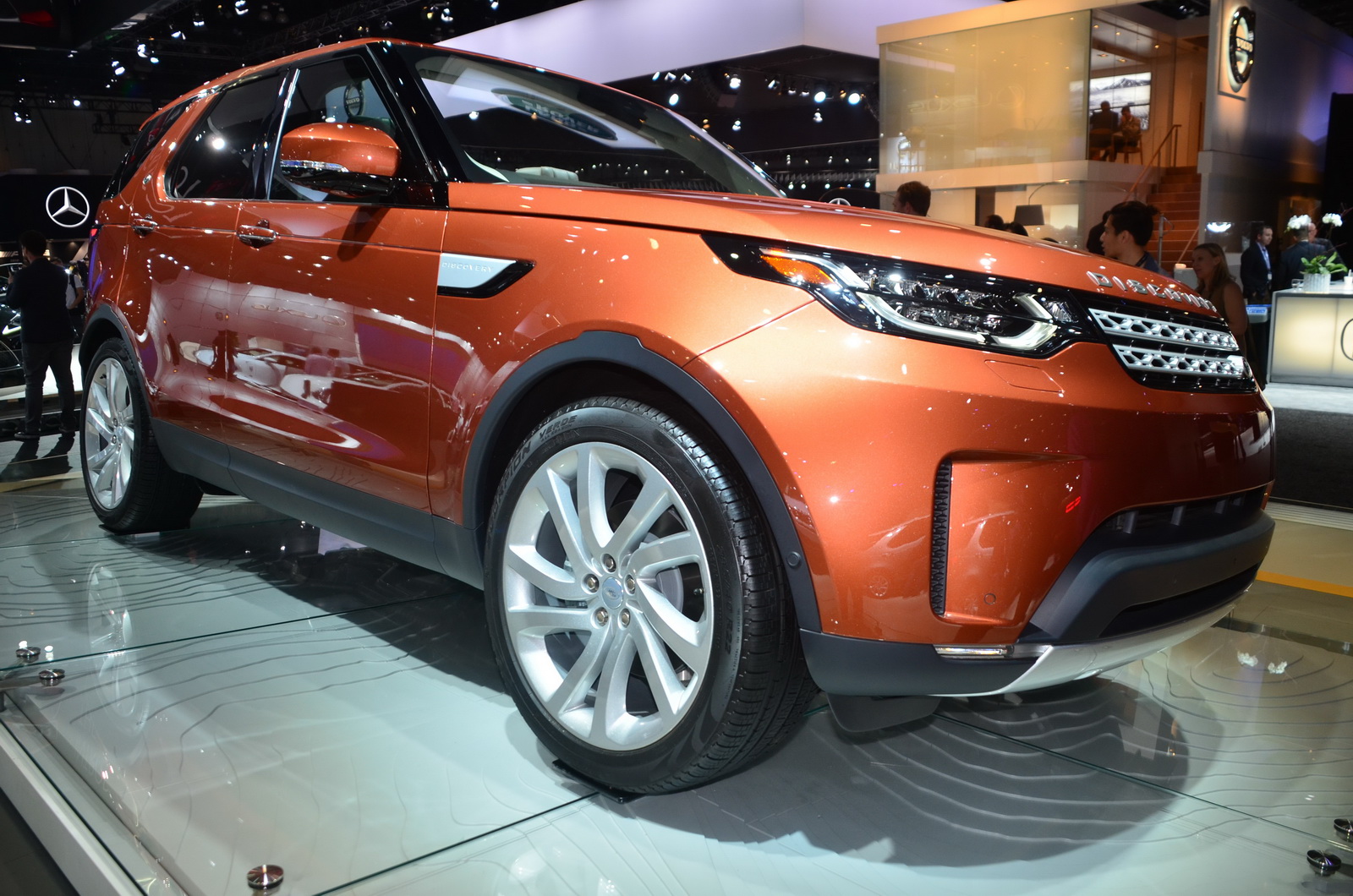
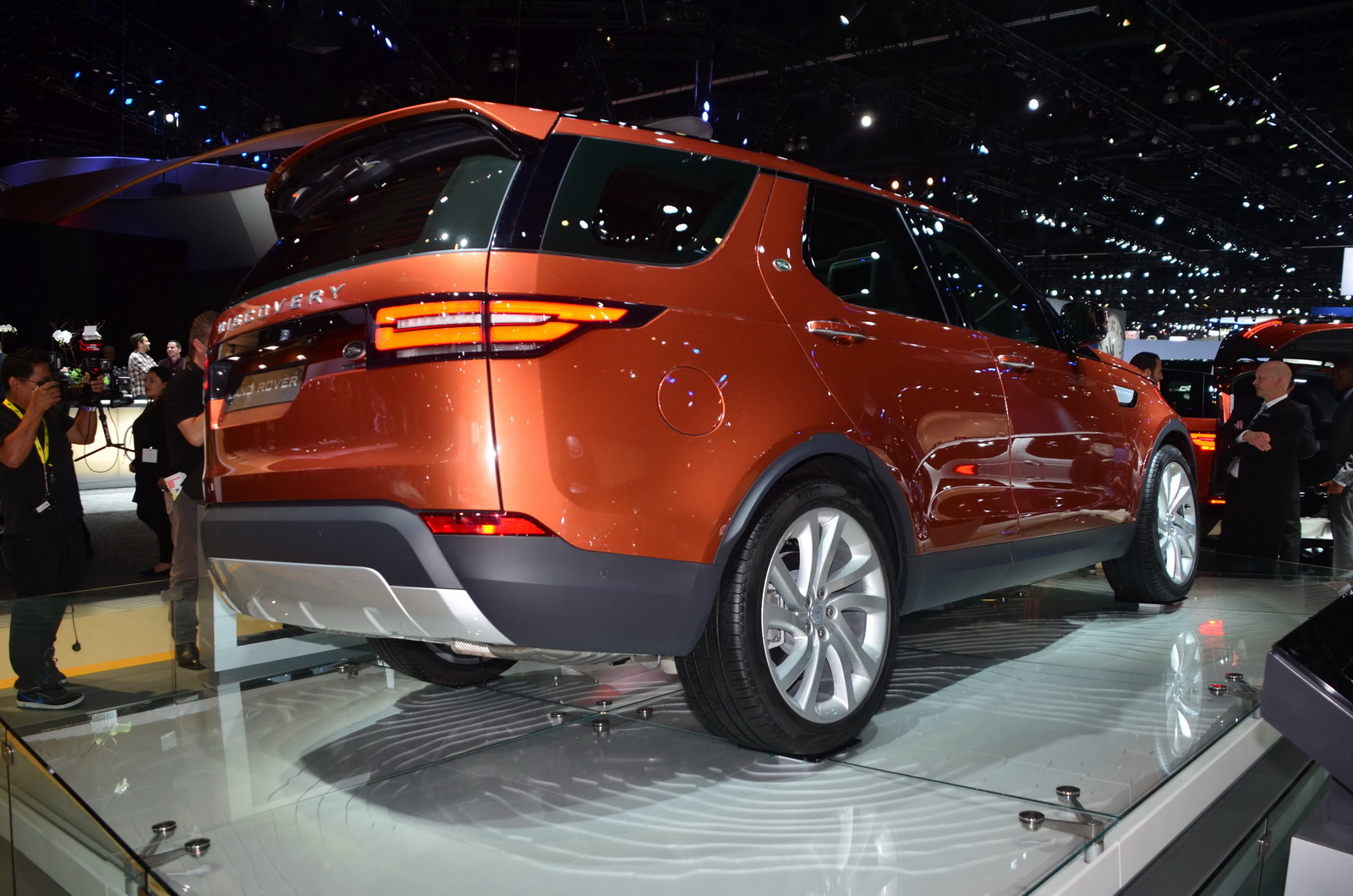
The fifth-generation Discovery is a hugely capable, comfortable seven-seater, but it is also a complex one: air suspension, advanced four-wheel-drive hardware, big infotainment systems and the kind of electronics that get more temperamental with age and mileage. When those components fail outside warranty, the parts and labour are premium-priced, which is exactly what a claim-based index like this one punishes. A low score does not mean every Discovery is a disaster, it means the average out-of-warranty repair is more frequent and more expensive than on a mainstream car.
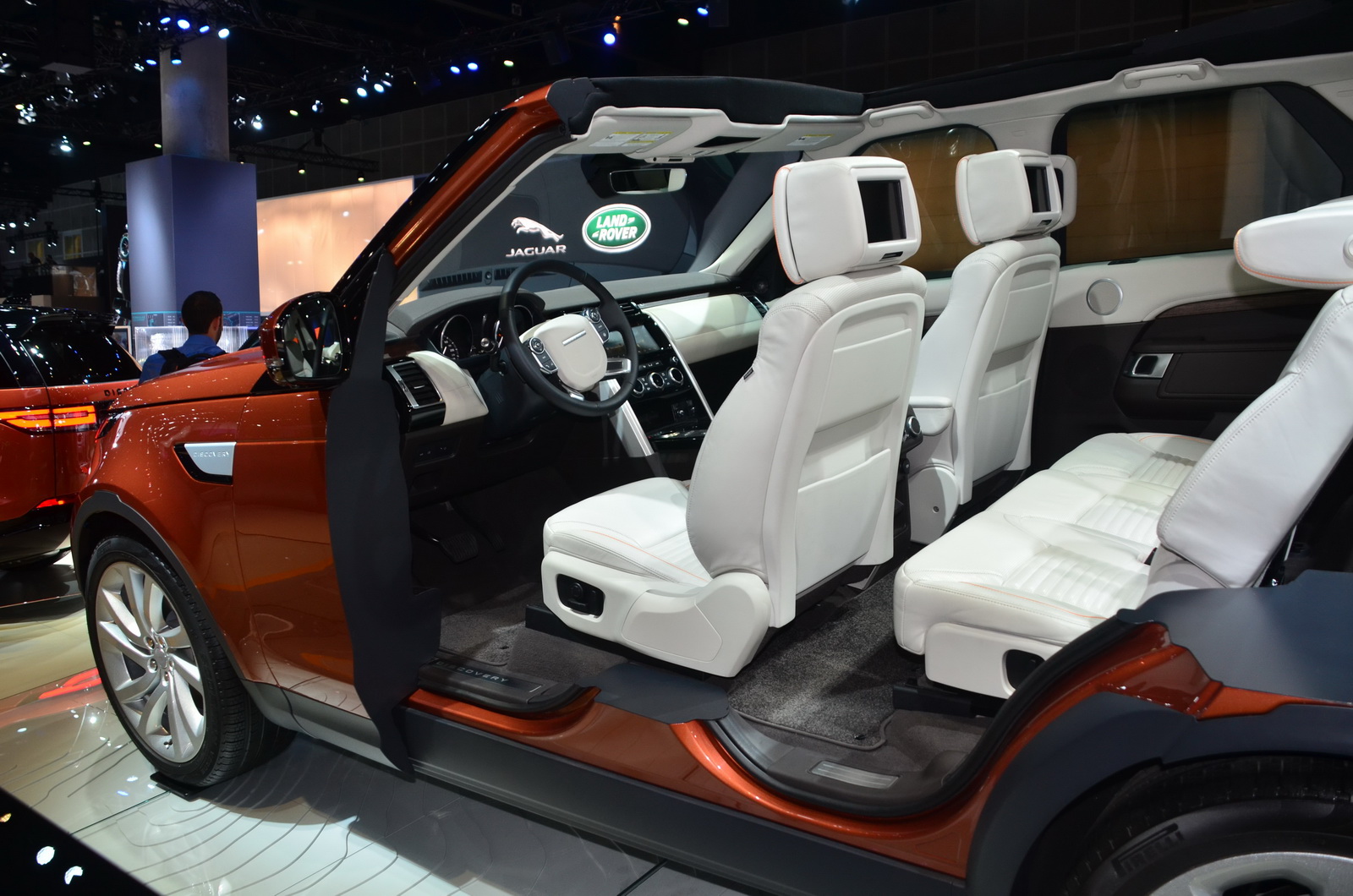
This is the consumer-protection point we keep making on CDE: the badge and the showroom experience tell you nothing about the cost of year five and beyond. A used Discovery bought on a thin history, with no evidence its air suspension and electronics are healthy, is a genuine financial risk. One bought from a careful owner with a full record and a sensible warranty is a different proposition.
The other premium SUVs in the 2026 bottom ten
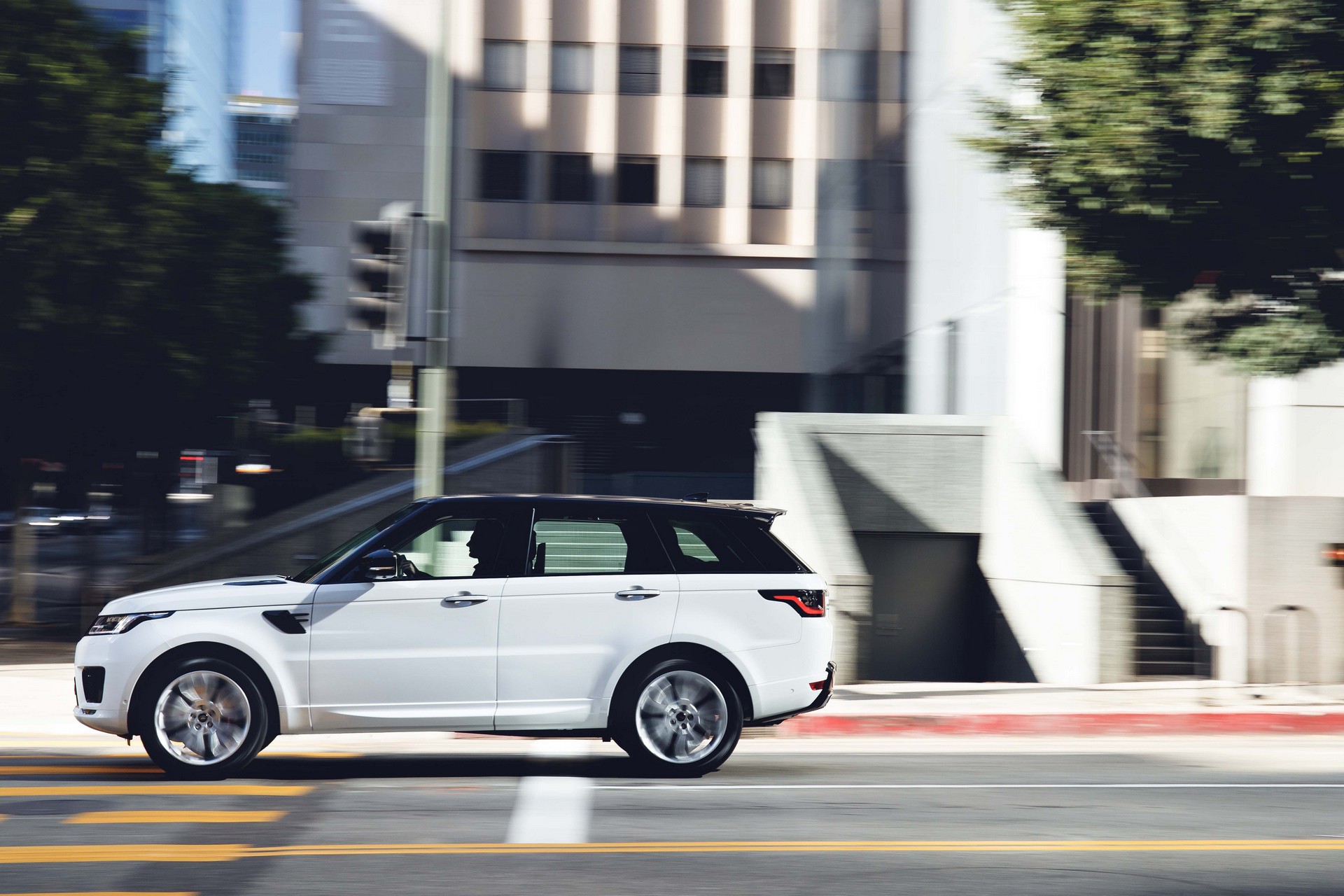
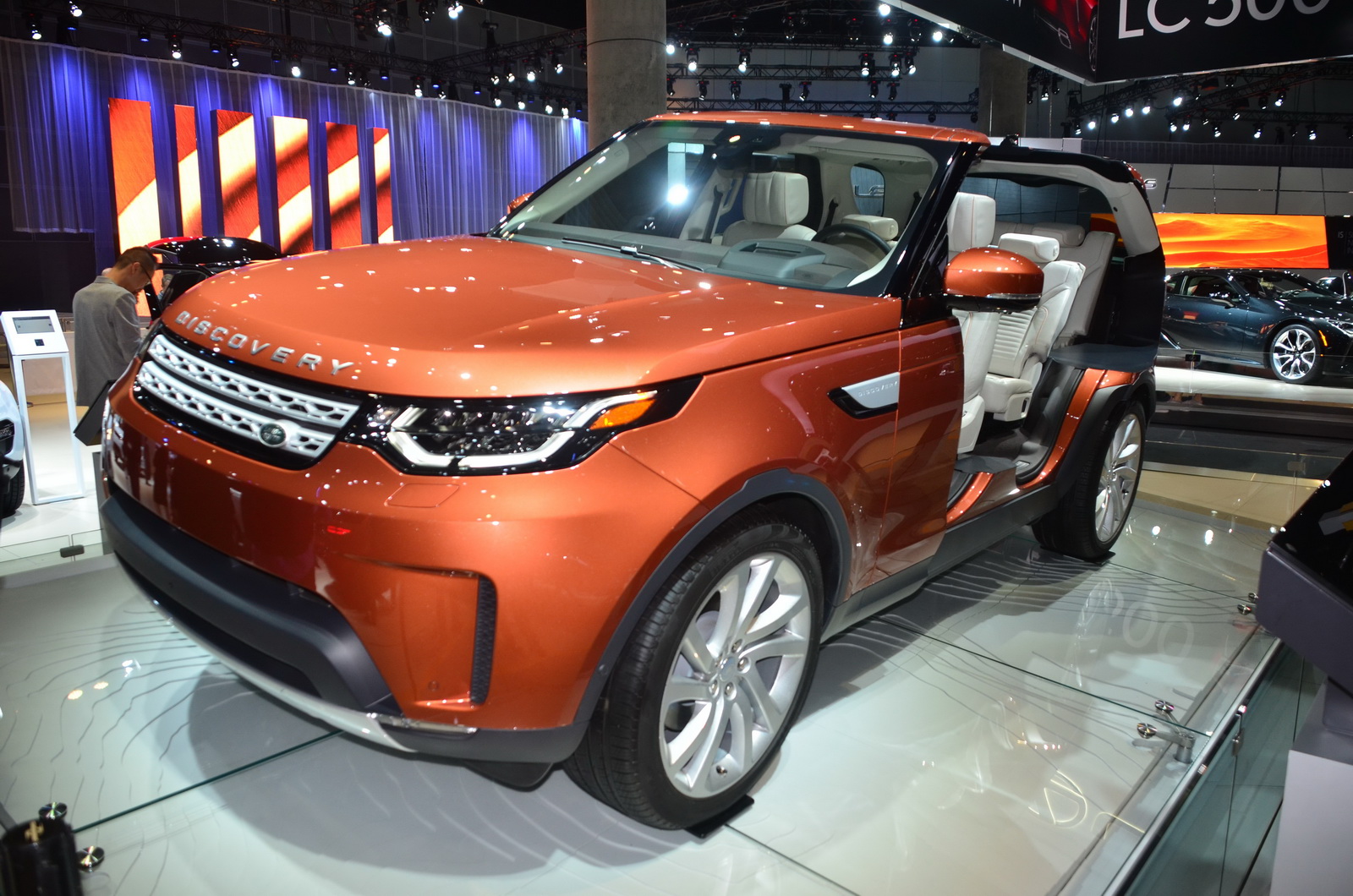
The Discovery is not alone. The Range Rover Velar, the Range Rover Sport, the Discovery Sport and the Defender 110 all feature in the bottom ten of the same index. That clustering tells you the issue is structural to big, technology-dense premium SUVs as they age, not unique to one model. Warrantywise managing director Antony Diggins made the point directly.
As the UK car parc continues to age, more vehicles, particularly SUVs and premium models, are moving into a stage of ownership where repair requests become more likely.
Antony Diggins, Managing Director, Warrantywise, in the 2026 Used Vehicle Reliability Index (reported by Honest John)
How big the repair bills really get
The numbers behind the scores are the part worth dwelling on. Across the least reliable models in the study, the average warranty claim came in at over £2,000, and the single highest claim recorded was a remarkable £44,401.48 on a Discovery Sport. That is not a typical repair, but it shows the ceiling when a major drivetrain or electrical failure lands on an out-of-warranty premium SUV. For a used buyer, the lesson is to budget for a meaningful repair fund or transfer that risk to a warranty, rather than assume nothing will go wrong.
| 2026 Warrantywise Index | Score /100 |
|---|---|
| Land Rover Discovery (least reliable) | 17.2 |
| Toyota Yaris (most reliable) | 89.2 |
| Average claim, least reliable models | over £2,000 |
| Highest single claim (Discovery Sport) | £44,401.48 |
What this means if you still want a used Discovery or Range Rover
Our view is straightforward: a poor reliability index score is a reason to buy carefully, not a reason never to buy. These remain among the most capable and desirable SUVs on the road, and depreciation means a used one can look like enormous value on paper. The trick is to price in the risk. Insist on a full main-dealer or specialist history, evidence that the air suspension and electronics are working, and either a manufacturer-approved used warranty or a strong aftermarket policy. Our comparison of used Range Rover and Discovery warranty cover from Warranty Direct, MotorEasy and ALA is the obvious next read, and anyone financing one should check our GAP insurance guide too.
The reliable end of the table, and why it matters
At the other end of the index, small Japanese and Korean cars dominate: the Toyota Yaris on 89.2, with the Kia Picanto and Toyota Aygo behind it. They are a world away from a premium SUV in price and purpose, but they illustrate the trade-off plainly. The more technology, weight and complexity you buy, the higher the running-cost risk as the car ages. A premium SUV can absolutely be worth that trade, you just have to go in knowing the bill profile and protecting yourself against it.
For a sense of what the current Discovery is like to live with before you weigh a used one, this independent UK review is a useful watch.
How to buy a premium SUV without getting burned
If a used Discovery, Velar or Range Rover Sport is still on your shortlist, do this first:
- Demand a full main-dealer or specialist service history, with bills, not just stamps.
- Check the air suspension sits level after standing overnight and listen for a labouring compressor.
- Work every screen, camera and driver-assist system for faults during the test drive.
- Run the registration through the free DVSA recall check on gov.uk and confirm completed work.
- Budget a repair fund, or buy a manufacturer-approved or strong aftermarket warranty, before you sign.
- Read our Discovery Sport used guide for the model-specific fault list before viewing.
The 2026 Warrantywise data is a useful reality check, not a buying veto. Land Rover Discovery reliability sitting at the bottom of the index confirms what experienced premium buyers already know: these are wonderful cars to own when someone else is paying the bills, and a financial trap when they are not. We would still happily recommend a used Discovery or Range Rover to the right buyer, the one who treats the purchase price as the start of the budget, insists on cast-iron history, and either self-insures with a repair fund or buys proper warranty cover. Approached that way, depreciation works in your favour. Approached as a cheap way into a £70,000 SUV, the same car will empty your account. Buy the history, not the badge.
Is the Land Rover Discovery really the most unreliable used car?
Which other premium SUVs scored badly?
How much do repairs cost on these cars?
Should I avoid buying a used Land Rover?
What was the most reliable car in the 2026 index?
Related reading on CDE
Buyer action
Where to check next
Use this as the final check before paying a deposit, signing finance paperwork or relying on a headline monthly figure.