News · 8 May 2018 · Car Deal Expert Editorial Team
Originally published 2018-05-08T10:14:11+00:00. This article is part of the CarDealExpert historical archive — see our latest UK car-finance, insurance and used-car coverage in the menu above.

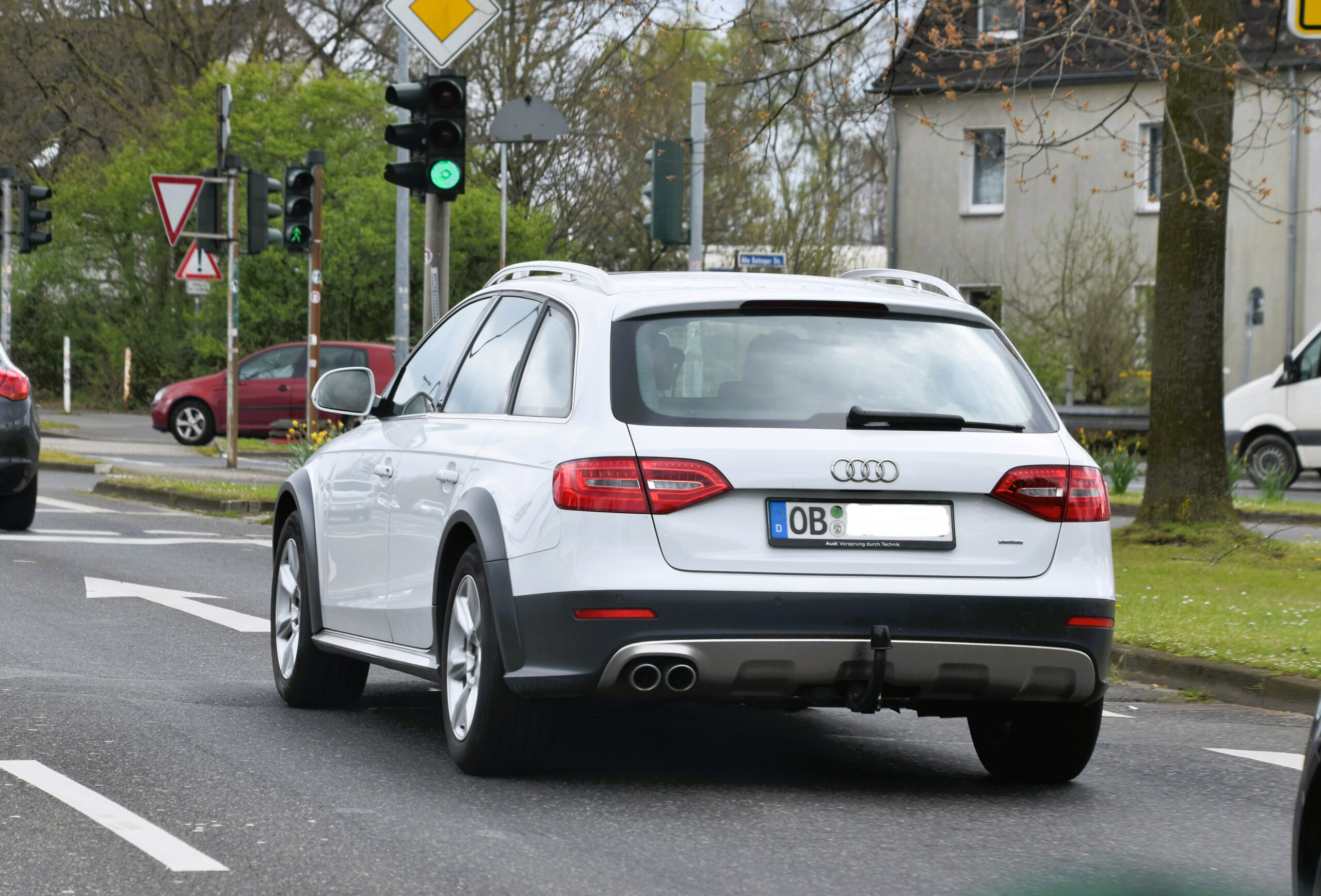
Learn how to tow a trailer safely. (Photo Credit: CC BY/Little island/Flickr)
If towing a trailer is part of your summer driving regimen, the details are important if you want to keep your vehicle and trailer stable, particularly on winding roads and hills. Here’s how to tow a trailer, horse trailer or similar gear conveyance.
Start with the right equipment
You’re going to need the right hitch. But which one will you need? A glance at your vehicle’s owner’s manual will determine how much weight it is designed to tow. But you’ll also need to know the gross trailer weight (GTW) – contents included – and maximum tongue weight. Find out, then pick the weight class for your hitch. If in doubt, err on the side of more hitch than you need:
Class 1: 2,000 pounds GTW/200 pounds tongue weight
Class 2: 3,500 pounds GTW/350 pounds tongue weight
Class 3: 5,000 pounds GTW/500 pounds tongue weight
Class 4: 7,500 pounds GTW/750 pounds tongue weight
Class 5: 10,000 pounds GTW/1,000 pounds tongue weight
You’ll also need a hitch ball. In general, the larger the ball, the more weight it can support. If you own two or more trailers of different sizes, have a separate drawbar for each and attach the balls permanently. But if you find yourself wanting to remove the ball later, the installation process will require several hundred foot-pounds of torque and threadlocker compound to keep the threads from freezing up if moisture works its way between the ball and drawbar.
Hook up chains in an X-configuration in case the tongue and ball become separated. Check the plug-and-socket wiring to make sure they’re protected from corrosion by dielectric grease. You won’t want the trailer’s electric brakes and brake lights to fail, so make sure to test the brake battery with a voltmeter, too.
Set the tongue weight at about 10 percent of the trailer’s total weight, and don’t be afraid to use an equalizer hitch to transfer some of the tongue weight to the vehicle’s front axle in the event that there’s too much pressure on the hitch. Popular Mechanics suggests consulting a trailer expert on equalizer bar stiffness, but generally, it should elevate the hitch to within an inch of its unladen ride height.
Setting hitch height
You want the loaded trailer level to the ground when attached to your vehicle. To figure this, get the height of the trailer’s tongue while the trailer is level by using a carpenter’s level, measuring from the ground to the top of the ball socket. Then measure from the ground to the top of the hitch receiver and add three inches to compensate for the height of the ball. If necessary, have an adjustable drawbar handy, as adjustments are common and changing out equipment can be a hassle.
Inflate the tires and make the hookup
Before hitting the road, make sure the trailer tires are inflated to the maximum level recommended while cold so that the tires and wheel bearings won’t overheat under a heavy load on a hot day. Finally, check the trailer lights and signals before hitting the road. Come back tomorrow for a discussion of how to drive with the trailer in tow.
How to drive with a horse trailer
From the current CDE newsroom
 Vauxhall and Opel recall UK 2026: the affected models explainedForty-four thousand UK cars, a free 30-minute fix, and a fault that gets more dangerous in the rain — that is ...
 Vauxhall and Opel recall UK 2026: the affected models explainedSeven hundred thousand cars worldwide, 44,000 of them on UK driveways, all sharing the same small petrol engin...
 Honda Civic recall: 46,152 UK cars checked over loose wheelsHonda is recalling 46,152 UK Civic 5 Door cars from 2017 to 2021 over wheel nuts that can work loose. Here is ...
Buyer action
Where to check next
Use this as the final check before paying a deposit, signing finance paperwork or relying on a headline monthly figure.