Car Deal ExpertIndependent UK car-buying guidance: premium used cars, finance, salary-sacrifice EVs, insurance, recalls and consumer protection since 2008.
An FCA car finance claim does not die with the showroom that sold you the deal. If the dealer or broker behind your old PCP or hire purchase agreement has shut down, gone into administration or simply disappeared, the duty to put things right sits with the finance provider that lent you the money, not the trader who arranged it. That single fact is the reason a collapsed dealer such as Cazoo, or any defunct independent forecourt, should not stop you getting any compensation you are owed.
What real owners say (CDE data)
For this piece we reviewed the FCA’s published car finance complaints guidance, the Financial Ombudsman Service’s published decisions on motor finance, and MoneyHelper and Citizens Advice consumer guidance, alongside MoneySavingExpert’s running coverage of the redress scheme (checked June 2026). The recurring theme across owner questions is fear that a vanished dealer has killed the claim; the guidance is consistent that it has not.
Biggest worry we see: “My dealer went bust, so there is no one left to claim from.” This is the most common misconception, and it is wrong; the lender carries the liability.
Second worry: “I cannot remember who lent me the money, only the garage name.” Solvable in minutes from old paperwork, bank statements or a credit report.
Ombudsman signal: the Financial Ombudsman Service has been upholding a large share of commission-related motor finance complaints, which is part of why the FCA moved to an industry-wide scheme rather than case-by-case fights.
Why a bust dealer does not end an FCA car finance claim
The dealer or broker was the intermediary. They introduced you to a lender and, in many cases, set or influenced the interest rate through a discretionary commission arrangement you were never told about. But the regulated credit agreement, the contract that actually governs the money, is between you and the finance provider. When the law firm Bott and Co and consumer bodies describe where responsibility lands, the answer is the same: the lender that paid the commission and held the agreement is the firm on the hook for redress, not the showroom that has since closed its doors.
That is good news for anyone who bought through a forecourt that no longer exists. The high-profile collapse of the online used-car retailer Cazoo, and the steady churn of smaller independent dealers, left thousands of drivers assuming their paperwork was now worthless. It is not. The finance behind those cars was provided by lenders that are still very much trading, and it is those lenders the redress scheme targets. If you are still working out the mechanics of the wider scheme, our explainer on the FCA PS26/3 motor finance redress scheme walks through eligibility and timing in detail.
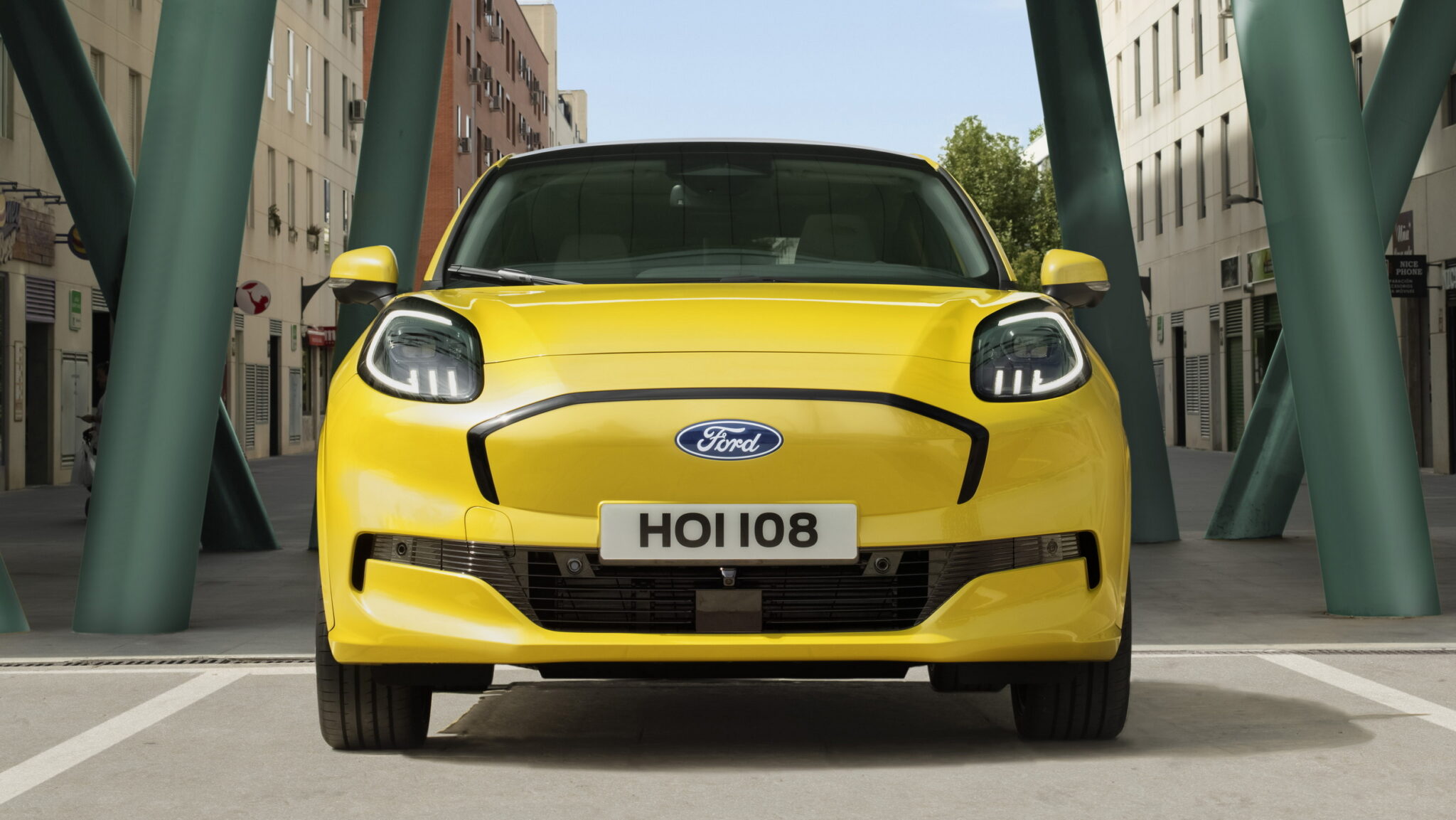
Image: Ford
Who actually lent you the money
Here is the part that trips people up. You remember the garage; you do not remember the lender. In practice the finance arm is usually one of a familiar handful: Black Horse (part of Lloyds Banking Group, and the UK’s largest motor finance lender), MotoNovo, Santander Consumer, Close Brothers, or a manufacturer captive such as Ford Credit, BMW Financial Services or Volkswagen Financial Services. The dealer was the face of the deal; one of these names was the money behind it.
The distinction between a captive lender and an independent one matters for the detail of a complaint, even if it does not change who pays. A clearly branded captive such as BMW Financial Services or Ford Credit operating at the matching franchise can sit differently on the contractual-tie point than a third-party broker shopping your deal around several lenders. Either way, the firm to complain to is the lender named on your agreement, and the test of whether you were treated fairly turns on what you were, or were not, told about commission. The same transparency principles now shape how lenders quote a representative APR on new car finance, which is worth understanding before you sign your next deal.
Three ways to find your lender from old paperwork
If the dealer is gone and your memory is hazy, Citizens Advice sets out three reliable routes to identify the finance provider. First, dig out the original credit agreement or any welcome letter; the lender’s name and an agreement number are printed on it. Second, scroll back through old bank statements for the monthly direct debit, which carries the lender’s name even if you have forgotten it. Third, and most useful if the rest is lost, pull your statutory credit report.
Image: BMW Group
A credit report from Experian, Equifax or TransUnion lists every credit agreement that was live or recently closed, with the lender named and the dates attached. For agreements where you were still making payments after 2019, Citizens Advice notes the record should still be visible there. The free statutory report is enough; you do not need a paid subscription to read off who lent you the money. Once you have the name, a quick search of the FCA Financial Services Register gives you the firm’s current contact details, even where it has merged or rebranded since you signed.
It is the lenders, not the dealers, footing the bill
The scale of the payout tells you exactly where the money is coming from. The FCA’s confirmed redress scheme is expected to pay out roughly £7.5 billion, with the total industry cost, including running the scheme, landing near £9.1 billion. None of that lands on closed dealers. Analysis reported by the Guardian and the trade press, drawing on RBC Capital Markets estimates, puts around £3.8 billion, about 42 per cent of the bill, on the motor finance divisions of the carmakers themselves, with the rest carried by big bank-owned lenders such as Lloyds, Santander and Barclays.
Lloyds, which owns Black Horse, has lifted its provision to around £2 billion; the captive finance arms behind brands like Ford, BMW and Volkswagen are setting aside their own reserves to cover the same liability. The point for you is simple: these are solvent, regulated, still-trading firms with money provisioned specifically to pay this. A defunct dealer is irrelevant to that pot.
It will put £7.5 billion back into people’s pockets.
There is a single scenario where the bust-dealer reassurance does not fully apply, and honesty matters here: it is when the lender itself, not the dealer, has gone out of business. That is rare, because the major motor finance providers are large, regulated and well capitalised. If it did happen, you would still raise the complaint, but you would do it through the failed firm’s administrator rather than an active customer-service desk, and you can trace that route through the FCA register. For the overwhelming majority of readers, the lender on your agreement is alive and trading, so this is a footnote rather than a worry.
This is also why timing is worth a thought. Martin Lewis and others have argued that getting your complaint logged sooner rather than later is sensible, partly because earlier claimants tend to be dealt with first. If you are weighing whether to act now or wait, our look at the legal challenge to the FCA redress scheme sets out why the picture is still moving.
Deadlines, the legal challenge and what changed
Under the FCA’s policy statement PS26/3, firms were originally due to contact affected consumers by 30 June 2026 for agreements from 1 April 2014, and by 31 August 2026 for earlier deals stretching back to 6 April 2007. Around 12.1 million agreements were judged eligible, with an average payout in the region of £830. Those were the headline dates the industry was working towards.
Image: Ford
The honest update is that the timetable has slipped. The FCA’s scheme has been legally challenged, and the regulator has confirmed the challenge will delay payouts that were due to begin this year. The FCA has gone as far as removing fixed dates from its consumer page until it can confirm a revised timeline, with coverage from MoneySavingExpert suggesting a start now more likely around November. So treat 30 June and 31 August 2026 as the original PS26/3 milestones rather than live guarantees. The practical takeaway has not changed: you can complain now, for free, and being in early does no harm.
How to claim for free without a Claims Management Company
You do not need a Claims Management Company or a law firm to take part. The FCA’s own guidance is blunt that you can complain directly to your lender for nothing, and that CMCs can take up to around 36 per cent of any compensation, including VAT, for doing work you can do yourself. On an average 830-pound payout, a third skimmed off the top is real money handed over for no good reason. Identify the lender, write to them quoting your agreement, and keep it simple.
If the response is unsatisfactory or you hear nothing once the scheme is running, your free escalation is the Financial Ombudsman Service. For drivers juggling an ongoing deal at the same time, it is worth understanding your wider rights, including PCP balloon refusal and voluntary termination under the Consumer Credit Act, and the difference between a manufacturer captive and a broker arrangement when you next sign. The commission scandal has also reshaped the way add-ons are sold, which we cover in our piece on GAP insurance after the FCA review.
Image: BMW Group
An FCA car finance claim is one of the few consumer-protection wins where the deck is stacked in the buyer’s favour, and a bust dealer does nothing to change that. Our view is straightforward: if you bought a car on PCP or HP between April 2007 and November 2024 and you were never told about commission, the disappearance of the showroom is no reason to walk away. The liability is the lender’s, the lenders are solvent and provisioned, and the route to claim is free. The only people who profit from your hesitation are the Claims Management Companies that would take a third of your money. Find your lender from the agreement, a bank statement or your credit report, complain directly, and escalate to the Ombudsman if needed. Watch the timetable, because the legal challenge has pushed dates back, but do not let a closed dealer or an uncertain start date talk you out of money that is genuinely yours.
My car dealer has gone bust, can I still make an FCA car finance claim?
Yes. The dealer or broker only introduced you to a lender; the regulated credit agreement was between you and the finance provider. Liability for undisclosed commission sits with that lender, not the dealer. A collapsed retailer such as Cazoo, or any closed independent, does not end your claim. You complain to the lender named on your agreement, which in almost all cases is still trading.
How do I find out who my car finance lender was?
Check the original credit agreement or welcome letter, which names the lender. If that is lost, look at old bank statements for the monthly direct debit, or pull a free statutory credit report from Experian, Equifax or TransUnion, which lists the agreement and the lender. Then search the FCA Financial Services Register for current contact details, even if the firm has since merged or rebranded.
Who actually pays the compensation?
The finance providers do. The FCA scheme is expected to pay around £7.5 billion in total, with roughly £3.8 billion falling on carmakers’ own finance arms (per RBC estimates reported in the press) and the rest on bank-owned lenders such as Lloyds, which owns Black Horse, Santander and Barclays. These firms have set aside provisions specifically to cover it. No part of the bill lands on closed dealers.
Do I need a Claims Management Company to claim?
No. The FCA says you can complain directly to your lender for free and that a CMC can take up to about 36 per cent of any payout, including VAT. On a typical 830-pound award that is a sizeable cut for work you can do yourself. Identify the lender, write quoting your agreement, and escalate free to the Financial Ombudsman Service if you are unhappy with the response.
What is the deadline to make a claim?
Under PS26/3, firms were originally to contact affected consumers by 30 June 2026 for agreements from 1 April 2014 and by 31 August 2026 for earlier ones. A legal challenge has since delayed the scheme and the FCA has removed fixed dates, with a revised start now widely expected around November. Treat the old dates as milestones, not guarantees. You can still complain now for free, and being early may mean a quicker outcome.
What if my finance lender, not just the dealer, has gone out of business?
This is rare, because the major motor finance lenders are large and regulated. If it did happen, you would raise the complaint through the failed firm’s administrator rather than a live customer-service team, and you can find the right contact via the FCA register. For the vast majority of agreements the lender is still trading, so this is an edge case rather than something most claimants will face.
Buyer action
Where to check next
Use this as the final check before paying a deposit, signing finance paperwork or relying on a headline monthly figure.
We use cookies to make this site work, measure how it is used, and (with your consent) personalise advertising. Strictly necessary cookies always run. Analytics and advertising cookies run only if you accept. See our Cookie Policy and Privacy Policy.
Car Deal Expert — independent UK automotive publisher since 2008.