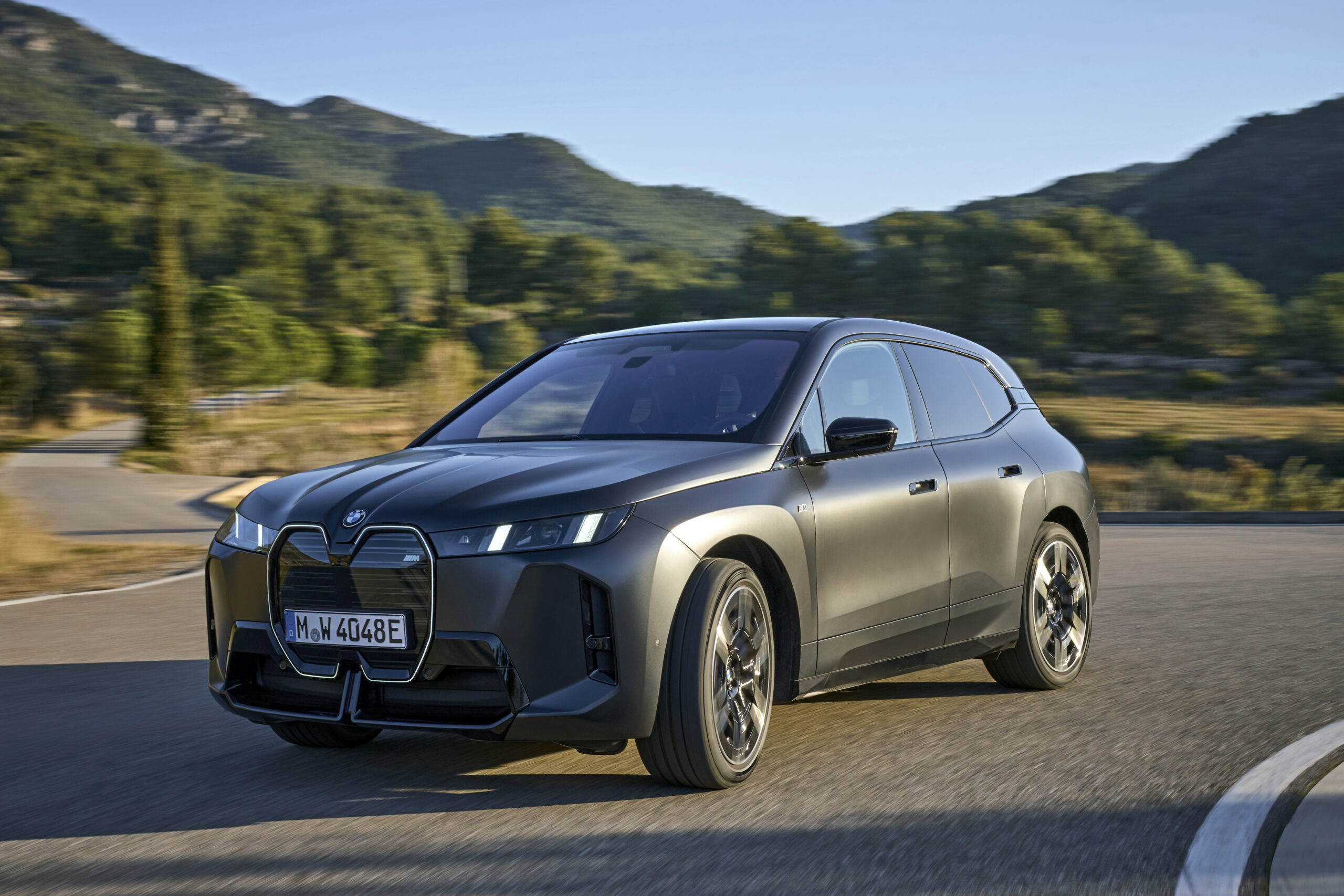
When the BMW iX arrived in 2021 it cost more than £70,000, and the flagship M60 nudged past £111,000. Five years on, that steep new price has become the second-hand buyer’s opportunity. According to What Car? used data current in June 2026, an early iX 40 now starts from around £23,000, while 2024 cars sit between £36,000 and £50,000. I spend my days helping buyers separate a genuine bargain from a money pit, so let me walk you through whether a used iX is a smart buy, where the real costs hide, and which version I would actually put my own money on.
What you are actually buying
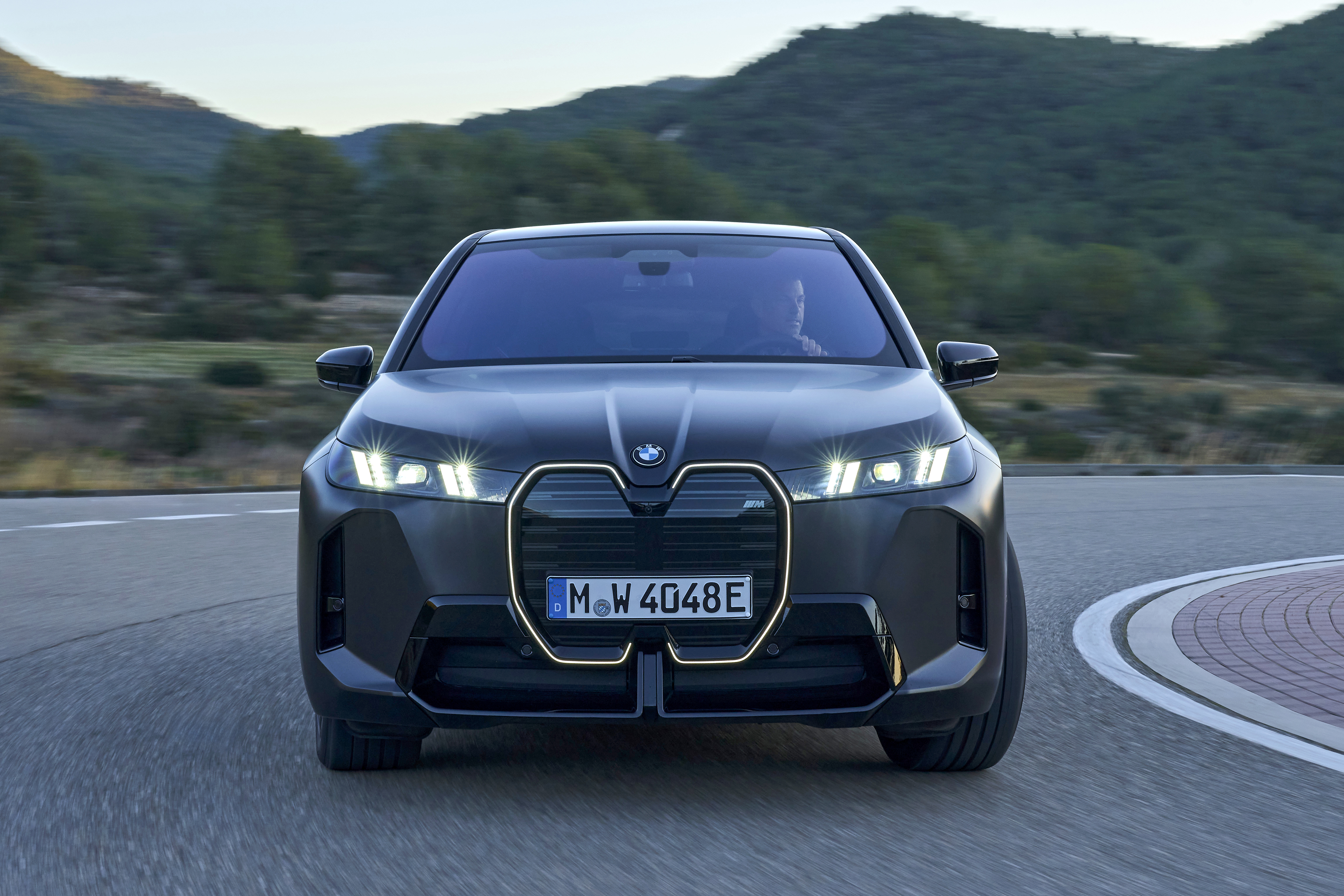
The iX is BMW’s purpose-built electric SUV, a large five-seater with a properly luxurious cabin and the kind of refinement that makes a long motorway run feel effortless. It is roughly the footprint of an X5 but with a flat floor and a lounge-like interior. On the used market you will mostly see three flavours. The iX 40 is the entry car with a 74kWh usable battery and 321hp. The iX 50 steps up to a 108kWh battery and 516hp. The range-topping M60 pushes past 600hp. Whichever you choose, you get four-wheel drive as standard, which matters in a British winter.
This is a premium EV, so the running-cost profile sits closer to a luxury German barge than a city runabout. If you are weighing the iX against something cheaper, it is worth reading my take on the used Audi e-tron GT and its depreciation first, because the same logic about buying a heavily-depreciated flagship applies here.
Real-world range, not the brochure number
This is where I have to be straight with you, because the official figures and the real world part company. The iX 40 carries an official figure of 264 miles, but What Car?‘s real-world testing returned about 190 miles, and that drops further in cold weather. The iX 50 and M60, with their bigger 108kWh battery, are far more usable, with real-world figures landing closer to 280 to 300 miles. The 2025-onward facelift improved official range dramatically, up to 374 miles on the xDrive45 and 426 miles on the xDrive60, but those cars are still scarce and pricey on the used market.
My honest advice: if you regularly drive long distances, do not buy the iX 40 expecting it to cover them comfortably. It is a superb urban and suburban car, but the 50 is the one I would target for mixed use. Charging speed matters too. Only 2023-onward cars support the headline 250kW DC rate, while the 2021 to 2022 iX 40 tops out nearer 150kW. That still means a 10 to 80 per cent top-up in roughly half an hour on the right charger, but it is worth checking the exact model year before you assume.
Depreciation: the reason a used iX makes sense
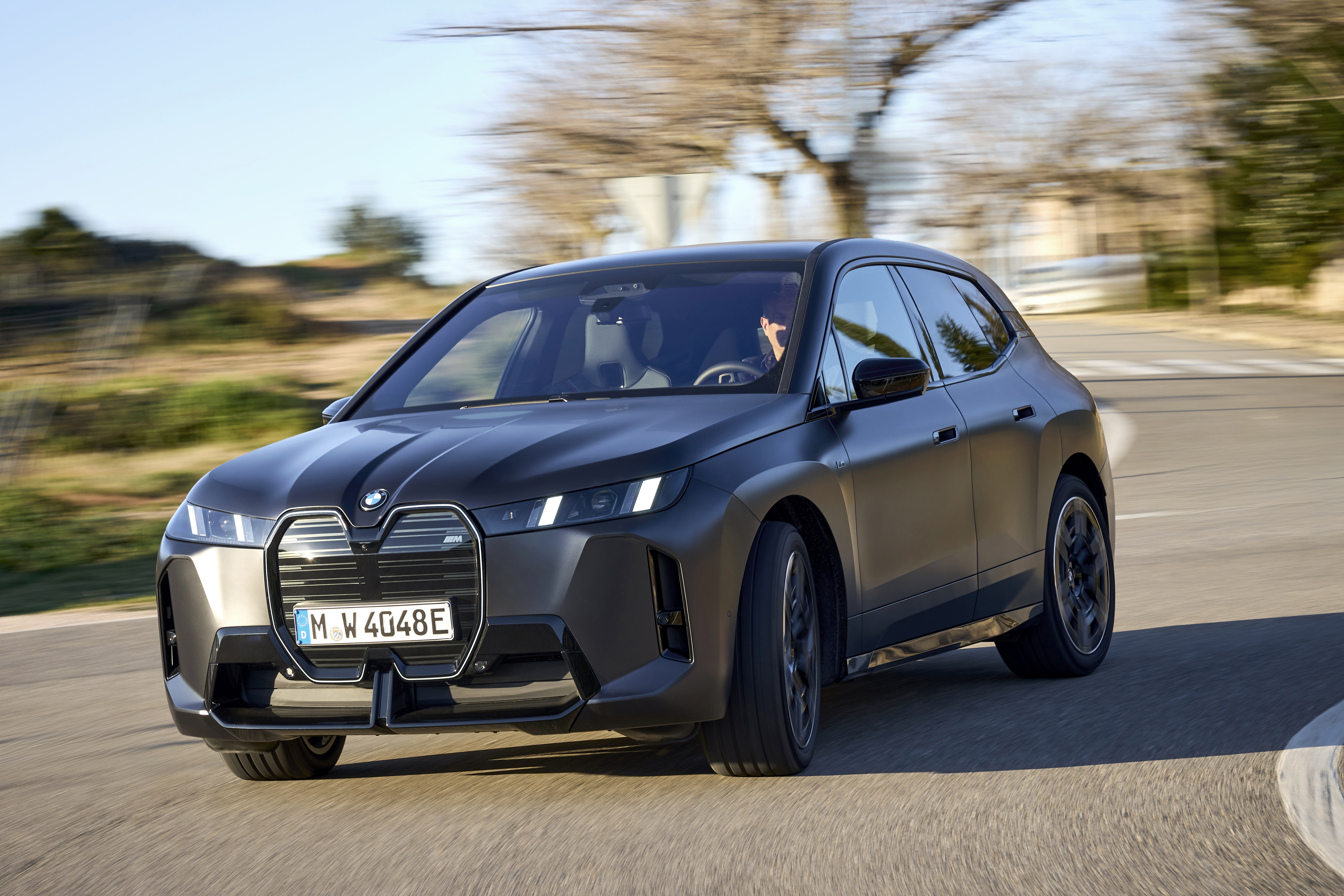
The single best argument for a second-hand iX is that someone else has already absorbed the brutal early loss. The M60 is the clearest example. New, it was £111,900. A 2022 car with 45,000 to 55,000 miles now changes hands from about £47,000, which is roughly a 58 per cent fall. That is a five-figure performance EV for the price of a mid-spec new SUV. Crucially, the iX’s depreciation has flattened out, so you are not stepping onto the cliff edge that hit rivals like the Porsche Taycan quite so hard.
This is the same pattern I keep flagging across premium EVs. The BMW i4 and the used Nissan Ariya both reward the second owner for the same reason. Buy after the steep drop, hold sensibly, and the maths starts to work in your favour rather than against it.
Running costs: tax, insurance and the electricity
Electric cars are no longer road-tax free, and the iX is caught by more than the standard rate. From April 2025 EVs pay the standard VED of around £195, but because the iX cost over £40,000 new it also attracts the expensive-car supplement, around £425 a year in the 2025/26 tax year per gov.uk, payable in years two to six of the car’s life. Budget for that. It is an annoyance, but it is predictable, and it is the same trap that catches most premium EVs.
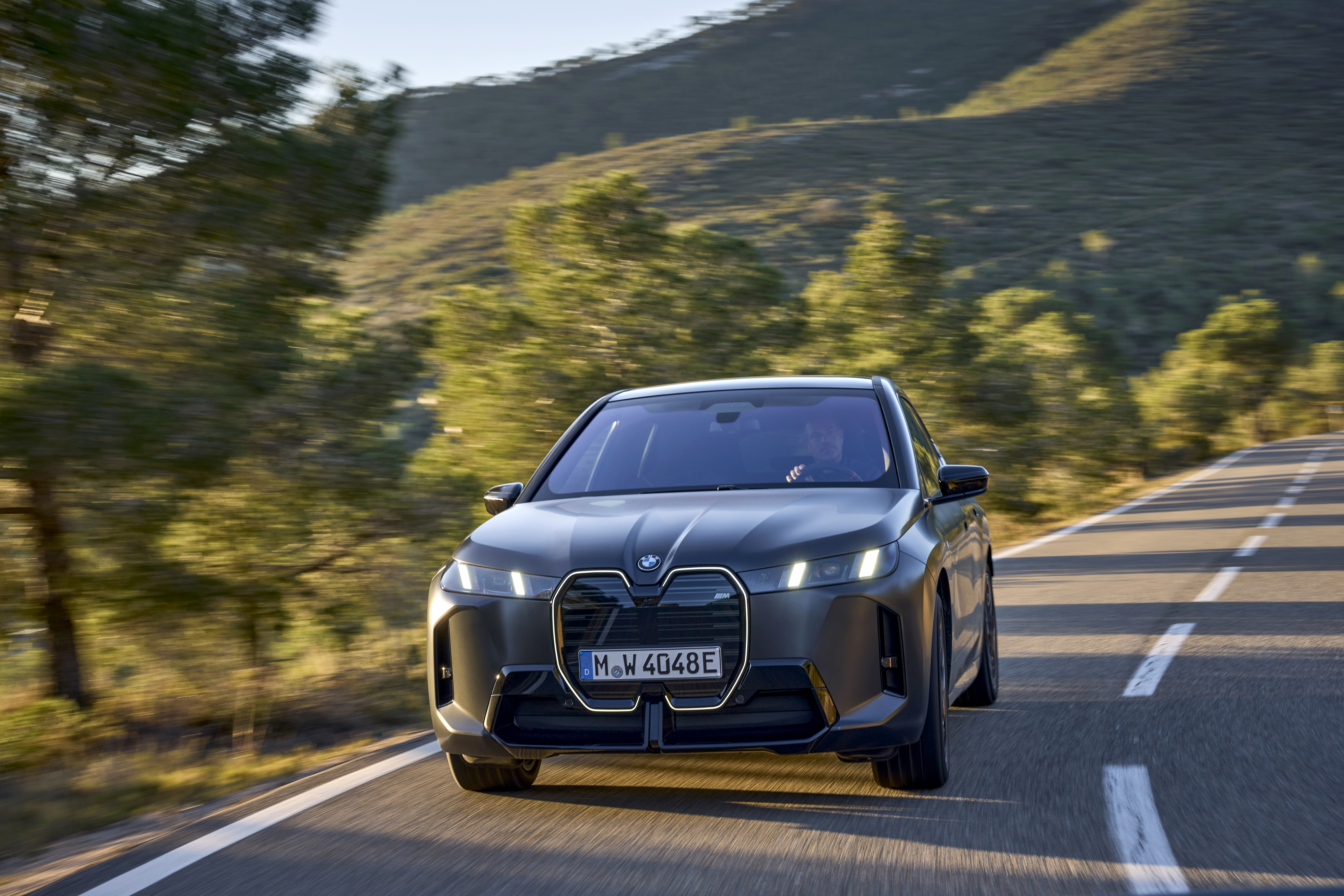
Insurance is the other big line. The iX sits in groups 47 to 50, the very top of the scale, so this is not a car to insure casually. Polestar buyers face the same sting, and the points I made about why a group 50 EV costs what it does apply equally to the iX. Get quotes before you commit, not after. On the plus side, efficiency is reasonable for the size at 2.8 to 3.1 miles per kWh, so home charging keeps the per-mile cost sensible even with the larger battery.
Reliability and the battery question
I will not pretend the iX has a spotless record. In What Car?’s 2025 reliability survey it scored 81 per cent and finished near the bottom of the EV table. The most common gripes were infotainment glitches, with battery and motor issues each reported by about one in ten owners. That sounds alarming, but read it carefully: the genuinely expensive failures, the battery and drive motor, are still the exception rather than the rule, and BMW’s dealer service tends to resolve faults well. The fragile-feeling complaints are mostly software niggles rather than wallet-emptying mechanical disasters.
The battery is the part buyers worry about most, and rightly so on a car this expensive. The iX’s high-voltage battery is covered for eight years, and that warranty transfers to you as a later owner, which is real protection on the priciest component. Always insist on a battery state-of-health reading before you buy, exactly as I recommend when checking a used Volvo XC40 Recharge. A reputable seller will provide one without fuss. If they refuse, walk away.
Which iX should you actually buy?
For most buyers I would steer towards a 2023 or later iX 50. You get the faster 250kW charging, a real-world 280-mile-plus range and enough performance to never feel short-changed, all for a fraction of the new price. The iX 40 is the value pick if your driving is genuinely local, but go in clear-eyed about the 190-mile reality. The M60 is the heart-over-head choice, a 600hp luxury express that has shed more than half its value, and if your sums allow it, it is a lot of car for the money.
Whichever you pick, buy on condition and history rather than on badge. If a manufacturer-approved scheme is available, the inspection, battery certificate and warranty extension are usually worth the small premium, the same case I make for a BMW approved-used purchase. Get the state-of-health figure, check the charging speed for the year, and budget honestly for the tax and insurance, and a used iX can be one of the most quietly satisfying premium EVs your money will buy in 2026.
How much does a used BMW iX cost in 2026?
What is the real-world range of a used BMW iX?
Is the BMW iX battery safe to buy second-hand?
How much does it cost to run a used BMW iX?
Which used BMW iX is the best buy?
Where I would put my money
If you had handed me a £40,000 budget and asked for a premium electric SUV, I would hunt down a clean 2023 iX 50 with a documented battery health check and the balance of its warranty intact. It gives you almost everything the M60 does, with the long-distance range the cheaper 40 cannot match, and you let the first owner take the painful depreciation while you enjoy the car. Buy carefully, insure realistically and the used iX stops being an extravagance and starts looking like one of the cannier luxury EV buys on the market right now.
Buyer action
EV and salary-sacrifice checks
Use this as the final check before paying a deposit, signing finance paperwork or relying on a headline monthly figure.