The BMW i4 has quietly become one of the most ordered premium electric saloons on UK salary-sacrifice schemes, and I keep getting the same question: with list prices the wrong side of £50,000 and the company car tax taps slowly tightening, does it still make sense in 2026? I have run the numbers the way I would for my own pay packet, using BMW UK’s published pricing (the eDrive35 from around £51,500 and the eDrive40 at about £59,000 on the road, confirmed against BMW Group’s official i4 press material) and HMRC’s benefit-in-kind position for electric cars set out on gov.uk’s company car tax guidance (current as of June 2026). What follows is the honest maths, not a brochure.
Why the i4 keeps landing on sal-sac order lists
Salary sacrifice works because you give up a slice of gross pay before income tax and National Insurance are taken, in exchange for a fully insured, maintained electric car. The bit that makes premium EVs add up is the benefit-in-kind rate: a fully electric car is taxed at just 4% of its P11D value for the 2026/27 tax year, against double-digit percentages for anything with an exhaust. That 4% is what lets a £50,000-plus BMW cost a chunk less per month than its sticker suggests, and it is the same mechanism I broke down for a cheaper EV in my look at the Kia Niro EV on salary sacrifice for basic-rate taxpayers. The i4 simply starts from a higher base.
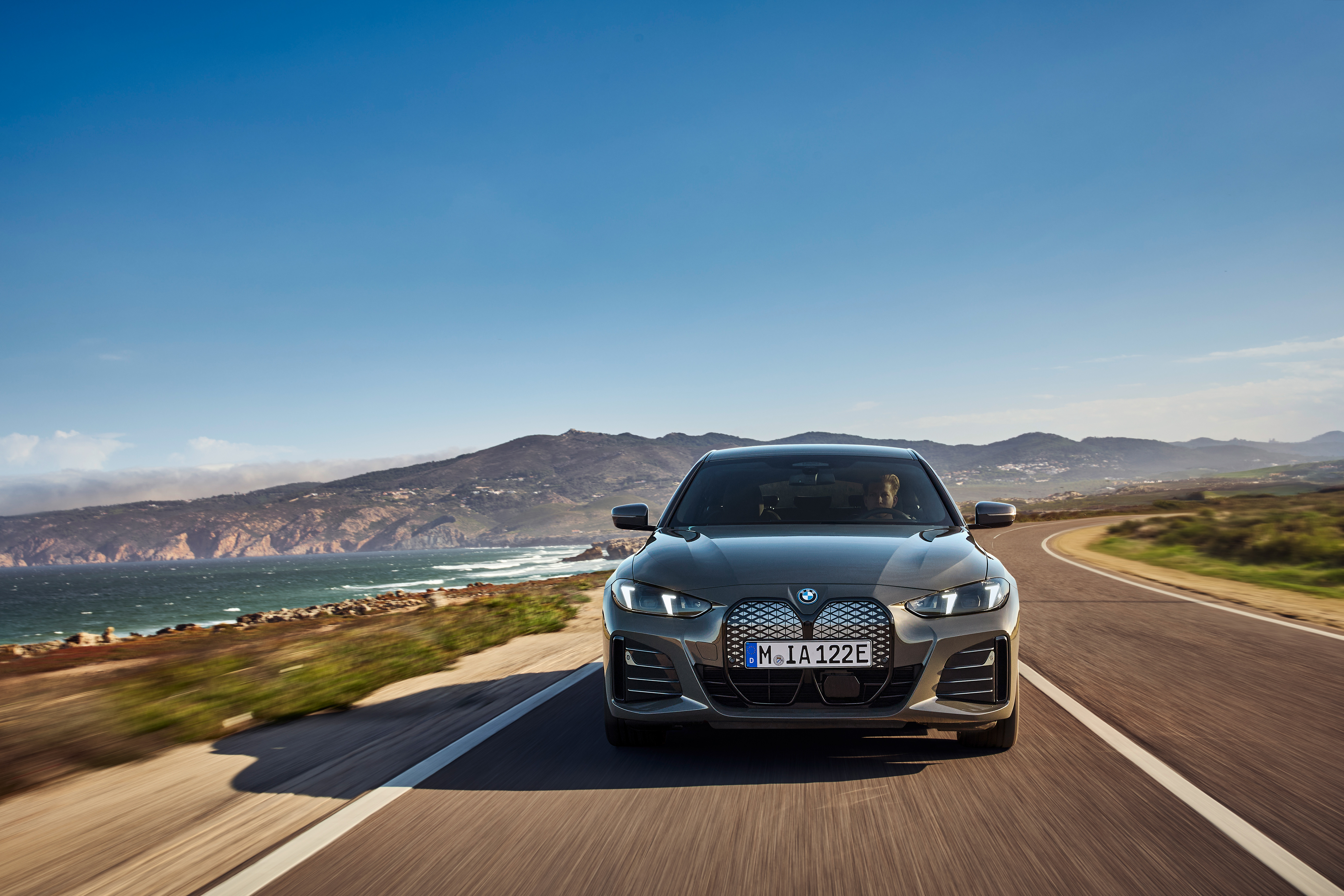
The i4 also gives you something the spreadsheet does not capture: it is a proper BMW to drive. The eDrive40 puts out 335bhp and claims up to 380 miles WLTP from its 83.9kWh battery, while the entry eDrive35 makes 282bhp and a claimed 319 miles. Both are rear-wheel drive Gran Coupes that ride and steer like the petrol 4 Series they share a shell with. If you want the same logic applied to a rival, my Ford Mustang Mach-E salary sacrifice versus PCP piece is worth a read alongside this one.
The benefit-in-kind maths, line by line
Let me take the eDrive40 at a P11D value of roughly £58,500. At the 4% electric-car rate for 2026/27, the taxable benefit is about £2,340 a year. A basic-rate (20%) taxpayer therefore pays around £468 a year, or roughly £39 a month, in benefit-in-kind tax. A higher-rate (40%) taxpayer pays about £936 a year, or close to £78 a month. That BiK is the only tax you pay on the car itself, and it is genuinely small for a £59,000 machine. The cheaper eDrive35, at around a £51,000 P11D, drops those figures to about £34 and £68 a month respectively.
The rate is not frozen, and this is where I want you to be careful. The 4% rate applies to 2026/27 and rises to 5% for 2027/28; gov.uk is the authority on the percentages, so check the figure for your own delivery year on the official calculator rather than trusting any provider’s marketing. On a typical three- or four-year sal-sac term you will straddle more than one tax year, so build the small annual increase into your thinking. Even at 5%, the BiK on an i4 is a rounding error next to a petrol executive saloon, which can sit at 30% or more of its P11D.
What the net monthly cost really looks like
Here is the part the headline rate hides. The gross sacrifice on a premium EV like the i4 is large, because you are funding a £59,000 car plus insurance, maintenance and tyres inside one figure. On an illustrative fully-maintained scheme, an i4 eDrive40 might carry a gross monthly sacrifice in the region of £750 to £850 depending on term, mileage and your provider. Because that comes out of pre-tax pay, a higher-rate taxpayer effectively gets roughly 42% of it back through income tax and National Insurance relief, so an £800 gross sacrifice can feel closer to £465 in lost take-home, before you add the small BiK above.
I have deliberately given ranges, not a single quote, and I mean it: your circumstances decide the real number. Your tax band, your annual mileage, your employer’s chosen provider and the exact i4 trim all move the figure, and a basic-rate taxpayer gets a smaller proportion back than a higher-rate one. Treat any monthly figure you see, including mine, as an illustration rather than an offer. The only binding number is the personalised quote your employer’s scheme generates against your actual salary. If you want to sanity-check the salary-sacrifice-versus-buying logic more broadly, I went through it for a mainstream EV in my Peugeot e-208 salary sacrifice versus PCH comparison.
Charging and running costs inside the deal
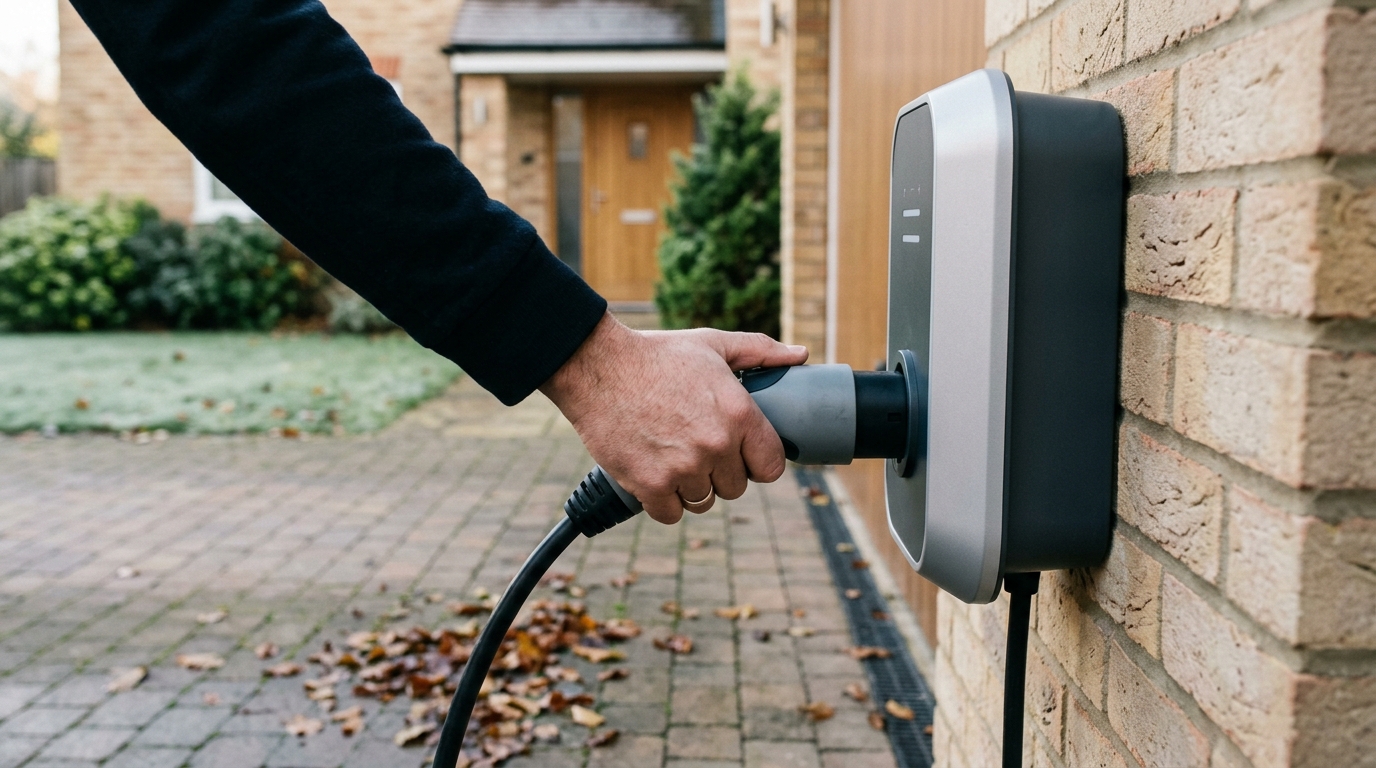
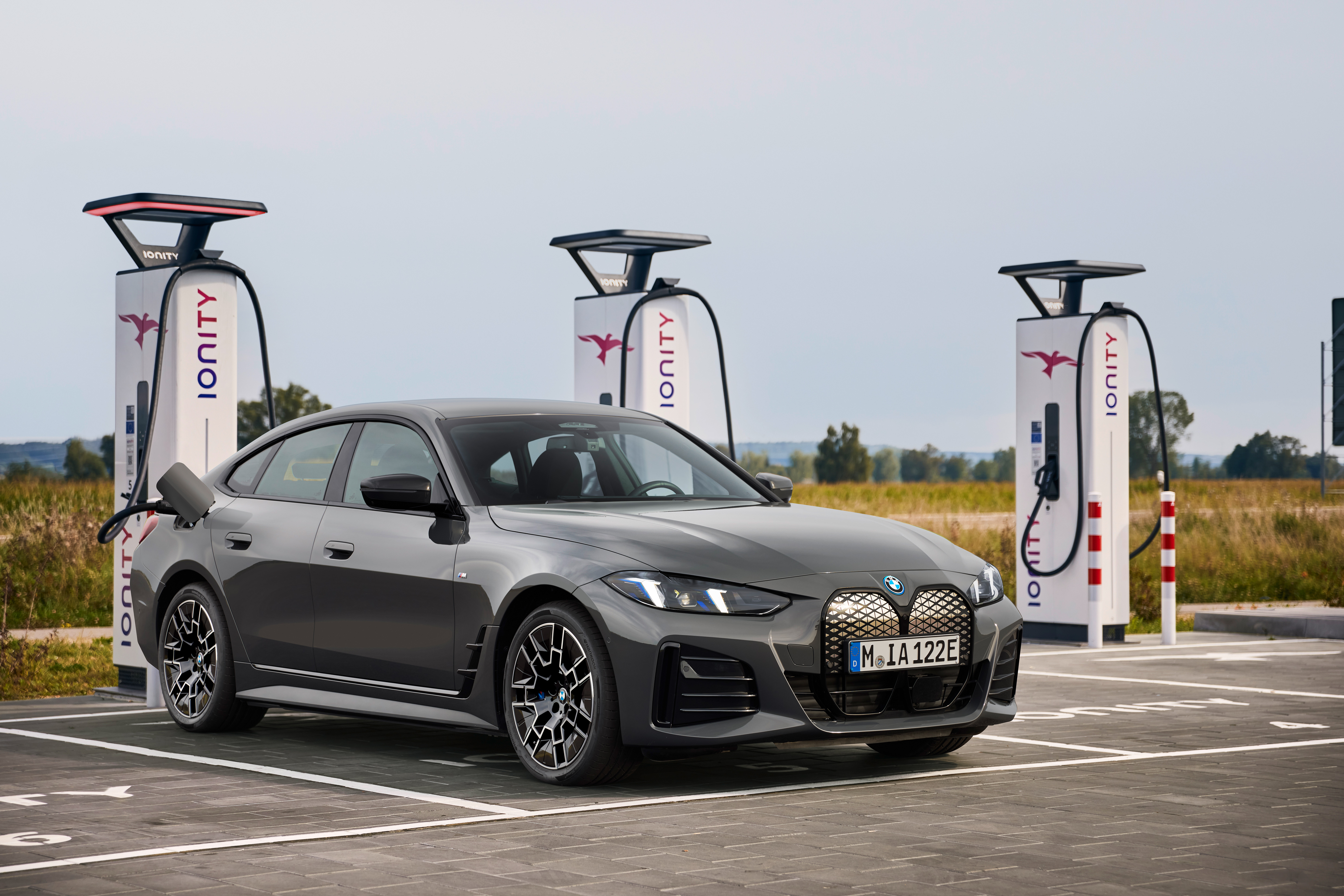
One reason the i4 stacks up better than its price suggests is that most of the running costs are wrapped into the sacrifice. Insurance, servicing, breakdown cover and tyres typically sit inside the monthly figure, so the only meaningful out-of-pocket cost is electricity. Charge an 83.9kWh eDrive40 at a cheap overnight home rate of, say, 7p per kWh and a full charge is under £6 for a real-world 280-odd miles; that is pennies per mile. Lean on public rapid chargers at 70p or more per kWh and the picture changes sharply, which is exactly the trap I warned about when I looked at the VW ID.4’s running costs and pence-per-mile. The i4’s saloon body and slippery shape help it hold real-world efficiency better than a tall SUV.
The flip side of a premium badge is premium insurance and, eventually, premium tyres. The i4 is heavy and quick, and replacement rubber is not cheap, though on a fully-maintained scheme that is the provider’s problem rather than yours. It is still worth knowing how badge and battery push up groups, which is the same dynamic I unpicked for another high-end EV in my piece on why the Polestar 3 lands in insurance group 50.
The risks I would weigh before committing
Salary sacrifice is not free money, and I would not pretend otherwise. Reducing your gross pay can reduce anything calculated off that salary: pension contributions in some schemes, mortgage affordability assessments, and statutory payments such as maternity or sick pay. Ask your payroll team whether your pension is worked out on pre- or post-sacrifice salary before you sign. There is also the leaving risk: if you change jobs mid-term you usually either lose the car or pay an early-termination cost, so the i4 suits people who expect to stay put for the term. None of this is unique to BMW, but the bigger the sacrifice, the bigger the swing, and an i4 is a big sacrifice.
Finally, weigh it against simply buying used. A nearly-new i4 carries the depreciation that all premium EVs shed in the first couple of years, and if you are a basic-rate taxpayer the sal-sac relief is smaller, so the used route can win. I have made that exact case for a related BMW in my guide to buying a one-year-old approved-used BMW X1 to dodge the first-year hit. The answer genuinely depends on your tax band and how long you keep cars.
How much is benefit-in-kind on a BMW i4 in 2026?
What does a BMW i4 cost per month on salary sacrifice?
Is the BMW i4 cheaper than a petrol executive saloon on a company scheme?
What are the downsides of an i4 on salary sacrifice?
Where I would put my money
If you are a higher or additional-rate taxpayer with a stable job and a home charger, the i4 on salary sacrifice still stacks up in 2026, and it stacks up well: you get a genuinely desirable £59,000 BMW for a net monthly outlay that a petrol equivalent cannot touch, with the 4% benefit-in-kind doing the heavy lifting. If you are a basic-rate taxpayer, charge mostly in public, or might move jobs inside the term, I would run the personalised quote hard against a nearly-new used i4 before signing, because the relief is smaller and the risks are the same. Either way, the figures here are illustrations to frame the decision, not an offer; the only number that binds is the one your own scheme produces against your salary, so get that quote, read the leaving terms, and decide with your eyes open.
Buyer action
EV and salary-sacrifice checks
Use this as the final check before paying a deposit, signing finance paperwork or relying on a headline monthly figure.