Cat S and Cat N are the two insurance write-off categories you are most likely to meet when a tempting premium car looks suspiciously cheap. A £60,000 Range Rover, Porsche or BMW can be written off after a fairly small knock, then repaired and sold on at a steep discount. Some of those cars are a smart buy; others are a money pit with a permanent flag on their history. This guide separates the two and shows the checks that protect a UK buyer before any money changes hands.
What real owners say (CDE data)
For this guide we read through PistonHeads and Land Rover Owners’ Forum threads on category cars, the RAC and Auto Express explainers on the ABI categories, and the gov.uk pages on selling a written-off vehicle and the DVLA Category S re-registration rule. We did not buy or inspect any specific car, so the figures below are the documented rules and the recurring owner themes, not a survey we invented.
- Most-praised aspects: genuine value on a well-documented Cat N repair, the same approved-used checks working on category cars, and the lower purchase price freeing up budget for warranty and servicing.
- Most-criticised aspects: insurers loading or refusing cover, mainstream finance lenders declining the car, and a resale discount that never fully closes.
- Repair-quality signal: owners repeatedly warn that the paperwork matters more than the price; a Cat S premium car with no engineer’s report and no itemised repair invoices is the one that bites at resale and at the next insurance renewal.
What the ABI write-off categories actually mean
A write-off is simply an insurer’s commercial decision: the cost to repair the car, plus any salvage and storage, is more than the insurer wants to spend against the car’s market value. It is not a verdict that the car is scrap. Under the Association of British Insurers’ Salvage Code, every total loss is placed in one of four categories. Category A and Category B are the end of the road. Category S and Category N can legally return to UK roads once repaired. The ABI Salvage Code of Practice sets the framework that insurers and salvage agents follow, and it is the reference any honest seller should be able to point to.
The split that matters to a buyer is structural versus non-structural. Category S, the S standing for structural, means the car’s safety structure took damage: a bent chassis leg, a collapsed crumple zone, a deformed bulkhead. Category N, non-structural, means the core structure is intact but the repair bill on panels, lights, airbags, suspension or electronics still tipped the car over the insurer’s threshold. Both can be repaired and driven; the difference is in how serious the original damage was and what the law then asks of you.
Cat S versus Cat N: the line that changes your decision
Treat the two categories as different risks rather than two shades of the same one. A Category N car has not, by definition, suffered structural harm. A premium SUV with a kerbed wheel, a cracked bumper, a deployed airbag and a damaged headlight cluster can rack up four figures in genuine parts alone and be declared Cat N, despite being structurally perfect. That is the category where the sums most often work in a buyer’s favour. As Auto Express notes in its write-off categories explainer, Cat N covers damage to non-structural elements such as bodywork, lights and electronics.
Category S is the one to approach with both hands on the wheel. Structural repair on a modern premium car means jigs, bonded and riveted aluminium, hot-formed steel and calibration of every camera and radar the driver-assist systems rely on. Done by a manufacturer-approved bodyshop with the right equipment, a Cat S repair can be excellent. Done in a back-street unit to hit a margin, it can leave a car that tracks crabwise, eats tyres, or fails to protect occupants in the next impact. If you are weighing the wider cost of running one of these cars, our breakdown of why Range Rover insurance costs are so high shows how a category marker compounds an already steep premium.
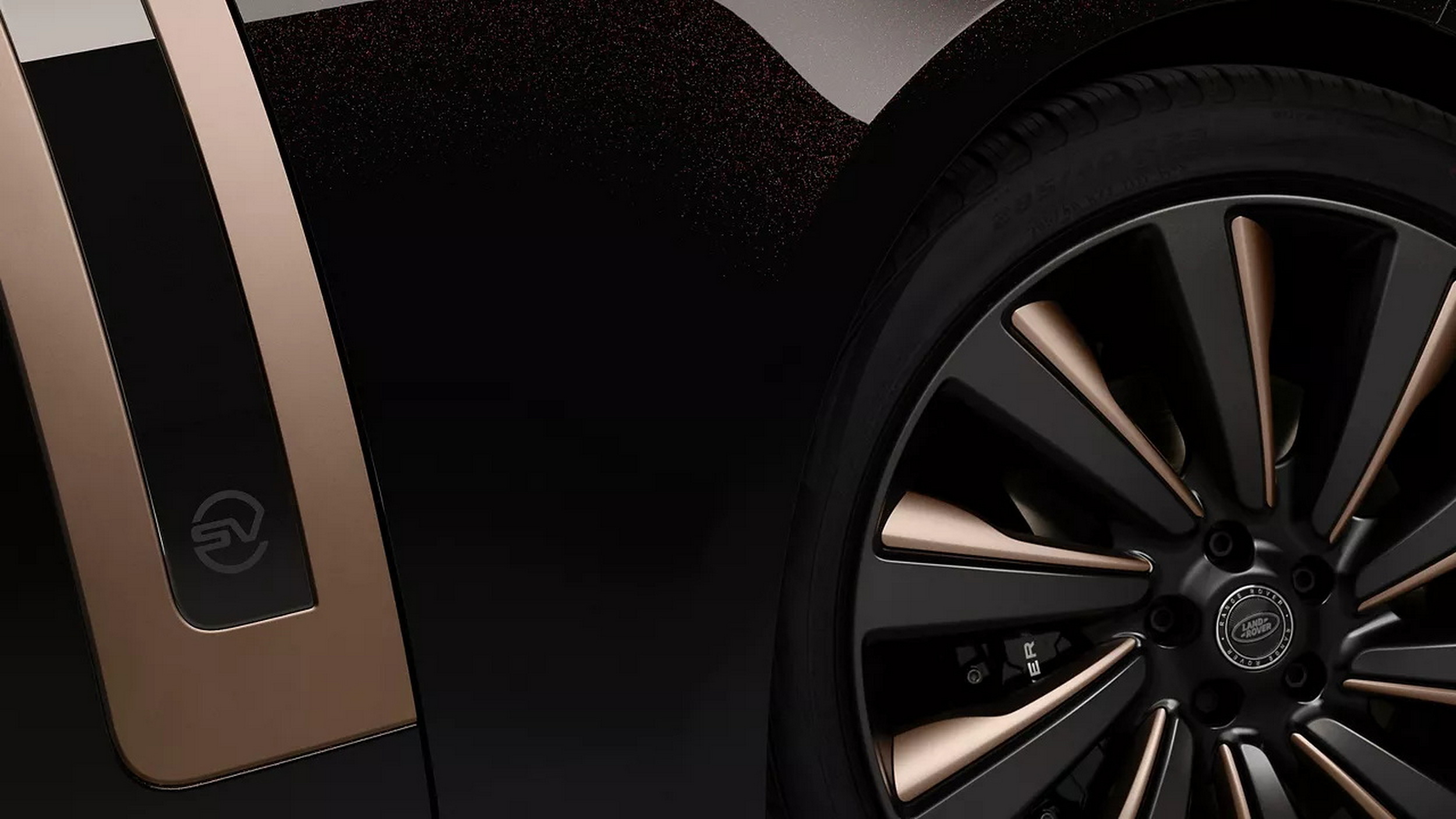
Why a £60,000 Range Rover gets written off after a small prang
The maths is brutal on expensive cars, and it has nothing to do with how badly the car is hurt. An insurer compares the repair estimate against the car’s current market value. On a premium SUV, a moderate front-corner shunt can mean a new LED matrix headlight at four figures, a bumper, a wing, a radar bracket, a recalibration of the driver-assist suite, courtesy-car and storage costs, and main-dealer labour that runs well above the mainstream rate. Stack those up against a five-year-old value that has already fallen hard, and the estimate clears the write-off threshold long before the damage looks dramatic.
This is exactly why category cars cluster at the premium end. A supermini with the same cosmetic damage gets repaired because the bill is small against the value ceiling; a Porsche, BMW or Range Rover with proportionally similar damage gets written off because the bill is large and the depreciated value is the limiter. The buyer who understands this sees the opportunity: the car is often far less damaged than the scary “write-off” label suggests. The buyer who does not understand it either overpays for a bad Cat S or walks away from a genuinely sound Cat N.
Cat S and Cat N alongside Cat A and Cat B: the table
Here is the framework in full, so you can place any advert you see. This is the floor of due diligence: know which category you are looking at before you read another line of the listing.
| Category | What it means | Can it return to the road? | Buyer implication |
|---|---|---|---|
| Cat A | Scrap only; entire vehicle must be crushed, including parts | No, ever | Walk away. Any car advertised for road use under Cat A is illegal. |
| Cat B | Body shell destroyed; some serviceable parts may be reclaimed | No, the shell must be crushed | Walk away as a road car. Donor parts only, for the trade. |
| Cat S | Structural damage, professionally repairable | Yes, after repair and DVLA re-registration | Buyable with caution; demand engineer’s report and approved-bodyshop invoices. |
| Cat N | Non-structural damage, repairable | Yes, no re-registration needed | Often the smart buy if the repair is documented and the price reflects the marker. |
What a category marker does to insurance and finance
The damage to your wallet does not stop at the repair. A recorded category sticks to the car’s history for life, and two parts of the buying process feel it most. On insurance, some insurers decline category cars outright, some load the premium, and some quietly cap what they will pay in a future total loss to a reduced figure. You must declare the category at quote stage; failing to do so can void the policy. Specialist and premium insurers are often more comfortable with category cars than price-comparison panels, which is the same logic we set out in our guide to high-value car insurance over £50,000.
Finance is the harder wall. Many mainstream PCP and HP lenders will not advance against a Cat S or Cat N car at all, because the asset securing the loan carries a permanent value penalty. Those that do tend to want a larger deposit and a shorter term. If you are planning to fund the car rather than pay cash, confirm the lender’s stance in writing before you fall for the car, not after. It is also worth thinking ahead to cover gaps: a category car’s reduced agreed value changes the sums on a GAP product, a point we cover in our look at GAP insurance on a premium SUV after the FCA review.
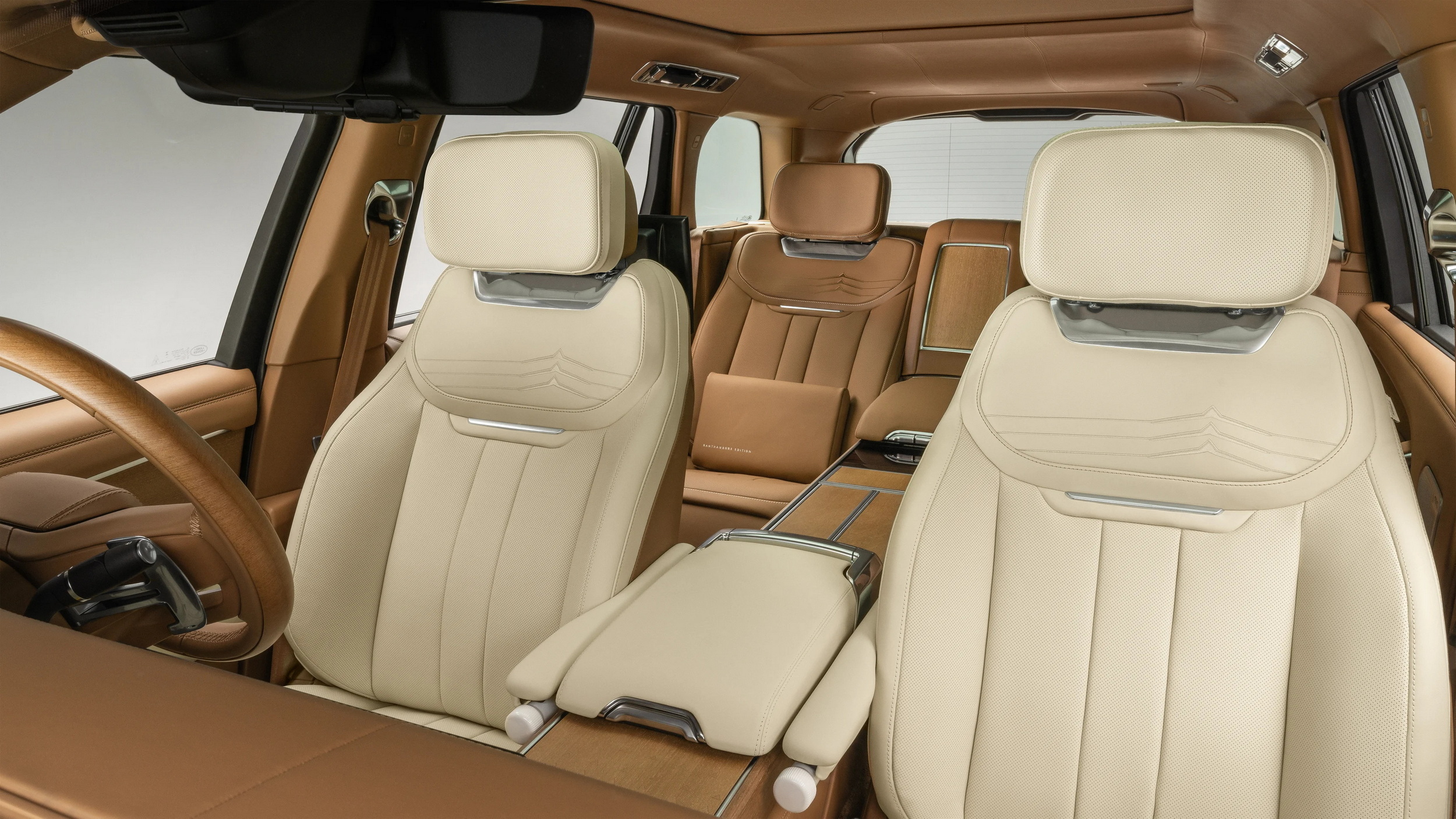
The resale discount you will never fully escape
A category marker is priced into the car forever, and the next buyer will run the same history check you should. As a working rule, owners and the trade report a resale discount in the region of one fifth to two fifths against an equivalent clean car, with Cat S typically harder hit than Cat N, and the exact figure depending on the brand, the quality of the repair evidence, and the model’s desirability. The upside is symmetrical: you buy at that discount too. The trap is paying close to clean-car money for a category car, which destroys the only real advantage these cars offer.
Set your expectation before you view. You should be buying a category premium car to own it for years and enjoy the saving, not to flip it. If your plan is to sell again inside eighteen months, the discount you take on the way out can swallow the discount you gained on the way in. For a sense of how a clean equivalent is valued and what faults to weigh, our Range Rover Sport L494 used buying guide gives the baseline a category car is discounted against.
The checks before you buy a repaired write-off
Due diligence on a category car is the same approved-used discipline you would use on any premium buy, plus a structural layer. Run a full paid vehicle-history check first; the free gov.uk lookup at check if a vehicle is an insurance write-off confirms the recorded marker, but a paid provenance check adds outstanding finance, mileage anomalies and plate changes that hide a worse story. A car sold by a trader as “HPI clear” that is actually a quietly repaired write-off can be a criminal misdescription under consumer-protection law, and clocking on top of a category is sadly common.
Then demand the repair evidence. For a Cat S you want an independent engineer’s report, itemised invoices from a manufacturer-approved or Thatcham-aligned bodyshop, proof of any chassis-jig work, and confirmation that the driver-assist cameras and radar were recalibrated. For both categories, commission your own independent pre-purchase inspection from a marque specialist, check panel gaps and paint depth, scan for fault codes, and insist on a fresh post-repair MOT. A seller who has done the job properly will have the paperwork ready; one who bristles at the questions is answering them for you.
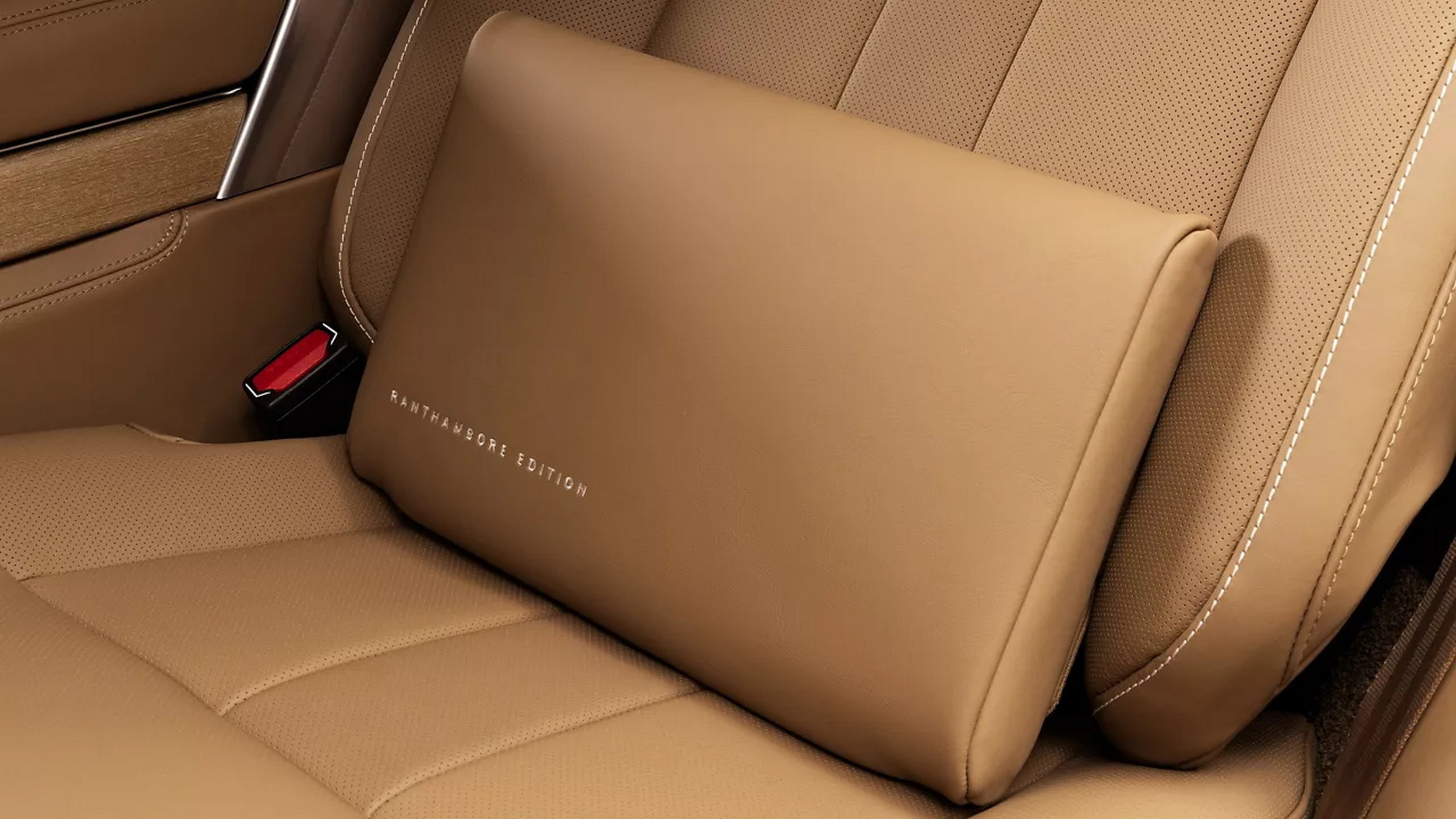
When a Cat N premium car is smart, and when a Cat S is not
The strongest case is a Category N premium car with cosmetic or electrical damage, repaired by a reputable shop, documented top to bottom, priced at a real discount, and bought to keep. A deployed-airbag-and-bumper Cat N on an otherwise immaculate executive car can be the bargain of the forecourt. Pair it with sensible cover and a warranty: our comparison of Warranty Direct, MotorEasy and ALA aftermarket cover is a good starting point once you have established the repair was sound, and our piece on agreed value versus market value cover helps you protect what you paid.
The case to avoid is a Category S car with vague history, no engineer’s report, a price that flatters the seller, and structural repairs you cannot verify. On a modern bonded-aluminium body, an unverifiable structural repair is not a risk worth taking at any saving. If the discount looks too good and the paperwork is thin, the market is telling you something. Walk, and put the same budget into a clean example or a well-documented Cat N instead. You can browse the wider buyer-beware ground through our car insurance section for the cover side of the decision.
Cat S and Cat N premium cars are neither a scam nor a free lunch; they are a paperwork test. Our view is straightforward. A Category N premium car, cosmetically or electrically damaged, professionally repaired, fully documented, and bought at a genuine discount to keep, can be one of the smartest premium buys on the market. A Category S car with intact records from an approved structural bodyshop can also work, but only with an independent engineer’s report and a price that respects the lifelong marker. What we would never do is buy either category on trust, fund it through a lender who has not confirmed acceptance, or insure it without declaring the history. Do the checks, demand the evidence, take the discount on the way in, and plan to own the car rather than flip it. Get the paperwork right and the badge on the boot, not the marker on the history, becomes the thing you notice.
Is it legal to buy and drive a Cat S or Cat N car?
Will insurers cover a category car, and do I have to tell them?
Can I get PCP or HP finance on a Cat S or Cat N premium car?
How much less is a Cat S or Cat N car worth?
What is the single most important check on a repaired write-off?
What is the difference between Cat S and Cat N in plain terms?
Buyer action
Where to check next
Use this as the final check before paying a deposit, signing finance paperwork or relying on a headline monthly figure.