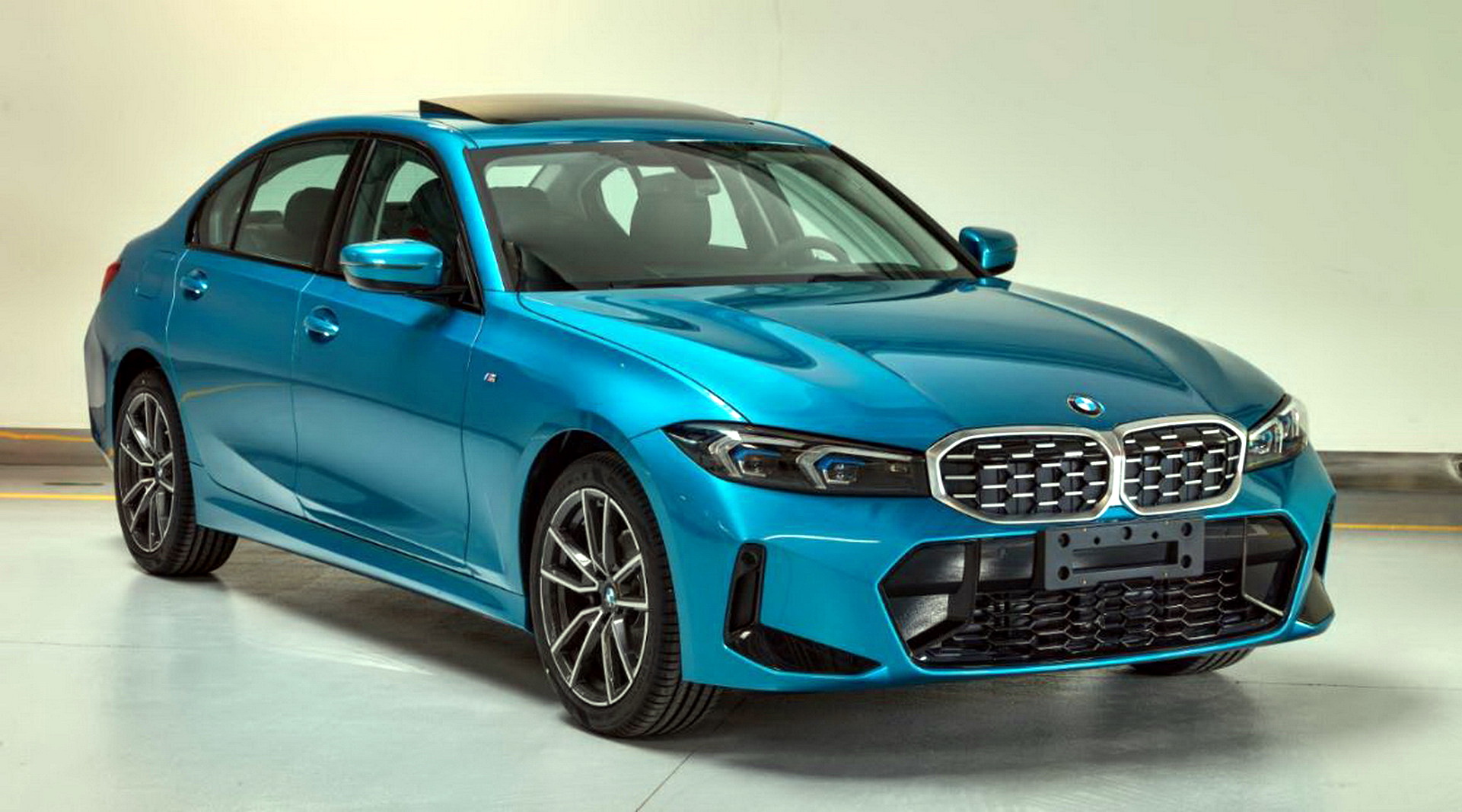
The BMW 3 Series G20 is the used sports saloon we still send most buyers towards, because it blends a properly resolved chassis with running costs a Range Rover owner can only dream about. This guide covers which engine actually makes sense, the years and options to treat with caution, and the paperwork checks that separate a clean car from a tired one. Our short answer: a 2020-on 320d or 330e with full BMW history is the rational buy, and the cheapest early cars with no service record are the ones to walk past.
What the owner and reliability data shows
BMW consistently lands in the upper half of the What Car Reliability Survey and well clear of Land Rover, and owner feedback on the seventh-generation 3 Series is broadly warm once you screen out neglected cars. CDE cross-referenced What Car and Honest John owner reviews with the free DVSA recall record for the G20 generation to build the picture below; the weak points are predictable and mostly cheap to check rather than catastrophic.
- Most praised: steering and body control, the B47 diesel’s real-world economy, cabin quality, the iDrive infotainment.
- Most criticised: firm ride on M Sport 19-inch wheels and run-flats, occasional electrical and iDrive niggles, fiddly post-2022 touchscreen climate control.
- Reliability signal: strong drivetrains when serviced; faults cluster around ancillaries, emissions hardware on short-tripped diesels and 330e high-voltage charging rather than the core engine or ZF gearbox.
Which engine to choose: 320d, 330e, 330i and M340i
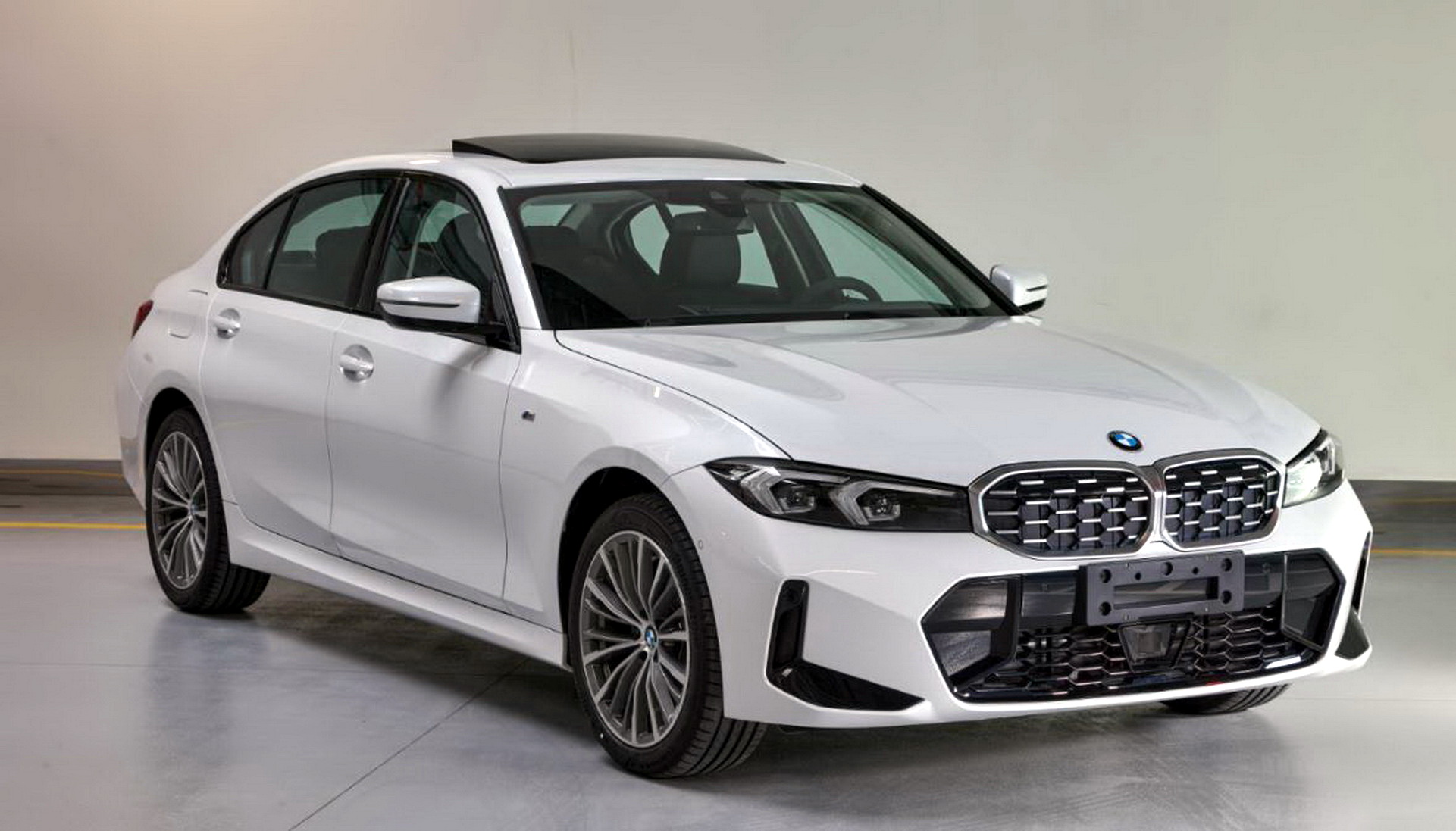
The G20 range is broad, but most buyers only need to weigh four units. The 320d uses BMW’s 2.0-litre B47 diesel (190hp) and is the high-mileage workhorse, returning genuine high-40s to low-50s mpg on a run. The 330e plug-in hybrid pairs a 2.0 petrol with an electric motor for around 30 electric-only miles and the lowest company-car tax of the bunch. The 330i is the smooth 2.0 petrol pick for lower-mileage drivers who want to dodge diesel particulate worries, and the M340i drops in BMW’s superb B58 3.0-litre straight-six for near-M3 pace without the M3 bills. For most private buyers the 320d or 330e is the sensible head-versus-tax decision.
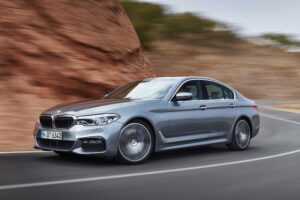
If you cover big motorway miles or tow, the 320d still earns its keep and undercuts every petrol on fuel. If your driving is mostly short urban hops, lean petrol or 330e instead: a diesel that never gets properly warm will eventually argue with its DPF. The same logic that drives our BMW 5 Series G30 used buyer’s guide applies a class down here, the diesel is the long-distance tool, the petrol or PHEV the town car.
The faults that actually matter on a used BMW 3 Series G20
Start with the emissions and cooling hardware on the diesels. The EGR system and DPF are the usual age-related complaints on a short-tripped 318d or 320d, and BMW’s earlier diesel EGR fire-risk recalls are a reminder to confirm any outstanding safety work is closed. On the 330e, the high-voltage battery and home-charging behaviour are the things to verify rather than assume: watch the car take a charge and ask about battery health. According to Honest John’s G20 owner reviews, the recurring gripes are electrical and infotainment niggles rather than catastrophic engine failures, which is exactly the profile you want in a used premium saloon.
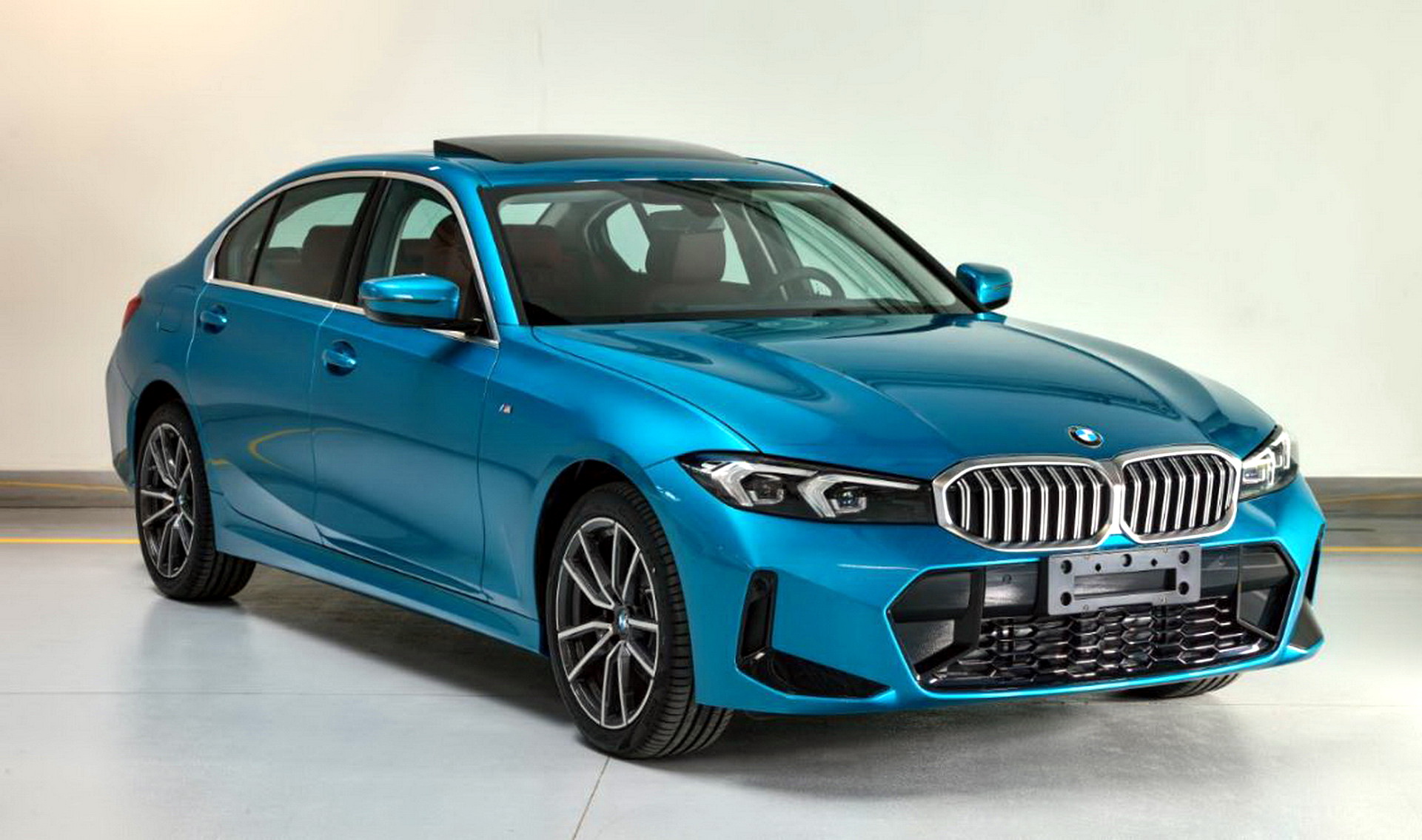
Work the iDrive system before you buy: the pre-2022 cars use the rotary-controlled iDrive 7, while the September 2022 LCI moved to the curved display and BMW’s iDrive 8, which buries the climate controls in the touchscreen and divides opinion. Check for laggy responses and failed updates. On M Sport cars, inspect the alloys and run-flat tyres carefully; kerbed 19-inch rims and a hard ride are common, and a fresh set of run-flats is not cheap. None of this is unusual for the class, but it is the difference between a sorted car and a money pit.
Best years and the cars to avoid
The sweet spot is a 2020 to 2022 car: the early launch niggles are settled, the rotary iDrive 7 is widely preferred to the later touch-heavy system, and prices have softened enough to make a clean 320d or 330e genuinely good value. We would be most cautious with the very earliest 2019 build cars that have covered high miles on a patchy history, and with any 330e whose owner cannot demonstrate the battery still charges and holds a usable range. A facelift LCI car from late 2022 onward buys you the newest tech and a longer warranty runway, but you pay for it, and you inherit the more divisive touchscreen climate layout.
Used prices, running costs and insurance in 2026
The G20 is cheaper to live with than its badge suggests. Early 2019-2020 320d saloons now sit broadly in the high-teens, clean 2021 330e examples land in the low-to-mid twenties, and a tidy M340i still commands the early thirties, on current Auto Trader and Carwow listings checked on 30 May 2026; compare the same engine, year and mileage across several adverts rather than trusting one. Insurance groups span the low-20s for a 320d to the low-40s for an M340i. BMW’s fixed-price servicing and a deep independent specialist network keep maintenance predictable once a car leaves the main dealer. If you are financing one, our PCP versus HP breakdown on a premium saloon is worth reading before you sign.
| Engine (G20) | Power | Best for |
|---|---|---|
| 320d 2.0 diesel | 190hp | Motorway miles, towing, economy |
| 330e PHEV | around 292hp combined | Company-car tax, short commutes |
| 330i 2.0 petrol | 258hp | Smooth, low-diesel-worry all-rounder |
| M340i 3.0 six | 374hp | Near-M3 pace without M3 bills |
Recalls and the pre-purchase checks to run
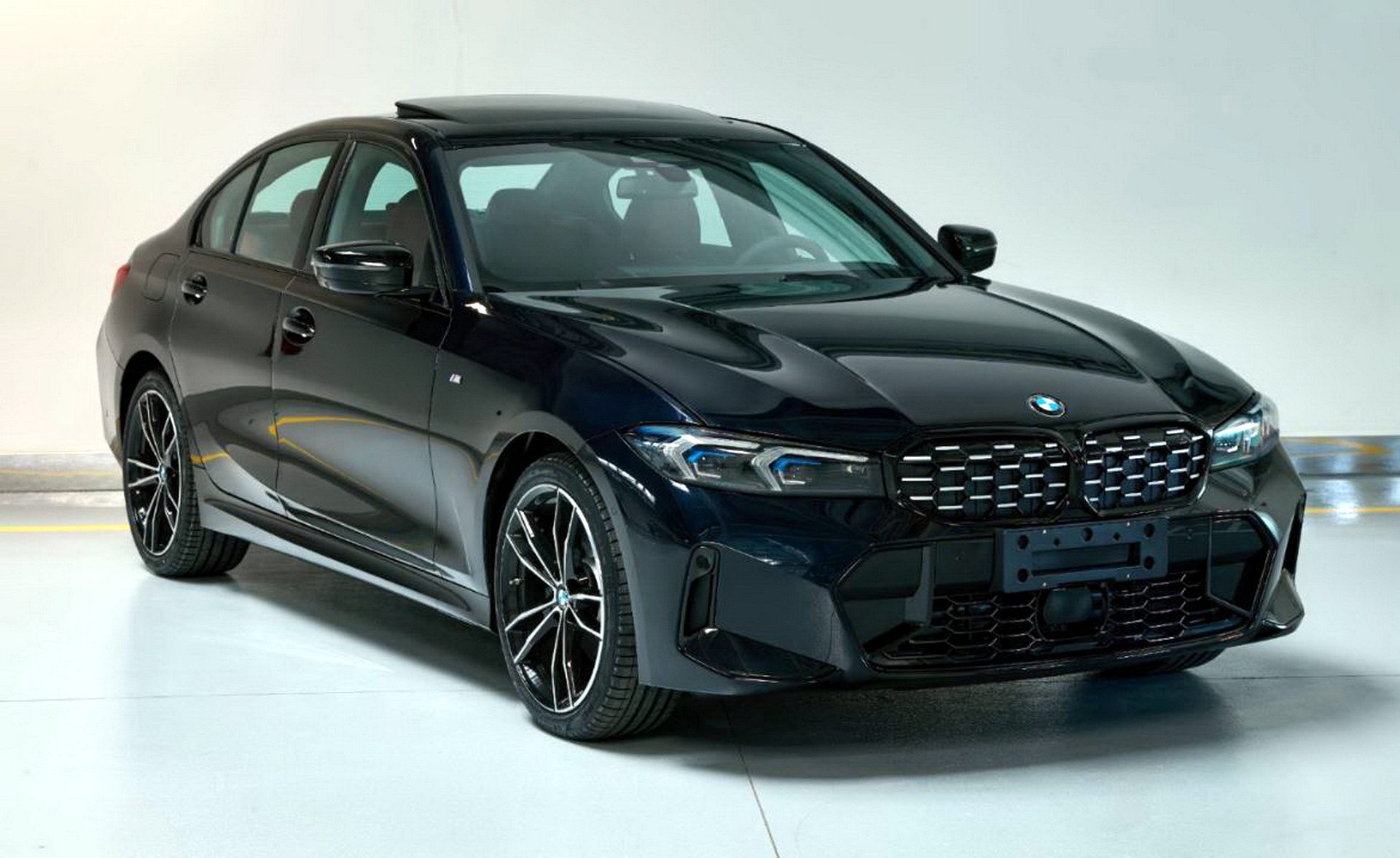
BMW has issued safety recalls touching the G20 over its life, and the wider BMW Takata airbag recall swept up a large slice of the brand’s UK fleet, so a VIN check matters here more than usual. Run the registration through the free DVSA vehicle recall check on gov.uk and get written confirmation that any outstanding work is complete before money changes hands. Cross-reference the seller’s story against What Car owner reviews of the 3 Series so you know which complaints are normal for the car and which point to a neglected example.
For a sense of how the car drives and where the cabin compromises sit, this independent UK review is a useful watch before you go and view one.
How the 3 Series compares with an A4, C-Class or 5 Series
This is where the G20 earns its shortlist place. Against an Audi A4 it gives up a little cabin solidity but wins clearly on handling and engine response; against a Mercedes C-Class it trades the last word in ride plushness for a sharper, more involving drive. If you want the same recipe with more space and presence, our BMW X5 G05 used buyer’s guide covers the SUV route, while the Mercedes E-Class versus Audi A6 comparison is the executive-class step up. The 3 Series remains the keen driver’s pick in the compact-executive class, and the used market finally makes it affordable.
The used BMW 3 Series checks to run before you pay a deposit
Do these in order and you will sidestep the only G20s worth avoiding:
- Pull the full service history and look for regular oil services on the correct interval, plus any brake-fluid and spark-plug work that is due.
- On any diesel, confirm a life of long runs rather than short urban hops, and check for EGR or DPF warnings on a cold start.
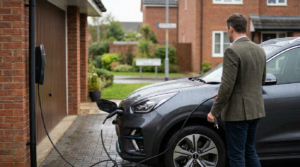
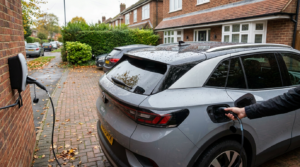
- On a 330e, watch it accept a home-style charge, ask for the battery health readout and confirm the original charging cable is present.
- Work the iDrive screen for lag and failed updates, and decide whether you can live with the post-2022 touchscreen climate controls.
- Inspect M Sport alloys for kerb damage and budget for run-flat tyres, which are dearer than standard rubber.
- Run the registration through the free DVSA recall check and get written confirmation of completed work, including the Takata airbag remedy.
- Compare the asking price against current Auto Trader and Carwow listings for the same engine, year and mileage rather than the first car you see.
If you want a premium saloon that still feels special to drive without the running-cost anxiety of a used Range Rover or the tax exposure of a big diesel SUV, the BMW 3 Series G20 is one of the smartest used buys on the market. We would target a 2020-to-2022 320d with full BMW history for high-mileage drivers, or a well-evidenced 330e if your commute suits a plug-in and you want the lowest company-car tax. We would think hard before buying the cheapest early car with a thin service record, or a 330e that cannot prove its battery still charges and holds range, because those are the examples that turn a sensible BMW into an expensive one. Buy on history first and badge second, and the G20 rewards you with years of genuinely engaging, low-drama miles at a price the class leaders cannot match for the same risk.
Is the used BMW 3 Series G20 reliable?
Which used BMW 3 Series engine should I buy?
What goes wrong with a BMW 3 Series G20?
What is the best year for a used BMW 3 Series G20?
Are there recalls on the BMW 3 Series G20?
Related reading on CDE
- BMW 5 Series G30 used buyer’s guide: the year to buy and the engine that holds up
- BMW X5 G05 used buyer’s guide: the year, the engine and what to avoid
- Audi A6 Allroad C8 used buyer’s guide: the smart alternative to a premium SUV
How we researched this guide
Every pick here is shortlisted from hands-on testing and time spent living with the hardware by the CDE desk, then sanity-checked against current UK pricing, manufacturer specs and real-world performance before it makes the cut. We never rank for commission — affiliate links don't change the order.
Buyer action
Where to check next
Use this as the final check before paying a deposit, signing finance paperwork or relying on a headline monthly figure.