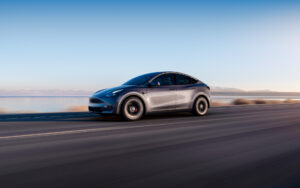
Eight pence a kilowatt-hour at home looks almost trivial until you put it next to what a motorway rapid charger actually bills. On 27 July 2026 I checked the rates myself on the operators’ own pages: Octopus Intelligent Octopus Go charges eligible cars at 8p/kWh overnight, while contactless pay-as-you-go on the ultra-rapid networks runs 83p to 92p/kWh. For a driver covering about 12,000 miles a year, that gap is not a rounding error. It is the difference between a modest monthly energy bill and something that starts to feel like petrol money again.
Most of the “EVs are cheap to run” conversation still skates over where the electricity comes from. Home off-peak, flat-rate household power and public rapid are three different products at wildly different prices, and that split remains the single biggest lever on what a UK EV costs to run — bigger than badge, bigger than battery size. What follows is an inspectable monthly energy-cost model. Every pence figure in it was read off a primary source on 27 July 2026, and each one is named where it is used. Prices checked 27 July 2026.
The rates a UK EV driver can actually get in July 2026
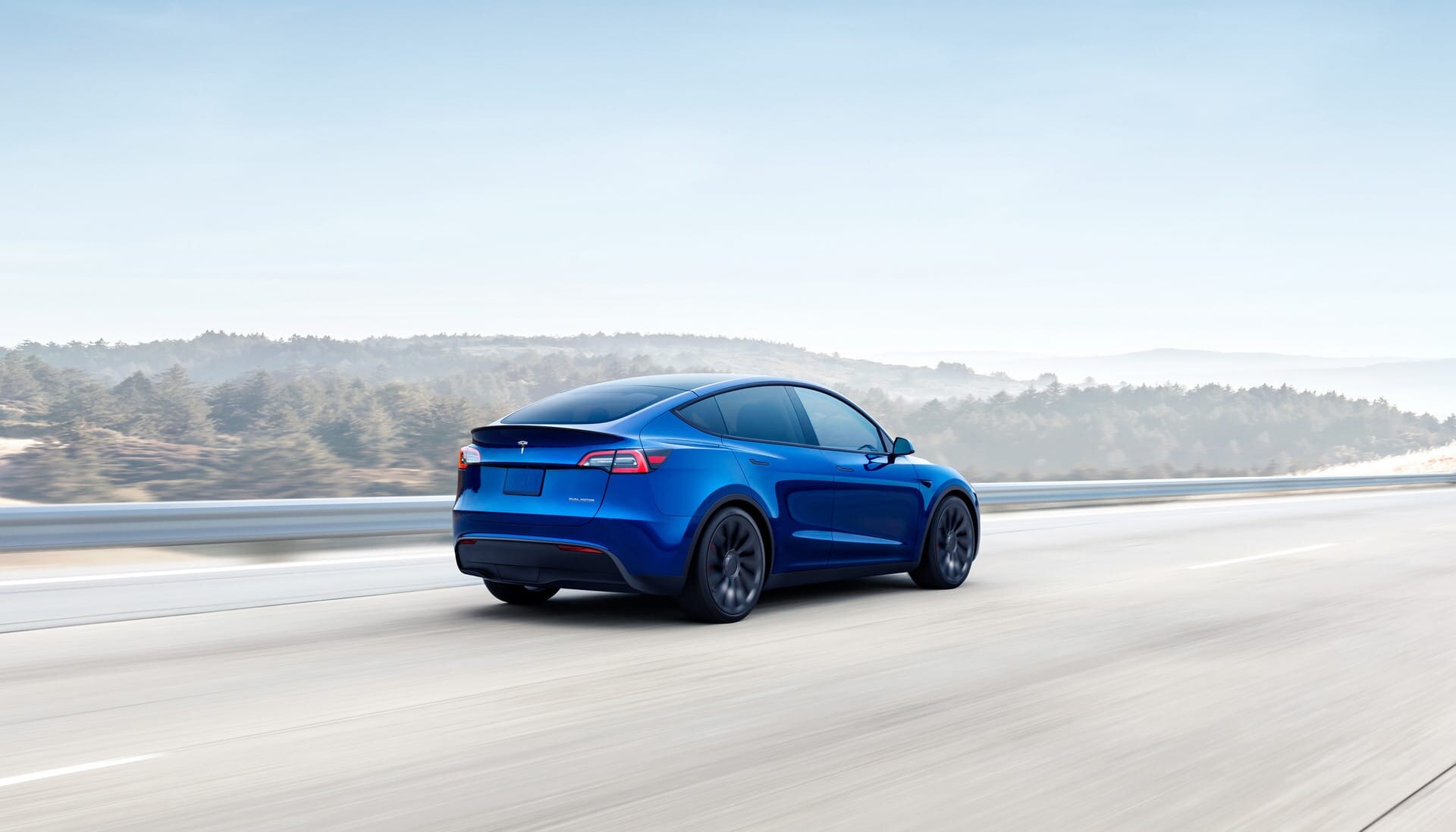
Three established home EV products sit in a tight overnight band, and one of them has moved sharply. Octopus Intelligent Octopus Go lists 8p/kWh for smart-charged eligible cars, with six cheap hours every night between 23:30 and 05:30. EDF GoElectric is cheaper still at 6.99p/kWh off-peak across a seven-hour window from 11pm to 6am, with EDF’s own note putting its EV range at 6.49–6.99p/kWh. OVO Charge Anytime is the outlier: its pay-as-you-go add-on rate is now 14p/kWh, roughly double the other two, though it applies to smart charging at any hour rather than a fixed night window.
The flat-rate comparator is Ofgem’s price cap for 1 July to 30 September 2026: a standard variable electricity unit rate of 26.11p/kWh on Direct Debit, plus a 57.19p daily standing charge, with the headline cap at £1,862 a year. That is up from 24.67p/kWh in the April–June quarter — a 13% rise on the cap — and it is what you pay if you never move to an EV-friendly overnight product.
| Rate (checked 27 July 2026) | p/kWh | Source |
|---|---|---|
| EDF GoElectric off-peak, 11pm–6am | 6.99p | edfenergy.com |
| Octopus Intelligent Octopus Go, 23:30–05:30 | 8p | octopus.energy |
| OVO Charge Anytime, pay-as-you-go add-on | 14p | ovoenergy.com |
| Ofgem price cap, standard variable, Direct Debit | 26.11p | ofgem.gov.uk |
| GRIDSERVE Plus member (£7.99/month) | 64–69p | gridserve.com |
| IONITY UK, app tier | 79p | ionity.eu |
| Osprey, app | 82p | ospreycharging.co.uk |
| IONITY UK, ad-hoc contactless | 83p | ionity.eu |
| GRIDSERVE pay-as-you-go, non-member | 85–92p | gridserve.com |
| Osprey, contactless bank card | 87p | ospreycharging.co.uk |
For the public-rapid line in the model I use 85p/kWh: the midpoint of the three contactless pay-as-you-go rates I checked (IONITY 83p, GRIDSERVE from 85p, Osprey 87p). It is deliberately the walk-up price, because that is what most drivers actually pay on an unplanned motorway stop. Two caveats I would rather name than hide. InstaVolt advertises 55p/kWh for app users between 8pm and 7am, but I could not find its standard daytime rate published on any page I could reach tonight, so InstaVolt is not in the model. BP Pulse’s UK pricing page and the RAC’s Charge Watch tracker both failed to load on 27 July 2026, so neither contributes a figure here. As a sanity check on the 85p line, OVO’s own published assumption for a public charge point operator is 80p/kWh — slightly softer than mine, because subscriptions and app tiers pull the average down.
At 1,000 miles a month, shifting the same energy from 8p home off-peak to 85p contactless rapid multiplies the pure electricity bill by more than ten.
Tesla Model Y efficiency bands for a 1,000-mile month
Real-world mi/kWh swings with weather, speed and load. The model prices three fixed bands for 1,000 miles a month (12,000 a year, level-loaded): 3.0 mi/kWh for heavier cars and cold motorway months; 3.5 mi/kWh as a mixed-UK middle; 4.0 mi/kWh for a lighter right foot and warmer weather. Energy is miles ÷ efficiency: 333.3, 285.7 and 250.0 kWh. Cost is energy × unit rate.
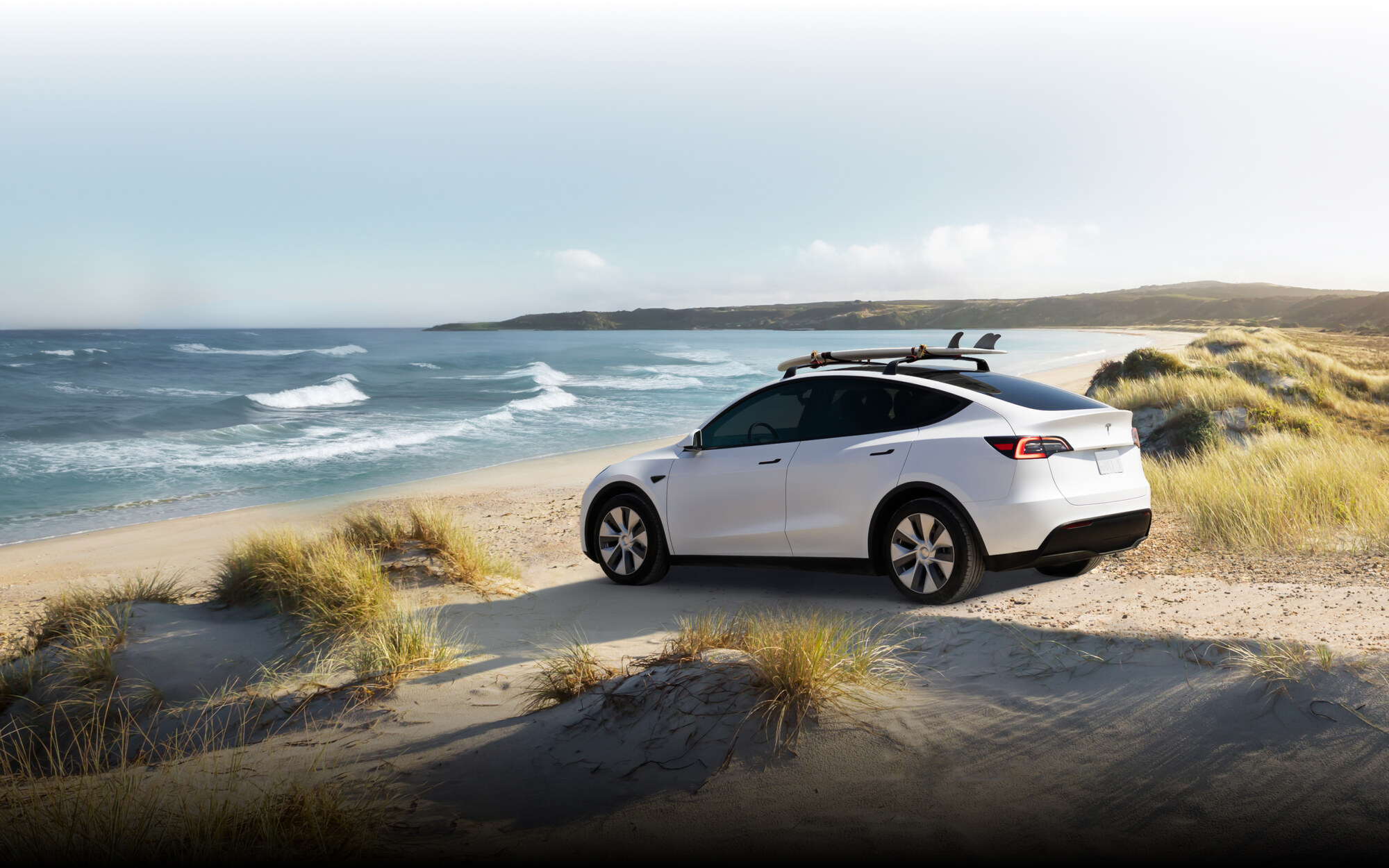
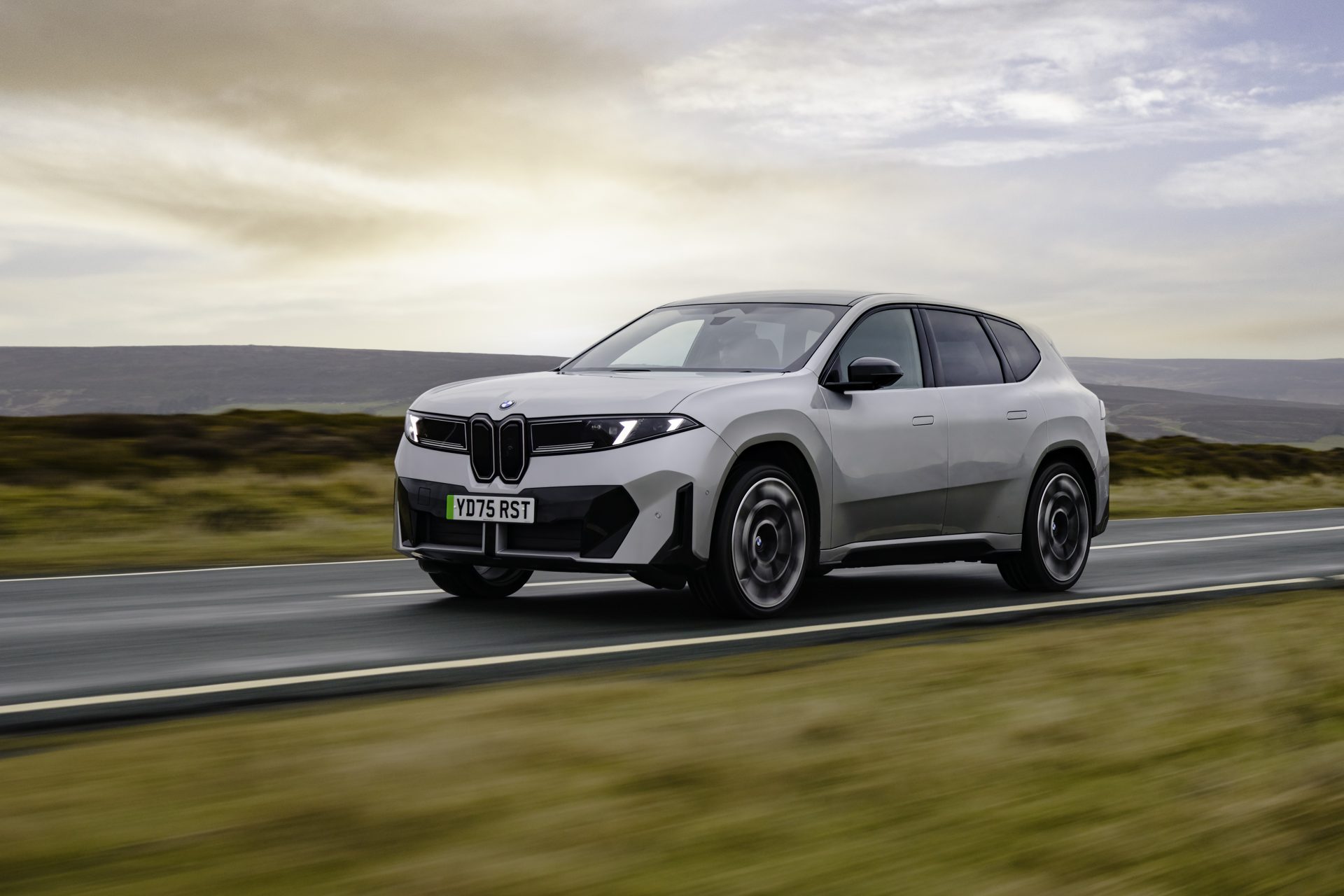
Those bands sit close to WLTP-derived figures for three premium daily drivers: Tesla Model Y RWD at about 4.1 mi/kWh on a 60 kWh usable pack, BMW iX3 at about 3.9 mi/kWh on 74 kWh, and Porsche Macan Electric (Macan 4 framing) at about 3.4 mi/kWh on 95 kWh. Bands first; named packs later for annual totals.
Worked calculation for Tesla Model Y and BMW iX3 energy cost
Inputs (all rates checked 27 July 2026)
- Monthly distance: 1,000 miles (12,000 miles/year)
- Efficiency bands: 3.0 / 3.5 / 4.0 mi/kWh
- Home off-peak: EDF GoElectric 6.99p/kWh; Octopus Intelligent Octopus Go 8p/kWh; OVO Charge Anytime 14p/kWh
- Flat-rate home: Ofgem cap unit rate 26.11p/kWh (1 July–30 September 2026, Direct Debit)
- Public rapid, contactless pay-as-you-go: 85p/kWh
- Named-model WLTP-derived efficiency / usable pack: Model Y RWD 4.1 mi/kWh / 60 kWh; BMW iX3 3.9 mi/kWh / 74 kWh; Porsche Macan Electric 3.4 mi/kWh / 95 kWh
Method and assumptions: 100% of monthly energy at a single unit rate (pure scenario lines); no standing charges, connection fees, idle penalties or membership discounts; no home-charger amortisation; level monthly miles.
Step 1 — kWh per 1,000-mile month
| Efficiency | Energy per 1,000 miles |
|---|---|
| 3.0 mi/kWh | 1,000 ÷ 3.0 = 333.3 kWh |
| 3.5 mi/kWh | 1,000 ÷ 3.5 = 285.7 kWh |
| 4.0 mi/kWh | 1,000 ÷ 4.0 = 250.0 kWh |
Step 2 — monthly cost (£) = kWh × (p/kWh ÷ 100)
| Rate | 3.0 mi/kWh | 3.5 mi/kWh | 4.0 mi/kWh |
|---|---|---|---|
| EDF GoElectric 6.99p | £23.30 | £19.97 | £17.48 |
| Octopus Intelligent Go 8p | £26.67 | £22.86 | £20.00 |
| OVO Charge Anytime 14p | £46.67 | £40.00 | £35.00 |
| Ofgem cap flat home 26.11p | £87.03 | £74.60 | £65.28 |
| Public rapid 85p | £283.33 | £242.86 | £212.50 |
Step 3 — annual totals (£) = monthly × 12
| Rate | 3.0 mi/kWh | 3.5 mi/kWh | 4.0 mi/kWh |
|---|---|---|---|
| EDF GoElectric 6.99p | £280 | £240 | £210 |
| Octopus Intelligent Go 8p | £320 | £274 | £240 |
| OVO Charge Anytime 14p | £560 | £480 | £420 |
| Ofgem cap flat home 26.11p | £1,044 | £895 | £783 |
| Public rapid 85p | £3,400 | £2,914 | £2,550 |
Step 4 — named models at WLTP-derived efficiency, 12,000 miles/year
Method: annual energy = 12,000 miles ÷ efficiency; annual cost = energy × tariff.
| Model (WLTP-derived) | kWh/year | Home 8p | Ofgem cap 26.11p | Public rapid 85p |
|---|---|---|---|---|
| Tesla Model Y (4.1 mi/kWh) | 2,927 | £234 | £764 | £2,488 |
| BMW iX3 (3.9 mi/kWh) | 3,077 | £246 | £803 | £2,615 |
| Porsche Macan Electric (3.4 mi/kWh) | 3,529 | £282 | £922 | £3,000 |
Outputs that matter: at 3.5 mi/kWh, pure contactless public-rapid energy is about £2,914/year against roughly £240–£274 on a 7–8p home night rate — more than ten times. Flat home at the Ofgem cap (£895/year at 3.5 mi/kWh) still undercuts an all-public year by about £2,000. Cost-per-mile at 8p home: about 2.7p at 3.0 mi/kWh and 2.0p at 4.0; at 85p public: about 28.3p and 21.3p per mile.
Why £0.08/kWh still holds for a Tesla Model Y daily driver

Octopus’s published 8p night rate is the cleanest match for the headline comparison, and EDF at 6.99p only strengthens the home side. On a 1,000-mile month at 3.5 mi/kWh, 8p at home is £22.86; the same energy at 85p contactless is £242.86. Unit arithmetic, not marketing. What has changed since this model last ran on July 2024 rates is instructive: the flat-rate cap has come down from 28.6p to 26.11p, EDF has got cheaper, Octopus has nudged up from 7.5p to 8p, and OVO’s Charge Anytime add-on has roughly doubled to 14p. The overnight products moved in different directions — which is exactly why a tariff you signed two years ago deserves a re-read.
Treating rapid as a lifestyle default rather than a tool is where people lose the plot. A long motorway day on IONITY or GRIDSERVE pricing is rational; building every midweek top-up around 85p contactless is how a premium EV starts to feel oddly expensive. If you charge on the public network often enough, the subscriptions do real work — GRIDSERVE Plus at £7.99 a month cuts its rate to 64–69p/kWh, and IONITY’s paid tiers drop to 49p — but that is a decision to make deliberately, not something a contactless tap does for you. The wallbox decision sits next door — see the best home EV charger choices in 2026.
BMW iX3, Tesla Model Y and Porsche Macan Electric named packs
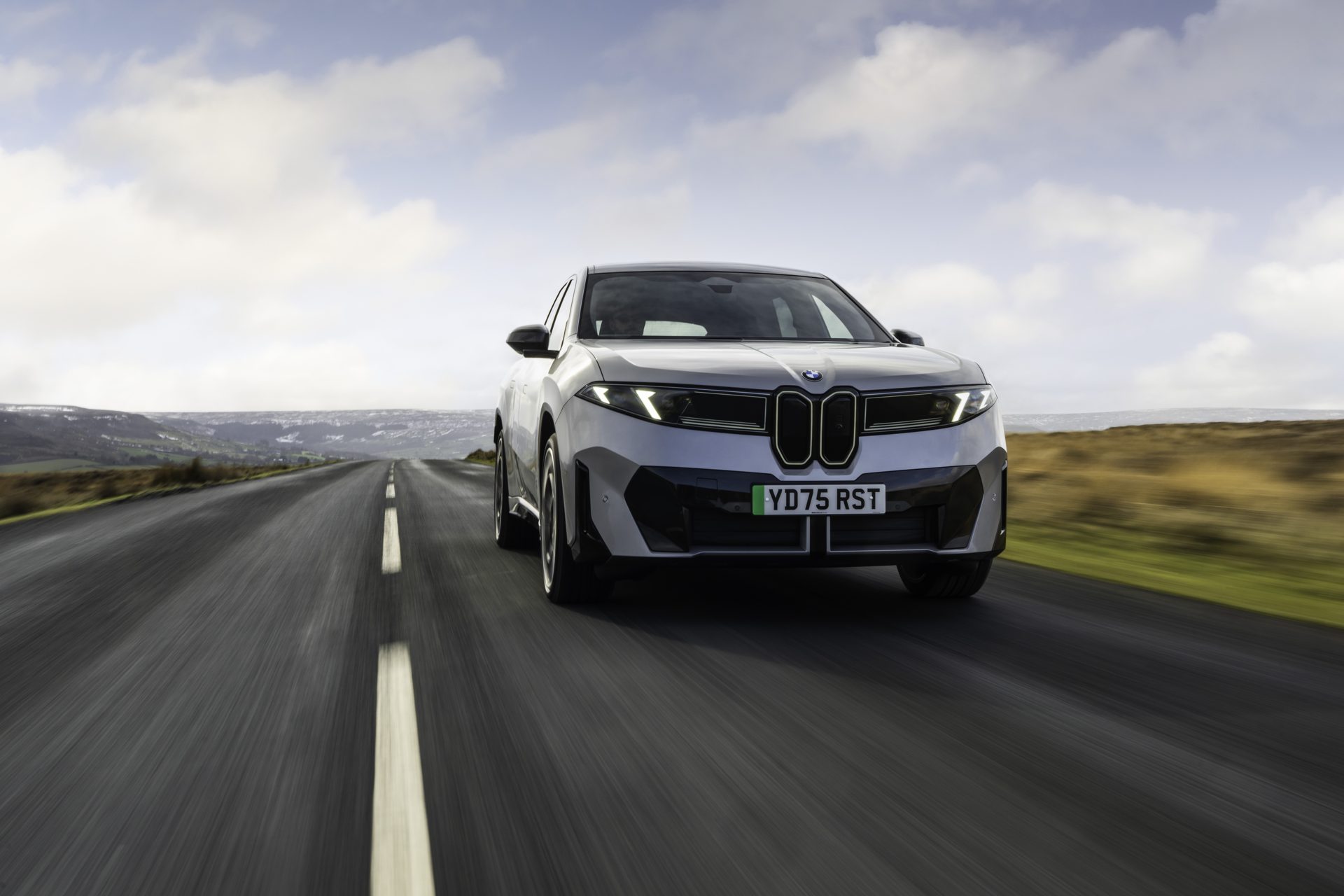
Battery size does not rewrite the unit-rate story; efficiency does. On pure contactless rapid at 12,000 miles, the Macan’s 3.4 mi/kWh line is about £3,000 a year against roughly £2,488 for the Model Y at 4.1 — same 85p rate, different thirst. On 8p at home, both stay inside a few hundred pounds. Pack size matters for range; efficiency prints on the bill. These annuals are energy-only — no standing charges, charger hardware or company-car tax framing (see the fuel benefit versus EV charging benefit gap for 2026/27).
The quiet failure mode is flat-rate home power. At the 26.11p cap, a 3.5 mi/kWh year is about £895 — still far below an all-public year, but three to four times an overnight EV tariff, and the cap has just risen 13% in a single quarter. Broader context: EV running costs in 2026: home charging versus public prices; this model is the calculator layer.
Three leaks still matter. Peak-hour home top-ups fall outside the cheap window on every one of these tariffs and are billed at the supplier’s day rate, which erases most of the overnight gift. Unplanned motorway sessions as the weekly norm push the annual line toward £2,500–£3,000. And brochure mi/kWh in January is fiction: drop from 4.0 to 3.0 and monthly home off-peak rises by roughly a third; at 85p contactless, £212.50 becomes £283.33 for the same 1,000-mile month.
Where this leaves a premium EV’s running-cost case
If most of a 12,000-mile year can live on a 7–8p overnight home product, pure energy cost for a premium EV sits in the low hundreds of pounds — Model Y territory around £234 at brochure-leaning efficiency, the Macan still under £300 on 8p. That is the driveway case, without romance.
If life is public-rapid first — no reliable overnight access, heavy motorway weeks — price energy closer to £2,500–£3,000 a year on this mileage at walk-up contactless rates. That does not make the car irrational. It does mean “pennies per mile” stops being your friend, and residual value and finance must carry more of the case.
My position is blunt: for a UK driver with off-street parking, the 8p-class home night rate is what makes a premium EV’s running-cost story honest; public rapid is the safety net and the long-trip tool, not the default fuel. The rates above were read off the operators’ own pages on 27 July 2026, and the Ofgem cap changes again on 1 October. If most of your kilowatt-hours cannot live on the overnight line, recalculate at the rate you will actually be charged before you sign — not after the first quarterly statement surprises you.
Buyer action
EV and salary-sacrifice checks
Use this as the final check before paying a deposit, signing finance paperwork or relying on a headline monthly figure.