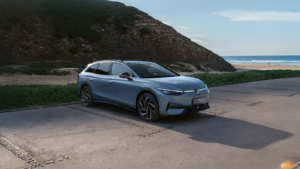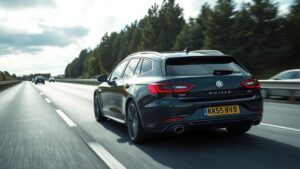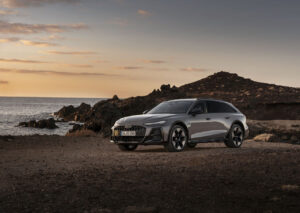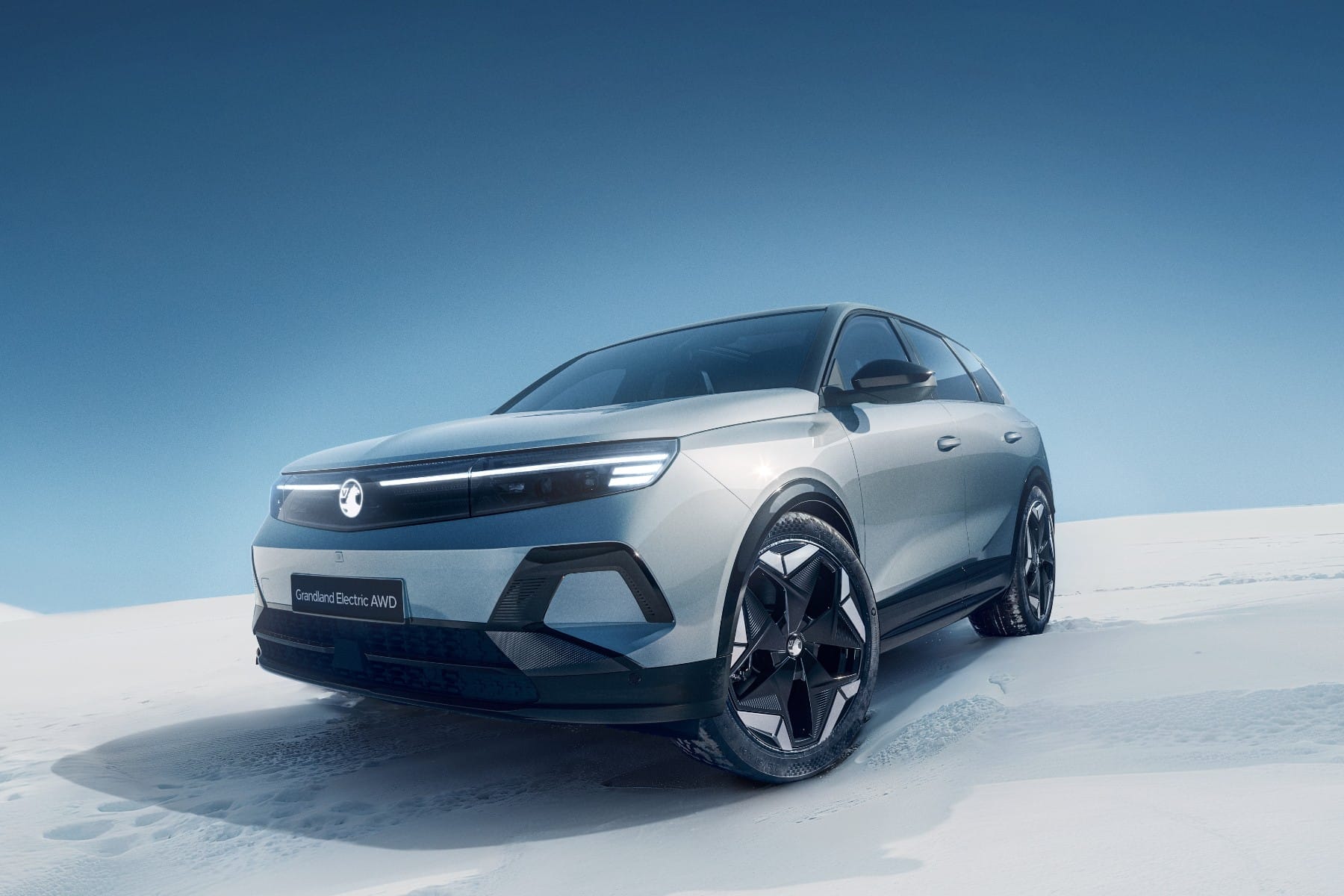
Vauxhall has done something quietly clever with the Grandland Electric, and it has almost nothing to do with the 0–62 time. When it confirmed the all-wheel-drive version on 11 June 2025, the headline was the power. The real story sits three lines down the price list: every version of this family SUV starts below £40,000. For a car Vauxhall wants waved onto every fleet and salary-sacrifice list in the country, that number does more work than any horsepower figure.
I’ll come to the performance, because the AWD car has plenty of it. But if you’re reading this as a company-car driver (and Vauxhall is betting most of you are), the pricing decision is the whole game.
The £40,000 line Vauxhall refused to cross
Since April 2025, electric cars pay road tax like everything else, and any car registered from 1 April 2025 with a list price over £40,000 gets clobbered with the Expensive Car Supplement: an extra charge that stacks on top of the standard rate from the second year for five years, as set out in DVLA’s published vehicle tax rate tables. It has quietly caught out a lot of mid-size EV buyers who assumed “electric” still meant “exempt”.
The Grandland Electric ducks under that line by design. The all-wheel-drive car in GS trim lands at £35,495 on the road after the £1,510 Electric Car Grant, and even the range-topping Ultimate trim stops at £36,995. The single-motor car opens from £35,455 in Design trim on the same post-grant basis. Nothing in the line-up flirts with £40,000. That’s not an accident of spec, it’s Vauxhall deliberately keeping the whole family clear of the surcharge, which matters far more to a private buyer than the difference between two trim levels.
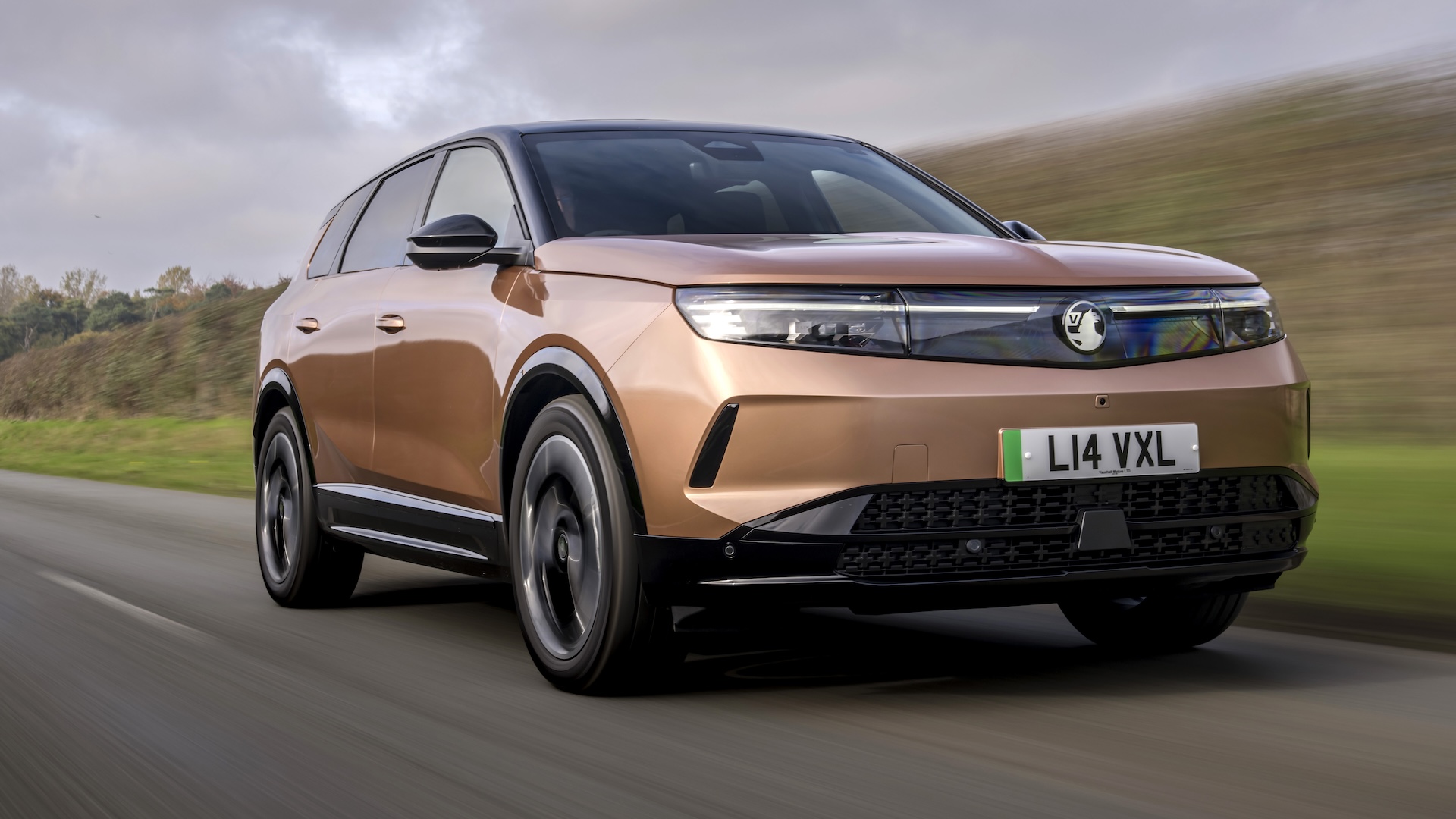
For a fleet manager building an approved list, that consistency is gold: there’s no “pick this trim but not that one” footnote to police. The whole range behaves the same way on tax, and electric company cars still sit in the lowest benefit-in-kind band. For the 2026/27 tax year, HMRC rates a pure EV at just 4% of its P11D value, against up to 37% for a petrol equivalent. Take a P11D of around £38,000, near the Grandland’s list price: at 4% that’s roughly £1,520 of taxable benefit a year, which works out near enough £25 a month in tax for a 20% earner and £51 for a 40% earner. Your own figure turns on the exact trim, options and tax band, and this isn’t tax advice, but that gap is why the salary-sacrifice maths on a car like this stays so persuasive against petrol. The BiK rate is pencilled in to rise by only a point a year, so most of the advantage is banked over a typical three-year lease. It’s the same logic that makes the Renault Scenic E-Tech such a strong salary-sacrifice case: keep the P11D low, keep the driver’s monthly deduction low.
Two Grandlands wearing one badge
There are effectively two cars here, and they suit different drivers. The single-motor Grandland Electric makes 213PS and 345Nm, and it’s the efficiency champion of the pair: up to 323 miles WLTP on a 73kWh usable battery. For most company-car drivers doing a motorway commute and the school run, that’s the sensible pick, and the longer range is a genuine argument, not a spec-sheet flourish.
| Grandland Electric | Single-motor | All-wheel drive |
|---|---|---|
| Power | 213PS | 325PS |
| Torque | 345Nm | 509Nm |
| WLTP range | up to 323 miles | up to 311 miles |
| Usable battery | 73kWh | 73kWh |
| Rapid charging | 160kW, 20–80% in ~26 min | 160kW, 20–80% in ~26 min |
| Price after grant | from £35,455 (Design) | from £35,495 (GS) |
| My pick | Yes for most families: range and price | Only if you need all-weather traction |
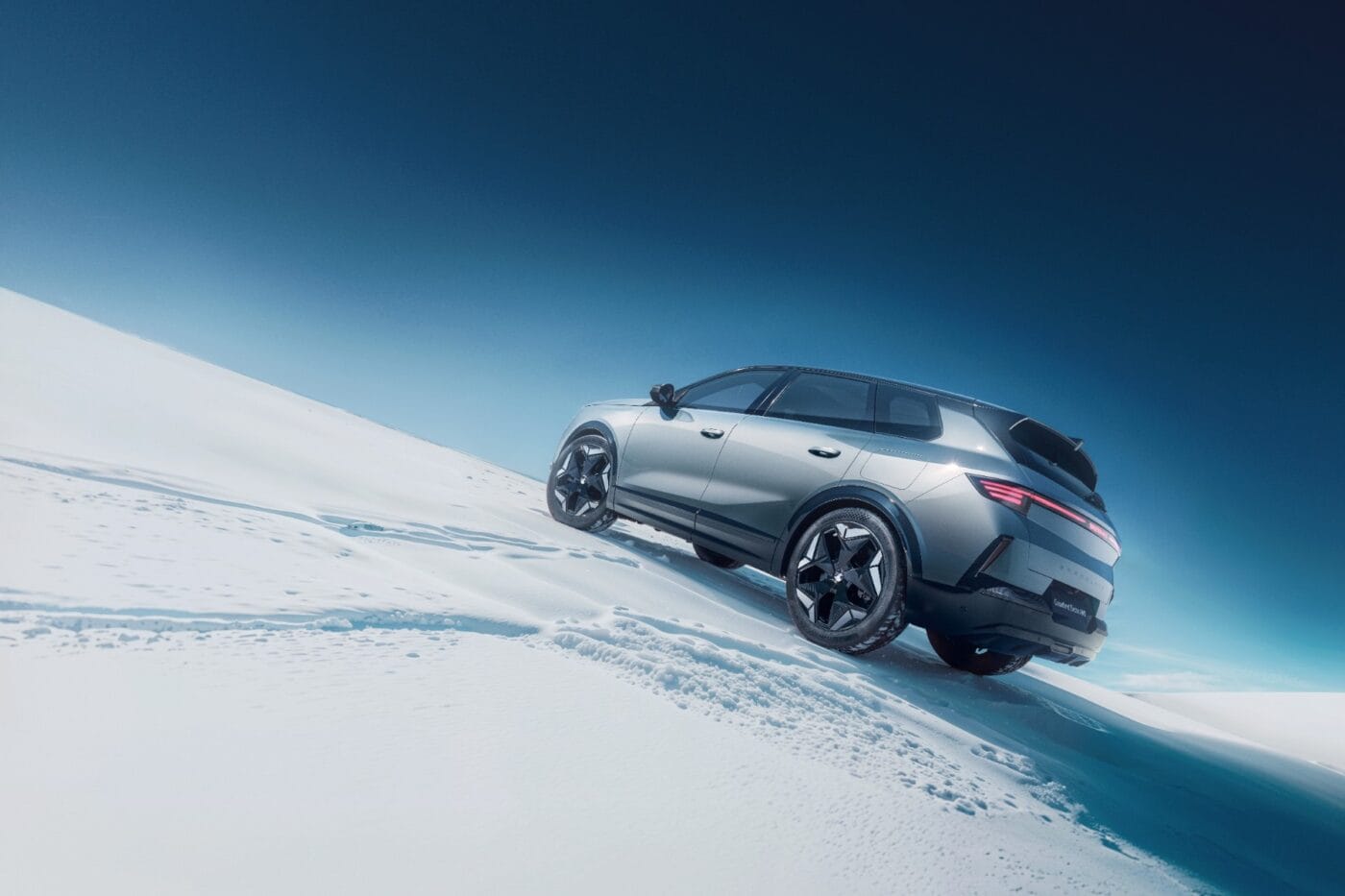
Then there’s the AWD car, and this is where Vauxhall has gone chasing a different buyer. The same 73kWh battery, but 325PS and 509Nm split across both axles, 0–62mph in 6.1 seconds, and a claimed range of up to 311 miles. You lose a handful of miles to the second motor and gain a genuinely quick, all-weather family SUV: four drive modes (AWD, Sport, Normal and Eco) let you dial between traction and efficiency depending on whether it’s a wet B-road or a dry commute.
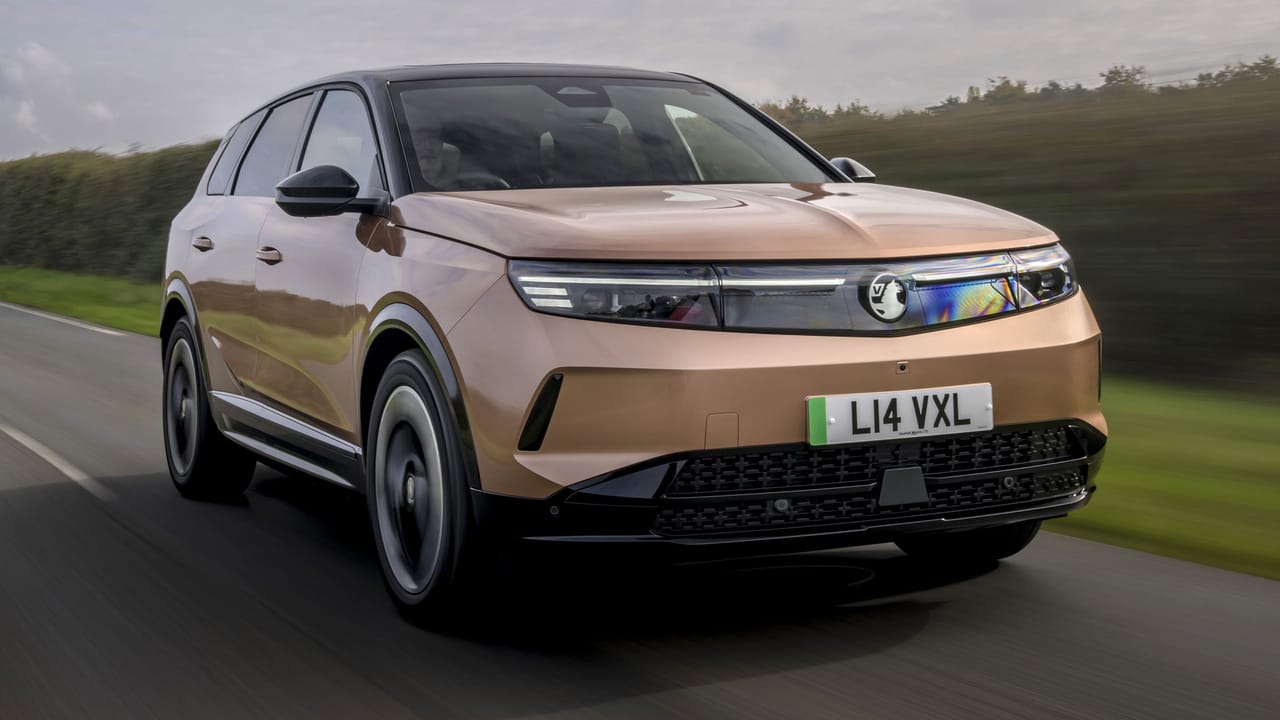
The detail I keep coming back to is the chassis. Vauxhall has fitted Frequency Selective Damping to the Grandland for the first time: suspension that firms up or softens depending on the road surface rather than a fixed setting. On paper it’s the sort of thing that reads as marketing; in practice it’s the difference between a family SUV that thumps over broken tarmac and one that settles. For a car that’s going to spend its life carrying kids and dogs over British roads, that’s a more meaningful upgrade than the extra 112PS.
Vauxhall isn’t selling the fastest thing in the class, or the longest-range. It’s selling the version of a family EV that a finance director can approve without a single asterisk, and that’s a sharper commercial instinct than another 20 miles of range.
What “Electric All In” is actually worth
Bundled ownership perks are usually where the small print eats the headline, so it’s worth being specific about what Vauxhall is offering. The Electric All In package includes eight years of roadside assistance, a £500 credit towards a home wallbox or public charging, and, the one that genuinely moves the running-cost needle, 10,000 miles of free home charging delivered via an Octopus Go tariff.
Ten thousand miles of home electricity is, for a typical company-car driver, comfortably a year’s worth of charging covered. Tie that to the low benefit-in-kind position and the sub-£40,000 tax status, and Vauxhall has built a car where the three biggest cost worries for a first-time EV driver, the tax, the charger and the energy bill, are all answered in one line of the brochure. That’s the kind of packaging that gets a car onto a shortlist, and it’s aimed squarely at the driver who’s nervous about the switch rather than the enthusiast who’s already done the sums.
Charging and range: the numbers that decide the commute
Both cars share the same charging hardware, and it’s competent rather than class-leading: 160kW DC rapid charging, with a 20–80% top-up in around 26 minutes. That’s a coffee-and-a-sandwich stop on a long run, not a sit-down lunch, and it’s enough for the once-a-fortnight motorway journey that trips up drivers who’ve talked themselves out of an EV.
Where I’d be honest is that 160kW is now the middle of the pack rather than the front of it, and some rivals will pull higher peak rates. But for a car whose natural habitat is a home wallbox overnight and the occasional service-station splash, the real-world difference is smaller than the spec gap suggests. Range is the more decisive number, and here the single-motor car’s 323 miles gives it a usable buffer that survives a cold, motorway-heavy winter better than the headline suggests.
If you’re cross-shopping at this money, it’s worth reading the Grandland against the premium electric SUVs a rung or two up the price ladder before you commit: the Vauxhall’s case rests on tax efficiency, not badge, and that trade is worth going in with your eyes open. Anyone weighing whether to buy new at all should also look at what a three-year-old family EV now offers for the money, because the depreciation curve on this class is steep.
Timing and the case for waiting a beat
Sales opened in early autumn 2025 with deliveries following later in the season, so this is a car you can order now rather than a concept teased for next year. Full specification and pricing were confirmed by Vauxhall through the same Stellantis announcement that set out the AWD figures, and its own configurator lets you build one to spec.
Here’s where I land. As a private buyer chasing driving thrills, the Grandland Electric isn’t the car I’d lose sleep over: there are sharper, longer-legged EVs at the money if that’s all you’re optimising for. But that misreads what Vauxhall built. This is a company-car and salary-sacrifice weapon first, and on that brief it’s close to ruthless: a whole range kept under the surcharge threshold, the lowest tax band, a year of home charging thrown in, and a chassis upgrade that finally makes it pleasant to live with. The single-motor car is the one I’d put on the list, because the extra range and the lower price make the AWD car’s pace feel like a want rather than a need for most families. If you’re choosing your next company car from a spreadsheet rather than a race track, this is the Vauxhall that earns its place on it.
Buyer action
EV and salary-sacrifice checks
Use this as the final check before paying a deposit, signing finance paperwork or relying on a headline monthly figure.