Car Deal ExpertIndependent UK car-buying guidance: premium used cars, finance, salary-sacrifice EVs, insurance, recalls and consumer protection since 2008.
Used Audi A6 vs BMW 5 Series vs Mercedes E-Class: which executive saloon I’d actually buy
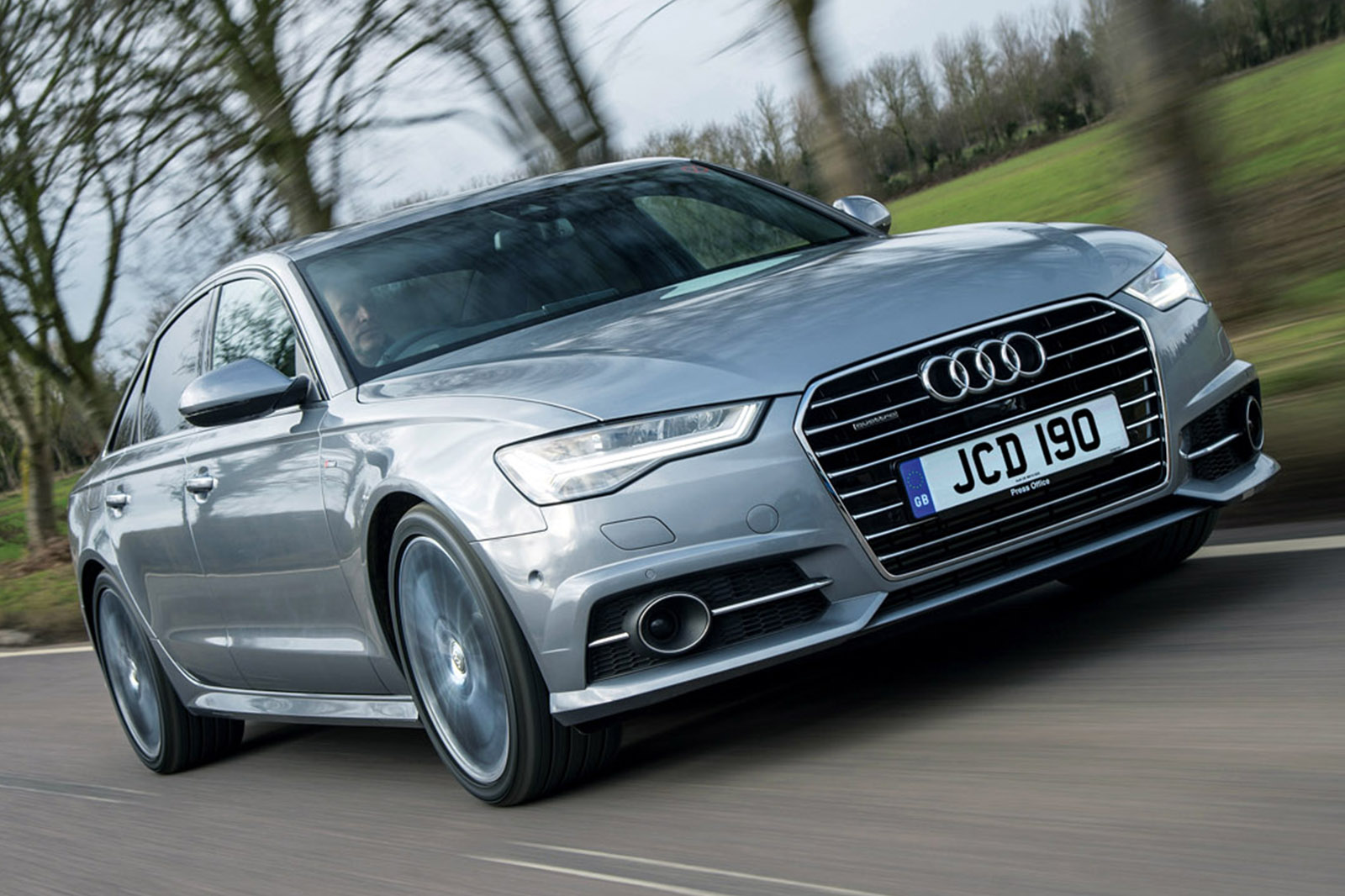
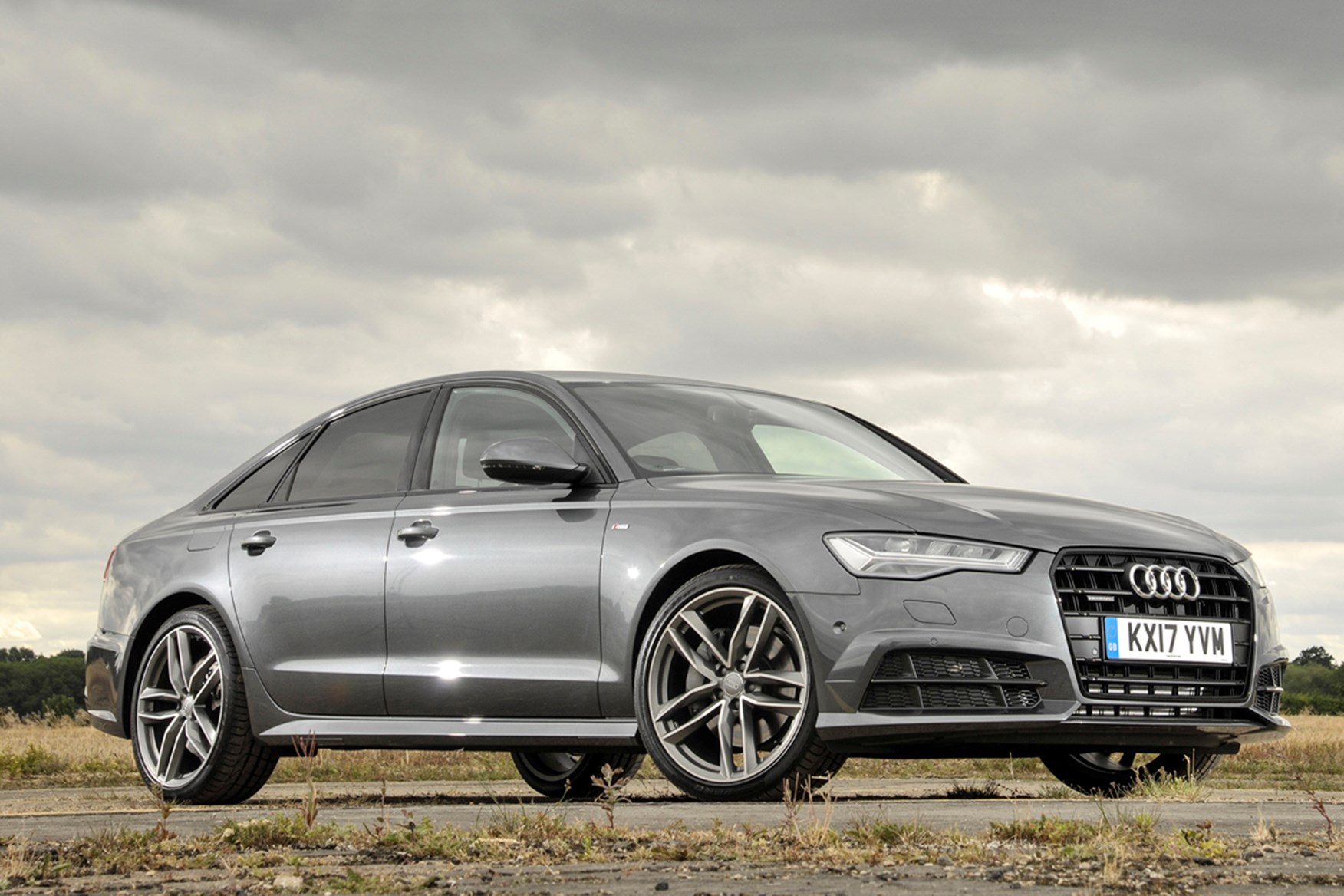
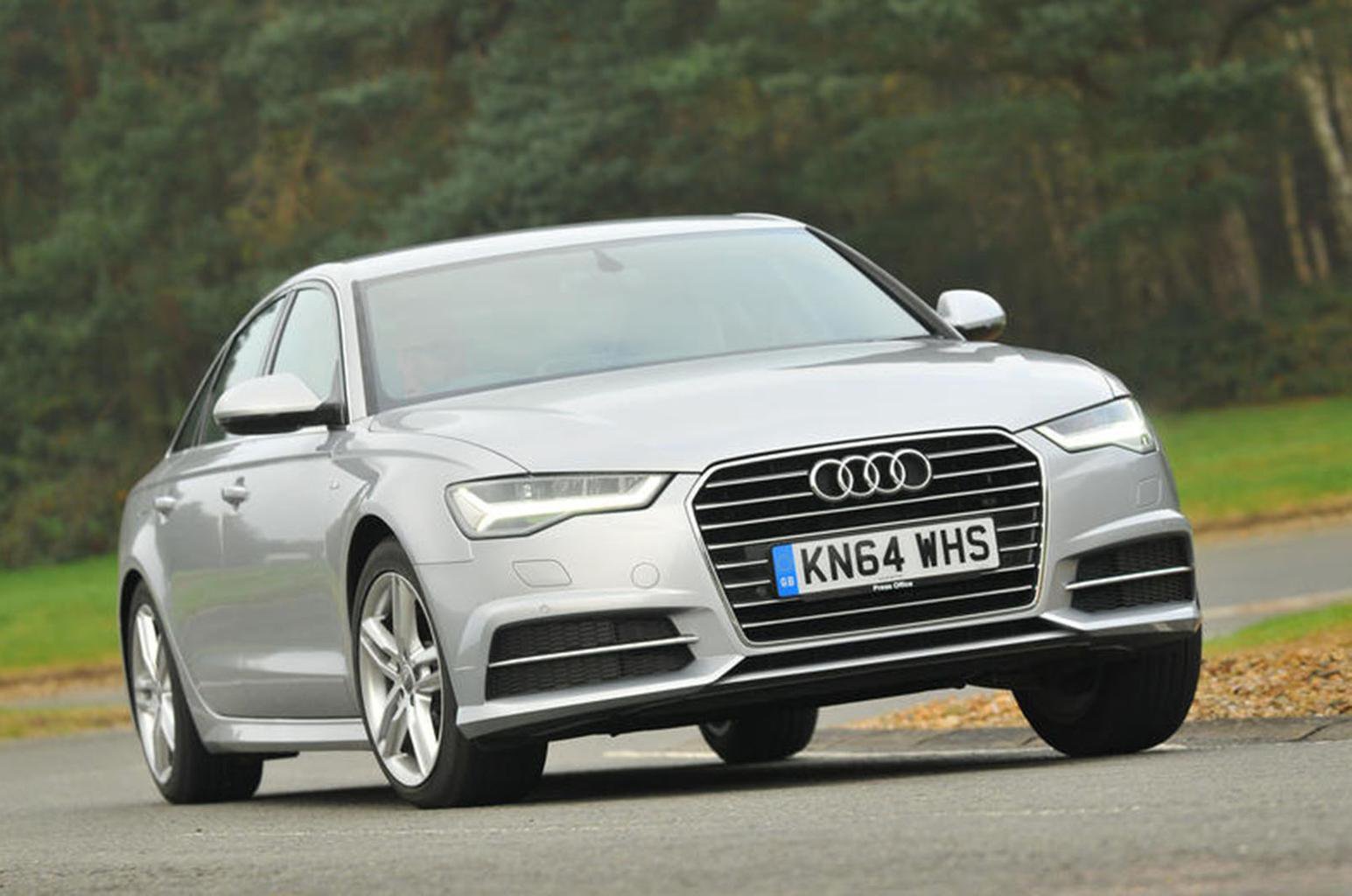
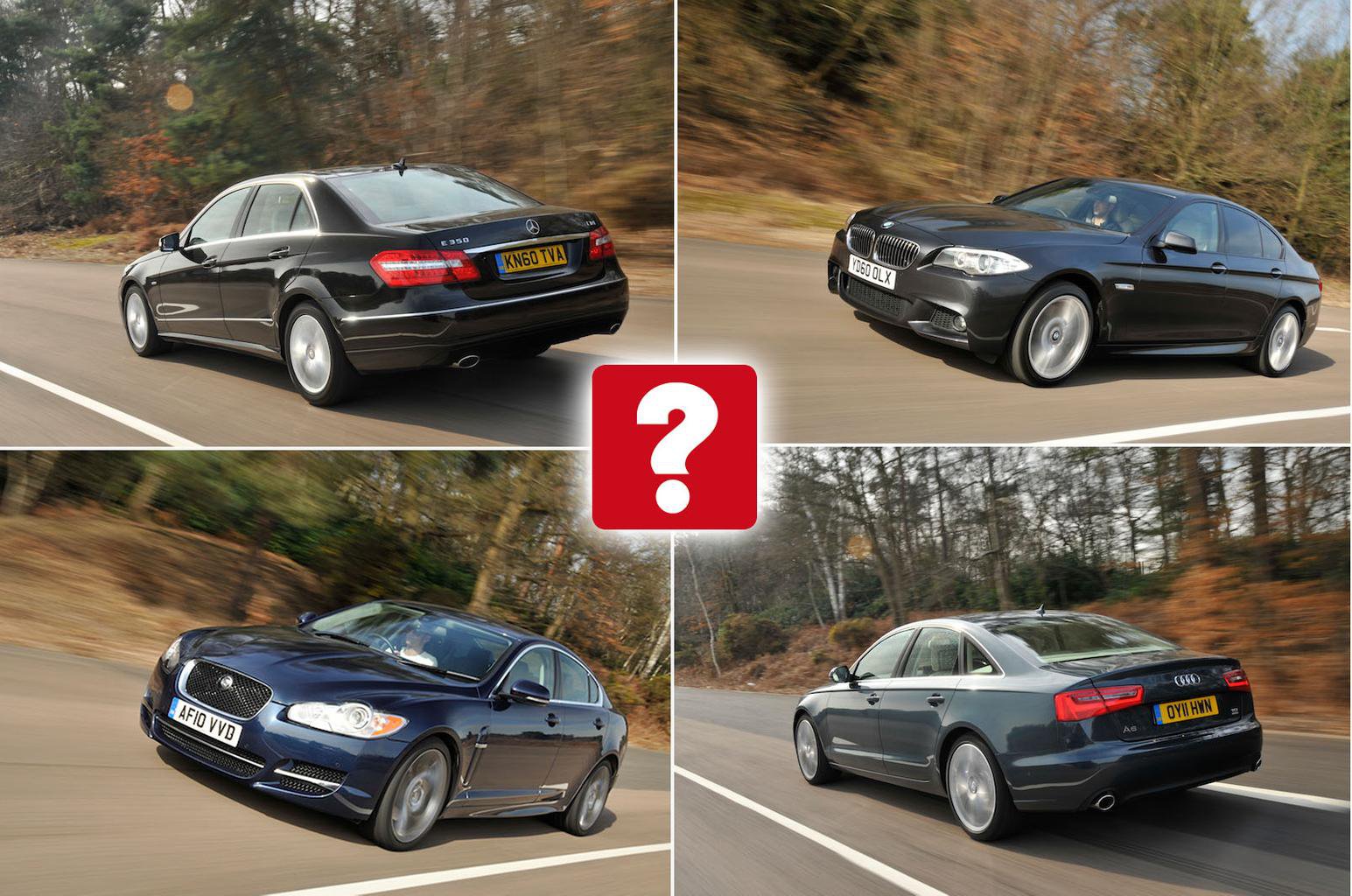
A 2011 Audi A6 3.0 TDI quattro cost £39,100 the day it left the showroom. Five years and roughly 50,000 miles later, you could buy that same car for £16,000. That isn’t the story of a luxury saloon falling off a cliff — it’s the story of the one big German executive that held its money best, and it’s where I’d start any conversation about used Audi A6 versus BMW 5 Series versus Mercedes E-Class. The figures here come from What Car?’s 2016 used test, which put all three diesel saloons head to head, and they still frame the trade-off you face today: pay more for the badge that depreciates slowest, or less for the one that drives best.
These are the cars I get asked about constantly — the £14,000-to-£16,000 used executive saloon is one of the most-shopped corners of the UK market, because it’s where a fleet-returned car that cost the thick end of forty grand becomes genuinely attainable. So let me be specific about what your money buys, because the three badges are not interchangeable, and the cheapest on paper is not the one I’d sign for.
The money, and where it lands (executive saloon)
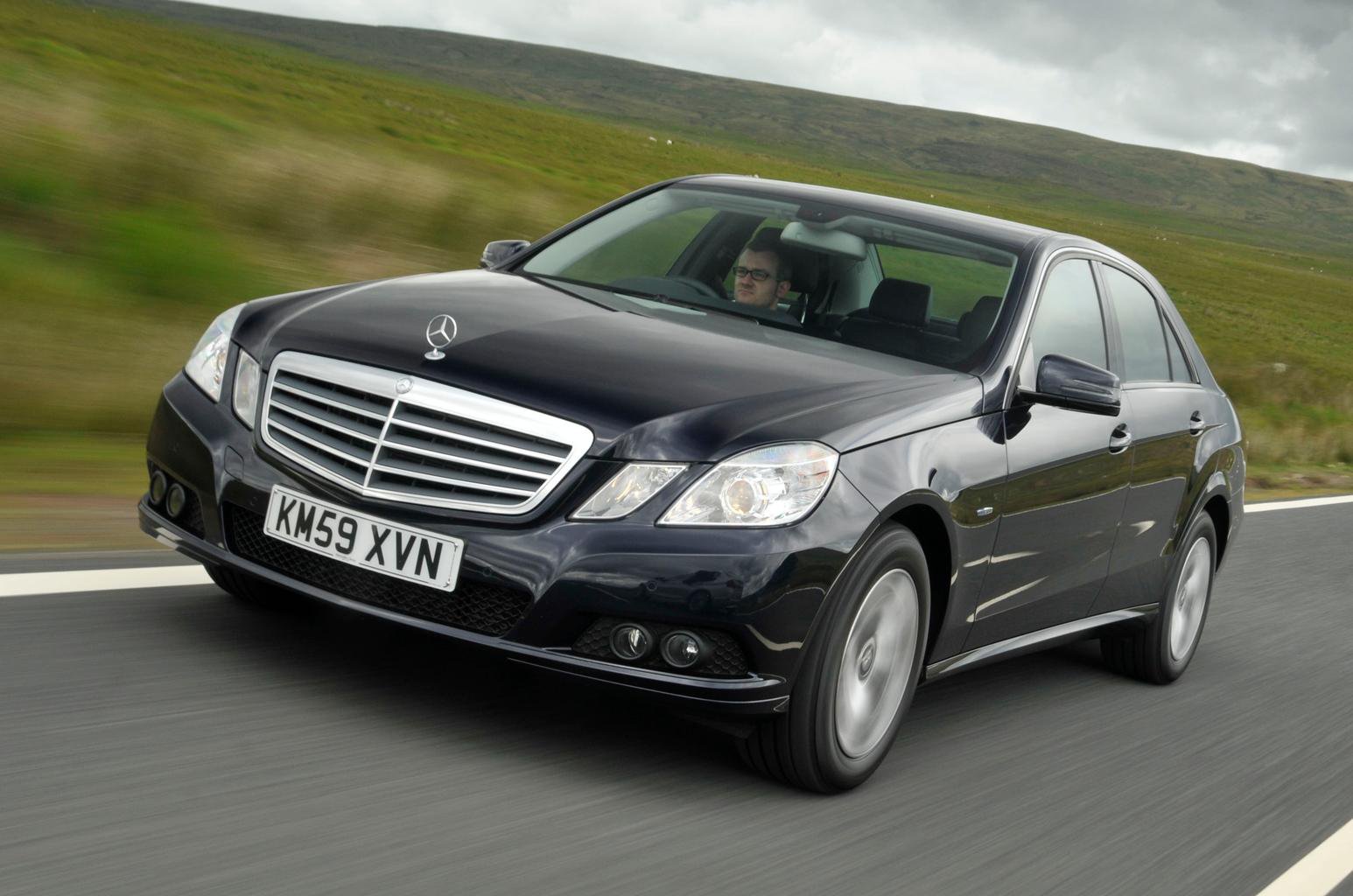
Start with the depreciation, because it’s the single biggest cost of owning one of these and the figure most buyers ignore. In that 2016 test the Audi A6 3.0 TDI quattro SE S tronic had gone from £39,100 new to £16,000 used. The BMW 530d SE automatic — a £40,220 car when new — sat at £15,500. The Mercedes E350 CDI BlueEfficiency Avantgarde, £37,505 new, had dropped furthest, to £14,000.
Used executive saloon
Audi A6 3.0 TDI quattro
BMW 530d SE
Mercedes E350 CDI
Price new
£39,100
£40,220
£37,505
Used price (What Car? 2016 test)
£16,000
£15,500
£14,000
Official economy
47.1mpg
46.3mpg
45.6mpg
CO2
158g/km
160g/km
162g/km
Reliability (2016 class data)
4th, ahead of both rivals
Behind the A6
Behind the A6
Best for
Holding value, fewest worries
Driving engagement
Ride comfort, cheapest in
Where I’d land
Winner overall
Driver’s pick
Comfort pick
Figures: What Car? 2016 used test of all three diesel saloons.
Read that the way a buyer should. The Mercedes is the cheapest to get into by £2,000, and if your only goal is the most badge for the least outlay, it wins on the forecourt. But the Audi started dearest and stayed dearest, which tells you the market trusts it to keep being worth something — and that matters enormously when it’s your turn to sell. The BMW splits the difference almost to the pound. None of this is bargain-hunting; it’s spending £14k-£16k cleverly on a car that cost someone else the better part of £40k.
How they actually drive
This is where the badges stop being interchangeable and start having personalities. The BMW 5 Series is the driver’s car of the three — the best handling, the most genuine engagement through the wheel, the one that rewards a good B-road. If you actually enjoy driving and you’re going to keep this car for years, the 530d is the one that won’t bore you.
The Audi A6 plays it differently. It’s comfort-led and beautifully built, but the steering is lighter and less involving — it insulates you rather than talks to you. For a long motorway commute that’s a feature, not a fault. The Mercedes E350 has the smoothest ride of the lot, the most relaxed gait, the sense that it’s gliding while the others are merely driving. The catch is the engine: the E-Class diesel is the noisiest of the three, and once you’ve noticed the clatter on a cold start you don’t un-notice it. What Car?’s used E-Class review is worth reading before you commit to that powertrain.
The BMW is the one you drive for the love of it; the Audi is the one you buy to stop worrying about it. That single sentence is the whole decision.
Running costs: the numbers that decide it
On official economy the three are remarkably close, which is itself telling — there’s no get-out clause here, no model that’s secretly cheap to run. The Audi A6 3.0 TDI returns 47.1mpg, the BMW 530d 46.3mpg, and the Mercedes E350 CDI 45.6mpg. CO2 follows the same order: 158g/km for the Audi, 160 for the BMW, 162 for the Mercedes. A 16g/km spread across the field is rounding-error territory — fuel and emissions will not decide this for you, and anyone telling you one of these big diesels is meaningfully thriftier than the others is selling something.
Servicing is where the gap opens, and where I’d do my homework before signing anything. On the Audi A6, a minor service runs to around £205 and a major service about £365 — and that £365 figure is for the 2.0-litre engines. The bigger units, like the 3.0 TDI quattro that tops this comparison, cost more, so don’t budget the headline number for the car you actually want. Tyres, brakes and the inevitable bits of suspension wear on a 50,000-mile executive saloon will dwarf the service invoices anyway. The point isn’t that these cars are expensive to maintain — it’s that they cost executive-saloon money to keep right, and the bargain-basement used price doesn’t change that. Budget like the owner of a £40,000 car, because mechanically that’s still what you’ve got.
Which one won’t let you down
Reliability is the quiet tie-breaker, and it’s the reason I lean the way I do. In the 2016 ownership data the Audi A6 ranked fourth in its class — and crucially, it placed ahead of both the BMW 5 Series and the Mercedes E-Class, as well as the Jaguar XF, in that survey. Autocar’s nearly-new buying guide to the 2011–2018 A6 is the piece I’d hand anyone shopping this car, and it’s worth cross-referencing with What Car?’s A6 used review and Parkers’ verdict before you part with a deposit.
That reliability finding lines up neatly with the depreciation story. The Audi holds its value best and beat its rivals for dependability in the same window — those two facts reinforce each other, because the market prices in trust. A car people expect to keep running is a car people will keep paying for second-hand.
What I’d do with fifteen grand
Here’s my position, and I’m not going to hedge it. If you genuinely love driving and you’ll keep the car long enough that residuals matter less than the daily pleasure of it, buy the BMW 530d — it’s the most engaging car here and the dynamic gap is real, not marketing. If your priority is the calmest possible motorway car and you can live with a gruffer engine, the Mercedes E350 is the comfort champion and the cheapest way in.
But for most people most of the time, I’d put the money on the Audi A6 3.0 TDI quattro — and I’d do it knowing I was paying a little more than the Mercedes to get in. It held its value best, it ranked ahead of both rivals for reliability, and it’s the one I’d trust to still be worth selling when I’m done with it. The lighter steering is the price of admission, and on a daily-driver executive saloon I’ll take that trade every time.
What would change my mind? A full Audi service history that proves the 3.0 TDI’s bigger maintenance bills were actually paid, versus a BMW with a fastidious file and a price £500 under it — paperwork beats badge prejudice. Find me a 530d that’s been loved and I’ll happily eat my words. But walk onto a forecourt with £15,000 and no time to forensically vet three cars, and the A6 is the one I’d back to make the fewest demands of you. That’s not the exciting answer. It’s the right one.
We use cookies to make this site work, measure how it is used, and (with your consent) personalise advertising. Strictly necessary cookies always run. Analytics and advertising cookies run only if you accept. See our Cookie Policy and Privacy Policy.
Car Deal Expert — independent UK automotive publisher since 2008.