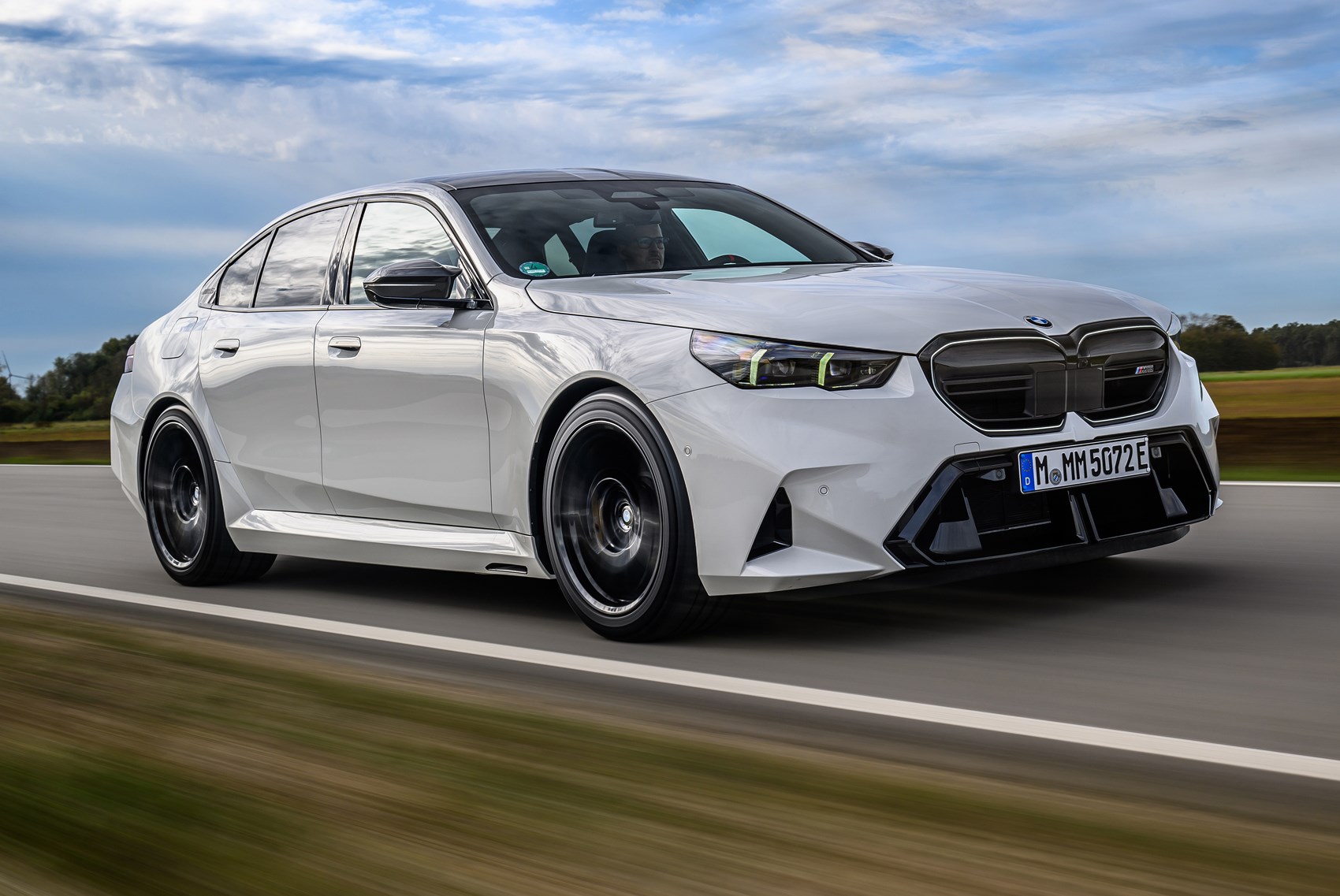
Used BMW M5 (F90) vs M5 (G90): The Petrol Send-Off vs the Plug-In Hybrid, and Which One Britain Should Buy
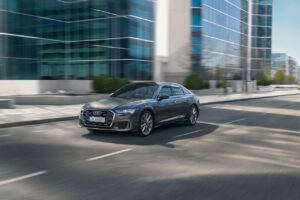
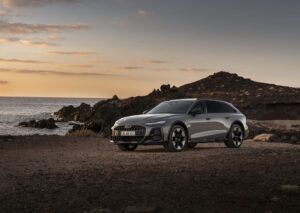
Two M5s, one badge, and 650kg between them. As of 2026 that gap defines a real choice for British buyers: the F90 has settled into used-buy territory while the new G90 still lists from £111,885, so you are no longer picking between two showroom cars but between a used petrol super-saloon and a depreciating plug-in hybrid. BMW’s published figures put the latest car at 2,435kg for the saloon and 2,475kg for the Touring, roughly the weight of a grand piano and its delivery van more than the F90 it replaced, and once you sit with that, the question of which used super-saloon belongs on a British driveway gets a lot more interesting than the spec sheet first suggests.
The cleanest read of the new car comes from CAR Magazine’s G90 review, which lays out the headline trade plainly: 717bhp and 738lb ft from a 4.4-litre twin-turbo V8 paired to an electric motor, 0–62mph in 3.5 seconds, and a plug-in hybrid drivetrain that exists mostly to satisfy a CO2 figure. That is the tension I want to unpick here, because the F90 and G90 are not really the same car wearing different paint: they are two opposing philosophies of what a fast saloon should be.
The F90: the last of the simple ones (used BMW M5)
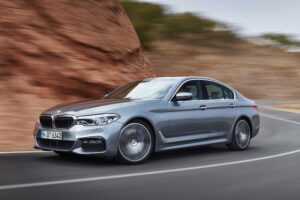
The outgoing F90 M5 made 600hp and 553lb ft from a non-hybrid version of the same 4.4-litre V8. No battery, no electric motor, no 18.6kWh pack slung under the boot floor. It is the last M5 you can buy that is, mechanically, just an engine, a gearbox and four driven wheels, and on the used market that is exactly its appeal.
I keep coming back to what 600hp actually feels like in the real world, which is to say: more than enough. The F90 was never short of pace, and the absence of a hybrid system means it dodges the one thing that defines the G90, which is mass. For a buyer who wants a usable, fast, four-door BMW that won’t ask awkward questions about charging routines, the F90 is the M5 that does the job without the asterisks.
The G90: clever, heavy, and a bit conflicted
The G90 is the more sophisticated machine on paper and the more compromised one in spirit. The plug-in hybrid setup promises 42 miles of WLTP electric range from that 18.6kWh battery, 37g/km CO2, and an official 177mpg figure that no one will ever see. BMW UK lists it; reality does not honour it. CAR Magazine’s real-world testing returned 29.1mpg and 2.7 miles/kWh, numbers that tell you the WLTP headline is a benefit-in-kind fiction, not a running-cost promise.
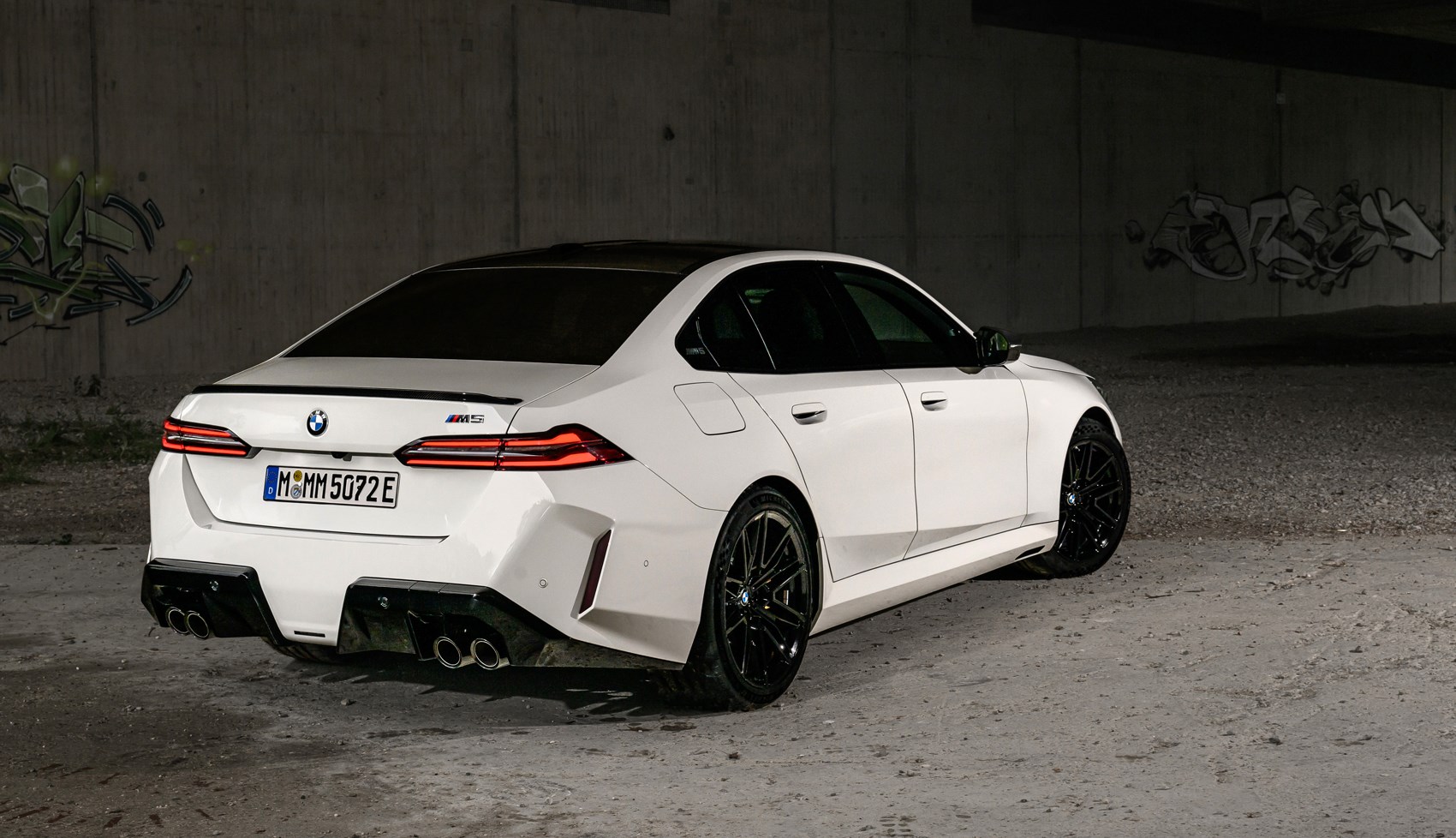
And here is what makes me uneasy about the G90 as a driver’s car. You are carrying 18.6kWh of battery and an electric motor to unlock a tax figure, then hauling all of it (that extra 650kg) through every corner whether the battery is full or flat. The performance numbers stay heroic: 3.5 seconds to 62mph, 155mph limited, 189mph with the M Driver’s Pack. But the car has to work harder to hide its weight, and weight is the one thing you can feel from the driver’s seat that no amount of system output erases.
The F90 is honest about what it is. The G90 carries a battery to unlock a tax figure, then asks every corner to forgive the weight.
What it actually costs to run in Britain
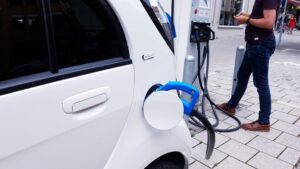
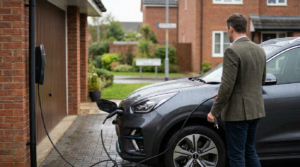
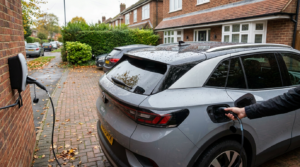
This is where the G90’s case either lands or falls apart, and it depends entirely on your driveway. If you have a home charger and a commute under 42 miles, the hybrid genuinely changes the maths: you can do the daily school-run-and-supermarket loop on electricity and keep the V8 for the weekend. As a company car, the 37g/km figure places it in a far lower benefit-in-kind band than any F90 could reach, and for a 40% taxpayer in the 2025/26 tax year that gap is the single strongest argument the G90 has. Your own bill will depend on your tax band, the P11D list price and HMRC’s published BiK rates for the year, so treat this as context rather than a quote, not a finance offer.
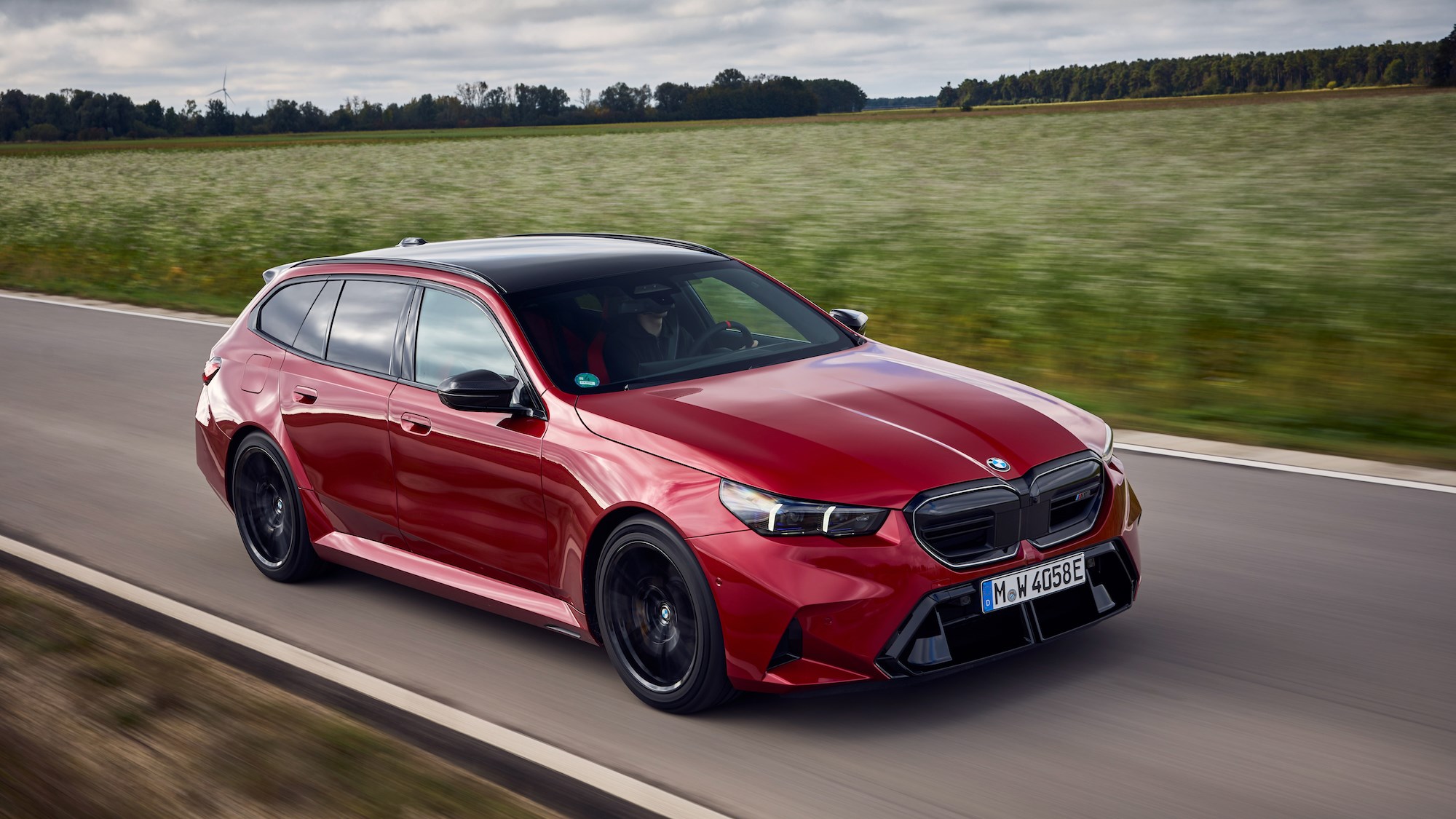
But buy one privately, charge it rarely, and you are running a 2,435kg car on 29.1mpg with a battery you are paying to carry and never using. That is the worst of both worlds: hybrid complexity, V8 thirst, and none of the tax shelter. The F90, by contrast, is honest about what it is, a thirsty petrol super-saloon, and it never pretends otherwise.
The used angle: which one Britain should actually buy
The F90 is now firmly a used proposition; the G90, which launched in the UK in 2024 from £111,885 for the saloon and £113,885 for the Touring (as-tested cars sail past £130,000 once you raid the options list), is still very much a new-car or nearly-new buy. So the choice in front of a British buyer is rarely G90 versus G90: it is a used F90 against a depreciating G90.
For the private buyer paying with their own money, the F90 is the smarter car. You get the V8 character, the simpler ownership story, and you let someone else absorb the steep early depreciation that always follows a six-figure flagship. For the company-car driver, the equation flips entirely: the G90’s 37g/km tax position is worth more than any amount of F90 charm, and the electric range is a genuine daily-running bonus rather than a gimmick.
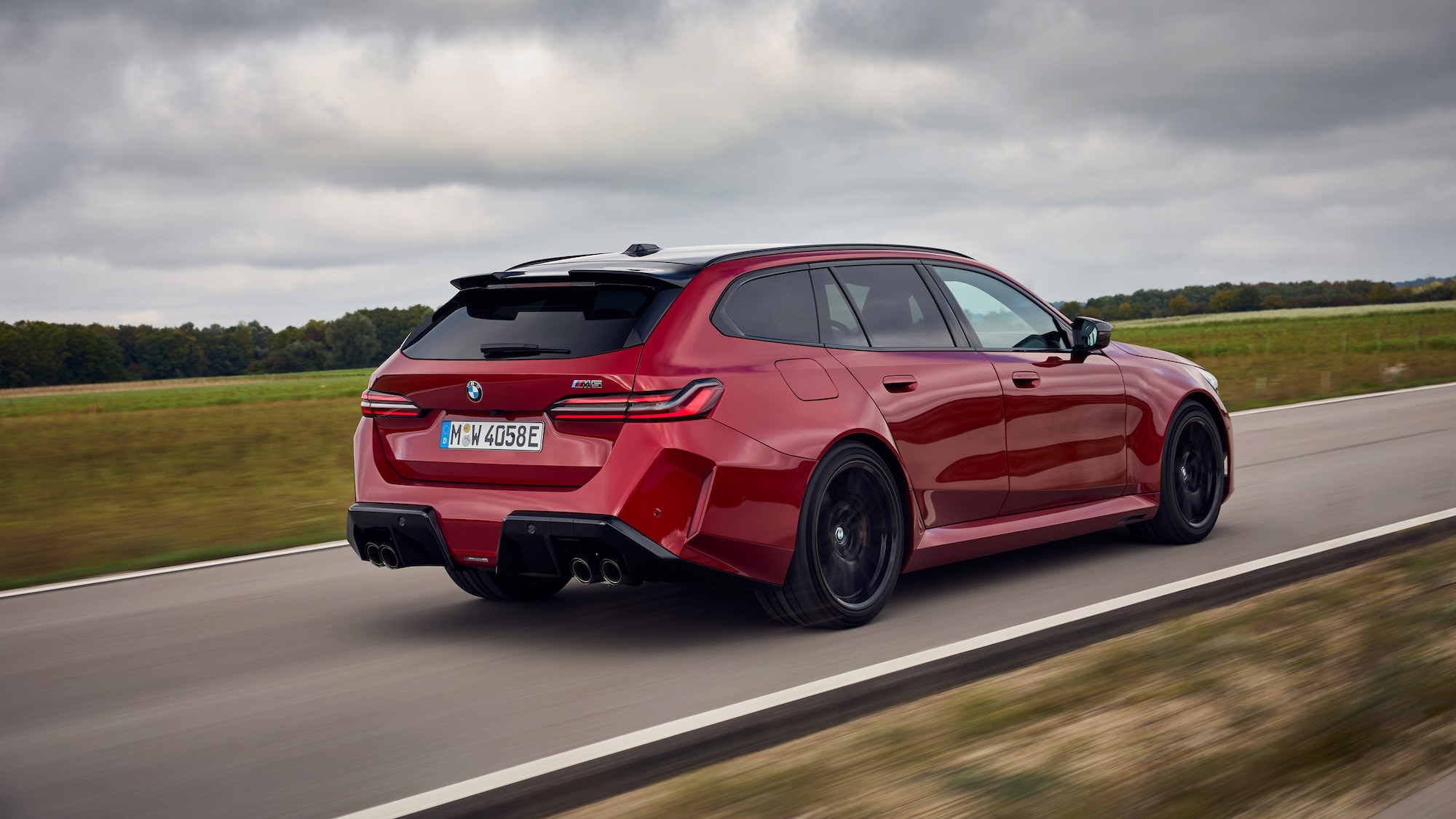
The one buyer I’d steer away from the G90 is the keen private driver who wants the M5 as a weekend toy. That person is paying to carry a battery they’ll never charge, in a car that’s 650kg heavier than the one that came before, for a tax break they can’t claim. For them, the F90 isn’t a compromise: it’s the better car.
The petrol send-off still wins, unless your tax code says otherwise
I’d take the F90. Not out of nostalgia, but because for the way most private buyers in Britain actually use a car like this (bought outright, driven for pleasure, charged seldom) the older car is more honest, lighter on its feet and easier to live with. The G90 is the more impressive feat of engineering, and if I were running one through a business with a home charger on the wall, I’d sign for it tomorrow and enjoy the tax bill.
What would change my mind? A used G90 at the point where its depreciation has done the heavy lifting and the price gap to a tidy F90 has narrowed to nothing. At that price, the hybrid’s daily-driver flexibility starts to outweigh the extra mass. Until then, the petrol send-off is the M5 I’d put on the drive, and I suspect most of Britain, paying with its own money, would too.
How we compare
Buyer action
Where to check next
Use this as the final check before paying a deposit, signing finance paperwork or relying on a headline monthly figure.